So much work in genealogy is about looking backward and trying to make sense of whatever history, stories, family anecdotes — are receding into the rearview mirror. We hope that nothing is lost forever, but as human beings, we live our lives dreaming ahead about the future.
For these family history narratives, we are attempting to peer into that future — to a future which we know, we will no longer be a part of someday. We are creating and crafting a resource for the benefit of future generations… because as the world spins, it only spins forward.
A Way of Seeing and Then Seeing Again…
In earlier centuries, things that today we take for granted, such as paper, or painting supplies, were once highly prized and rare things. Materials were frequently reused and altered to conform to what their creator needed. In writing, an example of this is called a palimpsest. Paper, once made of vellum or sheepskin, was scraped and washed to remove the old text and a new story was overwritten on to the recycled surface. Sometimes however, as the paper aged, the old story would bleed through like a phantom from the past reminding us that once before, there was another story living there.
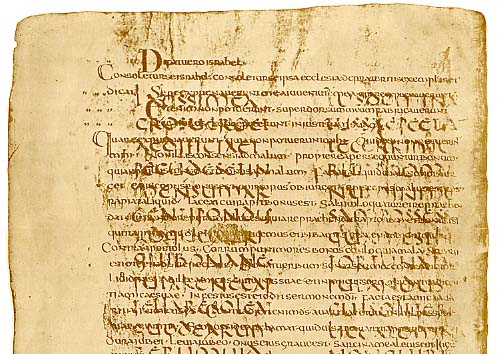
Image courtesy of the Vatican Library. (See footnotes).
As intriguing as palimpsests are, when we think of our ancestors, we tend to picture them in our minds eye, rather than focus on their words, which are always vanishingly rare.
In 1973, we remember that the writer and playwright Lillian Hellman appeared on the Merv Griffin television show to discuss her new book Pentimento. From that interview, she quoted this passage from her new writing —
“Old paint on canvas, as it ages, sometimes becomes transparent. When that happens it is possible, in some pictures, to see the original lines: a tree will show through a woman’s dress, a child makes way for a dog, a large boat is no longer on an open sea. That is called pentimento because the painter ‘repented’, changed his mind. Perhaps it would be as well to say that the old conception, replaced by a later choice, is a way of seeing and then seeing again.”
Lillian Hellman,
from her memoir Pentimento, A Book of Portraits
From that moment, we were struck not just by her words, but also by her way of understanding the past. How we think about the past and our ancestors who have lived before us— they are always defined within our shifting ideas about them. When they are remembered, indeed, when we are remembered — all of us are still an unfinished portrait.
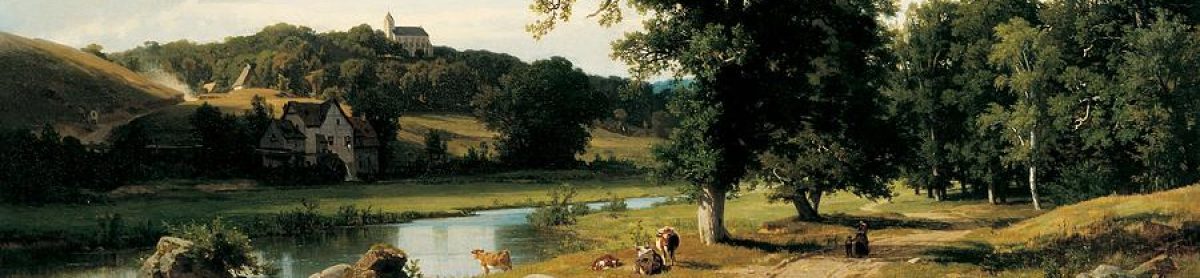
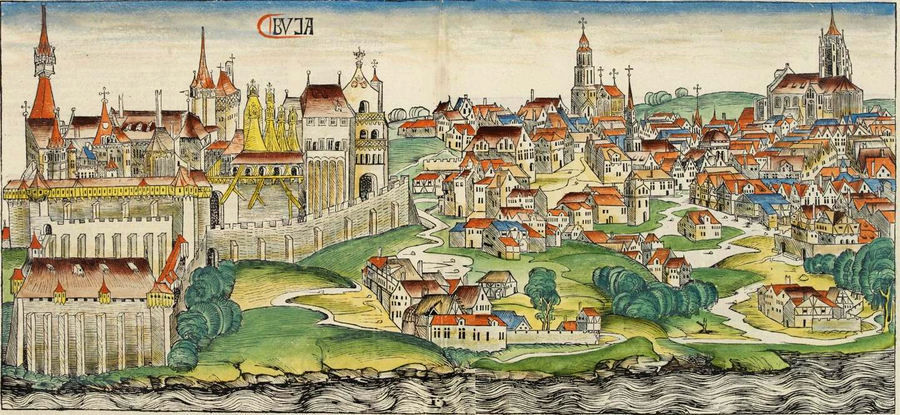
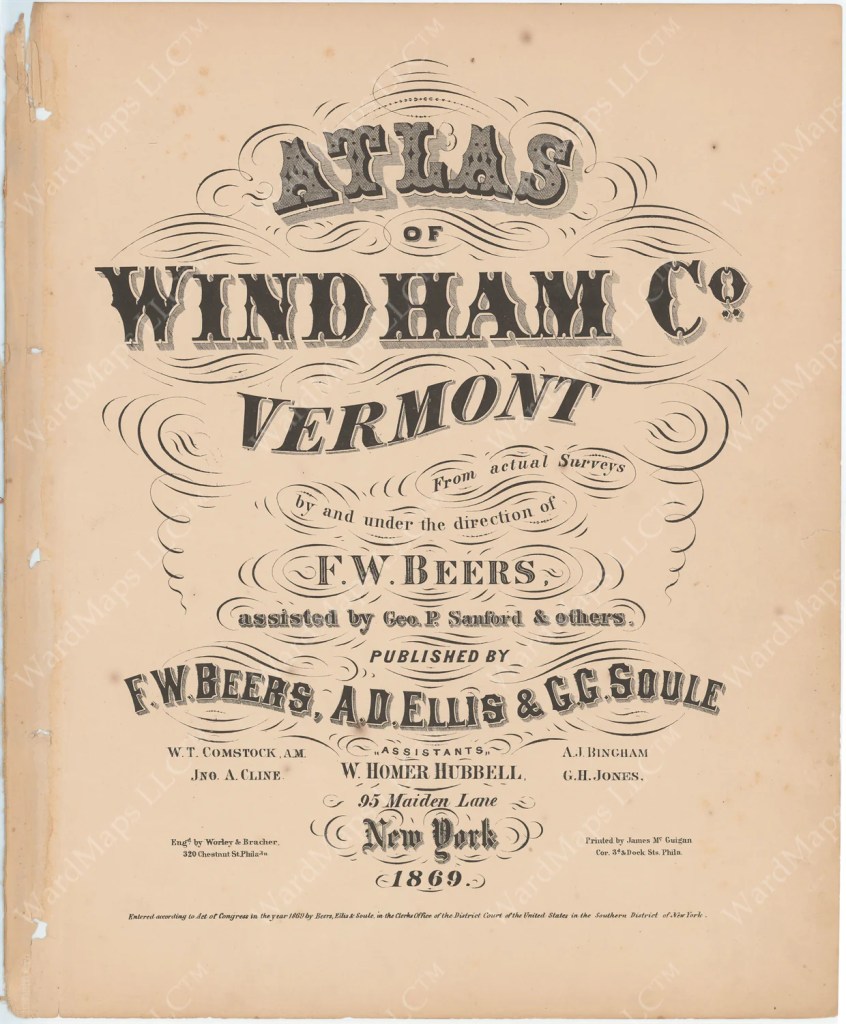
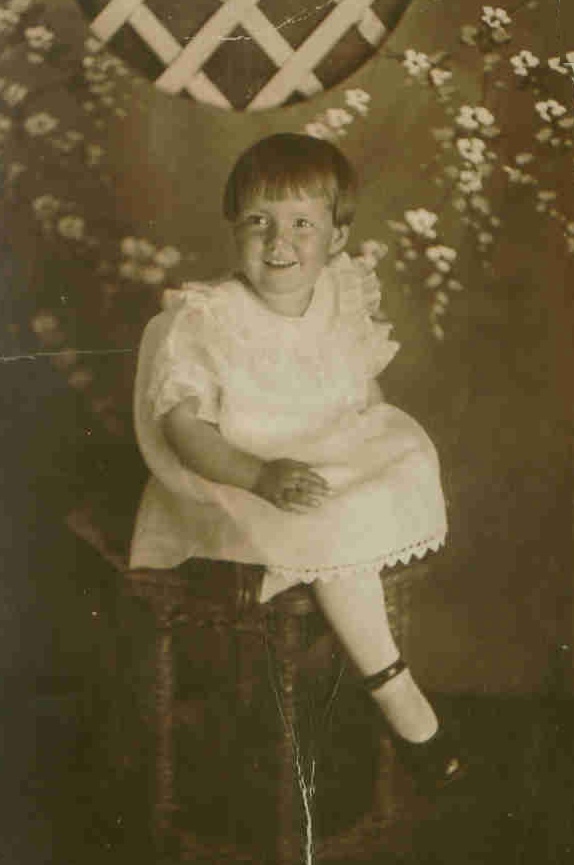
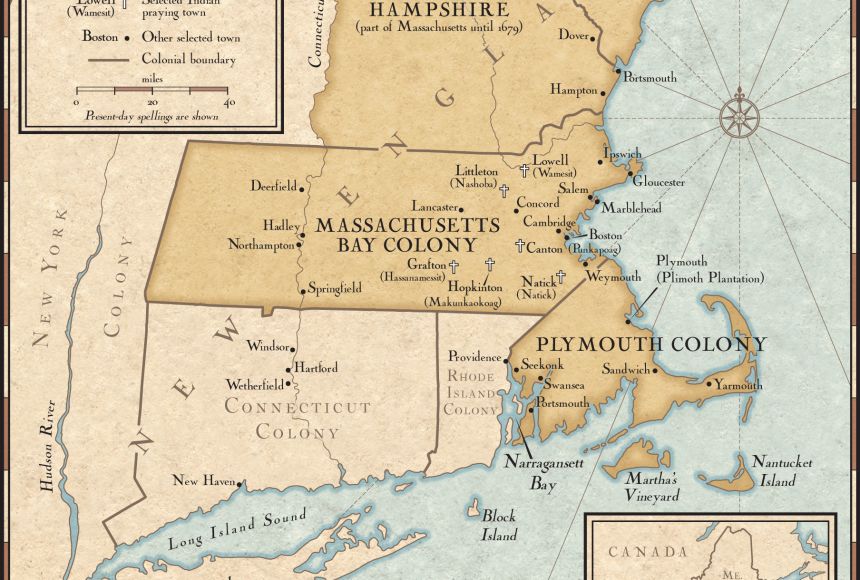
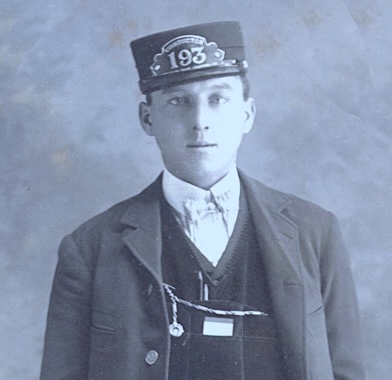
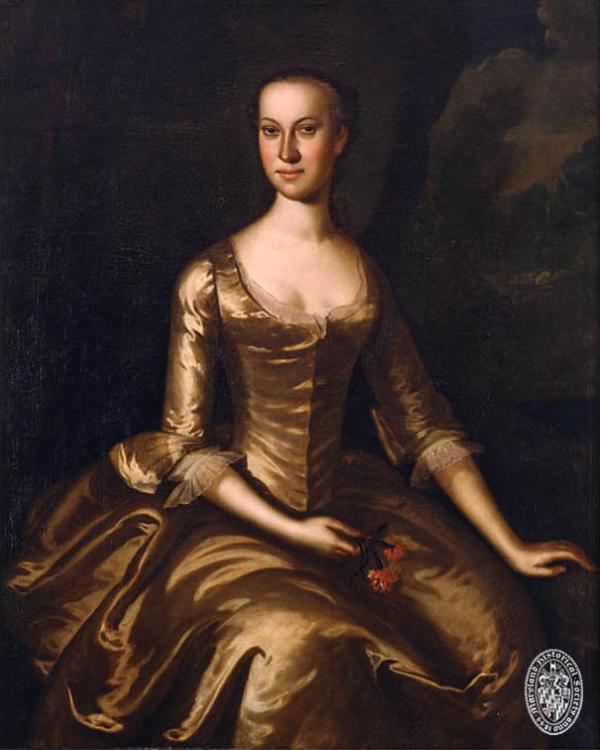
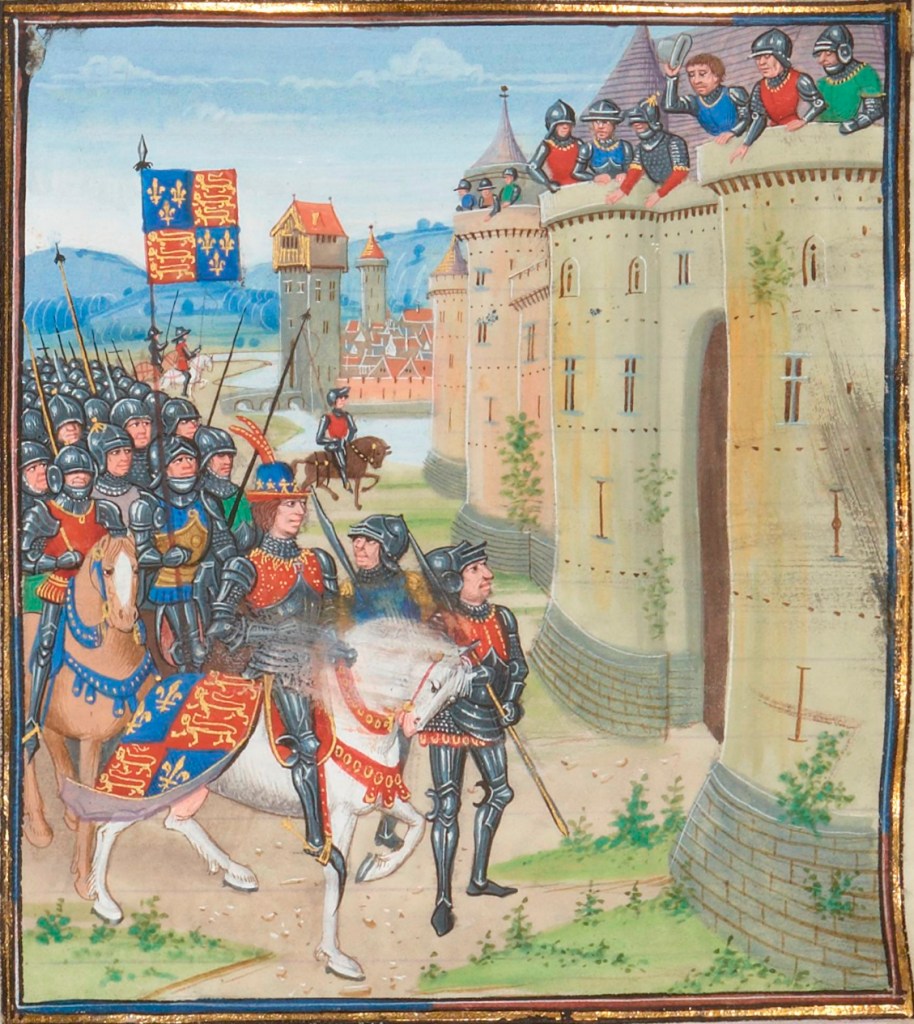
Susan lives in Chesapeake, Virginia, and Thomas lives in Lisbon, Portugal. Shown below is a selected gallery of images from our many blog chapters.






 Our Ancestors, Our Narratives