Preface
Some family relationships are hidden in plain sight.
When I was in fourth grade, my teacher Mrs. Blackington, was teaching us about how to refer to different relatives. When I was called to go to the chalkboard and list my Grandmothers — I wrote three names: Grandma Gore, Grandma Bond, Grandma Lemr. Then I took my seat. There was a little buzz going on in the classroom because I had written three names, and Mrs. Blackington told me that I was wrong. No one can have three grandmothers. I pushed my glasses back, and insisted I was right. This went back-and-forth between us for a minute or so. I was feeling a bit defiant that day, so I stood up at my desk and insisted that I was correct. We had reached détente, but she told me I needed to go home and “discuss this matter” with my parents.
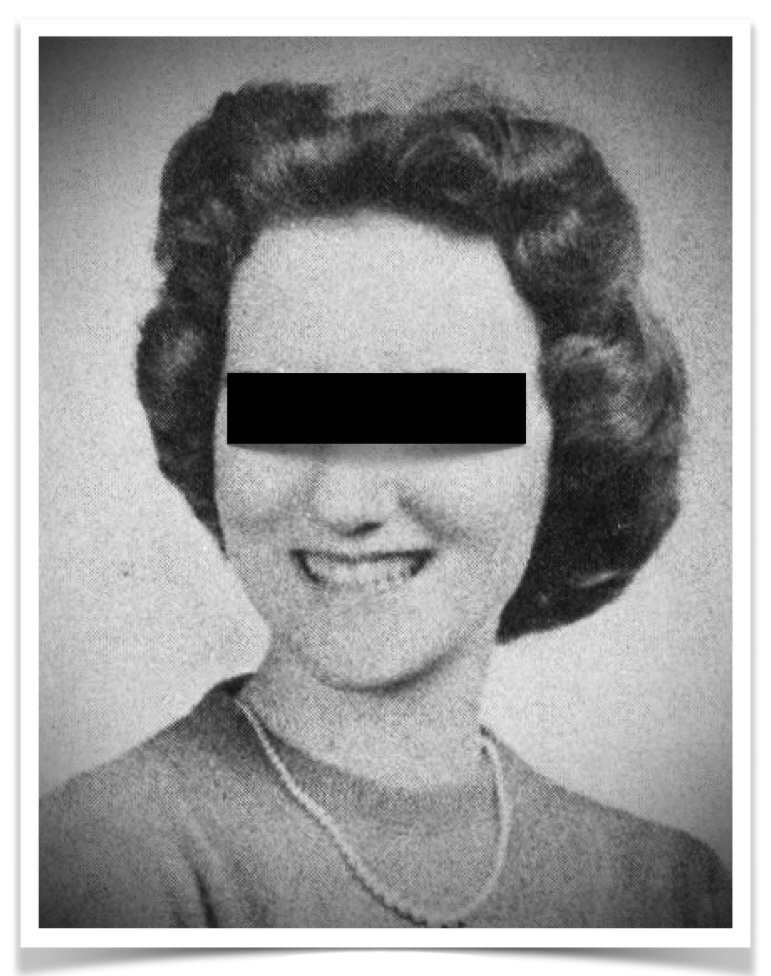
It turns out that our mother Marguerite had a previous marriage that I did not know about. When my sister Susan and I talked about this years later, she expressed amazement that we lived in a very small township, that everybody already knew the story, and yet “no one said anything”.
This is how I came to learn that “Grandma” Lemr was more of an honorific title. In her life she was Elizabeth “Bessie” (Hines) Peterman Lemr, the mother of Clarence Arthur Peterman, Jr., my mother’s first husband. (See The Peterman Line, A Narrative).
— Thomas, with Susan
Introduction — Newfoundland was an Anomaly…in the British Empire
Our narrative begins in Newfoundland, the most eastern province of Canada, officially known as Newfoundland and Labrador. “The first European contact with North America was that of the medieval Norse settlers arriving via Greenland. For several years after AD 1000 they lived in a village on the tip of the Great Northern Peninsula, known today as L’Anse aux Meadows.”
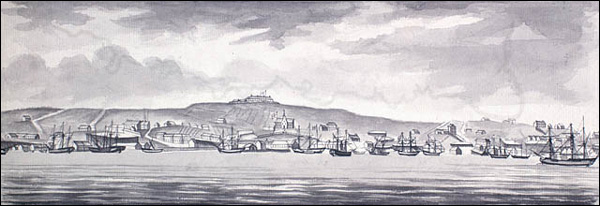
Courtesy of Library and Archives Canada (R5434 C-002545).
“Newfoundland was an anomaly in the expanding British Empire of the 17th and 18th centuries, because it was considered primarily as an industry rather than as a colony — as an activity rather than as a society.”
“European fishers had been working off Newfoundland and Labrador’s coasts for about 100 years by the turn of the 17th century. Most arrived by May or June to exploit abundant cod stocks before returning overseas in the late summer or early fall. Known as the transatlantic migratory fishery, the enterprise prospered until the early 19th century when it gave way to a resident industry.
As the number of permanent settlers at Newfoundland and Labrador increased throughout the 18th and 19th centuries, the lifestyles of workers engaged in the fishery changed. The household became an important part of the industry because resident fishers were increasingly able to rely on relatives for assistance instead of on hired hands. At the same time, the emergence of the seal hunt and other winter industries allowed fishers to diversify into other sectors and work year-round. A growing resident population also led to dramatic social and political changes, giving fishers and their families access to schools, churches, hospitals, poor relief, and many other services and institutions.
Despite these developments, many similarities remained between fishers in the 19th century and their 17th-century counterparts. Handlines, small open boats, and other gear remained largely unchanged since the days of the migratory fishery, as did the basic techniques of salting and drying fish. Inshore fishers of both the 17th and 19th centuries lived in coastal areas that were close to cod stocks, and they rowed to fishing grounds each morning before returning home in the evening or night.

The migratory fishery was a seasonal industry that required most of its workers to live in Newfoundland and Labrador on a temporary basis only, usually during the spring and summer when cod were plentiful in offshore waters. France, Spain, and Portugal participated in the early migratory fishery, but it was England that eventually dominated the industry, each year dispatching shiploads of fishers from its West Country ports.
Despite the dangers and expenses associated with annually sending thousands of men across the Atlantic, British fish merchants and government officials did not initially want to establish year-round settlements at Newfoundland and Labrador. The region had limited agricultural potential and offered few opportunities for winter work, which meant the state would likely have to spend large sums of money supporting colonists. Fish merchants also feared a resident industry would interfere with their profits from the lucrative cod trade.
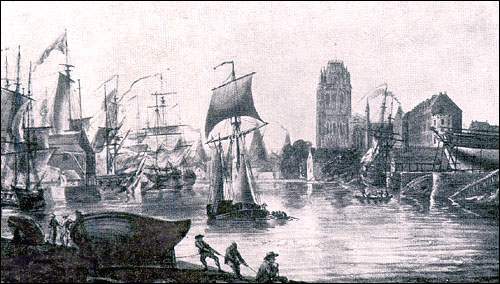
As a result, most fishers working at Newfoundland and Labrador in the 17th and 18th centuries were not permanent residents. They instead travelled across the Atlantic each year in large ocean-going vessels and spent only a few months overseas before returning west in the late summer or early fall. During this time, the vast majority of fishing people were separated from their families and their homes.
The lifestyle of fishers remained largely unchanged until the migratory fishery gave way to a resident industry in the early 1800s. The number of permanent settlers at Newfoundland and Labrador gradually increased during the 17th and 18th centuries for a variety of reasons. Planters and merchants hired caretakers to overwinter on the island and guard fishing gear; wars sometimes made it difficult for people to cross the Atlantic and return home; and the emergence of proprietary colonies in the 1600s helped create a foundation for permanent settlement. The Irish and English women who began to come to Newfoundland and Labrador in greater numbers during the 1700s, often to work as servants for resident planters, were crucial to settlement. Many married migratory fishers or male servants and settled on the island to raise families.” (3)
“By the end of the 18th century a mixed English-Irish society was emerging in Newfoundland that was to develop a distinct character, in part because its existence had never been intended… The population was approximately 20,000 by the 1790s, and double that by 1815.” (1)
A Settler’s Life in Newfoundland and Labrador 1780-1840 (short video)
An excellent resource for understanding this time and place is found is found in this short ten minute video. Please take time to watch it. (2)
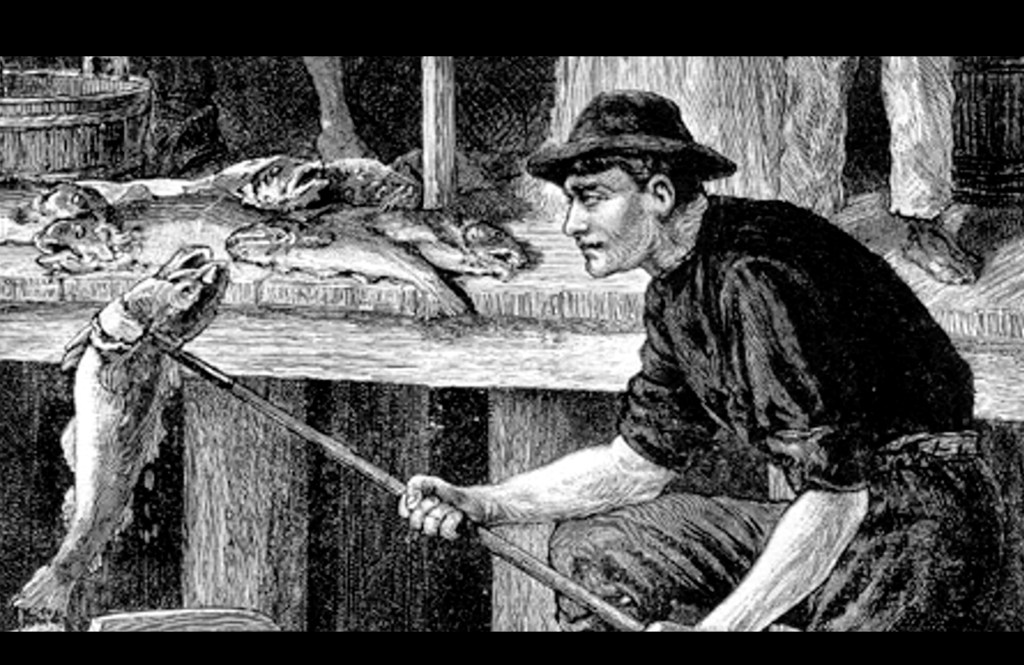
explains the history of the area: A Settler’s Life in Newfoundland and Labrador 1780-1840.
Please click on this link for the YouTube.com:
https://www.youtube.com/watch?v=5bU1hWWDnSY&t=550s
We observed while researching this family line, that there was a great deal of variability in how the family surname was recorded. We have seen: Hynes, Hinds, Hinde, Haines, and Hines. For this narrative we will use the spelling Hines.
The Birth of James Hines
Into this population of Newfoundland immigrants, we commence our narrative with James Hines, the first ancestor we were able to find on record. His parents/grandparents may have been a part of the migratory population of Fishers that crossed the ocean from Ireland or England to fish the waters of Newfoundland. He was born in 1817 in Grand Banks, Newfoundland, Canada. The records indicate he married Jane Thornhill on October 2, 1833, in Fortune, Newfoundland. Jane was born on May 15, 1819, and baptized in Grand Bank, Newfoundland. She may have had a twin sister named Elizabeth. She was the daughter of William Thornhill and Ruth (?) whose last name may have been Baggs. The death dates for both James and Jane are unknown.
James and Jane had three children: George, Phebe, and James Wilson. Their eldest son was George Hines, whom we shall write about next.

George Hines (Hynes) was born in Fortune, Newfoundland, Canada in 1837. He died on January 17, 1909, also in Fortune. It is from his death record that we determined his birth year, since we have not located a birth record. He married Sarah Hickman on June 6, 1864, in Fortune, where she had been born on June 30, 1847. She died on September 14, 1890 in Grand Bank, Newfoundland. Her parents were Robert Hickman and Grace Gallope Keeping.
George and Sarah had nine children, all of whom were born in Fortune, Newfoundland. Their eldest son, George Thomas Hines, furthers our narrative. (3)

The Family Moves to York County, Ontario
Like the generations before him, George Thomas Hines was born in Fortune, on October 6, 1864. He married Olivia Forward Kelley there on August 14, 1886, and he died on June 25, 1921 in York, York County, Ontario. Olivia was born on September 15, 1863 in Fortune, and she died in York on December 30, 1944. They had seven children, all of whom were born in Newfoundland, except for their youngest son, John Oliver Mowt Hines, who was born in Toronto. The 1911 Canada census tells us that the family had relocated to York in the year 1906.
We learned that Olivia’s parents were Samuel Kelley and Jane Lake. Samuel was born about 1834, and died in 1854 in Newfoundland. His parents are Laurence Kelley and Margaret Forsey. Jane was born in Fortune on February 14, 1840. Samuel Kelley and Jane Lake married on September 27, 1860 in Fortune, Newfoundland. Jane (Lake) Kelley’s father, James Lake, was born in 1799 and died in 1854 in Fortune, Newfoundland. Jane’s mother was Susannah Gallope born in 1797 in Fortune. Her death date is unknown. James Lake married Susannah Gallope on May 10, 1835 in Fortune, Newfoundland.
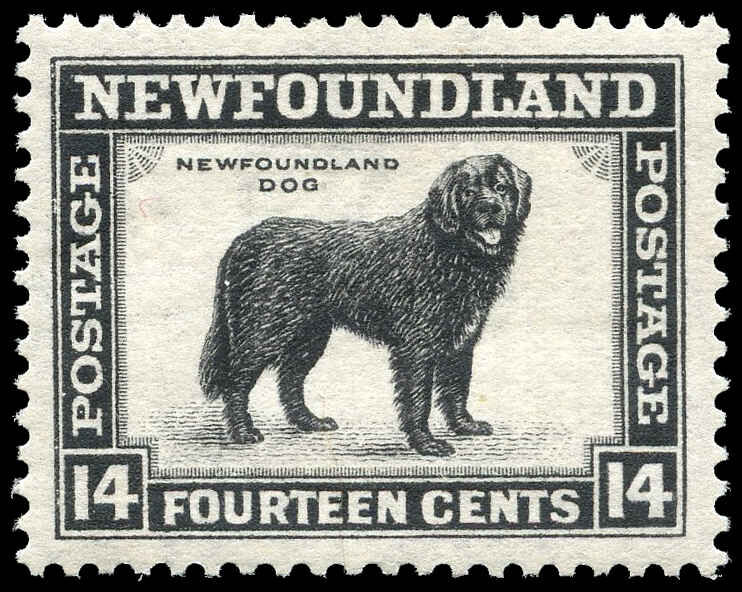
Newfoundland postage stamp. Courtesy of arpinphilately.com
In the George Thomas Hines and Olivia Forward Kelley family, there are seven children. We did not locate birth records for all of the children, so marriage or death information was used to access the birth dates.
The first six children were born in either Fortune or Grand Bank, Newfoundland. The last child was born in Toronto, Canada.
- Samuel George Hines (birth record name is Sam George) – born January 28, 1887
- Pricilla Tryphena Keeping Hines – born September 20, 1889 (death dates for Sam and Pricilla are unknown)
- Emma Jane Hardy Hines – born August 28, 1892 and died April 22, 1985 in Middlefield, Geauga County, Ohio
- Elizabeth “Bessie” Patten Hines – born July 19, 1900 and died March 10, 1978 in Windber, Somerset County, Pennsylvania
- Frederick James Hines – born October 19, 1902 and died April 27, 1931 in Toronto, Ontario Canada
- Alfred Charles Wood Hines – born about 1903 – death date unknown
- John Oliver Mowt Hines – born May 17, 1910 and died October 22, 1976 in Scarborough (Toronto), Ontario, Canada
Their fourth child, Elizabeth “Bessie” Patten Hines, figures more prominently in our narrative. (4)
After Fortune, the Hines Family in Toronto
We could not locate the 1901 Canada census to learn about the family at that time. The first census document we found is the 1911 Canada census. It gives several pieces of information. The two eldest children, Sam and Priscilla, are not on this census. Sam would have been 24, and Priscilla 22, by 1911. If they were still living, there is no record of their whereabouts. (Note: this particular census is a good example of how “misinformation” is given to the census taker. For example: Olivia Hines age does not coincide with her birth date — it is off by five years. Frederick is identified as James K., and Alfred is identified as Frederick C.)
Additional information learned, is that the family immigrated from Newfoundland to Toronto, Canada in 1906. At that time the children were living at home. George Hines is working as a laborer, his wife Olivia is working as a washerwoman and the eldest daughter Emma, age 19, is a clerk in a millinery department. (Hat-making or millinery, is the design, manufacture, and sale of hats and head-wear. A person engaged in this trade is called a milliner or hatter.) The remainder of the children are either in school, or too young for school. They identify their religion as Methodist.
The 1921 Canada census tells us that George Thomas Hines was 57 years old and working as a teamster. Living in the home was Olivia age 55, James F. (Frederick) age 19, Alfred age 17, (John) Oliver age 10. The family indicates they are no longer Methodist, but Baptist.
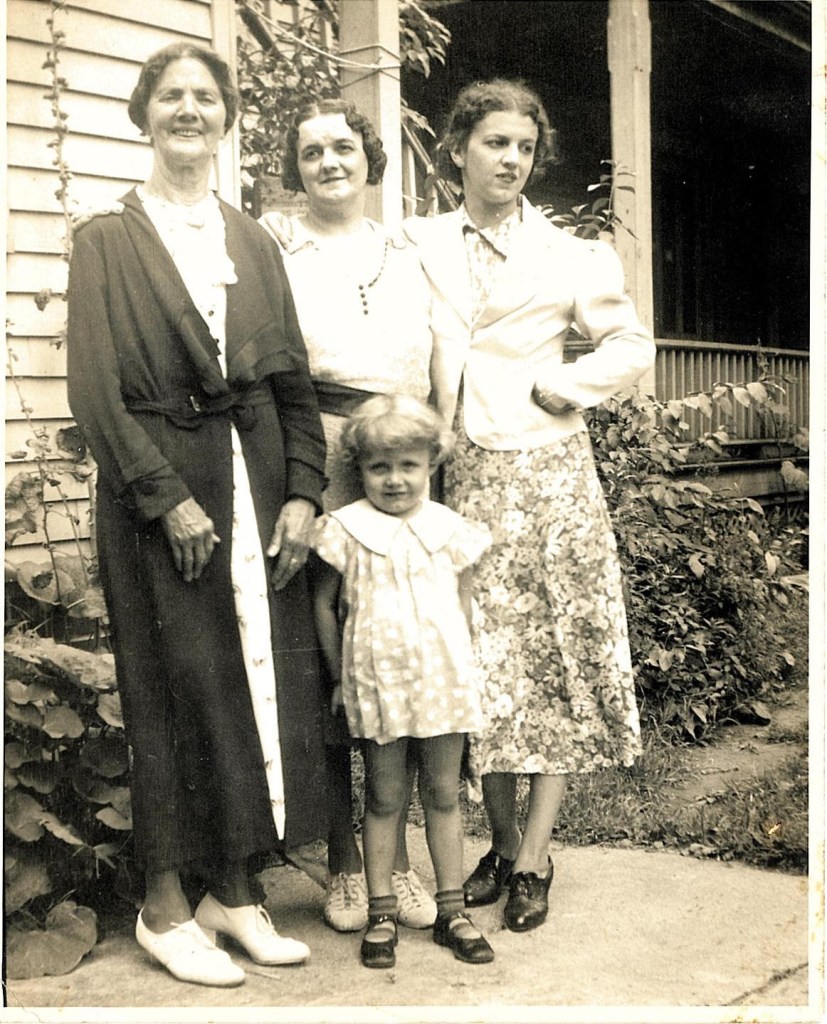
We also learned that here were other changes within the family. In 1912, Emma Jane Hines had married Alan Hamilton Wright in Ontario, Canada. During their marriage they had five children, all born in Canada. Edna Wright 1913-2003, Vernon ‘Bill’ Wright 1916-1937, Margaret Wright 1919-1921, June Dorothy Wright 1923-2010 and Elizabeth ‘Betts’ Wright 1924 – death unknown. Their daughter June was a life-long friend to our mother Marguerite (Gore) Peterman Bond, and was also a cousin to Clarence Arthur Peterman, our mother’s first husband.

Additionally on the Hines family 1921 Census, Elizabeth/Bessie (Hines) Peterman and her son Clarence Arthur Peterman, Jr. were living with her parents. For some reason, her name on the census is “Mary”. In 1920, her husband Clarence is living in Indianapolis, Indiana with the Stroud family and working as an auto mechanic. (See The Peterman Line, A Narrative)
As that blog post explains: “It seems that while he was in Toronto Clarence Arthur Peterman met, or knew, Elizabeth Patten Hines. At that time, she went by the name Bessie. Later in her life, she was known as Betty Lemr. On August 23, 1918, she gave birth to a son, Clarence Arthur Peterman, Jr. Two weeks later, on September 6, 1918, she and Clarence Sr. were married. On their marriage certificate his occupation is listed as soldier. Bessie returned to York to live with her parents, and Clarence returned to Toronto. The separation may have been because of his service in the Royal Flying Corps, or because they did not intend to live together.”
On June 25, 1921, George Thomas Hines died of a pulmonary disease, most likely COPD. He is buried at the Prospect Cemetery in Toronto, Ontario, Canada. Within a couple of years, the Hines siblings — including Bessie (Hines) Peterman — began crossing from Toronto to Cleveland, Ohio.
In October 1923, Alfred Charles Hines crossed into the United States at Buffalo, New York to visit a friend. It is not known how long he stayed. In August 1936, he married Clementine Ellen Williams in Toronto. There is no further information about Alfred Charles Hines. His wife Clementine (Williams) Hines died in 1975, in Toronto, Canada.
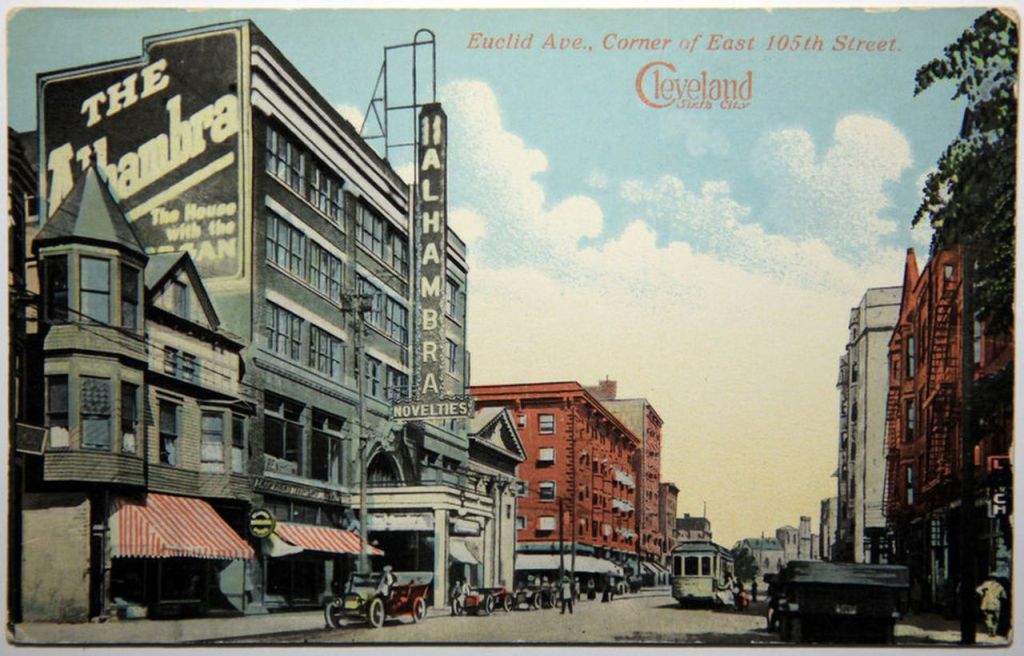
Also in October 1923, Frederick James Hines applied for Naturalization in the United States. By all accounts, Frederick James Hines’s adult life was tragic. After he entered the United States and settled in Cleveland, he brought his fiancé, Ann Jane Arbour, to Ohio. In May 1924, she entered the U.S., destination Cleveland. Frederick and Ann were married on June 7, 1924, in Cleveland, Ohio. Ann Jane (Arbour) Hines died tragically in Cleveland on July 12, 1924, barely a month after their marriage. Her cause of death is unknown. At some point Frederick J. Hines returned to Canada. On August 16, 1930, he married Gladys Love in Toronto, Canada. Eight months into this marriage, Frederick died on April 27, 1931, of tuberculosis. He is buried at the Prospect Cemetery in Toronto with his parents.
The youngest brother, John Oliver Mowt Hines, remained in Canada. He married Catherine Josephine McLellan on September 23, 1936. John died on October 22, 1976 in Scarborough, Ontario, Canada.
After her husband died in 1921, Olivia (Kelley) Hines spent the rest of her life in Toronto and died on December 30, 1944 in Toronto. She lived to be 81 years old and is buried at the Prospect Cemetery in Toronto with her husband and son. (5)
Bessie/Betty Married Frank Lemr…
On January 3, 1924, Betty (as she now called herself) entered the United States in Buffalo, New York with her five year old son, Clarence “Art” Peterman. Her destination was Cleveland, Ohio to visit her sister Emma Jane (Hines) Wright. Presumably, she did not return to Canada. There are no other records of her leaving or re-entering the United States. On April 25, 1929 she married Frank Lemr in Cleveland, Cuyahoga County, Ohio. They never had any children together. In 1936, her son Art Peterman met, and then married, our mother Marguerite Lulu (Gore) Peterman Bond.
In 1937 their first child, James Elwyn Peterman, died within a few hours of his birth. Their next two children, Jo Ann and John Alfred Peterman, are the linkage from the Hines/Petermans to the Bonds. Art and Marguerite Peterman’s marriage ended in 1942. Marguerite married Dean Phillip Bond in 1946. At Art’s request, Dean legally adopted Jo Ann and John. Their last name was now Bond. Dean and Marguerite went on to have four more children. Art had married Dorothy Weyant and they had a son, Dennis. They moved to Pennsylvania. (see The Peterman Line, A Narrative).
On July 10, 1942, Betty Lemr became a naturalized United States citizen.
All of this brings us to memories and remembrances of Betty. She is the link that ties us together as one family. She was the natural grandmother to Jo Ann and John, the “Grandma Lemr” referred to in the preface. As the Bond family grew, the Lemrs were always close by. There was never any discussion about Marguerite’s marriage to Art Peterman. Betty and Frank were just our Grandma and Grandpa Lemr.

Sunday, June 8, 1997
They would do small things for all of the children such as attend birthdays, holidays, graduations, and other special occasions. In 1957, the year Jo Ann Bond was a senior in high school, Betty bought her a beautiful black and white Prom dress. Jo Ann kept the dress and was still able to it wear many years later — even at her 30 year high school class reunion.

In the 1950s Betty was a cook for Newbury School. She was a friendly voice that for many years was was lovingly remembered by the students.
Betty started a catering business in the early 1960s. She and Marguerite focused their entertainment and cooking skills on weddings. These were small weekend affairs where the guests ate canapes, buffet items, and wedding cake. The main table was covered with a white table cloth and tulle to match the wedding party’s color scheme. There were silver platters and a silver tea service to add to the formal occasion. Often the “kids” were enlisted to help with the serving, or hauling items in and out of the reception. (They might get paid as much as $5).
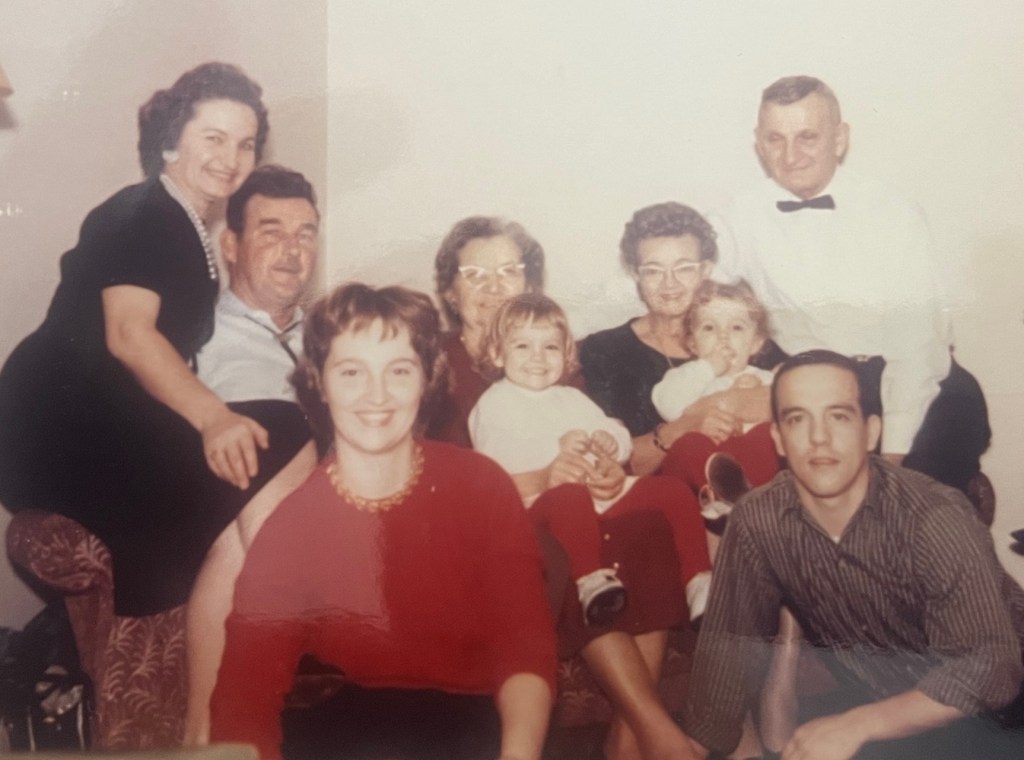
The great-grandchildren sometimes had sleep-overs at the Lemr’s home. Betty, who never had a daughter, loved to set the girls’ hair in curlers so they would look cute for church on Sunday. Betty attended Newbury United Community Church on Sunday and always sat in the very last pew.
She had a collection of tea cups she kept on display in her living room. As children we were afraid to go into that room for fear of breaking something. A fun pastime was to play in the creek that ran behind their house, occasionally having to peel off any slugs that (unfortunately) may have become attached.
As Betty grew older, she drove a brown Duster car. Once she was visiting and left the car running with the keys locked inside. She didn’t even realize it until the kids came inside and asked why her car was still on! And there was always the matched set of outfits for the four great-granddaughters. Betty probably thought it was cute to dress all of the girls alike, even though the girls might not agree!

Frank Lemr, for many years, was active in the Masons (the secret fraternal order of Free and Accepted Masons), and Betty was busy in its auxiliary organization, Eastern Star. It’s likely that Frank probably started attending meetings at the main lodge in downtown Cleveland, and then they eventually shifted their membership from there, to the Lyndhurst Lodge when they moved to Geauga County. Freemasonry is defined as “…an international fraternity for men (although there are also some lodges for women). [It] is not a religion, but its beliefs are heavily influenced by 18th and 19th century Deism and Universalism. Masons must only swear a belief in a Divine Being, … religion, as well as politics, are forbidden topics in any lodge. How one worships is one’s own private business. All Masonry demands is that you do have religious beliefs to rest your moral development on.”

Betty and Frank Lemr lived for many years in their house on Music Street, in Newbury Township, Geauga County, Ohio. Frank died of a heart attack on December 8, 1967. He had just begun his retirement. He is buried at the Acacia Masonic Memorial Park in Mayfield Heights, Cuyahoga, Ohio. Betty died on March 10, 1978 in Windber, Pennsylvania. (She had moved to Pennsylvania to be near her son Art Peterman). She is buried with her husband at the Acacia Masonic Memorial Park in Mayfield Heights. (6)

The story of the Hines family began in Fortune, Newfoundland, Canada and spread to many parts of the United States and Canada. At the time they lived there, Fortune was very small, and (also apparently), refreshingly honest. We found this photo and thought it would be a great one with which to end our Hines Narrative.
Following are the footnotes for the Primary Source Materials,
Notes, and Observations
Introduction, Newfoundland was an Anomaly…in the British Empire
(1) — three records
History of Newfoundland and Labrador
https://en.wikipedia.org/wiki/History_of_Newfoundland_and_Labrador
Voluntary Settlement: The Peopling of Newfoundland to 1820
https://www.heritage.nf.ca/articles/exploration/voluntary-settlement.php
Lifestyle of Fishers, 1600-1900
https://www.heritage.nf.ca/articles/economy/fishers-lifestyle.php
Settler’s Life in Newfoundland and Labrador 1780-1840 (short video)
(2) — one record
YouTube.com
A Settler’s Life in Newfoundland and Labrador 1780-1840
https://www.youtube.com/watch?v=5bU1hWWDnSY
The Birth of James Hines
(3) — eight records
James Hynes
in the Newfoundland, Canada, Births, Marriages, and Deaths, 1757-1901
Burin > Grand Bank (Methodist) > Marriage 1817-1892, Vol. 106
https://www.ancestry.com/discoveryui-content/view/172764:61507?tid=&pid=&queryId=96312ef920e31f1eae4fbf00d44cdfaf&_phsrc=zVN4&_phstart=successSource
Digital page: 9/77, Entry 2.
Jane Thornhill
in the Newfoundland, Canada, Births, Marriages, and Deaths, 1757-1901
Burin > Grand Bank (Methodist) > Birth 1817-1860, Vol. 108
https://www.ancestry.com/discoveryui-content/view/177630:61507?tid=&pid=&queryId=ea4ba1de8ee3f3f9a57b0f213ed31f06&_phsrc=fyU17&_phstart=successSource
Digital page: 2/73, Entry 7.
Hynes Family Tree https://www.familysearch.org/tree/pedigree/landscape/LZN5-WNH
George Hines (Hynes), Newfoundland, Canada,
Births, Marriages, and Deaths, 1850-1949
Deaths 1907-1910, Volume 05
https://www.ancestry.com/imageviewer/collections/61508/images/FS_004554312_00535?pId=290682
Book page: 437, Digital page: 367/420, Entry 35.
Note: His death age of 72 in 1909, calculates to an 1837 birth year.
and here:
George Hines
in the Ontario, Canada, Toronto Trust Cemeteries, 1826-1989
Prospect Cemetery > Volume 02, 1917-1921
https://www.ancestry.com/discoveryui-content/view/124663:61504?tid=&pid=&queryId=c57b2b56a6f5be3e205d578197271e57&_phsrc=nCc1&_phstart=successSource
Book page: 264, Digital page: 157/179, Entry 26467.
Note: Death age is not correct.
Sarah Hickman
Vital – Canada, Newfoundland, Vital Statistics, 1753-1893
https://www.familysearch.org/ark:/61903/1:1:QK9Y-SPQ9
Digital page: 129/172, Entry 1.
Sarah Hickman
Vital – Canada, Newfoundland, Vital Statistics, 1753-1893
https://www.familysearch.org/ark:/61903/1:1:QK9Y-3HY8
Digital page: 166/193, Entry 8.
Sarah Hickman (death record )
https://www.ancestry.com/family-tree/person/tree/109213947/person/412361910589/facts?_phsrc=Twf5&_phstart=successSource
Note: No supporting documentation provided for this date.
The Family Moves to York County, Ontario
(4) — fourteen records
George Thomas Hinds
in the Newfoundland, Canada, Births, Marriages, and Deaths, 1757-1901
Burin > Grand Bank (Methodist) > Birth 1859-1892, Vol. 106
https://www.ancestry.com/search/collections/61507/records/171494?tid=&pid=&queryId=7e9d5ee5-415b-48e0-b9a9-a78817f88416&_phsrc=oZQ1&_phstart=successSource
Digital page: 17/95, Entry 16.
Olivia Kelly
in the Newfoundland, Canada, Births, Marriages, and Deaths, 1757-1901
Burin > Fortune (Methodist) > Marriage 1851-1891, Vol. 105
https://www.ancestry.com/search/collections/61507/records/900171112?tid=&pid=&queryId=03e2f7fc-9755-4b29-830e-765ee5528353&_phsrc=oZQ7&_phstart=successSource
Digital page: 9/16, Entry 8.
George Hines
in the Ontario, Canada, Toronto Trust Cemeteries, 1826-1989
Prospect Cemetery > Volume 02, 1917-1921
https://www.ancestry.com/discoveryui-content/view/124663:61504?tid=&pid=&queryId=c57b2b56a6f5be3e205d578197271e57&_phsrc=nCc1&_phstart=successSource
Book page: 264, Digital page: 157/179, Entry 26467.
Note: Death age is not correct.
Olivia Forward Kelley (birth record)
Vital – Canada, Newfoundland, Vital Statistics, 1753-1893 https://www.familysearch.org/ark:/61903/1:1:QK9Y-799C?from=lynx1UIV8&treeref=LL97-53K
Digital page: 56/99, Entry: 7.
and here:
Samuel Kelley
in the Newfoundland, Canada, Births, Marriages, and Deaths, 1850-1949
Births 1861-1865, Box 02
https://www.ancestry.com/discoveryui-content/view/15118153:61508?tid=&pid=&queryId=b1092bb15d2571478f551ef11b7e0600&_phsrc=saf12&_phstart=successSource
Digital page: 196/453
Olivia Hines
in the Ontario, Canada, Deaths and Deaths Overseas, 1869-1950
York > 1945
https://www.ancestry.com/discoveryui-content/view/24293382:8946?tid=&pid=&queryId=ff8c03106456bf1b19e7a0370719de96&_phsrc=qrv19&_phstart=successSource
Digital page: 650/10324
George G Hines
in the 1911 Census of Canada
https://search.ancestry.com/cgi-bin/sse.dll?indiv=1&dbid=8947&h=6441262&tid=&pid=&queryId=396f70b51e6450e059269b5c389007cc&usePUB=true&_phsrc=JPm16&_phstart=successSource
Book page: 11, Digital page: 11/17, Entries 2 through 8.
Note: This documents that the family immigrated from Newfoundland to Ontario in 1906, and who is living in the household.
Samuel Kelley
in the Newfoundland, Canada, Births, Marriages, and Deaths, 1757-1901
Burin > Grand Bank (Methodist) > Marriage 1817-1892, Vol. 106
https://www.ancestry.com/search/collections/61507/records/172915?tid=&pid=&queryId=e093879c-3f29-484c-8df6-f6916af790c0&_phsrc=oZQ10&_phstart=successSource
Digital page: 28/77, Entry 5.
Note: This is a marriage record which gives his age as 21, but not his birthdate.
James Lake (for birth record)
Mentioned in the Record of Jane Lake (James Lake’s Daughter)
Vital – Canada, Newfoundland, Vital Statistics, 1753-1893 https://www.familysearch.org/ark:/61903/1:1:QK9Y-QMTC
Digital page: 153/193, Entry 5.
Samuel Kelley
in the Newfoundland, Canada, Births, Marriages, and Deaths, 1757-1901
Burin > Grand Bank (Methodist) > Marriage 1817-1892, Vol. 106
https://www.ancestry.com/discoveryui-content/view/172915:61507?tid=&pid=&queryId=8e65f7e76d7091d2624160c4010ea894&_phsrc=saf9&_phstart=successSource
Digital page: 28/77, Entry 5.
James Lake (birth and death references)
https://www.ancestry.com/family-tree/person/tree/6361924/person/-239819151/facts
Note: No supporting documentation provided for these dates.
James Lake
in the Newfoundland, Canada, Births, Marriages, and Deaths, 1757-1901
Burin > Grand Bank (Methodist) > Marriage 1817-1892, Vol. 106
https://www.ancestry.com/discoveryui-content/view/172767:61507?tid=&pid=&queryId=e97fa119446810635bbda8bd5d046cab&_phsrc=JhM5&_phstart=successSource
Digital page: 9/77, Entry 5.
Susannah KEARLEY Gallop m-Lake (for birth reference)
https://www.ancestry.com/family-tree/person/tree/164729691/person/412294314208/facts
Note: No supporting documentation provided for this date.
Elizabeth Hynes
in the Newfoundland, Church Records, 1793-1899 (for baptismal record)
https://www.ancestry.com/discoveryui-content/view/40523:61509?tid=&pid=&queryId=04f145d844d89ee3fe8a23e694b0f7d2&_phsrc=XMP4&_phstart=successSource
Digital page: 201/406, Left page at center, entry 44.
After Fortune, the Hines Family in Toronto
(5) — ten records listed
George G Hines
in the 1911 Census of Canada
https://search.ancestry.com/cgi-bin/sse.dll?indiv=1&dbid=8947&h=6441262&tid=&pid=&queryId=396f70b51e6450e059269b5c389007cc&usePUB=true&_phsrc=JPm16&_phstart=successSource
Book page: 11, Digital page: 11/17, Entries 2 through 8.
Note: This documents that the family immigrated from Newfoundland to Ontario in 1906, and who is living in the household.
George Hines
in the 1921 Census of Canada
Ontario > York South > Sub-District 67 – Toronto (City)
https://www.ancestry.com/imageviewer/collections/8991/images/1921_101-e003054608?treeid=&personid=&rc=&usePUB=true&_phsrc=qGQ3756&_phstart=successSource&pId=2919208
Book page: 2, Digital page: 3/28, Entry lines 19 through 25.
Note: Bessie (Hines) Peterman’s name is listed as Mary. (Why is that?).

Alan Hamilton Wright
Marriage – Canada, Ontario, Marriages, 1869-1927
https://www.familysearch.org/ark:/61903/1:1:KS88-C3K?from=lynx1UIV8&treeref=27SR-3Z6
Digital page: 860/1344, Stamped #028049.
John Gardner (for marriage to Edna Wright)
in the New York, U.S., County Marriage Records, 1847-1849, 1907-1936
Chautauqua > 1920-1933
https://www.ancestry.com/search/collections/61377/records/1090041?tid=&pid=&queryId=d89f3f81-29ff-40a8-96e4-e6b3b1b9f5b9&_phsrc=oZQ20&_phstart=successSource
Digital file: 1429/1791, Registered No. 1413.
Edna W Gardner
in the 1940 United States Federal Census
Ohio > Cuyahoga > Cleveland > 92-586
https://www.ancestry.com/discoveryui-content/view/34067579:2442?tid=&pid=&queryId=a78932963f99adbe12b9d453ebe8905e&_phsrc=qGQ3803&_phstart=successSource
Book page: 6B, Digital page: 12/18, Entries 65 through 68.
Alan Hamilton Wright
(for the Alan Hamilton Wright and Emma (Hines) Wright family) https://www.familysearch.org/tree/person/details/27SR-3Z6
June Dorothy Wright
https://www.familysearch.org/tree/person/sources/2YGB-8JN
Arthur C Peterman
in the 1920 United States Federal Census
Indiana > Marion > Indianapolis Ward 4 > District 0085
https://www.ancestry.com/discoveryui-content/view/24261493:6061?tid=&pid=&queryId=6161fb8f8410a6ba915a94a4e7c7194f&_phsrc=PNe19&_phstart=successSource
Book page: 5B, Digital page: 10/24, Entry lines 51 through 55.
Note: He is living as a boarder in the Stroud home.
George Hines (for gravesite)
in the Ontario, Canada, Toronto Trust Cemeteries, 1826-1989
Prospect Cemetery > Volume 02, 1917-1921
https://www.ancestry.com/discoveryui-content/view/124663:61504?tid=&pid=&queryId=c57b2b56a6f5be3e205d578197271e57&_phsrc=nCc1&_phstart=successSource
Book page: 264, Digital page: 157/179, Entry 26467.
Note: Death age is not correct.
Ann J Arbour (for marriage to Frederick J. Hines)
in the Cuyahoga County, Ohio, U.S., Marriage Records and Indexes, 1810-1973
1901-1925 > Reel 074 Marriage Records 1924 May – 1924 Jul
https://www.ancestry.com/discoveryui-content/view/2660536:1876?tid=&pid=&queryId=050e7e1a9e795512859c9289c3c5b49c&_phsrc=Shc10&_phstart=successSource
Book page: 200, Digital page: 200/500, Second entry from the bottom, Application No. 190999.
Bessie/Betty Married Frank Lemr…
(6) — twelve records listed
New York, Northern Arrival Manifests, 1902-1956 https://www.familysearch.org/ark:/61903/1:1:Q23H-BVVP
Frank Lemr
Marriage – Ohio, County Marriages, 1789-2016
https://www.familysearch.org/ark:/61903/1:1:2Q72-B9B
Book page: 344, Digital page: 483/922, Left page, Second entry from the bottom, Application No. 243219.
Marguerite Gore in the New York State, Marriage Index, 1881-1967
1936 > Marriage
https://search.ancestry.com/cgi-bin/sse.dll?indiv=1&dbid=61632&h=4705770&tid=&pid=&queryId=f5855cd416ad05e5d2312ba1f6b65641&usePUB=true&_phsrc=PNe56&_phstart=successSource
Book page: 1758, Digital page: 1788/2587, Entry #44279.
Note: Click on the document, then forward click until page 1788 of 2587).
Betty Lemr
in the U.S., Naturalization Records Indexes, 1794-1995
Ohio > Cleveland > Lazar-Lyzen
https://www.ancestry.com/discoveryui-content/view/1263717:1192?tid=&pid=&queryId=d3032076994ac928eebb1bdf6ce4b8cd&_phsrc=SeP2&_phstart=successSource
Digital page: 953/5627, July 10, 1942, No. 5460844
The Masonic Service Association of North America
(for Freemason History and Information), with excerpts from: https://msana.com
and: https://www.freemason.com/history-of-ohio-freemasonry/
and: https://case.edu/ech/articles/m/masons
and: https://en.wikipedia.org/wiki/Square_and_Compasses
Frank Lemr
in the Ohio, U.S., Death Records, 1908-1932, 1938-2022
https://www.ancestry.com/discoveryui-content/view/3345991:5763?tid=&pid=&queryId=1c7e3484b2a0fe23a9947c46b85dd6a1&_phsrc=nCc8&_phstart=successSource
Frank Lemr Jr.
https://www.findagrave.com/memorial/166313097/frank-lemr
Elizabeth “Betty” Hines Lemr
https://www.findagrave.com/memorial/166313098/elizabeth_lemr
and here:
Elizabeth “Betty” Hines Lemr
https://www.ancestry.com/discoveryui-content/view/134210998:60525?tid=&pid=&queryId=d3032076994ac928eebb1bdf6ce4b8cd&_phsrc=nCc10&_phstart=successSource

 Our Ancestors, Our Narratives