This is Chapter Two of two. We first met John Richard Hogarth Jr., in the last chapter of our narrative about the Hoggarth family when he was born only a few months before his father John Richard Sr., passed away in 1871. During almost all of his life, he spelled his family surname with a double ‘g’ which is what we will do from this point forward.
Place Names Change All The Time
We find John Jr. in The Toronto City Directory for 1890, on page 798 learning the craft of being a carriage maker. He is boarding at 9 Alice Street, nearby his mother who is living at 12 Alice Street.
The Toronto City Directory for 1890, by R.L. Polk & Co., page 798, and from the Historical Maps of Toronto, the 1893 Fisk and Co. Map of Toronto.
From, Lost Street Names of Toronto by Chris Bateman, we learned, “Generally speaking, Toronto’s street grid has remained largely unchanged since the early days of the city, but there are a few examples of streets which have [been] demolished, renamed or absorbed into other routes, never to be seen again. Here’s a look at a few: Albert, Louisa and Alice Streets (Eaton Centre).” When a new City Hall was built, and then the Eaton Centre shopping complex, Alice Street largely faded into history.
If you look very carefully at the map, on the north side of Alice Street, one can discern both number 9 (where John boarded), and number 12, (where Elizabeth lived). The blue rectangle represents modern urban development. From The Lost Street Names of Toronto, by Chris Bateman. This background map image is:Wadsworth and Unwin’s Map of the City of Toronto, 1872.
Then, the 1891 Census of Canada finds John living in Toronto with his mother, Elizabeth, and her 5 year old granddaughter (who is a child from one of her other children). John is 20 years old and we see more confirmation that he is working as a carriage builder. This census does not supply us with a specific street address, but it does tell us that they were located in the what was then referred to as East Toronto, in the district of Saint Lawrence Ward. This location is directly east from the old Alice Street location.
The 1891 Census of Canada.
Due to the fact that Toronto was experiencing rapid growth during this period, it seems that as the city grew, it kept incorporating outlying areas over time. For example, East Toronto had been considered an outlying village only a few years earlier. Now it was part of the city. The birds-eye-view image from 1893 (below) consists of three panels. The Hoggarths would have been living somewhere in the middle portion of the right panel.
Observation: In our present time, much of Toronto expanded greatly in an easterly direction. The part of Toronto where the Hoggarth family lived is now referred to as Old Toronto). (1)
1893 Barclay, Clark & Co. Bird’s Eye View Chromolithograph from Historical Maps of Toronto.
The Dixon Carriage Works
We learned from The Toronto City Directory for 1890 that John Richard Hoggarth Jr. worked for “W Dixon”, which is the name of the William Dixon Carriage Manufacturer company. Remember that his father had been a specialized blacksmith? It makes sense that John Jr. would work in an affiliated trade. We know from other research about his life, that this is where he likely learned his future trade, which was carpentry.
We learned about this period from writer Bonnie Durtnall: “Along with Blacksmiths, carriage and wagon makers and repairers played a significant role in the development of Ontario, physically and economically. Wagons and carriages were the main mode of transportation. They not only carried people from one point to another, but they also conveyed various types of supplies and goods, including those for retailers. Until the railway made shipping goods faster and more practical, wagons fulfilled this essential role in any community…
Wagons and Carriages are similar in one way. They all required horse, oxen or mule power. Beyond that, shapes, sizes and styles differed. The purpose of each vehicle also varied. Wagons were designed for hauling goods and other items; carriages were for riding in… Most carriages and their winter version – cutters, were usually not intended for freight, although they could carry luggage and mail.”
Images related to the Dixon Carriage Works, top to bottom. Top: ‘Lawton Park’, Yonge St., northwest corner of Heath St. West, looking west, Toronto, Ontario (circa 1896). Photograph by John Fisken. Middle: A receipt from the company, circa 1873. Bottom: Adelaide Street where the factory was located, Adelaide Street During the Duke’s Visit (1901), Stereocard by M. H. Zahner. (See footnotes for credits).
There were actually two Dixon brothers — “William became a very accomplished Carriage Maker and at one point was in partnership with his brother, John. The Dixon Brothers Coach and Carriage Manufacturers was located at 149 Queen St. in 1863. They parted ways and each opened their own businesses in Toronto. William Dixon’s Longacre Carriage Works was on Adelaide St. West.” (From findagrave.com, see footnotes).
By the late 1890s, innovation had led to the decline of the traditional horse and carriage. The times were changing and people were in a hurry! Railroads had taken over, and people had just started learning about automobiles. John Dixon, the other Dixon brother, was exploring designs for an electric automobile.
As described in a Globe newspaper account dated Dec. 7, 1896, “Fred [Fetherstonaugh] got together with John Dixon, who owned the Dixon Carriage Works factory on Bay St. near Temperance St., and together they designed a vehicle that weighed 700 pounds and was steered using a tiller. It took [the inventor] still 18 months to complete his work [on an electrical motor] and finally on Dec. 5, 1896, with a recent snow storm having made the streets impassable, the pioneer electric car made several circuits of the interior of the carriage factory.” (Toronto Sun)
Ultimately, nothing much came of all this work on an electric car. We wonder, was it because snow tires had not yet been invented? (2)
From the Toronto Sun, “Seen here is one of the few images of Frederick Barnard Fetherstonaugh’s pioneer electric vehicle. It was built in 1896 in John Dixon’s carriage factory on Toronto’s Bay St. Unfortunately, no one knows what happened to this uniquely Canadian creation.”
… And Sadie Makes Three
On March 1, 1898, John Richard Hogarth Jr., married Alice Lavina Nelson Weegar. She was born February 25, 1880 — died, July 1, 1910. Alice was the daughter of Jacob Nelson Weegar* and Elizabeth Louisa (Herdon) Weegar.
From Ontario, Canada, Marriages, 1826-1942.
*It’s a bit odd, but sometimes her father Jacob Nelson Weegar dropped his surname Weegar and used Nelson as his surname, which it was not. The marriage record above is an example of this. What was the reason for this reinvention?
From Ontario, Canada Births, 1832-1917.
On December 18, 1898, John and Alice welcomed the birth of their daughter Sarah Alice Elizabeth Hoggarth. In her life, Sarah liked to be called Sadie. (Our family members are descended from Sadie.) Being born 9 months and three weeks after their marriage, gave Sadie honeymoon baby status! (3)
To Renounce Forever All Allegiance and Fidelity To Any Foreign Prince…
John Hoggarth Jr. traveled to the United States and on August 15, 1905, signed a declaration that it was “my intention to become a citizen of the United States…” He also wrote that he had first visited the United States on July 3, 1900.
Shown above is John Richard Hoggarth Jr.’s 1905 Declaration “to become a citizen of the United States” along with the 1905 flanking flags of Canada and the United States.
We don’t know why they chose to immigrate to the United States in 1905. Sometimes these matters have to do with employment and prosperity. They may have been following Alice’s family, since we can observe that they are living in the house of her father Jacob Nelson Weegar in Rockport, Cuyahoga County, Ohio. This is just across Lake Erie from Canada.
The 1910 United States Federal Census for Rockport, Cuyahoga County, Ohio.
Some of the other details we can discern are: John is working as a carpenter and the family is already naturalized. This census also confirms their 1905 immigration date. This west side of Cleveland suburb (Rockport) later became the Village of Rocky River. On maps from that period, their home is actually shown as being in the adjacent community of Lakewood.
In these 1952 maps of Cleveland, Ohio, we can get a sense of where the Hoggarth family lived. Above: The community of Lakewood (number 12) is located on the west side of Cleveland . Below: 1369 Marlowe Avenue, (Rockport neighborhood) Lakewood, where they lived with the Jacob Nelson Weegar family. (See footnotes for sources).1369 Marlowe Avenue, Lakewood, Ohio. (See footnotes for sources).
We have been fortunate to locate a photograph of John Hoggarth. Comment: However, it is a bit difficult to date this image because this is a black and white photo and there is clearly some visible distortion. He appears to have blond hair and lightly colored eyes. The detachable collar he is wearing was a popular item for men’s fashion from circa the 1890s through 1915. He might be wearing a winter coat? We are guessing that this could have been taken around the time of his second marriage in 1914. (4)
Photograph of John Richard Hogarth Jr.
JHR Jr. Marries For A Second Time
Alice Lavina (Weegar) Hoggarth died in 1910 and four years after her death John remarried on May 21, 1914. His new wife was Teresa M. (Sirl) Payton. Teresa was born in Germany about 1879 and was the daughter of Carl Sirl and Margaret Nagel. She had been married to William Payton in 1899, but the marriage ended in divorce in March 1914.
From the Cuyahoga County, Ohio, U.S., Marriage Records and Indexes, 1810-1973.
Theresa brought her three daughters to the marriage: Margaret (Payton) Hoggarth Rhoades (1900-1976), Helen F. (Payton) Hoggarth (1901-1978), and Eleanor (Payton) Hoggarth (1906-1965). Now the Hoggarths were a blended family of six, including John’s daughter Sadie. (5)
The Hoggarth sisters circa 1916. In the front: Eleanor; in the back, left to right: Sadie, Helen, and Margaret.
The Hoggarth Sisters
Sadie (aka Sarah Alice Elizabeth) Sadie’s story will continue on in The White Line, A Narrative — Four.
Wedding photograph for the June 1920 wedding of Melvin Jacob Rhoades to Margaret Payton Hoggarth. From right to left: Margaret, Melvin, Bridesmaid Helen Hoggarth, and unknown man.
Margaret On June 9, 1920, Margaret married Melvin Jacob Rhoades and they lived the rest of their adult lives in the Washington, D.C., area. They had a daughter named Aleen Marie (Rhoades) Cooley. Margaret passed on in 1976 and is buried in Winchester City, Virginia.
Helen and Eleanor They seem to have lived with their parents for their adult lives. Helen worked for many years as a bookkeeper and accountant. She eventually worked her way up to become the Chief Clerk for the Cleveland Electric Illuminating Company. (6)
The Cleveland City Directory of 1925
1925 finds the family continuing to live at 1430 Winchester Avenue in Lakewood, Ohio. Sadie is not listed in the census because she was working as an accountant and lodging in the home of her maternal grandfather Jacob Nelson Weegar.
1430 Winchester Avenue, Lakewood, Ohio. (See footnotes for sources).
Census materials have consistantly identified John’s trade as being a carpenter. We see this again in the Cleveland City Directory for 1925 on page 1457. He is listed at his home address, as his daughter Helen. (7)
The 1940 Census
The last census we find John Richard Hoggarth Jr. in is the 1940 census. He is 69 years old and likely retired because no occupation is listed. His wife Teresa (60), daughters Helen F. (39), Eleanor (33), and his grandson Richard L. Rhoades (16), are also living there. Their home is at 1467 Belle Avenue in Lakewood, Ohio in a neighborhood where they have lived in since migrating from Canada many years earlier.
1467 Belle Avenue, Lakewood, Ohio. (See footnotes for sources).
John Richard Hoggarth Jr. died on May 7, 1946. His cause of death was heart failure, and his wife Theresa lived on for another few years, passing on in 1950. Eleanor Hoggarth passed on February 22, 1965, and her sister Helen Hoggarth passed on August 2, 1978. The oldest daughter Sarah Alice Elizabeth (Hoggarth) White [i.e. Sadie], outlived all of them. She is our ancestor who will carry forward the history in the next chapter. (8)
Following are the footnotes for the Primary Source Materials, Notes, and Observations
William Dixon 1834- 1904, St. James Cemetery https://www.findagrave.com/memorial/257650592/william_dixon Note: For biographical information. “William became a very accomplished Carriage Maker and at one point was in partnership with his brother, John. The Dixon Brothers Coach and Carriage Manufacturers was located at 149 Queen St. in 1863. They parted ways and each opened their own businesses in Toronto. William Dixon’s Longacre Carriage Works was on Adelaide St. West.”
Alice Lavina Weegar Hoggarth https://www.findagrave.com/memorial/81820811/alice_lavina_hoggarth Notes: Additional material from the findagrave.com website — BIRTH, 25 Feb 1880 Whitby, Durham Regional Municipality, Ontario, Canada DEATH, 1 Jul 1910 (aged 30) Lakewood, Cuyahoga County, Ohio, USA Name: Hoggarth, Alice L. Date: July 4, 1910 Source: unknown, Reel #38 Notes: Hoggarth-Alice L. (nee Weegar), wife of J. R. Hoggarth, at her residence, 1369 Marlowe st., Lakewood, Friday, July 1…
John Richard Hoggarth in the Ohio, U.S., County Naturalization Records, 1800-1977 https://www.ancestry.com/search/collections/60096/records/56842 Note: Although born in Canada, (on this form) his birthplace is noted as Great Britain because Canada is under the dominion of Great Britain, i.e. the British Empire.
Theresa M Hoggarth in the U.S., Find a Grave Index, 1600s-Current https://www.ancestry.com/search/collections/60525/records/40783284 and https://www.findagrave.com/memorial/81821100/theresa-m-hoggarth Notes: Additional material from the findagrave.com website — Married: 1. William Payton, 26 Oct 1899, Cleveland, Cuyahoga, Ohio 2. John Richard Hoggarth, 21 May 1914, Cuyahoga county, Ohio Id#: 0150639 Name: Hoggarth, Theresa R Date: Nov 3 1950 Source: Cleveland Press; Cleveland Necrology File, Reel #038. “Hoggarth, Theresa R wife of the late John R., beloved mother of Mrs. Margaret Rhoades of Washington, D. C., Helen and Eleanor; grandmother and great-grandmother; residence, 1467 Belle Ave. “Friends may call at the Daniels Funeral Home, 15800 Detroit Ave. Services at St. Clement’s Church (corner of Marlow and Madison). Monday, Nov 6, at 10 a. m.” Observation: We noticed that the findagrave.com notes do not mention her marriage to William Payton, nor her daughter Margaret.
Hoggarth family memorial marker from Alger Cemetery, Cleveland, Cuyahoga County, Ohio. (Source: findagrave.com)
Margaret Payton Hoggarth in the Ohio, U.S., County Marriage Records, 1774-1993 Cuyahoga > 1915 – 1930 https://www.ancestry.com/search/collections/61378/records/902399184 Book page: 454, Digital page: 222/1274, Last entry on the page. Note: Records for her life spell her married surname in two forms: Rhodes, and Rhoades.
Eleanor Hoggarth in the U.S., Find a Grave Index, 1600s-Current https://www.findagrave.com/memorial/81821097/eleanor-hoggarth Note: Additional material from the findagrave.com website — BIRTH: 1906 DEATH: 22 Feb 1965 (aged 58–59) Name: Hoggarth, Eleanor Date: Feb 26 1965 Source: Plain Dealer; Cleveland Necrology File, Reel #118. “Hoggarth. Eleanor Hoggarth, dearly beloved sister of Margaret Rhoades and Helen Hoggarth, dear aunt of John and Richard Rhoades and Aleen Cooley, daughter of the late John and Theresa (Sirl), suddenly Monday, late residence, 1467 B? Ave. “Friends received at the Nickels Funeral Home, 14500 Madison Ave. Funeral mass Friday, Feb. 26, St. Clement Church at 11 a. m.”
John R Hoggarth https://www.findagrave.com/memorial/81821099/john_r_hoggarth Notes: Additional material from the findagrave.com website — Id#: 0150638 Name: Hoggarth, John R. Date: May 10 1946 Source: Source unknown; Cleveland Necrology File, Reel #038. Hoggarth: John R., beloved husband of Theresa (nee Sirl); father and grandfather; residence 1467 Belle Ave. Services in charge of Holy Grail Commandery Knight Templar. No. 70.
1946 Death Certificate for John Richard Hoggarth Jr.
This is Chapter One of two. Researching family lines is a little bit like digging through the soil of a garden where other people had previously had their own version of a garden. You find roots and old growth that lead you in different directions. Sometimes you find an old root that just keeps on going, and going, but you never find the end.
This chapter is about the Hoggarth family line. It will connect up to The White Line — A Narrative. You will notice that this family surname was sometimes spelled slightly different depending upon who was recording the information. Sometimes as Hogarth, and sometimes as Hoggarth with the additional G.
Preface
Does anyone remember when everyone’s mothers had a set of brightly colored Tupperware bowls which nested inside of each other? Think about those bowls as a “stand-in” for understanding how one’s awareness shifts as we each grow up and experience new things. Every phase of our life lifts us outward from the center bowl, on to the next one, as our thinking and consciousness expands.
We grew up in the Great Lakes region of the United States, a land known for snowy winters, hot summers, and football. Our parent’s home was in Newbury township in Geauga County, Ohio just below the southern edge of Lake Erie. Technically speaking, we were about 25 miles east-southeast of the city of Cleveland, but out where we were living, it wasn’t even the suburbs —it was the country. In the summertime, while chasing fire flies in the backyard, one could gaze westward, and see the distant glow of the Cleveland lights under the dome of the night sky. We never thought much about things beyond those horizons.
After we each moved away, we came to appreciate just how close we had lived to another country — Canada — which was just across Lake Erie. Back then, neither of us paid any attention to that. Everyone is familiar with the long northern United States / Canada border which runs along the 49th parallel. What is astonishing about that line is this…
“Actually, many of Canada’s most populated regions (and about 72% of the population) are south of the 49th parallel, including the two largest cities Toronto (43°42′ north) and Montreal (45°30′ north). The federal capital Ottawa (45°25′ north), and the provincial capital of seven provinces (Ontario, Quebec, New Brunswick, Prince Edward Island, Nova Scotia, Newfoundland and Labrador, and British Columbia) are south of the 49th parallel. Three provinces, New Brunswick, Prince Edward Island, and Nova Scotia, are each entirely south of the parallel, but the vast majority of Canadian territory lies north of it.” (Wikipedia)
In other words, Canada has a lot of territory, but just about everyone likes to live near the Great Lakes. One branch of our family, the Hoggarths, were in this part of Canada early on and in this chapter we will be writing about their lives. (1)
The Province of Upper Canada
“The Canada Company was a private British land development company that was established to aid in the colonization of a large part of Upper Canada. It was incorporated by royal charter on August 19, 1826, under the Canada Company Act 1825 of the British parliament, which was given royal assent on June 27, 1825.” (Wikipedia)
Much of this area had been ravaged during the war of 1812. Prior to this, many of the settlers in Upper Canada had come from the American Colonies — some as Loyalists during the Revolutionary War. The British Crown was interested in fostering interest there in new settlement, by people who did not come from the American Colonies.
The three panel map below was produced in London in 1826. Its purpose being to show prospective new settlers the Royal Territories in Upper Canada. (2)
“A Map of the Province of Upper Canada and the Adjacent Territories in North America … Shewing the Districts, Counties and Townships in which are situated the Lands purchased from the Crown by The Canada Company”. (Image courtesy of the Stanford Libraries).
Where is the Town of Guelph?
The enlarged map detail below shows where the town of Guelph was established around the time that this map was created. [See the orange circle at the west end of Lake Ontario and the city of Toronto]. This area was eventually organized as Wellington County.
“Guelph began as a settlement in the 1820s, established by John Galt, who was in Upper Canada as the first superintendent of the Canada Company. He based the headquarters, and his home, in the community. The area—much of which became Wellington County—was part of the Halton Block, a Crown reserve for the Six Nations Iroquois. Galt is generally considered Guelph’s founder… [He designed] the town to resemble a European city centre, complete with squares, broad main streets and narrow side streets, resulting in a variety of block sizes and shapes which are still in place today.” (Wikipedia)
“The founding was symbolized by the felling of a tree by Galt and William ‘Tiger’ Dunlop… The name Guelph comes, via the Italian Guelfo, from the Bavarian Welf. It is a reference to the House of Welf, and was chosen to honour King George IV—the reigning British monarch at the time of the city’s founding—whose family, the Hanoverians, descended from the Welfs. It is for this reason that the city has the nickname The Royal City.” (Wikipedia)
From left to right: Left, Portrait of John Galt, by Charles Grey, 1835. Center, Coat of arms for The Canada Company, circa 1828. Right: Lithograph of George IV in profile, by George Atkinson, printed by C. Hullmandel, 1821.
Who Were the John Richard Hogarth Sr. Family?
When we first meet John Richard Hogarth Sr., he is 33 years old, and married to his wife Elizabeth who is 28. They are the parents of three daughters: Annie 5, Almira 3, and Sarah 1. (We learned this from the 1861 Census of Canada, conducted in their province on January 14, 1861).
They are living in the young city of Guelph, Wellington County, Ontario, and he is working as a “f__ier”. We can also see that he is from England.
The 1861 Census for the town of Guelph, Wellington, Canada.
We do not know where he and Elizabeth married, nor exactly what year they came to live in Upper Canada. However, we did find their final resting places in the Woodlawn Memorial Park cemetery. From that we learned the following:
John Richard Hogarth was born in 1826, and from the 1861 census data, we know that it was in England. He died on December 19*, 1871 in Toronto, York County, Ontario. (We will cover the events surrounding his death further down in this narrative). Elizabeth Jane (Lindsay) Hogarth was born in 1839, also in England. She died May 22, 1893 in Guelph, Wellington County, Ontario. Please see the footnotes for a complete list of their children. *His official death certificate states December 19, 1871, but the findagrave website lists December 20. (3)
Furrier versus Farrier
Trying to discern quill pen writing can be a real challenge to interpret in some of these old documents. When we first came across something that listed John Richard Hogarth Sr.’s profession, we honestly thought it said “furrier” which was intriguing. (Did his wife Elizabeth have gorgeous coats to wear to church?) However, it later became clear that we had not looked closely enough. JRH was what is known as a “farrier” which is the polar opposite of a furrier. A farrier is a specialized blacksmith that shoes horses.
Britannica explains it well: [A blacksmith is a] “craftsman who fabricates objects out of iron by hot and cold forging on an anvil. Blacksmiths who specialized in the forging of shoes for horses were called farriers. The term blacksmith derives from iron, formerly called ‘black metal,’ and farrier from the Latin ferrum, [for] iron.
Shoeing, 1844. Painting by Sir Edwin Henry Landseer, held at the Tate Britain, London. (Image courtesy of Media Storehouse).
Blacksmiths made an immense variety of common objects used in everyday life: nails, screws, bolts, and other fasteners; sickles, plowshares, axes, and other agricultural implements; hammers and other tools used by artisans; candlesticks and other household objects; swords, shields, and armour; wheel rims and other metal parts in wagons and carriages; fireplace fittings and implements; spikes, chains, and cables used on ships; and the ironwork, both functional and decorative, used in furniture and in the building trades.”
From the Wellington County Directory and Gazetteer, 1871-1872, we learned that John’s farrier business was located in the old town section of Guelph, on Nottingham Street. The orange oval indicates the approximate location. (The map is from the year 1847, see footnotes).
The Guelph Historical Society writes: “In the earliest days of settlement, a blacksmith was an extremely important figure. He was the proverbial jack-of-all-trades. While farmers took care of their tools, it was the blacksmith who was trained to make and repair these same tools. Using forge, anvil and hammer, the blacksmith worked with the single most important and common metal of the period – iron…
Village Blacksmith (1947) This simple silent film from British Pathé shows what it was like for a village blacksmith, or a farrier, to practice his trade. Note: if the film does not load, it can be viewed here: https://www.youtube.com/watch?v=Hs5WBTAzo6s
As Guelph was considered by many as a stop-over in its early years, the blacksmith was involved in a fair amount of vehicular repair. He saw to the shoeing of horses and acted as a veterinarian. This function was essential in a world where horses and oxen played a primary role. In fact, in May 1828, Lynch imported the first horse – a mare – and the first cow, which he loaned to community members. As the only horse within a 14-mile (20 kilometer) radius, she was so over-worked that her healthy condition rapidly deteriorated. Within a few months, she was skin and bones. Fortunately, a merchant, J. D. Oliver, imported a team of horses later that year and the mare received a well-earned rest.” (Guelph Historical Society) (4)
Cityscape of Guelph, Ontario, Canada – 19th Century. (Image courtesy of iStock by Getty Images).
Not All Children Are Found In A Census
When we looked at the files for John and Elizabeth’s gravesite information, we learned that they had a son who had died between the time of the 1861 and 1871 censuses. He was their first son and they named him John R. (likely for the name Richard) Hogarth Jr. He was born in 1862 and he died on December 20, 1869, aged 6-7 years. We have observed in other family lines, that it was not unusual for parents to reuse lost children’s names with subsequent sibling births. (5)
The Tragedy in the 1871 Census
When we looked at the 1871 Census of Canada we were struck by a stark observation. Where was the father? This is what we were able to discern:
1) Although it was unusual to not have a father present, perhaps he was working somewhere else when the census was conducted?
2) A decade later the family has grown. There are now five daughters: Anne (14), who is not in school. The next three are all attending school — Elmira [Almyra Maud] (12), Sarah (11), Mary (9). Martha (4) is yet too young for school. We surmise that perhaps the oldest daughter Anne is not in school because she is helping her mother with the childcare of her siblings, or perhaps she has a job.
3) We see that another son has been born and that he has received the same name as his previous deceased brother. This is John Richard Hogart Jr. (2), from whom our family members are descended. [After this point we will drop the (2) designation from his identification and simple refer to him as Jr.]
4) Observation: This John Richard Hogarth Jr. (later in his life) identified different years for his birth depending upon when he was asked. We have observed this behavior in other family lines, and this is not unusual for the time period — because thoughts about one’s age were more fluid then. He eventually settled on the year 1871, but this census data makes us wonder if he was born in 1870, or 1871? Other pages of this census indicate ages younger than 1, such as 1/12 for a one month old child. John Jr.’s later records state that he was born March 1, 1871, so technically if that is true, he was one month old, and the census enumerator recorded his age incorrectly. Otherwise, he was 13 months old at the time of this census.
The 1871 Census of Canada for the community of Guelph, the Province of Ontario, conducted on April 2, 1871. Note: We excerpted the mother Elizabeth Hogarth from the bottom of the previous census page and inserted her with her family for this exhibit.
We cast a wider net in searching for John Richard Hogarth Sr. and found him in a nearby community, but there were surprises. He is shown below on line 18. If you scan the top columns left to right, the far right category is titled “Infirmities” with column 22 labeled as “Unsound mind”. Suddenly it now made sense why he had not been listed on the Guelph census. He was living in a nearby city and was recorded on the Toronto / York census. It seems that he was housed in an institution that was then referred to as a “lunatic asylum”. (6)
The 1871 Census of Canada for the Province of Ontario, conducted on April 2, 1871.
The Provincial Lunatic Asylum
In the Victorian era, medical science was evolving and mental health science was just non-existent. If someone had something that was viewed as incurable, they were frequently housed away from their home. It seems the John Richard Sr. was suffering from a “brain disease”, but we don’t specifically know what those terms mean today.
“Until the mid-19th century, mental illness was hidden away in Canadian society, and it was left to family members, prisons, and so-called “madhouses” to shoulder the responsibility of caring for the mentally ill. Around 1850, mental healthcare practices throughout North America were called into question and reforms were enacted. Reformers called for humane and hygienic treatment protocols, centralized in one institution, and this movement led to the construction of the Provincial Lunatic Asylum in the City of Toronto.”
North View of the Provincial Lunatic Asylum, Toronto, Ontario, Lithograph from, Scrobie & Balfour, publishers, circa 1850.
Comment: We ponder his condition — was it an organic illness like a cancerous tumor, or perhaps was it the result of the environmental influences from his occupation as a farrier? Could he literally have been kicked by a horse which led to other complications? It’s a tragic story no matter how you look at it, and we will never know the answer to these questions.
1874 Hart & Rawlinson City of Toronto with Fire Limits Published by Hart & Rawlinson, Toronto. (Image courtesy of Historical Maps of Toronto).
When he passed on, John Sr. was only 44 or 45 years old. His wife Elizabeth had 7 children living at home. It also became apparent to us that their young son John Richard Hogarth Jr., never knew his father. (7)
John Richard Hogarth Sr.’s 1871 death certificate.
Life for Elizabeth Hogarth Afterwards…
On John Richard Sr.’s death certificate file, it indicated that they lived in St. Patricks Ward in Guelph. Throughout the 1870s there are several tax records for Elizabeth Hogarth, or Mrs. Hogarth as she was sometimes recorded. These provide some information about her life with her children.
Excerpted detail from an 1873 tax assessment.
At first she lived on Nottingham Street, likely at or near to where John Richard Sr. had his blacksmith shop. By 1873, she owned her own home at a new address: Surrey 166, about two blacks away. Through these years all of her children continued to live with her. She also owned at least two cattle and a hog or two. (Our ancestors in those days had to be quite resourceful. They couldn’t just stop by the Safeway to pick up some groceries!) She likely produced her own milk, butter, and meat. They probably had a summer garden also.
With seven children to support, in those times, it was quite normal for a woman to remarry. (We noticed that there were no records of tax assessments for her after 1874, but we knew that she lived until 1893. So, we went looking…
It seems that she married again, this time to bachelor William B. Chisholm on August 27, 1875. He was born in Elgin, Scotland and worked as a “Cooper” (a barrel maker). Of particular note, we see that this document provides two important pieces of information: the names of her parents, and her birth location in London, England.
By the time of the 1881 census, we find that she is listed as Elizabeth Chisholm, aged 45 and living in Guelph. With her are three of her children: Mary (16), Martha (14) and John Jr. (11). Similar to the 1871 census of 10 years earlier, there is no husband present on the record. This is because Elizabeth’s second husband William B. Chisholm is very ill. He died in July 1882 of consumption, which was then the way which people generally described tuberculosis. As such, he had probably been housed at a hospital or sanitarium that specialized in the treatment of people who had that incurable condition. We can infer this from the fact that his death was in Ontario County and not Wellington County where Guelph is located, and that he was also missing from the 1881 census.
About 15 months later, on October 13, 1883, Elizabeth married for a third time to William Hewes, who was from England. He worked as a “drover”, which means “one who drives cattle, sheep, etc. to market; a dealer in cattle.” (See footnotes). It is interesting to note that for this third marriage, she had already returned to using the Hogarth surname when she married William Hewes.
We have not located a death certificate for Willam Hewes, therefore we do not know if the marriage lasted until his passing, or if it ended in a divorce. (We have not located records which indicate that she ever used the surname of her third husband.) However, we do know from The Toronto City Directory for 1889, that by that time, she was living at 12 Alice Street near the city center, and using the Hogarth surname. She died in 1893, and chose to be buried next to her first husband John Richard Hogarth Sr., with that family name on the grave marker. (8)
The Toronto City Directory for 1889, by R.L. Polk & Co., page 714 and from the Historical Maps of Toronto, the 1893 Fisk and Co. Map of Toronto.
Why We Cannot Move Further BackIn Time
We have not been able to go further back in time with the Hogarth and Lindsay family lines due to the fact that there is not reliable data available. One important aspect of this research is this: both the first names and the family surnames of these ancestors are very, very common. Many, many people with British cultural backgrounds were named John Hogarth, or Elizabeth Jane Lindsay.
Another important concern —much of what exists online within the websites of both Ancestry.com and Familysearch.com has become unusable due to so much information being published without reliable evidence for support. We try our best to maintain high standards for our research, and will not write a family history from records and conclusions which are questionable. As more online records become available in the future, we will monitor this and add data for these families when appropriate.
For now, the next chapter is about their last born son, John Richard Hogarth, Jr., his years in Canada, his marriage and children, as well as his naturalization in the United States.
Following are the footnotes for the Primary Source Materials, Notes, and Observations
Stanford Libraries Barry Lawrence Ruderman Map Collection A Map of the Province of Upper Canada and the Adjacent Territories in North America … Shewing the Districts, Counties and Townships in which are situated the Lands purchased from the Crown by The Canada Company. https://exhibits.stanford.edu/ruderman/catalog/kz809km4822 Note: Produced in London, circa 1826.
Note 1: This Ancestry file (immediately below) is here for the sibling list only. The general file contains several factual errors, so please refer to it with caution: 1) Problem — The second son John Richard Hoggarth Jr. (2) is not listed. 2) Problem — The location for the mother’s birth is likely incorrect. John Richard Hogarth https://www.ancestry.com/family-tree/person/tree/87252877/person/44564322138/facts?_phsrc=zON15&_phstart=successSource Note 2: This file lists John Richard Sr., and Elizabeth Hogarth’s children. Of important note, is that the first son John Richard is listed, but the second one John Richard is not. (The researcher probably thought this was a record keeping error, or they just didn’t notice this discrepancy). Anne Hogarth 1857- Almyra Maud Hogarth 1858-1928 Sarah Hogarth 1860- John Richard Hogarth Jr. (1) 1862-1869 Mary Hogarth 1865-1928 Martha Hogarth 1869-1928 [We have added]John Richard Hoggarth Jr. (2) 1870 or 1871-1944
Elizabeth Hogarth Tax – Canada, Ontario Tax Assessment Rolls, 1834-1899 1871 https://www.familysearch.org/ark:/61903/1:1:682V-CK1V Digital page: 355/593, entry 135 Note: Living on Nottingham Street, likely near where her husband had his blacksmith business. Note: 7 children living at home, and 2 cattle, 1 hog.
Elizabeth Hogarth Tax – Canada, Ontario Tax Assessment Rolls, 1834-1899 1872 https://www.familysearch.org/ark:/61903/1:1:66NZ-Z5PS Digital page: 58/581, entry 229 Note 1: Living on Nottingham Street, likely near where her husband had his blacksmith business. Note 2: 7 children living at home, and 2 cattle.
Elizabeth Hogarth Tax – Canada, Ontario Tax Assessment Rolls, 1834-1899 1873 https://www.familysearch.org/ark:/61903/1:1:66N7-D3NV Digital page: 339/581, entry 26 Note 1: Now living at 166 Surrey address, in Guelph. She owns this property. Note 2: 7 children living at home, and 3 cattle, 1 hog.
Elizabeth Hogarth Tax – Canada, Ontario Tax Assessment Rolls, 1834-1899 1874 https://www.familysearch.org/ark:/61903/1:1:6D3J-S1RX Digital page: 43/608 Note 1: Continues living at 166 Surrey address, in Guelph. Note 2: 7 children living at home, and 3 cattle, 3 hogs.
[Marriage 2] Elizabeth Hoggarth Marriage – Canada, Ontario Marriages, 1869-1927 https://www.familysearch.org/ark:/61903/1:1:FMND-KWT Book page: 202, Digital page: 208/508 Center entry #009723 Note 1: This document provides information about her parents and that she is from London, England. Note 2: This is the first place we see the Hogarth surname spelled with 2 g’s.
Some family relationships are hidden in plain sight.
When I was in fourth grade, my teacher Mrs. Blackington, was teaching us about how to refer to different relatives. When I was called to go to the chalkboard and list my Grandmothers — I wrote three names: Grandma Gore, Grandma Bond, Grandma Lemr. Then I took my seat. There was a little buzz going on in the classroom because I had written three names, and Mrs. Blackington told me that I was wrong. No one can have three grandmothers. I pushed my glasses back, and insisted I was right. This went back-and-forth between us for a minute or so. I was feeling a bit defiant that day, so I stood up at my desk and insisted that I was correct. We had reached détente, but she told me I needed to go home and “discuss this matter” with my parents.
Mrs. Blackington had strong opinions.
It turns out that our mother Marguerite had a previous marriage that I did not know about. When my sister Susan and I talked about this years later, she expressed amazement that we lived in a very small township, that everybody already knew the story, and yet “no one said anything”.
This is how I came to learn that “Grandma” Lemr was more of an honorific title. In her life she was Elizabeth “Bessie” (Hines) Peterman Lemr, the mother of Clarence Arthur Peterman, Jr., my mother’s first husband. (See The Peterman Line, A Narrative).
— Thomas, with Susan
Introduction — Newfoundland was an Anomaly…in the British Empire
Our narrative begins in Newfoundland, the most eastern province of Canada, officially known as Newfoundland and Labrador. “The first European contact with North America was that of the medieval Norse settlers arriving via Greenland. For several years after AD 1000 they lived in a village on the tip of the Great Northern Peninsula, known today as L’Anse aux Meadows.”
St. John’s, NL, 1786, “A View of St. John’s and Fort Townsend.” Courtesy of Library and Archives Canada (R5434 C-002545).
“Newfoundland was an anomaly in the expanding British Empire of the 17th and 18th centuries, because it was considered primarily as an industry rather than as a colony — as an activity rather than as a society.”
“European fishers had been working off Newfoundland and Labrador’s coasts for about 100 years by the turn of the 17th century. Most arrived by May or June to exploit abundant cod stocks before returning overseas in the late summer or early fall. Known as the transatlantic migratory fishery, the enterprise prospered until the early 19th century when it gave way to a resident industry.
As the number of permanent settlers at Newfoundland and Labrador increased throughout the 18th and 19th centuries, the lifestyles of workers engaged in the fishery changed. The household became an important part of the industry because resident fishers were increasingly able to rely on relatives for assistance instead of on hired hands. At the same time, the emergence of the seal hunt and other winter industries allowed fishers to diversify into other sectors and work year-round. A growing resident population also led to dramatic social and political changes, giving fishers and their families access to schools, churches, hospitals, poor relief, and many other services and institutions.
Despite these developments, many similarities remained between fishers in the 19th century and their 17th-century counterparts. Handlines, small open boats, and other gear remained largely unchanged since the days of the migratory fishery, as did the basic techniques of salting and drying fish. Inshore fishers of both the 17th and 19th centuries lived in coastal areas that were close to cod stocks, and they rowed to fishing grounds each morning before returning home in the evening or night.
Codfish painting by Charles M. Harden, courtesy of Fine Art America
The migratory fishery was a seasonal industry that required most of its workers to live in Newfoundland and Labrador on a temporary basis only, usually during the spring and summer when cod were plentiful in offshore waters. France, Spain, and Portugal participated in the early migratory fishery, but it was England that eventually dominated the industry, each year dispatching shiploads of fishers from its West Country ports.
Despite the dangers and expenses associated with annually sending thousands of men across the Atlantic, British fish merchants and government officials did not initially want to establish year-round settlements at Newfoundland and Labrador. The region had limited agricultural potential and offered few opportunities for winter work, which meant the state would likely have to spend large sums of money supporting colonists. Fish merchants also feared a resident industry would interfere with their profits from the lucrative cod trade.
England’s West Country eventually dominated Newfoundland and Labrador’s early migratory fishery. Painting by Nicholas Pocock. From Stanley Hutton, Bristol and its Famous Associations (Bristol: J.W. Arrowsmith, 1907)
As a result, most fishers working at Newfoundland and Labrador in the 17th and 18th centuries were not permanent residents. They instead travelled across the Atlantic each year in large ocean-going vessels and spent only a few months overseas before returning west in the late summer or early fall. During this time, the vast majority of fishing people were separated from their families and their homes.
The lifestyle of fishers remained largely unchanged until the migratory fishery gave way to a resident industry in the early 1800s. The number of permanent settlers at Newfoundland and Labrador gradually increased during the 17th and 18th centuries for a variety of reasons. Planters and merchants hired caretakers to overwinter on the island and guard fishing gear; wars sometimes made it difficult for people to cross the Atlantic and return home; and the emergence of proprietary colonies in the 1600s helped create a foundation for permanent settlement. The Irish and English women who began to come to Newfoundland and Labrador in greater numbers during the 1700s, often to work as servants for resident planters, were crucial to settlement. Many married migratory fishers or male servants and settled on the island to raise families.” (3)
“By the end of the 18th century a mixed English-Irish society was emerging in Newfoundland that was to develop a distinct character, in part because its existence had never been intended… The population was approximately 20,000 by the 1790s, and double that by 1815.” (1)
A Settler’s Life in Newfoundland and Labrador 1780-1840 (short video)
An excellent resource for understanding this time and place is found is found in this short ten minute video. Please take time to watch it. (2)
A remarkable nine minute video from the ‘Newfoundland and Labrador Heritage’ website explains the history of the area: A Settler’s Life in Newfoundland and Labrador 1780-1840. Please click on this link for the YouTube.com: https://www.youtube.com/watch?v=5bU1hWWDnSY&t=550s
We observed while researching this family line, that there was a great deal of variability in how the family surname was recorded. We have seen: Hynes, Hinds, Hinde, Haines, and Hines. For this narrative we will use the spelling Hines.
The Birth of James Hines
Into this population of Newfoundland immigrants, we commence our narrative with James Hines, the first ancestor we were able to find on record. His parents/grandparents may have been a part of the migratory population of Fishers that crossed the ocean from Ireland or England to fish the waters of Newfoundland. He was born in 1817 in Grand Banks, Newfoundland, Canada. The records indicate he married Jane Thornhill on October 2, 1833, in Fortune, Newfoundland. Jane was born on May 15, 1819, and baptized in Grand Bank, Newfoundland. She may have had a twin sister named Elizabeth. She was the daughter of William Thornhill and Ruth (?) whose last name may have been Baggs. The death dates for both James and Jane are unknown.
James and Jane had three children: George, Phebe, and James Wilson. Their eldest son was George Hines, whom we shall write about next.
Newfoundland, circa 1900 (Map image courtesy of Marionopolis College)
George Hines (Hynes) was born in Fortune, Newfoundland, Canada in 1837. He died on January 17, 1909, also in Fortune. It is from his death record that we determined his birth year, since we have not located a birth record. He married Sarah Hickman on June 6, 1864, in Fortune, where she had been born on June 30, 1847. She died on September 14, 1890 in Grand Bank, Newfoundland. Her parents were Robert Hickman and Grace Gallope Keeping.
George and Sarah had nine children, all of whom were born in Fortune, Newfoundland. Their eldest son, George Thomas Hines, furthers our narrative. (3)
Fortune, Newfoundland, circa 1890 (Image courtesy of facebook.com)
The Family Moves to York County, Ontario
Like the generations before him, George Thomas Hines was born in Fortune, on October 6, 1864. He married Olivia Forward Kelley there on August 14, 1886, and he died on June 25, 1921 in York, York County, Ontario. Olivia was born on September 15, 1863 in Fortune, and she died in York on December 30, 1944. They had seven children, all of whom were born in Newfoundland, except for their youngest son, John Oliver Mowt Hines, who was born in Toronto. The 1911 Canada census tells us that the family had relocated to York in the year 1906.
We learned that Olivia’s parents were Samuel Kelley and Jane Lake. Samuel was born about 1834, and died in 1854 in Newfoundland. His parents are Laurence Kelley and Margaret Forsey. Jane was born in Fortune on February 14, 1840. Samuel Kelley and Jane Lake married on September 27, 1860 in Fortune, Newfoundland. Jane (Lake) Kelley’s father, James Lake, was born in 1799 and died in 1854 in Fortune, Newfoundland. Jane’s mother was Susannah Gallope born in 1797 in Fortune. Her death date is unknown. James Lake married Susannah Gallope on May 10, 1835 in Fortune, Newfoundland.
“Who’s a good boy?” Newfoundland postage stamp. Courtesy of arpinphilately.com
In the George Thomas Hines and Olivia Forward Kelley family, there are seven children. We did not locate birth records for all of the children, so marriage or death information was used to access the birth dates.
The first six children were born in either Fortune or Grand Bank, Newfoundland. The last child was born in Toronto, Canada.
Samuel George Hines (birth record name is Sam George) – born January 28, 1887
Pricilla Tryphena Keeping Hines – born September 20, 1889 (death dates for Sam and Pricilla are unknown)
Emma Jane Hardy Hines – born August 28, 1892 and died April 22, 1985 in Middlefield, Geauga County, Ohio
Elizabeth “Bessie” Patten Hines – born July 19, 1900 and died March 10, 1978 in Windber, Somerset County, Pennsylvania
Frederick James Hines – born October 19, 1902 and died April 27, 1931 in Toronto, Ontario Canada
Alfred Charles Wood Hines – born about 1903 – death date unknown
John Oliver Mowt Hines – born May 17, 1910 and died October 22, 1976 in Scarborough (Toronto), Ontario, Canada
Their fourth child, Elizabeth “Bessie” Patten Hines, figures more prominently in our narrative. (4)
After Fortune, the Hines Family in Toronto
We could not locate the 1901 Canada census to learn about the family at that time. The first census document we found is the 1911 Canada census. It gives several pieces of information. The two eldest children, Sam and Priscilla, are not on this census. Sam would have been 24, and Priscilla 22, by 1911. If they were still living, there is no record of their whereabouts. (Note: this particular census is a good example of how “misinformation” is given to the census taker. For example: Olivia Hines age does not coincide with her birth date — it is off by five years. Frederick is identified as James K., and Alfred is identified as Frederick C.)
Additional information learned, is that the family immigrated from Newfoundland to Toronto, Canada in 1906. At that time the children were living at home. George Hines is working as a laborer, his wife Olivia is working as a washerwoman and the eldest daughter Emma, age 19, is a clerk in a millinery department. (Hat-making or millinery, is the design, manufacture, and sale of hats and head-wear. A person engaged in this trade is called a milliner or hatter.) The remainder of the children are either in school, or too young for school. They identify their religion as Methodist.
The 1921 Canada census tells us that George Thomas Hines was 57 years old and working as a teamster. Living in the home was Olivia age 55, James F. (Frederick) age 19, Alfred age 17, (John) Oliver age 10. The family indicates they are no longer Methodist, but Baptist.
Four generations from left to right: Olivia (Kelley) Hines, Emma Jane (Hines) Wright, Edna Winifred (Wright) Gardner and (in the foreground) Barbara Mae Gardner, circa late 1930s
We also learned that here were other changes within the family. In 1912, Emma Jane Hines had married Alan Hamilton Wright in Ontario, Canada. During their marriage they had five children, all born in Canada. Edna Wright 1913-2003, Vernon ‘Bill’ Wright 1916-1937, Margaret Wright 1919-1921, June Dorothy Wright 1923-2010 and Elizabeth ‘Betts’ Wright 1924 – death unknown. Their daughter June was a life-long friend to our mother Marguerite (Gore) Peterman Bond, and was also a cousin to Clarence Arthur Peterman, our mother’s first husband.
June Dorothy Wright, circa 1940 The photo inscription reads: “To Geet” June’s nickname for Marguerite (Gore) Peterman Bond.
Additionally on the Hines family 1921 Census, Elizabeth/Bessie (Hines) Peterman and her son Clarence Arthur Peterman, Jr. were living with her parents. For some reason, her name on the census is “Mary”. In 1920, her husband Clarence is living in Indianapolis, Indiana with the Stroud family and working as an auto mechanic. (See The Peterman Line, A Narrative)
As that blog post explains: “It seems that while he was in Toronto Clarence Arthur Peterman met, or knew, Elizabeth Patten Hines. At that time, she went by the name Bessie. Later in her life, she was known as Betty Lemr. On August 23, 1918, she gave birth to a son, Clarence Arthur Peterman, Jr. Two weeks later, on September 6, 1918, she and Clarence Sr. were married. On their marriage certificate his occupation is listed as soldier. Bessie returned to York to live with her parents, and Clarence returned to Toronto. The separation may have been because of his service in the Royal Flying Corps, or because they did not intend to live together.”
On June 25, 1921, George Thomas Hines died of a pulmonary disease, most likely COPD. He is buried at the Prospect Cemetery in Toronto, Ontario, Canada. Within a couple of years, the Hines siblings — including Bessie (Hines) Peterman — began crossing from Toronto to Cleveland, Ohio.
In October 1923, Alfred Charles Hines crossed into the United States at Buffalo, New York to visit a friend. It is not known how long he stayed. In August 1936, he married Clementine Ellen Williams in Toronto. There is no further information about Alfred Charles Hines. His wife Clementine (Williams) Hines died in 1975, in Toronto, Canada.
Euclid Avenue at the corner of East 105th Street, Cleveland, Ohio, circa 1920s. Courtesy of the Cleveland Memory Project.
Also in October 1923, Frederick James Hines applied for Naturalization in the United States. By all accounts, Frederick James Hines’s adult life was tragic. After he entered the United States and settled in Cleveland, he brought his fiancé, Ann Jane Arbour, to Ohio. In May 1924, she entered the U.S., destination Cleveland. Frederick and Ann were married on June 7, 1924, in Cleveland, Ohio. Ann Jane (Arbour) Hines died tragically in Cleveland on July 12, 1924, barely a month after their marriage. Her cause of death is unknown. At some point Frederick J. Hines returned to Canada. On August 16, 1930, he married Gladys Love in Toronto, Canada. Eight months into this marriage, Frederick died on April 27, 1931, of tuberculosis. He is buried at the Prospect Cemetery in Toronto with his parents.
The youngest brother, John Oliver Mowt Hines, remained in Canada. He married Catherine Josephine McLellan on September 23, 1936. John died on October 22, 1976 in Scarborough, Ontario, Canada.
After her husband died in 1921, Olivia (Kelley) Hines spent the rest of her life in Toronto and died on December 30, 1944 in Toronto. She lived to be 81 years old and is buried at the Prospect Cemetery in Toronto with her husband and son. (5)
Bessie/Betty Married Frank Lemr…
On January 3, 1924, Betty (as she now called herself) entered the United States in Buffalo, New York with her five year old son, Clarence “Art” Peterman. Her destination was Cleveland, Ohio to visit her sister Emma Jane (Hines) Wright. Presumably, she did not return to Canada. There are no other records of her leaving or re-entering the United States. On April 25, 1929 she married Frank Lemr in Cleveland, Cuyahoga County, Ohio. They never had any children together. In 1936, her son Art Peterman met, and then married, our mother Marguerite Lulu (Gore) Peterman Bond.
In 1937 their first child, James Elwyn Peterman, died within a few hours of his birth. Their next two children, Jo Ann and John Alfred Peterman, are the linkage from the Hines/Petermans to the Bonds. Art and Marguerite Peterman’s marriage ended in 1942. Marguerite married Dean Phillip Bond in 1946. At Art’s request, Dean legally adopted Jo Ann and John. Their last name was now Bond. Dean and Marguerite went on to have four more children. Art had married Dorothy Weyant and they had a son, Dennis. They moved to Pennsylvania. (see The Peterman Line, A Narrative).
On July 10, 1942, Betty Lemr became a naturalized United States citizen.
All of this brings us to memories and remembrances of Betty. She is the link that ties us together as one family. She was the natural grandmother to Jo Ann and John, the “Grandma Lemr” referred to in the preface. As the Bond family grew, the Lemrs were always close by. There was never any discussion about Marguerite’s marriage to Art Peterman. Betty and Frank were just our Grandma and Grandpa Lemr.
Jo Ann (Peterman/ Bond) White, featured in The Plain Dealer newspaper, (Cleveland, Ohio), Sunday, June 8, 1997
They would do small things for all of the children such as attend birthdays, holidays, graduations, and other special occasions. In 1957, the year Jo Ann Bond was a senior in high school, Betty bought her a beautiful black and white Prom dress. Jo Ann kept the dress and was still able to it wear many years later — even at her 30 year high school class reunion.
In the 1950s Betty was a cook for Newbury School. She was a friendly voice that for many years was was lovingly remembered by the students.
Betty started a catering business in the early 1960s. She and Marguerite focused their entertainment and cooking skills on weddings. These were small weekend affairs where the guests ate canapes, buffet items, and wedding cake. The main table was covered with a white table cloth and tulle to match the wedding party’s color scheme. There were silver platters and a silver tea service to add to the formal occasion. Often the “kids” were enlisted to help with the serving, or hauling items in and out of the reception. (They might get paid as much as $5).
Four generations together: Foreground: Marjorie Ann (Narusch) Bond, John Alfred Bond, Second row, left: Mary (Schott) Narusch, Thomas Narusch, Mary (Muck) Muth Schall, holding Linda Christine Bond, Betty (Hines) Peterman Lemr, holding Catherine Marie (Bond) Brigham, Frank Lemr, circa December 1963. (Family photograph).
The great-grandchildren sometimes had sleep-overs at the Lemr’s home. Betty, who never had a daughter, loved to set the girls’ hair in curlers so they would look cute for church on Sunday. Betty attended Newbury United Community Church on Sunday and always sat in the very last pew.
She had a collection of tea cups she kept on display in her living room. As children we were afraid to go into that room for fear of breaking something. A fun pastime was to play in the creek that ran behind their house, occasionally having to peel off any slugs that (unfortunately) may have become attached.
As Betty grew older, she drove a brown Duster car. Once she was visiting and left the car running with the keys locked inside. She didn’t even realize it until the kids came inside and asked why her car was still on! And there was always the matched set of outfits for the four great-granddaughters. Betty probably thought it was cute to dress all of the girls alike, even though the girls might not agree!
Ralph and Emma (Hines) Wright Daniels, with Frank and Betty (Hines) Peterman Lemr circa 1950’s
Frank Lemr, for many years, was active in the Masons (the secret fraternal order of Free and Accepted Masons), and Betty was busy in its auxiliary organization, Eastern Star. It’s likely that Frank probably started attending meetings at the main lodge in downtown Cleveland, and then they eventually shifted their membership from there, to the Lyndhurst Lodge when they moved to Geauga County. Freemasonry is defined as “…an international fraternity for men (although there are also some lodges for women). [It] is not a religion, but its beliefs are heavily influenced by 18th and 19th century Deism and Universalism. Masons must only swear a belief in a Divine Being, … religion, as well as politics, are forbidden topics in any lodge. How one worships is one’s own private business. All Masonry demands is that you do have religious beliefs to rest your moral development on.”
From Wikipedia: The Square and Compasses joined is the single most identifiable symbol of Freemasonry. Both the square and compasses are architect’s tools and are used in Masonic ritual as emblems to teach symbolic lessons.
Betty and Frank Lemr lived for many years in their house on Music Street, in Newbury Township, Geauga County, Ohio. Frank died of a heart attack on December 8, 1967. He had just begun his retirement. He is buried at the Acacia Masonic Memorial Park in Mayfield Heights, Cuyahoga, Ohio. Betty died on March 10, 1978 in Windber, Pennsylvania. (She had moved to Pennsylvania to be near her son Art Peterman). She is buried with her husband at the Acacia Masonic Memorial Park in Mayfield Heights. (6)
Good advice is always helpful. (Image courtesy of facebook.com).
The story of the Hines family began in Fortune, Newfoundland, Canada and spread to many parts of the United States and Canada. At the time they lived there, Fortune was very small, and (also apparently), refreshingly honest. We found this photo and thought it would be a great one with which to end our Hines Narrative.
Following are the footnotes for the Primary Source Materials, Notes, and Observations
Introduction, Newfoundland was an Anomaly…in the British Empire
James Lake (for birth record) Mentioned in the Record of Jane Lake (James Lake’s Daughter) Vital – Canada, Newfoundland, Vital Statistics, 1753-1893 https://www.familysearch.org/ark:/61903/1:1:QK9Y-QMTC Digital page: 153/193, Entry 5.
Frank Lemr Marriage – Ohio, County Marriages, 1789-2016 https://www.familysearch.org/ark:/61903/1:1:2Q72-B9B Book page: 344, Digital page: 483/922, Left page, Second entry from the bottom, Application No. 243219.
This chapter is about a line from our family that was filled with much mystery and drama. Our research has cleared away many myths…
Preface
In 1936, our mother, Marguerite Lulu (Gore) Peterman Bond eloped with a young man named Clarence Arthur Peterman, Jr., and they married in Ripley, Chautauqua County, New York. The state of New York was chosen because they could travel there by car in one day, and it had laws that allowed a young woman of 16 years to get married without parental permission. Most importantly, even though the marriage was not a successful one, Marguerite had three children with “Art” — James, Jo Ann, and John. Their family lines are documented within this blog, we thought it essential to document the Peterman family line for the future benefit of our many nieces and nephews, and their descendants.
Map of the Rheinland-Pfalz by Gerard de Jode, 1593. (Image courtesy of Sanderus Antique Maps & Books).
Rhineland-Pfalz, or the Rhineland-Palatinate
The Peterman family is first encountered in the Rhineland-Pfalz (Rhineland-Palatinate), located in the southwestern area of Germany. In those times, this small section of what would later become Germany, was very close to the borders of both France and Belgium. From Britannica.com “Rhineland-Palatinate has had a long history of division and possession by foreign powers…” and,“The Reformation of the 16th and 17th centuries saw further territorial divisions that originated in the conflicts of Protestantism, Roman Catholicism, and Calvinism and led to the Thirty Years’ War (1618–48). Foreign countries and principalities—particularly Bavaria, Spain, Austria, Sweden, and France—determined the political development of Rhineland. In the 17th and 18th centuries the Palatinate had close political and cultural ties with France.” Essentially, the area was one of shifting borders, changing political alliances, and religious conflict. (1)
Heraldry for Landau from a 17th century document. (Courtesy of Heraldry-Wiki.com).
The Peterman Line Begins in Bavaria
The oldest surviving records for the Peterman line begin with the birth of Hanns Velti Petermann I in 1615. He lived his life in the small village called Wollmesheim, located adjacent to the city of Landau, in the Rhineland-Palatinate. He died on March 24, 1692. Depending upon who recorded the information and when, records may also list Bayern (Bavaria), and Deutschland (Germany).
We don’t know what he did for a living, but we do know he married a woman named Agnes (maiden name unknown) Petermann who was born circa 1623, also in Rhineland-Pfalz, Germany. She died on April 20, 1701 at the same location. There are two recorded dates for their marriage, one in 1643, and another in 1658, but we cannot confirm which date is the actual year they married. What we did observe is that both of their sons were born after the 1658 date.
Hans Petermann in the Germany, Lutheran Baptisms, Marriages, and Burials, 1500-1971. (Ancestry.com, see footnotes).
The oldest surviving son from the marriage of Hanns Velti Petermann I and Agnes, is their son who was named after his father: Hanss Velten Petermann II. We have learned that he was born in 1659, in Mörzheim, Landau, Bayern, Germany, his death date is unknown. His wife named Margaretha Kuhn. She was born in 1670 in Baden, Preuben, Germany. She died in 1743 at the same location. Hanns II and Margaretha had 7 children. Their oldest son continued the line.
As what seems to have been a strong family tradition with the naming oldest sons, Hans Valentin Petermann III was born on June 4, 1692 in Mörzheim, Stadt Landau, Rhineland-Palatinate, Germany. This was only a few months after his grandfather Hans I had died. He married Anna Elisabeth Barbara (Liebeta) Matthessin, who was born on December 24, 1702, in Odernheim, Bayern, Germany. They married in 1718 and had 12 children, all of whom were born in Mörzheim, Stadt Landau, Rhineland-Palatinate, Germany.
Equestrian portrait of Louis XIV (1638–1715) by René-Antoine Houasse. At this time, “The Sun King” was the most powerful monarch in Europe.
The area that they lived in continued to have much volatility. From britannica.com, “During the War of the Grand Alliance (1689–97), [also known as the Nine Years War] the troops of the French monarch Louis XIV ravaged the Rhenish [Southeastern Germany] Palatinate, causing many Germans to emigrate. Many of the early German settlers of America (the Pennsylvania Germans, commonly called the Pennsylvania Dutch) were refugees from the Palatinate.” (2)
The Harrowing Journey on the Osgood
Wikipedia writes that “Gottlieb Mittelberger (1714 – 1758) was a German author, schoolmaster, organist, and Lutheran pastor. He was best known for his work Journey to Pennsylvania (1756). Mittelberger’s travelogue provides a firsthand historic account of the misery and exploitation of German immigrants during the US colonial period... [He] wrote a two-part travelogue about his voyage and experiences in colonial America... Observing from the perspective of a ship passenger aboard the Dutch vessel Osgood, Mittelberger documented the harrowing experiences of the 400 impoverished European immigrants making the transatlantic voyage from Rotterdam to Philadelphia. The majority of the passengers were representative of the influx of Germans to America from Baden, Württemberg, and the Palatinate.”
The front cover of Gottlieb Mittelberger’s 1756 book, Journey to Pennsylvania in the Year 1750 and Return to Germany in the Year 1754. (Image courtesy of Wikipedia).
As it happens, in 1750, the family immigrated to the American British Colonies, on the same ship, the Osgood. An account of the harrowing passage, including reference to (Johan) Michael Peterman has survived at: http://susanleachsnyder.com/Genealogy/TheOsgoodShip1750.html (Please see the footnotes section at the end for a complete transcription).
They passed through ports in Holland, and arrived in Philadelphia—but, settled in the town of York, in the newly established (1749) York County, in the Pennsylvania Colony. Their new home was a community of people who, like them, had left Europe behind. Perhaps they were seeking a new start in a place less burdened by tradition, with less strife from wars. This move afforded their children a chance at new lives, in a new world.
The ship Osgood, circa 1750. The background image is from The Pennsylvania Gazette (Philadelphia), the October 4, 1750 issue. It is included for this line of text announcing the arrival of the ship Osgood a few days earlier: “Since our last Captain Wilkie arrived here from Holland with Palatines.”
Hans III died in York, Pennsylvania Colony, on September 26, 1782. He and Ana Elizabetha may have had 12-13 children. Their son Johan Michael Petermann, carried the family line forth in America. (3)
Life in the British Colony of Pennsylvania
Their choice of settling in York, Pennsylvania was a prodigious one. It was laid out as a city in 1741, so they were among the very first settlers. After our ancestors were well established, the city became very famous for being the temporary Capitol of the United States, for the Continental Congress during the Revolutionary War. (1775-1783)
“The City of York, Pennsylvania – named for York, England – was part of the building of our nation, … [the]City was the birthplace of the Articles of Confederation and it was here that the words ‘The United States of America’ were first spoken.”
“The Articles of Confederation and Perpetual Unionwas an agreement among the 13 original states of the United States of America that served as its first frame of government. It was approved after much debate (between July 1776 and November 1777) by the Second Continental Congress on November 15, 1777, and sent to the states for ratification. The Articles of Confederation came into force on March 1, 1781, after ratification by all the states.
A guiding principle of the Articles was to establish and preserve the independence and sovereignty of the states.” Between 1787-1789, the Articles of Confederation were superseded by the present Constitution of the United States, our main governing document which is still in use to this day.
Continental Congress Court House, circa 1777.
In this new country, Johan Michael Peterman, his wife Anna Maria Wegener, and their children prospered. He had been born on March 15, 1727 in Mörzheim, Stadt Landau, Rhineland-Palatinate, Germany. He died on October 11, 1784 in Windsor, York County, Pennsylvania, United States. His wife Anna Maria Wegener, had been born in the British Colonies in York, Pennsylvania in 1734, and died November 15, 1810 in Baytown, Lancaster County, Pennsylvania.
They married in 1755 in York, Pennsylvania Colony and had 11 children. From this large family, it was their son George Michael Peterman who is our ancestor. (4)
The Family Name is Shortened by One Letter
It is interesting to note that about this time in this generation, the family surname was shortened by dropping the last letter “n”. From this point forward, the family name was simply spelled as Peterman. With this, George Michael Peterman now had an American name. George was born on September 3, 1763 in Windsor, York County, Pennsylvania (colony), and died on August 20, 1853 in Stoystown, Somerset County, Pennsylvania (state). George was a farmer his entire life.
In 1785, he married Anna Maria Frey in Stoystown, Pennsylvania. She was born on December 18, 1789 in Washington, Franklin County, Pennsylvania and together they had 9 children, all born in Pennsylvania. Anna Maria died in March 9, 1853 in Somerset, Pennsylvania. It is their eldest son, John George Peterman, who carried our family line forward. (5)
O Canada!
John George Peterman was born on May 9, 1785 in Hooverville, Shade Township, Somerset, Pennsylvania. He was the only member of his family who relocated to Vaughn Township, Ontario, Canada. John George, preferred the name “George” and used it throughout his life. He married Susanna Sell in Somerset, sometime before 1812. She was born in Washington, Franklin County, Pennsylvania on December 18, 1789. It seems that George and Susannah moved to Vaughan, Ontario, soon after they were married. Their first child, a daughter, was born in 1813 in Vaughan Township, which was located just north of Little York (Toronto).
We don’t have direct evidence of why they moved to Canada, but we can make observations about the times they lived in. The country of Canada was loyal to the British Crown. Perhaps (John) George Peterman was a Loyalist and thought that he would prosper in a place that was under British rule? It could also be that he was tired of the conflicts generated by the American Revolution, and the approaching War of 1812.
Cover of sheet music for “O Canada,” published by Frederick Harris Music Co.
At the time, Canada’s boundaries were in flux: “In 1786, Lord Dorchester arrived in Quebec City as Governor-in-Chief of British North America. His mission was to solve the problems of the newly landed Loyalists. At first, Dorchester suggested opening the new Canada West as districts under the Quebec government, but the British Government made known its intention to split Canada into Upper and Lower Canada. Dorchester began organizing for the new province of Upper Canada, including a capital. Dorchester’s first choice was Kingston, but he was aware of the number of Loyalists in the Bay of Quinte and Niagara areas, and he chose instead the location north of the Bay of Toronto, midway between the settlements and 30 miles (48 km) from the US.”
“Dorchester intended for the location of the new capital to be named Toronto. Instead, Lieutenant Governor Simcoe ordered the name of the new settlement to be called York, after the Duke of York, who had guided a recent British victory in Holland. Simcoe is recorded as both disliking aboriginal names and disliking Dorchester. The new capital was named York on August 27, 1793… [named so from 1793 -1834]… To differentiate it from York in England and New York City, the town was known as Little York.”
In America, York County, Pennsylvania, had been important to their family’s history. So, it is very interesting to observe that now there was a place rich with opportunities in Canada which was also called York:
“The Battle of York was an easy win for Americans as they eyed expansion into Canada in the first years of the War of 1812. On April 27th 1813 in York, Ontario, now present-day Toronto, 2,700 Americans stormed Fort York, defeating the 750 British and Ojibwa Indians defending what was at the time the capitol of Upper Canada…”
American strategy at the beginning of the War of 1812 was one of a young country looking for room to grow. Seeing the rivers and lakes to the North as key routes for trade and transportation, Americans attempted, unsuccessfully at first, to gain control of Canada.”
The American Battlefield Trust
Perhaps they moved to Canada because they had friends and acquaintances who had already relocated there, and they saw a farmland opportunity as advantageous. He was starting a new family and maybe he wanted a fresh start.
“Despite the hardships of pioneer life, settlers came to Vaughan in considerable numbers. The population grew from 19 men, 5 women, and 30 children in 1800 to 4,300 in 1840. The first people to arrive were mainly Pennsylvania Germans, with a smaller number of families of English descent and a group of French Royalists.” “The first settlers to arrive were Pennsylvanian Germans from the United States, but the influx of homesteaders was a mere trickle at first. In 1800, there were a mere 54 people in all of Vaughan Township. After the war of 1812, however, a massive wave of British migrants flooded the area.”
George and Susanna Peterman, circa 1860.
Canada conducts a census every ten years, beginning in the year 1851. On that census, (John) George’s occupation is listed as farmer.
He and Susanna had nine children, all born in Canada. He died on August 16, 1871, in Vaughan Township, York, Ontario, Canada. Susanna died on January 25, 1866 in the same location. They are buried in the Zion Lutheran Church Cemetery in Vaughan, Ontario. Their last child, a boy named John Peterman, is the next ancestor of whom we will write about.
John George Peterman, Jr. was born on October 20, 1814 in Vaughan, York, Ontario. On May 6, 1834, he married Susan Robins in the Vaughan Township, York, Ontario, Canada of Ontario. She was born on October 1, 1814, location unknown. Between 1886 and the 1900 United States census, John Jr. and Susan had relocated to Cheboygan, Cheboygan County, Michigan. She died there on November 20, 1892. John Jr. had a long life — he died in Cheboygan on January 16, 1911. They had eight children, but one record indicates that perhaps there were two more, for ten total. Their oldest son, George Alfred Peterman, continues the narrative.
George Alfred Peterman was born on October 30, 1832 Vaughan, York, Ontario. He died in the small lake town of Innisfil, Simcoe County, (north of Toronto), on December 20, 1927. He worked as a farmer his entire life. On January 22, 1853, he married Charlotte Elizabeth Shuttleworth in York, Ontario. Charlotte was from Lancashire, England, United Kingdom. She died on January 1, 1911 in Bradford, Simcoe, Ontario.
They had four children, and their second son was William Albert Peterman (Sr). He is the one who continues our narrative. It appears that succeeding generations of the family eventually settled in the nearby town of Newmarket.
William Albert Peterman (Sr.) was a new year’s baby, born on January 1, 1857 in Vaughan, York, Ontario, Canada. He married Mary Strasler in Scott Township, Ontario, on February 8, 1881. Mary was born on November 13, 1858 in Ontario, and both of Mary’s parents, Henry Strasler and Susanna (Meyer) had been born in Switzerland.
On the 1901 Canada Census, all four children are living at home. William lists his occupation as a carpenter. He identifies their “Race or Tribe” as German, their nationality as Canadian, and their religion as Methodist. Interestingly, on this census they identify their “Race or Tribe” as Dutch*, not German, and their nationality as Canadian. William is listed as a Cabinetmaker who works for himself.
*Could they have been confused about their family’s earlier generations having lived among a Dutch population in Pennsylvania, or perhaps, the family’s passage through Holland on the way to the American Colonies?
Observations after reviewing documents
William Albert Peterman died on April 17, 1926 in Newmarket, York County, Ontario, Canada. Mary died on May 5, 1938 in the same location. Of their four children, Clarence Arthur Peterman (Sr.) continues the history. (6)
A Man Shrouded in Mystery
Clarence A. Peterman (Sr.) was born in Newmarket, York County, Canada on May 26, 1894. He has been shrouded in mystery over the years and was not on the 1911 Canadian census with his parents. He would have been 17 in 1911 and he may have already left home. The next record we found for him is dated June 5, 1917. He was living in Minneapolis, Minnesota and had filed a US registration card, presumably for World War I. The registration information indicates that he was working as a mechanic for the Oakland Motor Company and that he was a Registered Alien in the US because he was still a Canadian citizen. Information on the card indicates he is 23 years old, single, and had no dependents. He is described as “short, slender, brown eyes, and black hair”.
Clarence Arther Peterman Sr., World War I draft registration card.
Clarence also filed a second WW I registration card. This one was for the British Expeditionary Force of the Royal Flying Corps based in Toronto, Canada. His involvement (or job) in the Corps is unknown. Perhaps he worked as a mechanic. There is no indication that he was a pilot, or that he left Canada to fight in WW I.
It seems that while he was in Toronto Clarence Arthur Peterman met, or knew, Elizabeth Patten Hines. At that time, she went by the name Bessie. Later in her life, she was known as Betty Lemr. On August 23, 1918, she gave birth to a son, Clarence Arthur Peterman, Jr. Two weeks later, on September 6, 1918, she and Clarence Sr. were married. On their marriage certificate his occupation is listed as soldier. Bessie returned to York to live with her parents, and Clarence returned to Toronto. The separation may have been because of his service in the Royal Flying Corps, or because they did not intend to live together.
Eighteen months later, in January 1920, Clarence Sr. is living in Indianapolis, Indiana. This information comes from the 1920 United States census. On the census it specifies he is single, age 26, and is an Alien (Canadian) working in the United States. (29) Since Clarence specified he was single, we looked for a record of a separation or divorce from Bessie (Hines) Peterman. To date, a document has not been located. Therefore, it is possible they were still married, but not living together. On the 1921 Canadian census, Bessie and her two year old son, Clarence Peterman Jr., are living with her parents, George and Olivia Hines in Toronto, Canada.
Map of the city of Indianapolis, Indiana, circa 1926. (See footnotes).
In 1920, Clarence is living as a boarder in the William Stroud home. William is a superintendent in the auto industry and Clarence is working as a mechanic in the same industry. Looking closely at the census, the family he is living with is from Minnesota, where Clarence had previously lived. It’s possible there was a connection in Minnesota. In addition to William Stroud, the other family members are his wife Lydia, age 28, son William, age 10, daughter Doris, age 8, and William’s mother Anna, age 72. The importance of this information will follow.
As stated earlier, Clarence A. Peterman Sr. had been shrouded in mystery over the years. What was his relationship with his son? Why didn’t he remain in Canada and live with his wife and son? One important story has been that he was involved with a woman and wanted to marry her. We know he died young, age 31 on October 16, 1925. The following story in The Indianapolis Times newspaper dated October 17, answers the questions about Clarence Arthur Peterman Sr. – or perhaps creates new ones.
The Indianapolis Times, October 17, 1925 — front page and page 3.
The tragic newspaper account above indicates that on October 16, 1925 he died in a murder/suicide with a gunshot wound to his head. His death certificate indicates that he was married, but with no information about a wife. (Recall, that on the 1920 census he registered as single.) The death certificate is signed by William Stroud, the man in whose home he was boarding.
Clarence Arthur Peterman, Sr. was buried on October 20, 1925 in Newmarket Cemetery, Newmarket, York, Ontario, Canada. He preceded his parents in death. Even though his life ended sordidly, Clarence Arthur Peterman Sr. did have a son with Bessie Hines, who was named after him and is important to the rest of our narrative.
For more information on the Hines family, see The Hines Line, A Narrative. (7)
Building a Nest… or Two
We continue with the childhood of Clarence Arthur Peterman, Jr. He was referred to by the name of “Art” most of his life, so to distinguish him from his father, we will refer to him by that name.
Art was born in Toronto, York County, Ontario on August 23, 1918 and he died on May 10, 1994 in Johnstown, Cambria County, Pennsylvania. His story in Ohio begins when he first entered the United States on January 3, 1924. His mother, Elizabeth “Bessie” (Hines) Peterman crossed into the United States with her 5 year old son Art, through Buffalo, New York. Her destination was Cleveland, Ohio to visit her sister, Emma (Hines) Wright, for three weeks.
Elizabeth ‘Bessie’ (Hines) Peterman 1924 entry card.
It’s unknown how long he remained in the United States. One story is that he was raised by his maternal grandmother, Olivia Hines, in Toronto, Canada. This may be true because his mother Bessie married Frank Lemr in 1929, in Cleveland, Ohio. On the 1930 United States census, Art is not living with them. He cannot be found on either the 1930 United States census, nor the 1931 Canadian census.
As stated in the introduction, in 1936, just after his 18th birthday, he eloped with Marguerite Lulu Gore and they married in Ripley, Chautauqua County, New York on September 19, 1936. Marguerite was born in Russell Township, Geauga County, Ohio on June 28, 1920, and was the only daughter, and the youngest sibling with two older brothers.
Comment: Their trip to a legal marriage was the absolute shortest path possible, so they plotted well (as some teenagers do).The town of Ripley is just over the border from Pennsylvania, so literally their journey was 120 miles — a small jaunt across northeast Ohio, then a short section of Pennsylvania, and then voilà,they were in Ripley.They did this trip in one day — they drove there, got married, drove home, and then told the parents.
This map shows the distance between Chagrin Falls, Ohio and Ripley, New York — about 120 miles of driving. (map image courtesy of Curtis Wright Maps).
They had married quite young and they had a fractious marriage. He was barely 18, and she was 16 — it’s likely that they both thought they were older than their years. Being married was probably quite fun at first, but very quickly, a baby was on the way (!)
Art and Marguerite had three children. James Elwyn Peterman was born on June 26, 1936 in the evening, at Bedford, Cuyahoga County, Ohio. From the very moment he was born, he had severe medical problems with his heart, and also his lungs. We were told that he was a blue baby, which is a condition caused when there is a shortage of oxygen in the baby’s blood. He lived for a few hours and died early in the morning on June 27, 1936 of respiratory failure. The next day, Marguerite turned 17. He is buried in Briar Hill Cemetery (Riverview) in Russell Township, Geauga County, Ohio.
In 1939, Marguerite and Art welcomed their daughter Jo Ann (Peterman) Bond White into their family. She was born on May 9, 1939 in Bedford, and died August 6, 2010. She is buried at the Western Reserve Memorial Gardens in Chesterland, Geauga, Ohio. On December 18, 1940, they also celebrated the holidays with the arrival of their last child, John Alfred (Peterman) Bond, who was also born in Bedford, a few days before Christmas.
The Peterman Family, 1940 US census.
The 1940 Census contains quite a bit of information about their life together. One of the questions asked was where had they lived in 1939? The answer given was Newbury, Geauga, Ohio. It is reasonable to assume they were living with Marguerite’s parents, Harley and Lulu Gore. Art’s job is listed as farm hand. Harley was quite ill and not able to work the farm — his son Leland Gore was operating his father’s farm, as well as his own. Art was most likely working on one, or both of the farms.
By May 1940, Art and Marguerite were living in a house in nearby Chagrin Falls, Ohio. Listed in the home are (Clarence) Art, age 24 [his correct age is almost 22], Marguerite, age 20 (pregnant with son John), Jo Ann, (age one), and June Wright, age 16. June Wright was Art’s cousin and attending Chagrin Falls High School. Art and June are listed as non US citizens, both born in Canada. Also in 1940, Art registered for the WW II draft. He indicates that he is working for City Ice and Fuel, in Cleveland, Ohio. (8)
Clarence Arthur Peterman Jr. Becomes a Naturalized Citizen
To become a United States citizen one needed to complete several documents. In 1941, Art Peterman completed a Petition for Naturalization. He is identified as being 5’6″ tall, weighs 145 pounds, and has brown eyes and dark brown hair. Interestingly, he states his Race as French and his Nationality as Great Britain. Canada was still part of the British Empire at the time, but his nationality should have been Canadian. Why he listed his Race as French is a mystery because the family’s history is German and English, not French.
Clarence Arthur Peterman Jr., Petition for Naturalization, circa 1941 — 1942.
There are two additional documents. An Affidavit of Witness on which two witnesses said they were acquainted with him since August 1938. A third document is the Certificate of Arrival. This document tells us that Art first entered the United States with his mother, Bessie (Hines) Peterman, on January 3, 1924 when he was five years old. They entered the United States in Buffalo, New York on the Michigan Central Railway. Clarence Arthur Peterman became a Naturalized United States Citizen on June 12, 1942.
On November 24, 1941 Harley Gore, Marguerite’s father, died of heart disease. By this time Marguerite and Art had endured a very difficult marriage and had grown apart. After her father’s death, Marguerite and the children, Jo Ann and John, moved into her mother’s home in Newbury, Ohio. By May of 1942, Art and Marguerite Peterman were divorced. On his Order of Admission form dated June 12, 1942, Art Peterman was living in Cleveland, Ohio.
By then the United States was deeply involved in WW II. In October 1942, Clarence Arthur Peterman Jr. joined the United States Coast Guard – Merchant Marines. From 1942 to 1945, he served on ships that transported vast quantities of war materiel, supplies, and equipment needed to fight the war between the United States and parts of Europe. (9)
WWII Recruitment Poster for The Merchant Marines. (Image courtesy The National WWII Museum, New Orleans).
Life After World War II
Art was discharged from the Coast Guard in 1945 at the end of the war. He and Dorothy Weyant were married, date unknown. On July 19, 1946, their only child, Dennis A. Peterman, was born in Lorain County, Ohio. Also in 1946, Marguerite (Gore) Peterman married Dean Phillip Bond. At the time of Dean and Marguerite’s marriage, Art asked Dean if he would legally adopt his children, Jo Ann and John. The adoption went forward and thereafter, Jo Ann and John’s legal last surname became Bond, and they were raised by Dean.(See footnotes).
Dennis A. Peterman, circa 1964.
At some point, Art and Dorothy Peterman moved to Johnstown, Pennsylvania. Their son Dennis married Madeline S. Koot on June 17, 1967 in Windber, Pennsylvania. Five years later, Dennis Peterman, aged 32, died on March 23, 1979, cause unknown, in Lorain County, Ohio. His mother Dorothy’s memorial on findagrave.com mentions her daughter-in-law Madeline (Koot) Peterman-Teli, her grandchildren, and her great-grandchildren.
Art Peterman died on May 10, 1994 in Johnstown, Dorothy J. (Weyant) Peterman died on March 19, 2013. Art, Dorothy and Dennis are buried in Richland Cemetery, Richland Township, Cambria County, Pennsylvania. (10)
Following are the footnotes for the Primary Source Materials, Notes, and Observations
Please note: Ancestry.com and FamilySearch.com were used extensively in researching information for The Peterman Line, A Narrative blog post. We observed that each site had both strengths and weaknesses with regards to correct information. Errors are mostly due to data entry errors by other people. It is important to look for other supporting evidence (when possible) to document correct genealogical histories.
Preface and Rhineland-Pfalz, or the Rhineland-Palatinate
[Author’s note: While researching material for this blog post, we have observed that some of the files on ancestry.com are messy and can lead the viewer down false trails. We include these links only for the interesting details found within them. However, the files found at family search.com are extensive and much more accurate in diagramming this family lineage. For an example, see * below in the section Life in the British Colony of Pennsylvania].
Nine Years’ War https://en.wikipedia.org/wiki/Nine_Years’_War Note: For the Equestrian portrait of Louis XIV (1638–1715) by René-Antoine Houasse. The Sun King was the most powerful monarch in Europe.
From Gottlieb Mittleberger — Journey to Pennsylvania in the Year 1750 and Return to Germany in the Year 1754, trans. Carl Theo Eben (Philadelphia: John Jos. McVey, n.d.), as excerpted from: http://susanleachsnyder.com/Genealogy/TheOsgoodShip1750.html
Here is the transcription about travel on The Osgood Ship: A German immigrant by the name of Gottlieb Mittelberger, who arrived along with Michael Peterman in Philadelphia in 1750 on the ship Osgood, gave us a vivid account of his crossing to America.
Both in Rotterdam and in Amsterdam the people are packed densely, like herrings so to say, in the large sea-vessels. One person receives a place of scarcely 2 feet width and 6 feet length in the bedstead, while many a ship carries four to six hundred souls; not to mention the innumerable implements, tools, provisions, water-barrels and other things which likewise occupy such space.
Both in Rotterdam and in Amsterdam the people are packed densely, like herrings so to say, in the large sea-vessels. One person receives a place of scarcely 2 feet width and 6 feet length in the bedstead, while many a ship carries four to six hundred souls; not to mention the innumerable implements, tools, provisions, water-barrels and other things which likewise occupy such space.
On account of contrary winds it takes the ships sometimes 2, 3, and 4 weeks to make the trip from Holland to . . England. But when the wind is good, they get there in 8 days or even sooner. Everything is examined there and the custom — duties paid, whence it comes that the ships ride there 8, 10 or 14 days and even longer at anchor, till they have taken in their full cargoes. During that time every one is compelled to spend his last remaining money and to consume his little stock of provisions which had been reserved for the sea; so that most passengers, finding themselves on the ocean where they would be in greater need of them, must greatly suffer from hunger and want. Many suffer want already on the water between Holland and Old England.
When the ships have for the last time weighed their anchors near the city of Kaupp [Cowes] in Old England, the real misery begins with the long voyage. For from there the ships, unless they have good wind, must often sail 8, 9, 10 to 12 weeks before they reach Philadelphia. But even with the best wind the voyage lasts 7 weeks.
But during the voyage there is on board these ships terrible misery, stench, fumes, horror, vomiting, many kinds of sea-sickness, fever, dysentery, headache, heat, constipation, boils, scurvy, cancer, mouth rot, and the like, all of which come from old and sharply salted food and meat, also from very bad and foul water, so that many die miserably.
Add to this want of provisions, hunger, thirst, frost, heat, dampness, anxiety, want, afflictions and lamentations, together with other trouble, as . . . the lice abound so frightfully, especially on sick people, that they can be scraped off the body. The misery reaches the climax when a gale rages for 2 or 3 nights and days, so that every one believes that the ship will go to the bottom with all human beings on board. In such a visitation the people cry and pray most piteously.
Children from 1 to 7 years rarely survive the voyage. I witnessed . . . misery in no less than 32 children in our ship, all of whom were thrown into the sea. The parents grieve all the more since their children find no resting-place in the earth, but are devoured by the monsters of the sea. That most of the people get sick is not surprising, because, in addition to all other trials and hardships, warm food is served only three times a week, the rations being very poor and very little. Such meals can hardly be eaten, on account of being so unclean. The water which is served out of the ships is often very black, thick and full of worms, so that one cannot drink it without loathing, even with the greatest thirst. Toward the end we were compelled to eat the ship’s biscuit which had been spoiled long ago; though in a whole biscuit there was scarcely a piece the size of a dollar that had not been full of red worms and spiders’ nests. . .
At length, when, after a long and tedious voyage, the ships come in sight of land, so that the promontories can be seen, which the people were so eager and anxious to see, all creep from below on deck to see the land from afar, and they weep for joy, and pray and sing, thanking and praising God. The sight of the land makes the people on board the ship, especially the sick and the half dead, alive again, so that their hearts leap within them; they shout and rejoice, and are content to bear their misery in patience, in the hope that they may soon reach the land in safety. But alas!
When the ships have landed at Philadelphia after their long voyage, no one is permitted to leave them except those who pay for their passage or can give good security; the others, who cannot pay, must remain on board the ships till they are purchased, and are released from the ships by their purchasers. The sick always fare the worst, for the healthy are naturally preferred and purchased first; and so the sick and wretched must often remain on board in front of the city for 2 or 3 weeks, and frequently die, whereas many a one, if he could pay his debt and were permitted to leave the ship immediately, might recover and remain alive.
The sale of human beings in the market on board the ship is carried out thus: Every day Englishmen, Dutchmen and High-German people come from the city of Philadelphia and other places, in part from a great distance, say 20, 30, or 40 hours away, and go on board the newly arrived ship that has brought and offers for sale passengers from Europe, and select among the healthy persons such as they deem suitable for their business, and bargain with them how long they will serve for their passage money, which most of them are still in debt for. When they have come to an agreement, it happens that adult persons bind themselves in writing to serve 3, 4, 5 or 6 years for the amount due by them, according to their age and strength. But very young people, from 10 to 15 years, must serve till they are 21 years old. Many parents must sell and trade away their children like so many head of cattle; for if their children take the debt upon themselves, the parents can leave the ship free and unrestrained; but as the parents often do not know where and to what people their children are going, it often happens that such parents and children, after leaving the ship, do not see each other again for many years, perhaps no more in all their lives. . .
It often happens that whole families, husband, wife and children, are separated by being sold to different purchasers, especially when they have not paid any part of their passage money.
When a husband or wife has died a sea, when the ship has made more than half of her trip, the survivor must pay or serve not only for himself or herself but also for the deceased. When both parents have died over half-way at sea, their children, especially when they are young and have nothing to pawn or pay, must stand for their own and their parents’ passage, and serve till they are 21 years old. When one has served his or her term, he or she is entitled to a new suit of clothes at parting; and if it has been so stipulated, a man gets in addition a horse, a woman, a cow. When a serf has an opportunity to marry in this country, he or she must pay for each year which he or she would have yet to serve, 5 or 6 pounds.
Clarance Arthur Peterman in the UK, Royal Air Force Airmen Records, 1918-1940 U.S., Residents Serving in the British Expeditionary Forces, 1917-1919 https://www.ancestry.com/discoveryui-content/view/11190:9178 Note: This file is only visible with a Fold3 membership.
Clarence Arthur Peterman [Jr.] U.S., World War II Draft Cards Young Men, 1940-1947 Ohio > Paterson-Predmore > Petering, Williams-Peters, Ralph https://www.ancestry.com/discoveryui-content/view/199441456:2238 Digital page: 152/2292 Note: He indicates that he is working for City Ice and Fuel, in Cleveland, Ohio.
Clarence Arthur Peterman (Jr.) Becomes a Naturalized Citizen
Clarence A Peterman [Jr.], Migration – New York, New York Passenger and Crew Lists, 1909, 1925-1958 https://www.familysearch.org/ark:/61903/1:1:2H36-HPB Book page: 185, Digital page: 416/772 Note: The ship name: William D Moseley — List or Manifest of Aliens Employed on the Vessel as Members of Crew.
The following six documents are related to the adoption of Jo Ann (Peterman) Bond White, and John Alfred (Peterman) Bond by Dean Phillip Bond in 1948. The original documents were lost and in 1985, duplicate documents were sourced.
June 1985, Letter from Daniel Earl Bond to Clarence Arthur Peterman, Jr. requesting cooperation in providing evidence for adoption(s) of Jo Ann (Peterman) Bond and John Alfred (Peterman) Bond by Dean Phillip Bond. (Family document).1985 Telephone notes from Daniel Earl Bond’s correspondence with Clarence Arthur Peterman, Jr. Note: “She said she thinks he decided not to execute the form.”Authorization form for adoption document duplicate.Jo Ann Bond adoption form (duplicate).Authorization form for adoption document duplicate.John Alfred Bond adoption form (duplicate).
Dorothy J. Peterman https://www.findagrave.com/memorial/112661672/dorothy-j-peterman From the Associated Press: “WINDBER — PETERMAN – Dorothy J., 90, Windber, went home to be with the Lord March 19, 2013. Born March 25, 1922, in Windber. Dorothy lived in Windber for most of her years prior to moving to Richland and recently resided at Church of the Brethren Home. Dorothy graduated from Windber Area High School in 1941 and was a member of Trinity United Methodist Church Scalp Level. She completed her studies in cosmetology and received her license in l961 after which she opened and operated Dorothy’s Beauty Salon in Scalp Level for more than 20 years. She also was a member of Anna L. Windolph Chapter 495 Order of the Eastern Star, Johnstown. Dorothy was a strong, kind-hearted, loving mother and grandmother. Despite her recent set backs, she remained high-spirited. She devoted her life to her family, especially her grandchildren and great-grandchildren who will miss her dearly.
Survivors include her brother, Charles J. Weyant, Richland; daughter-in-law, Madeline (Koot) Peterman-Teli; grandsons, Jason Peterman and Ryan Peterman; and great-grandchildren, Nadine and Caden Peterman, all of Ohio; and her ‘living guardian angel’, Bonnie Ott from Windber. Also survived by several nieces and nephews. Preceded in death by parents, Leslie and Margaret (Shearer); husband, Clarence ‘Art’ Peterman; son, Dennis A. Peterman; brother, Donald Weyant; and devoted friend, Robert ‘Bob’ Caldwell…”


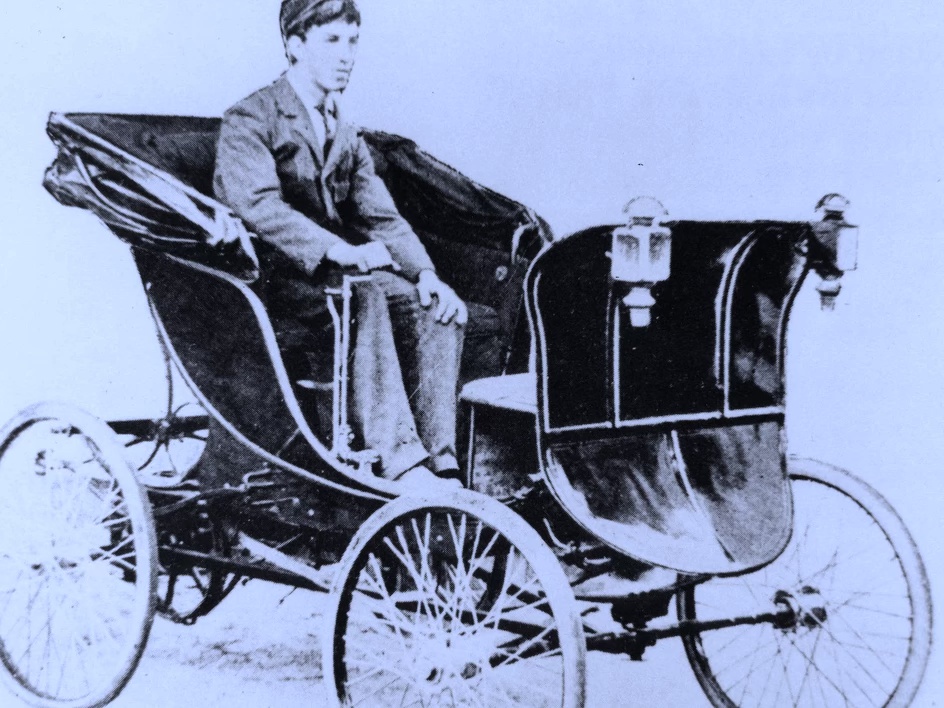


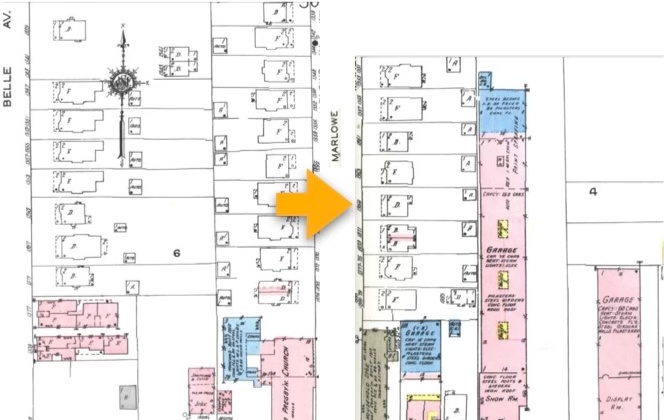
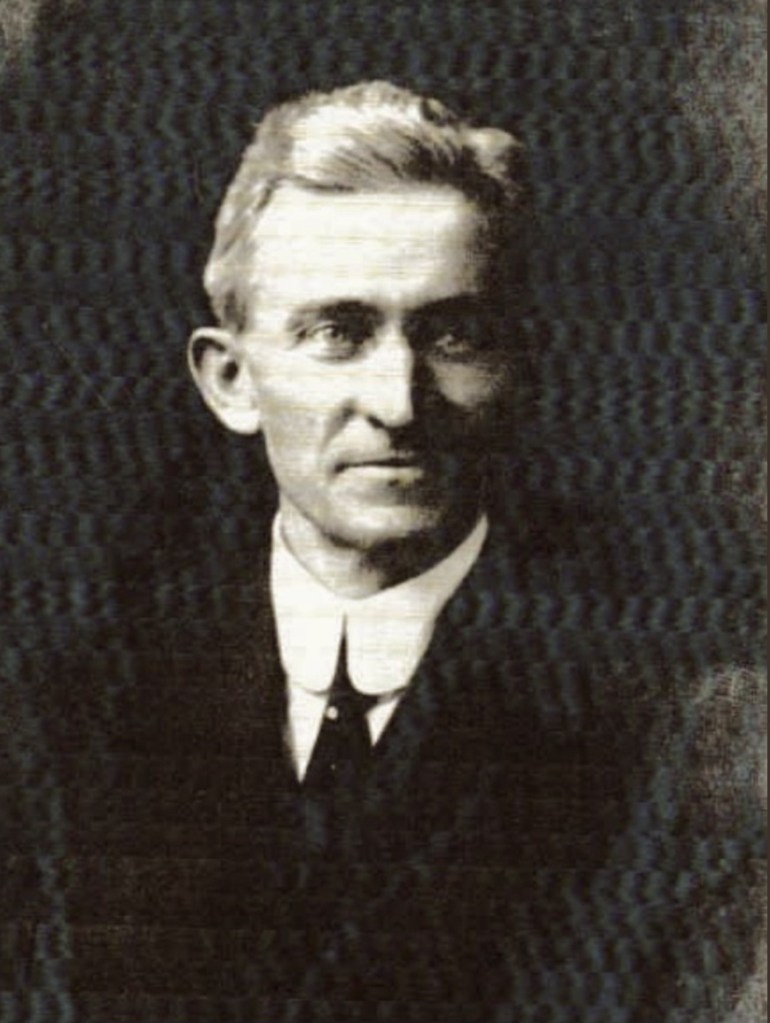
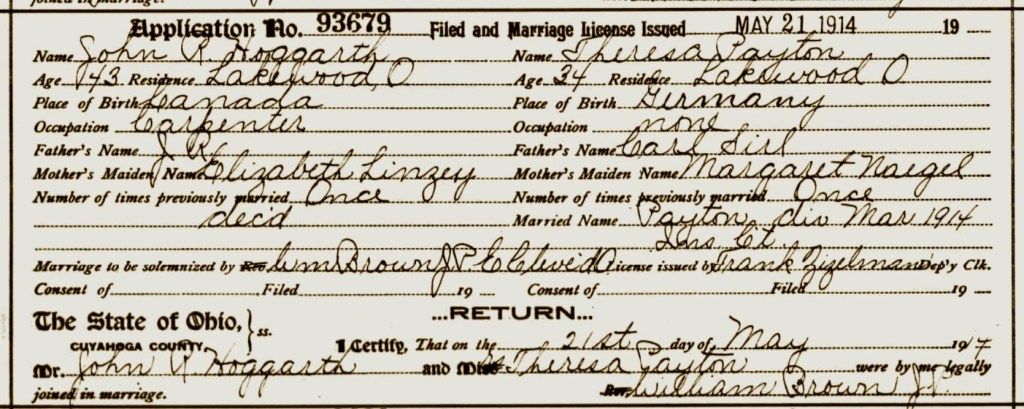
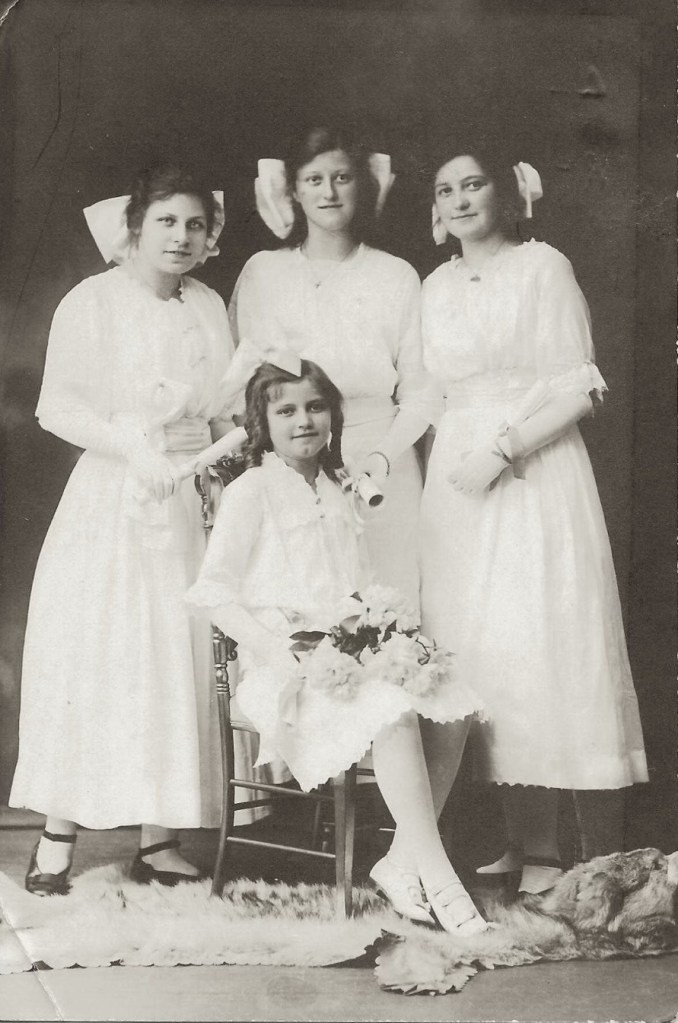
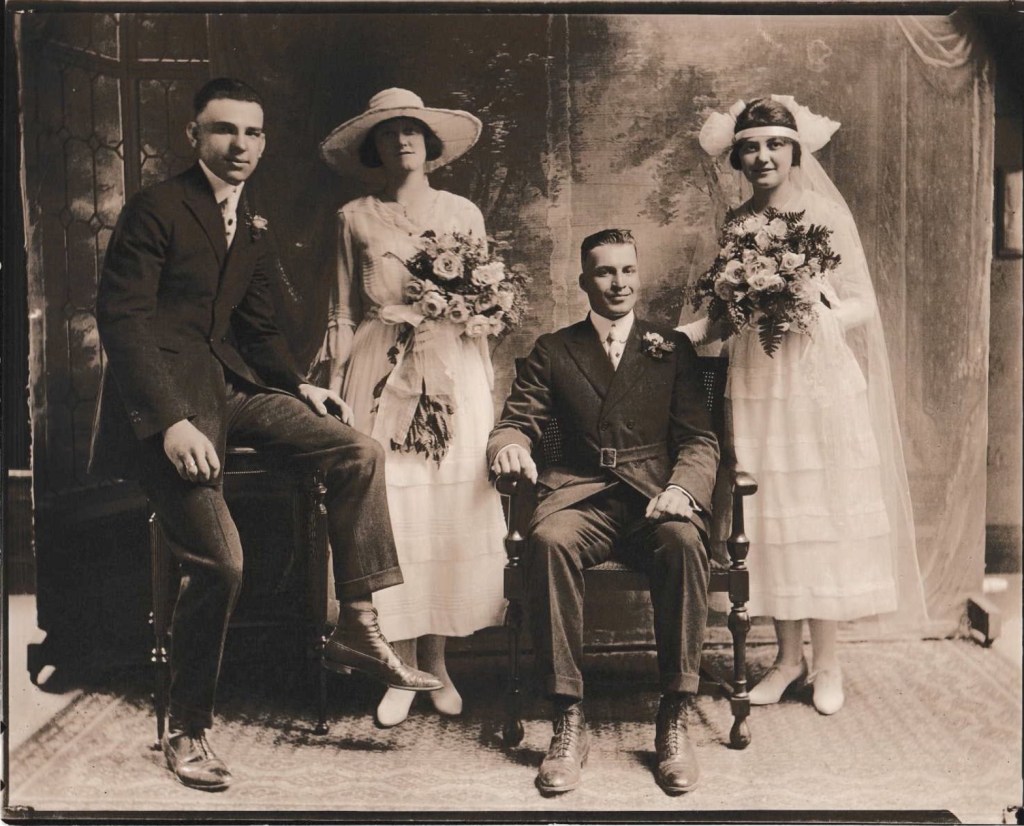


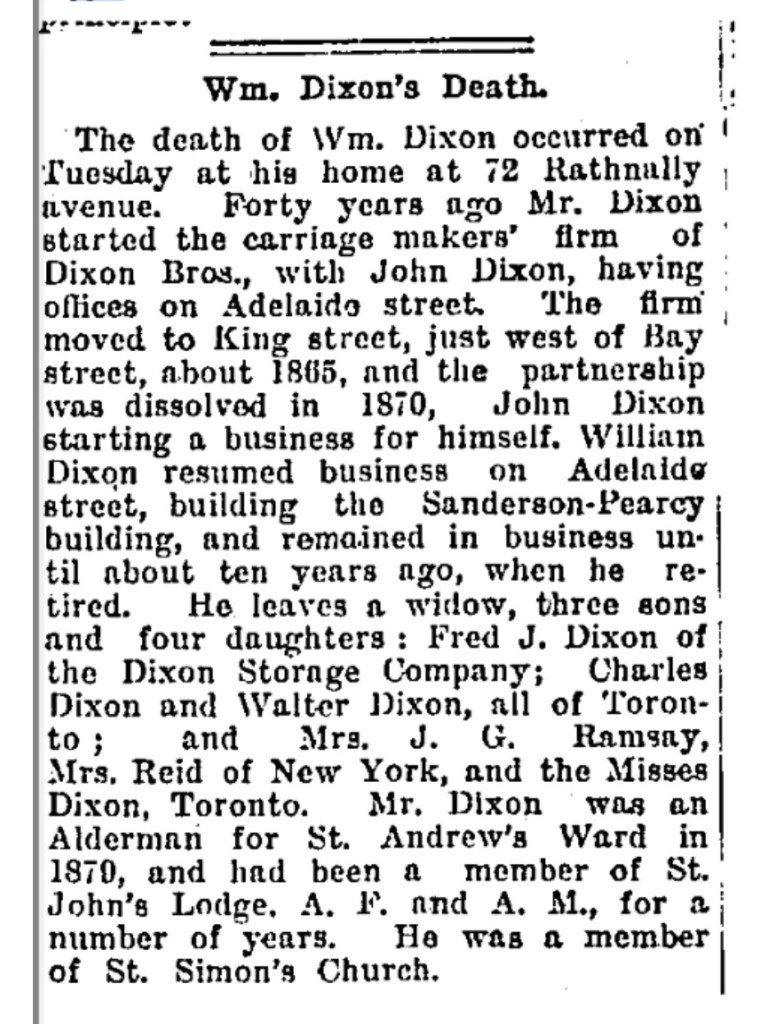
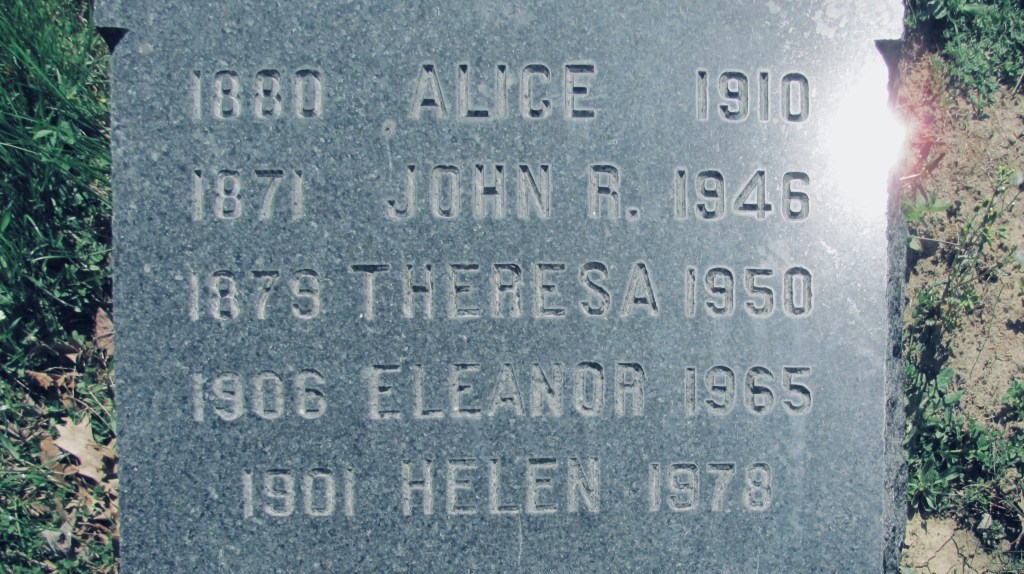
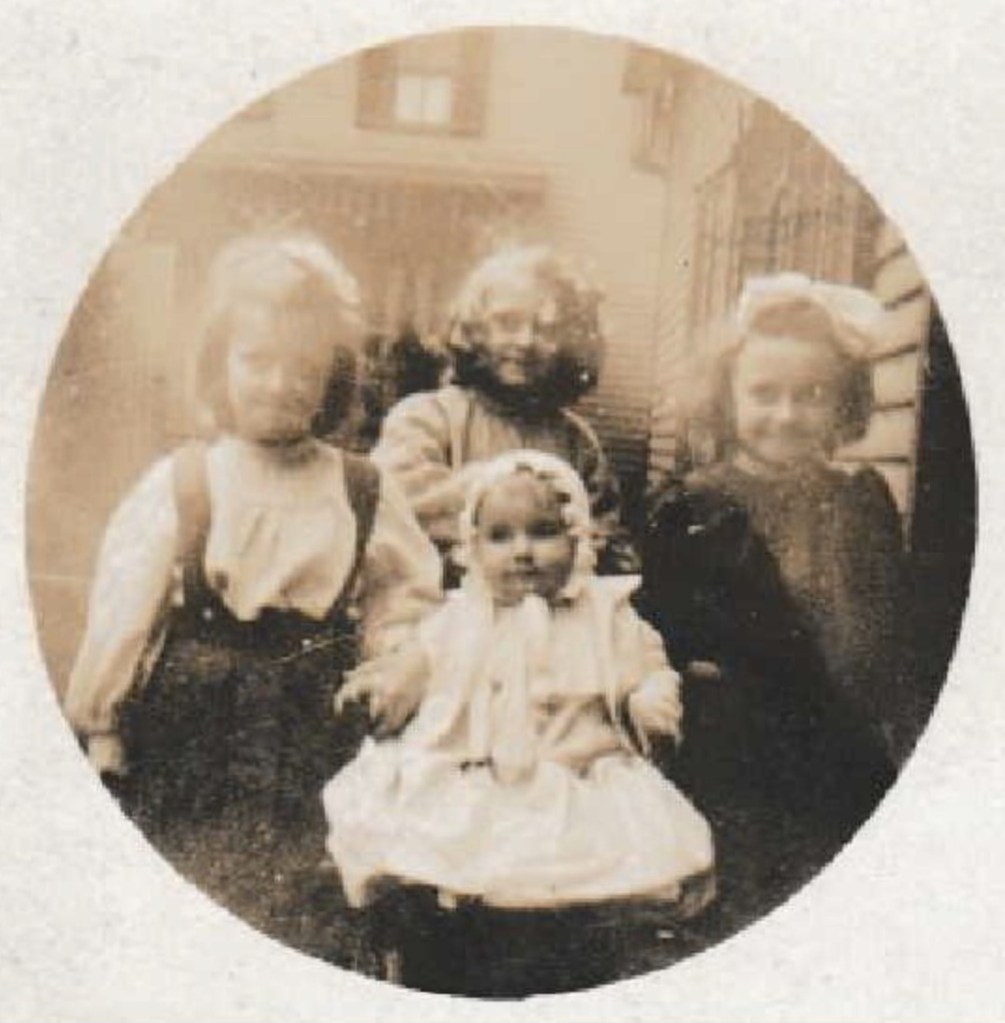

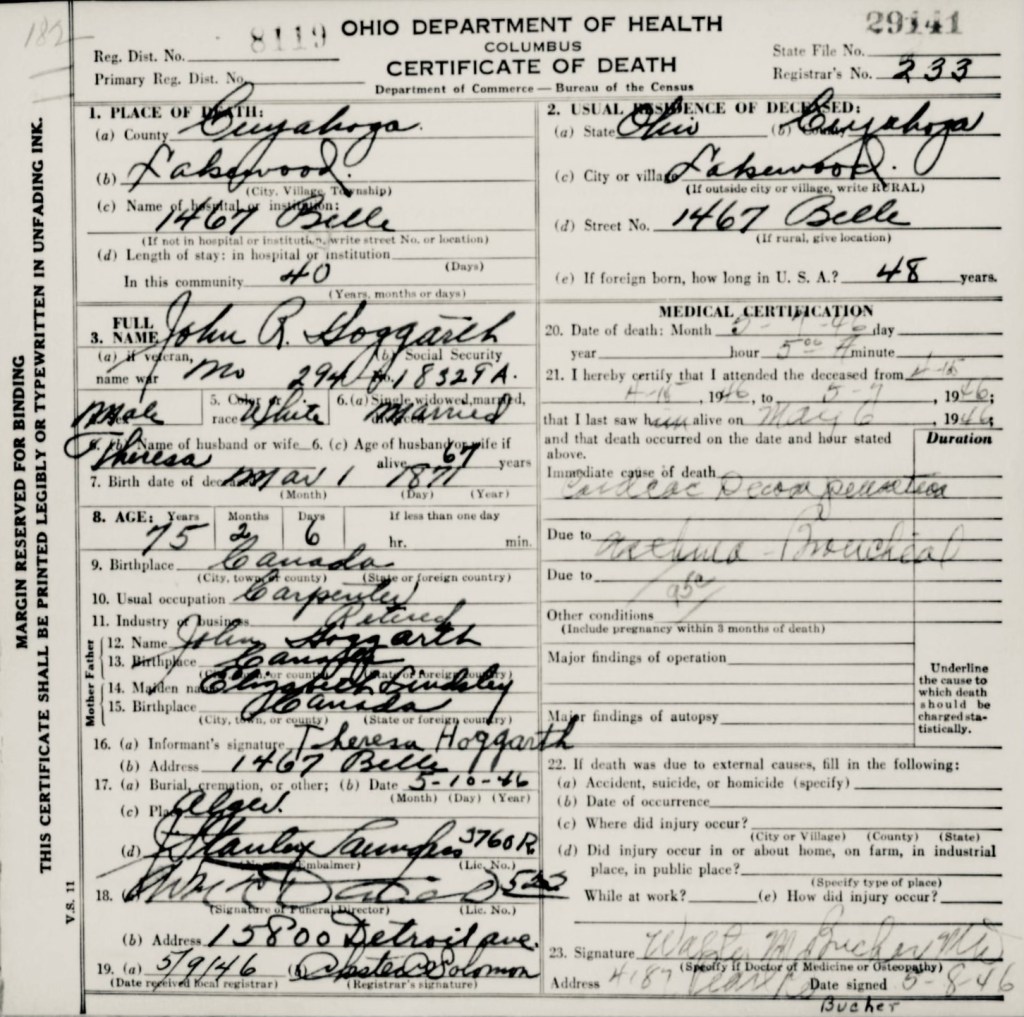


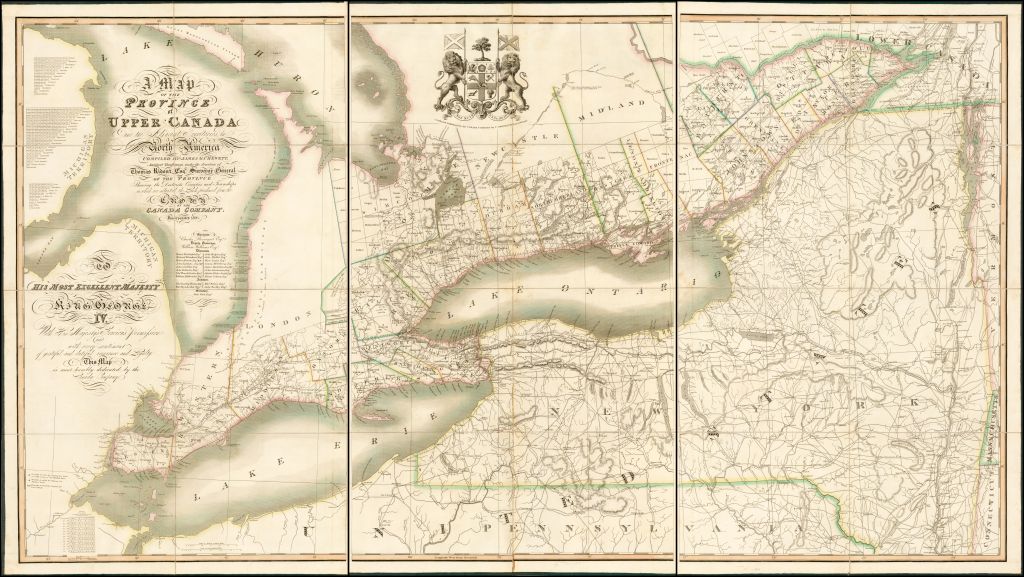


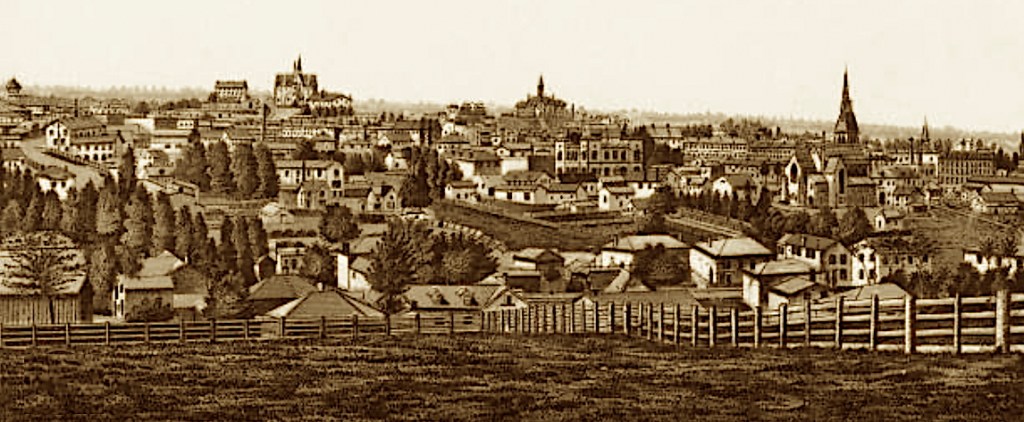


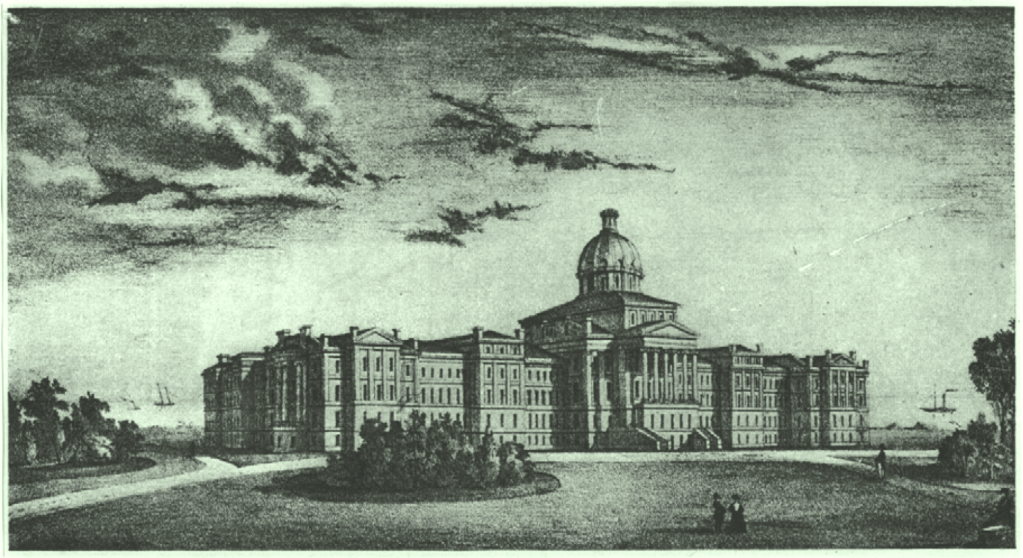
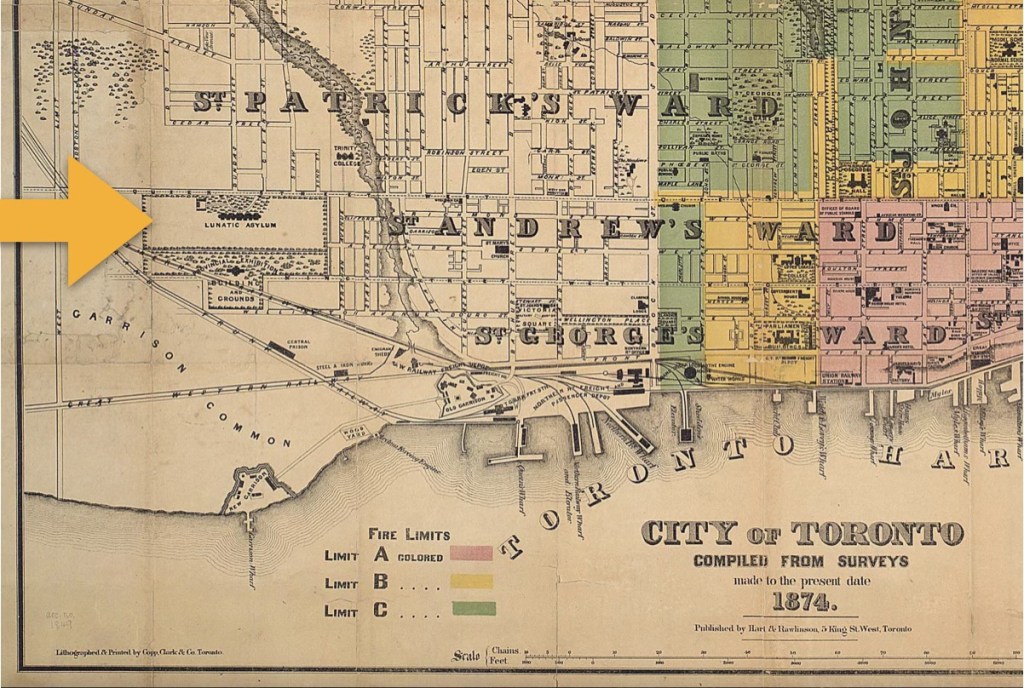




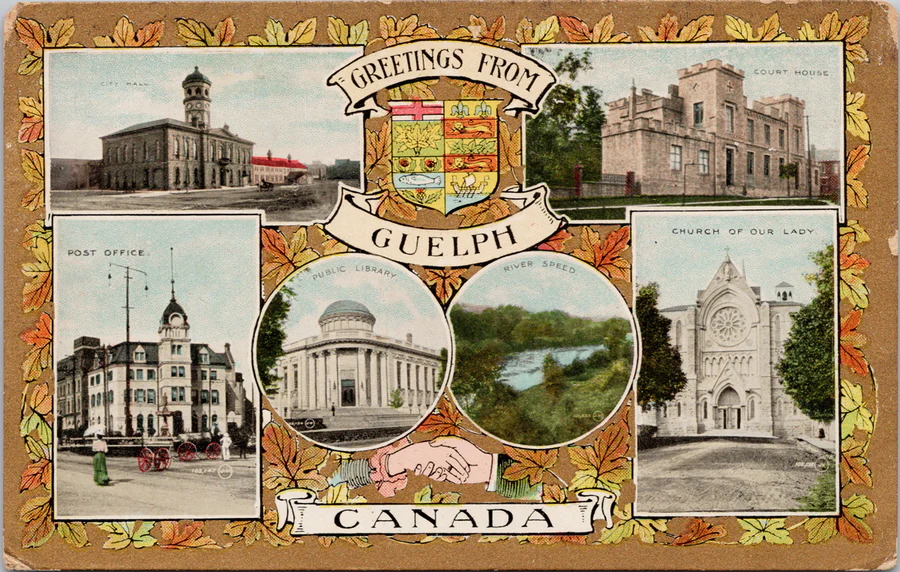
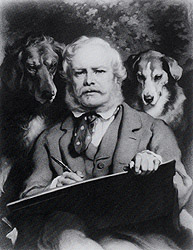


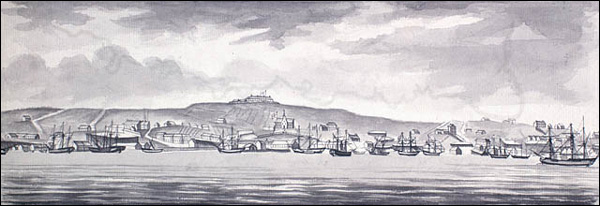

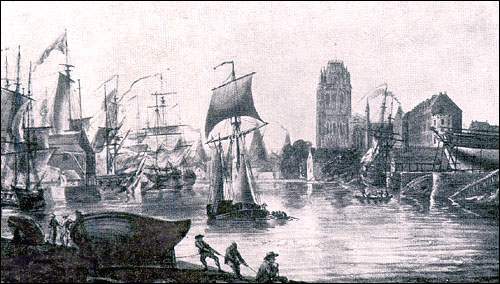
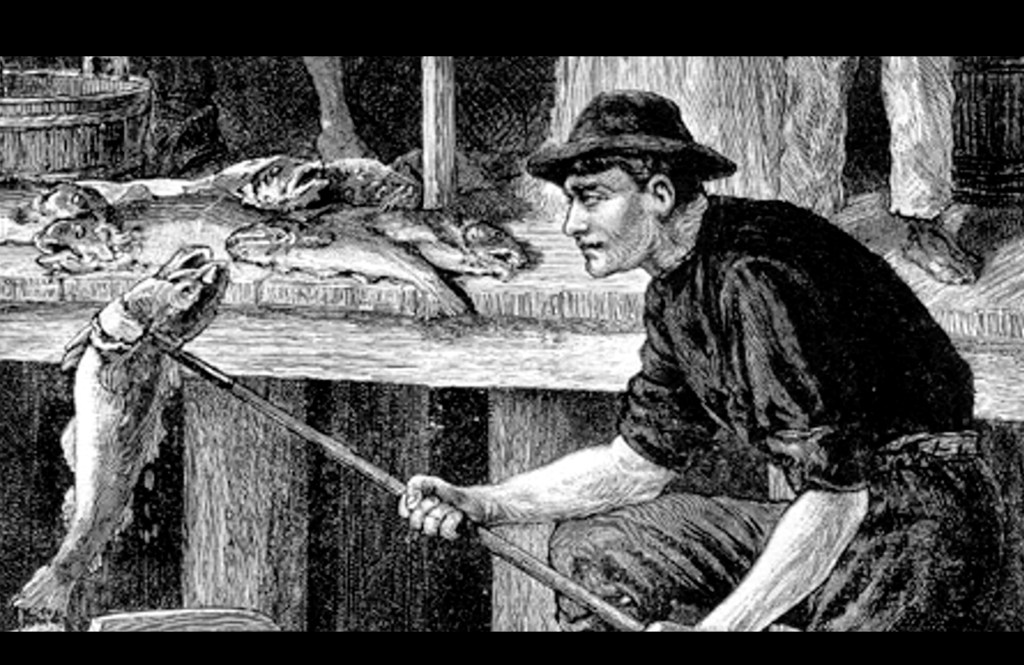


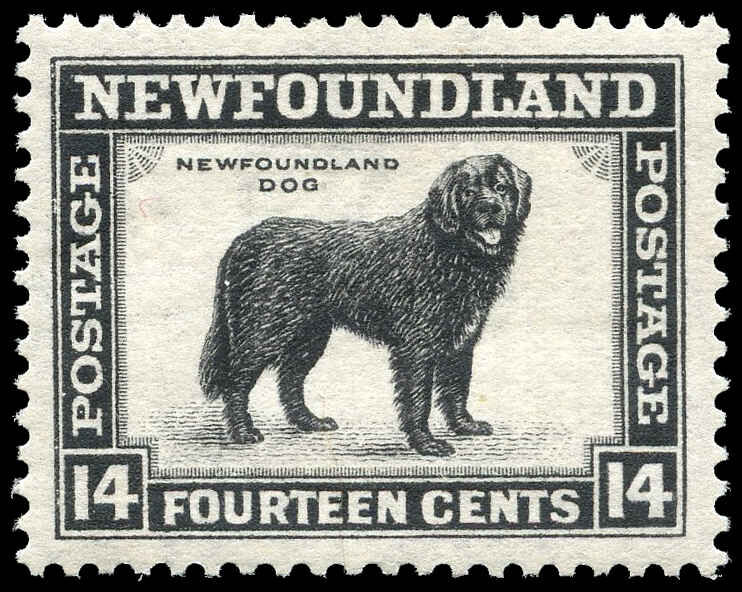
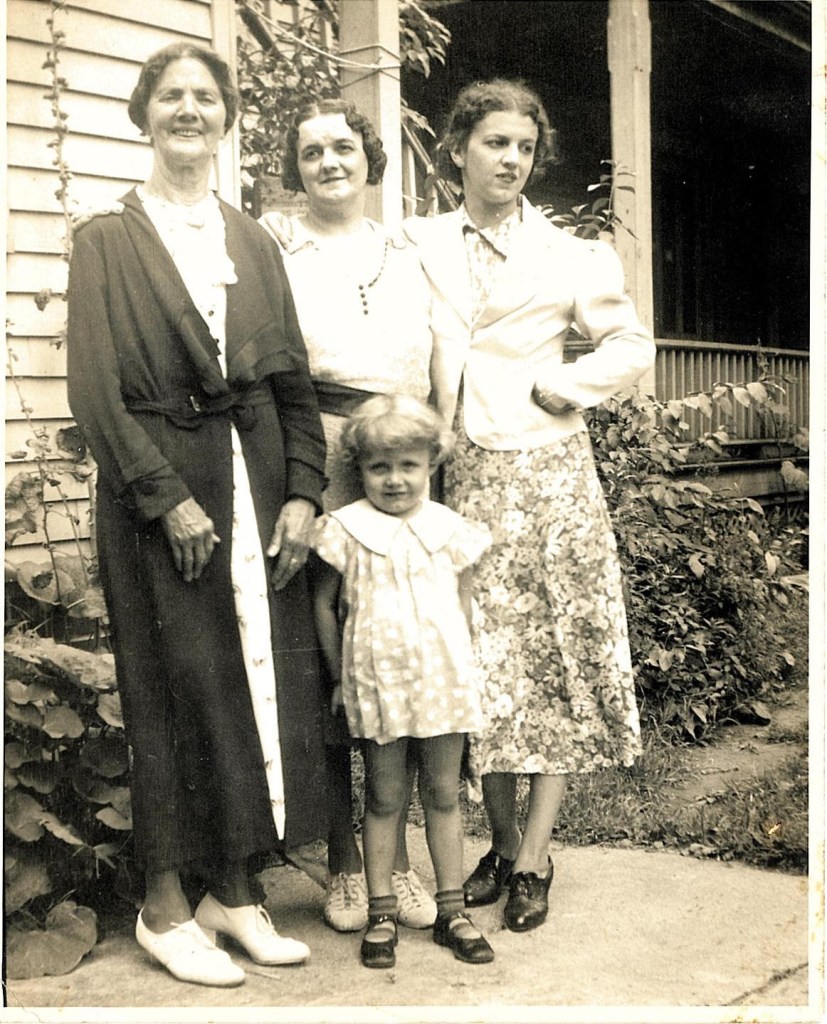

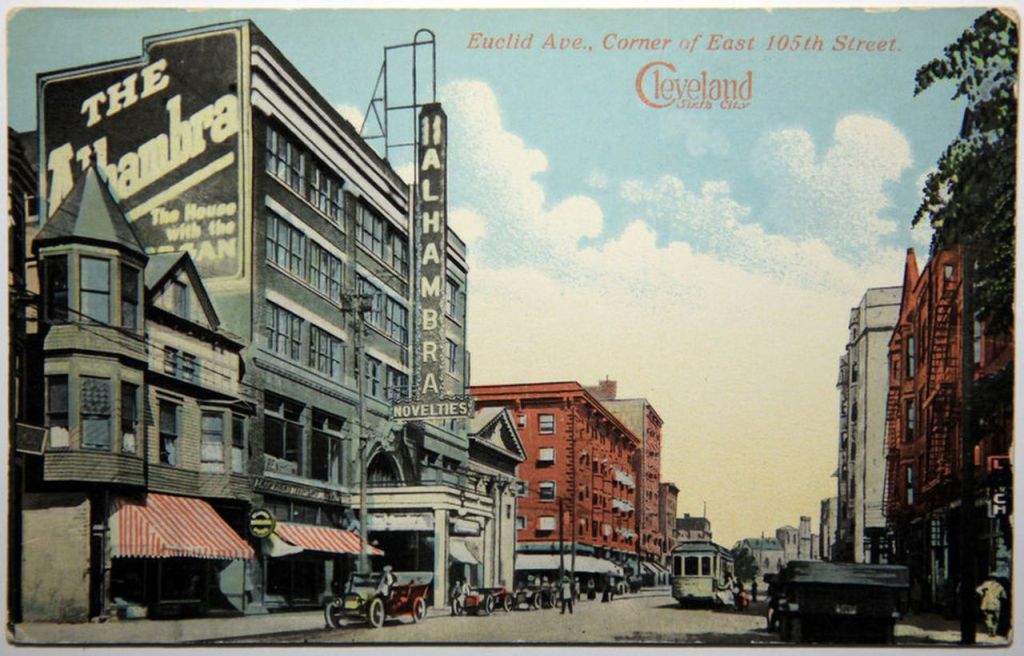


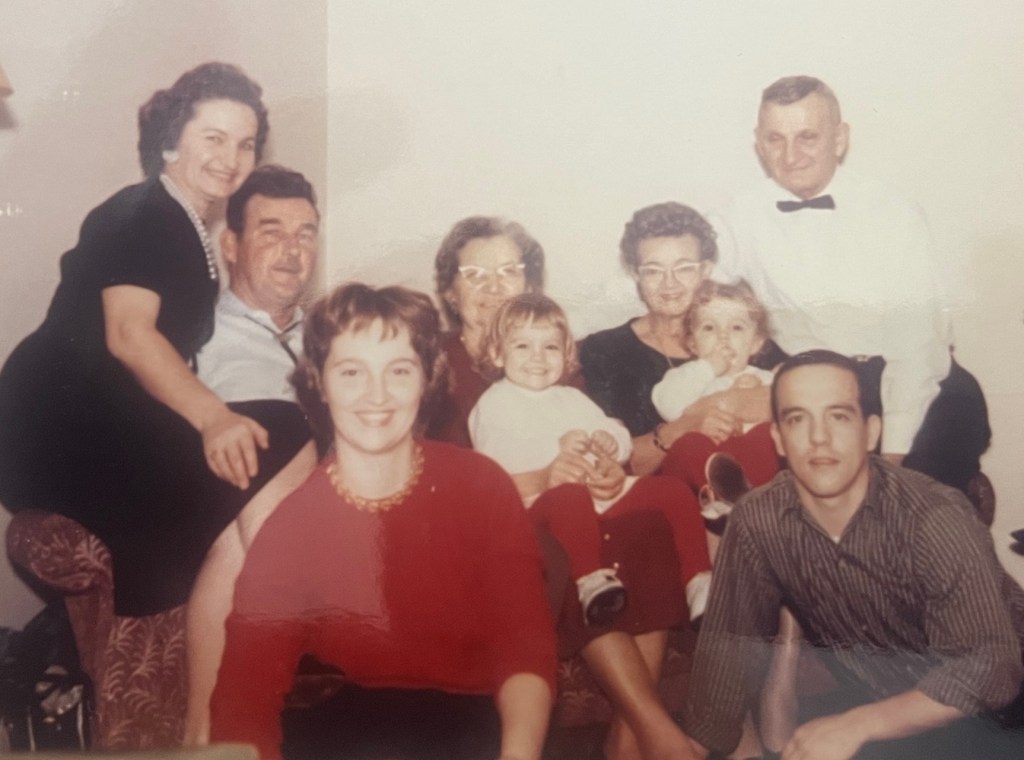


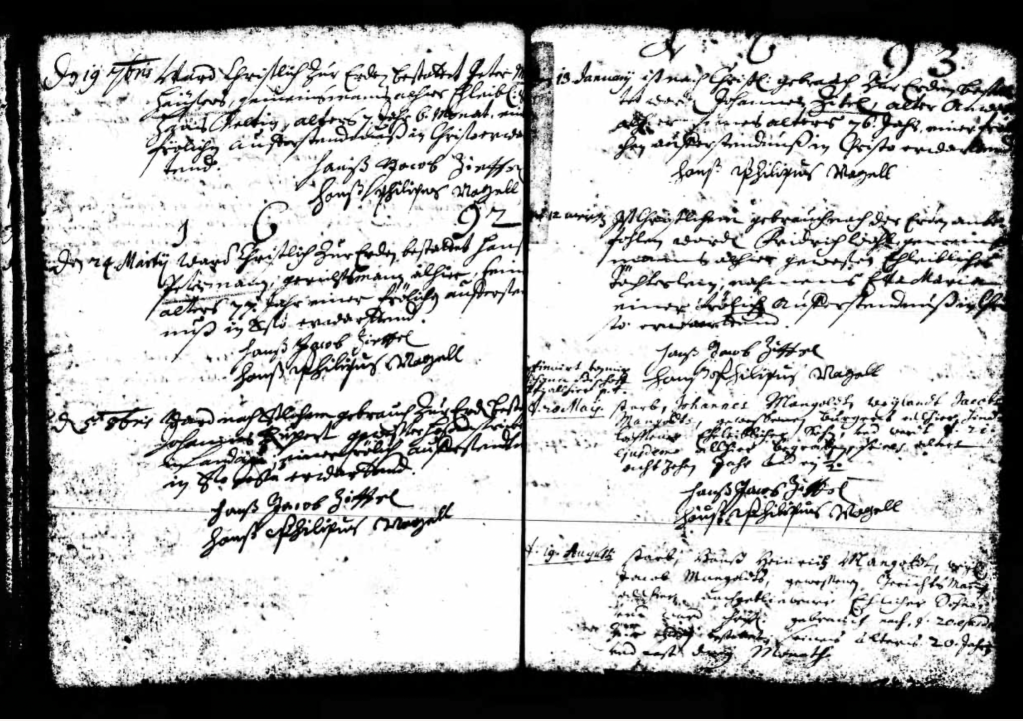


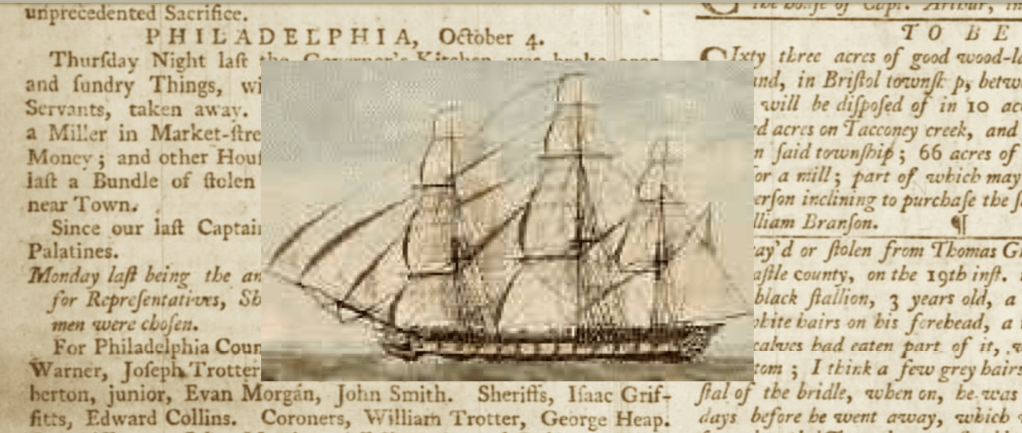
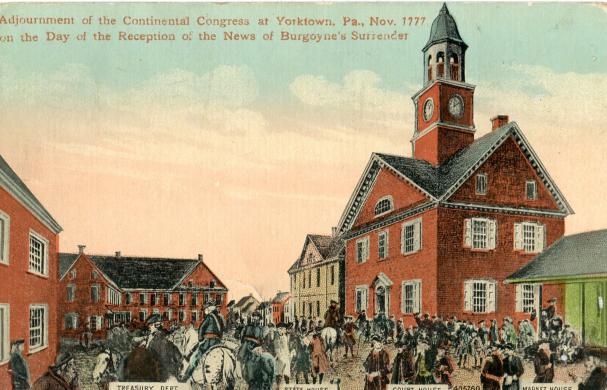
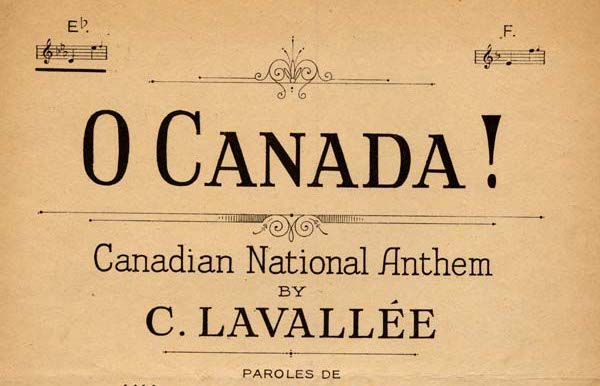


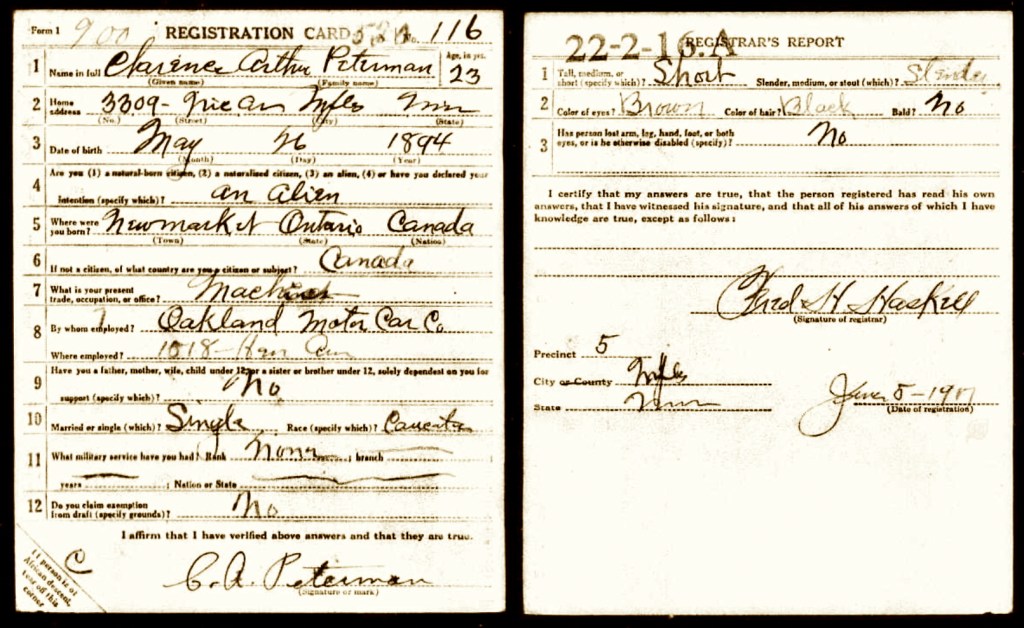
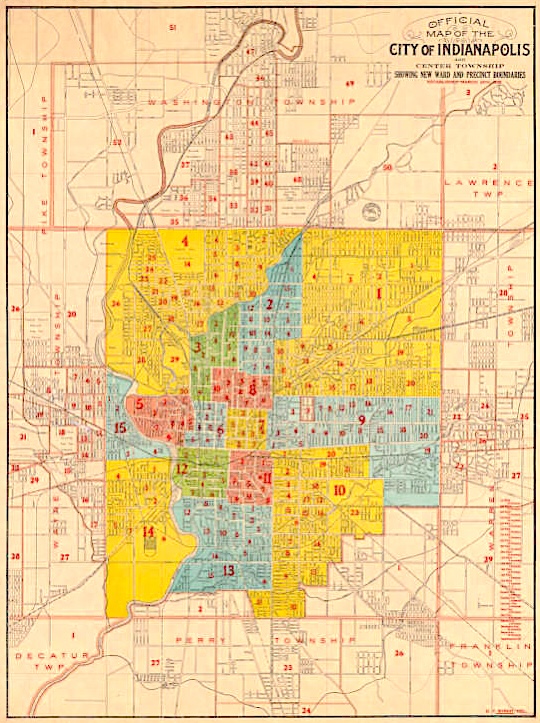
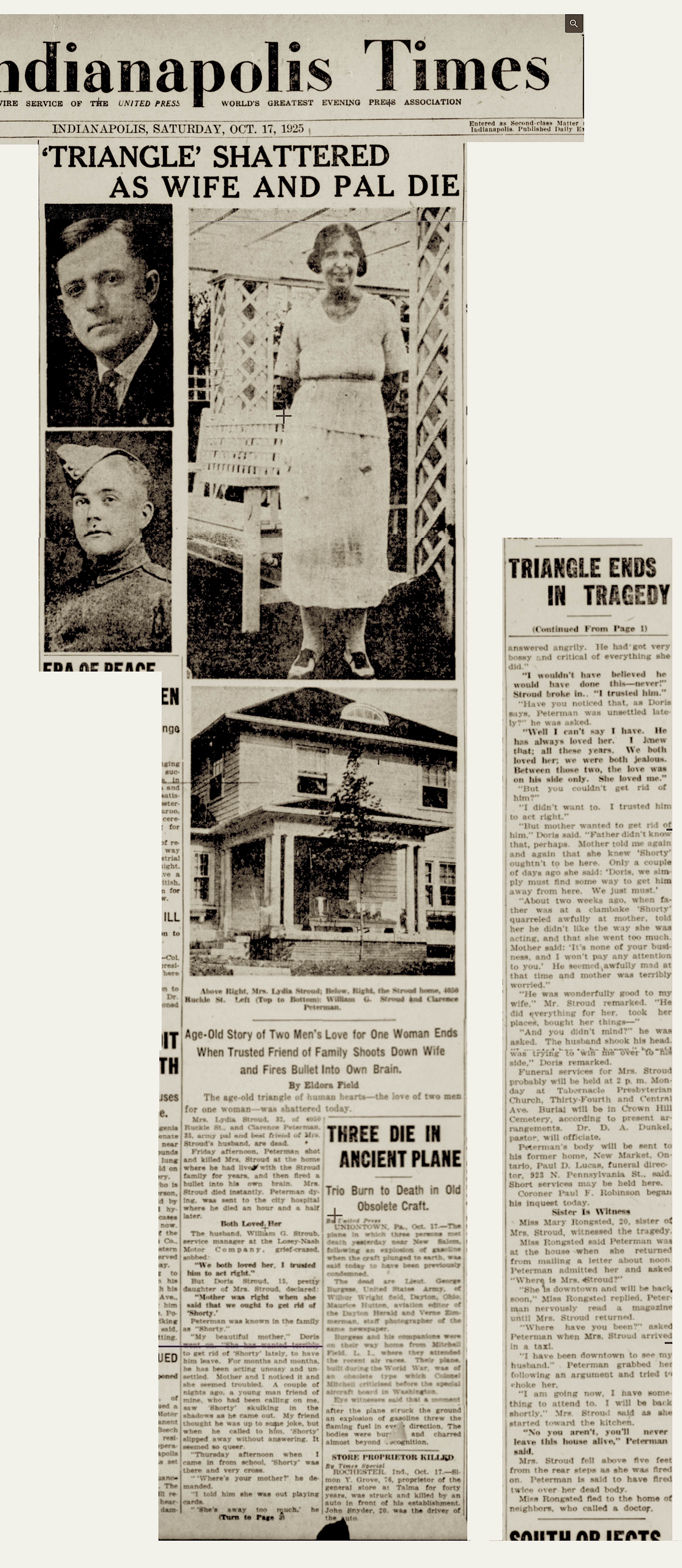


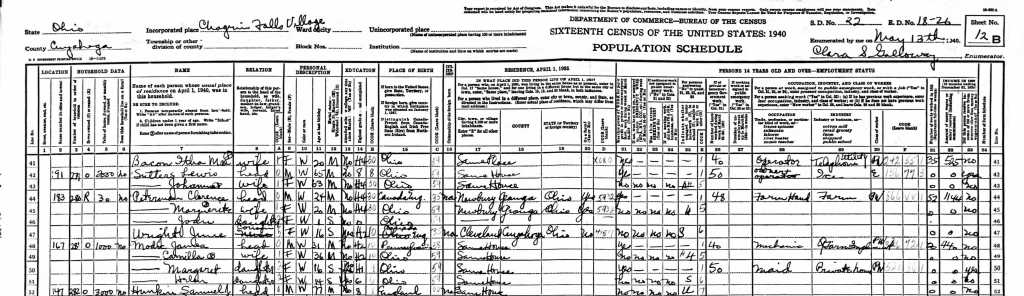


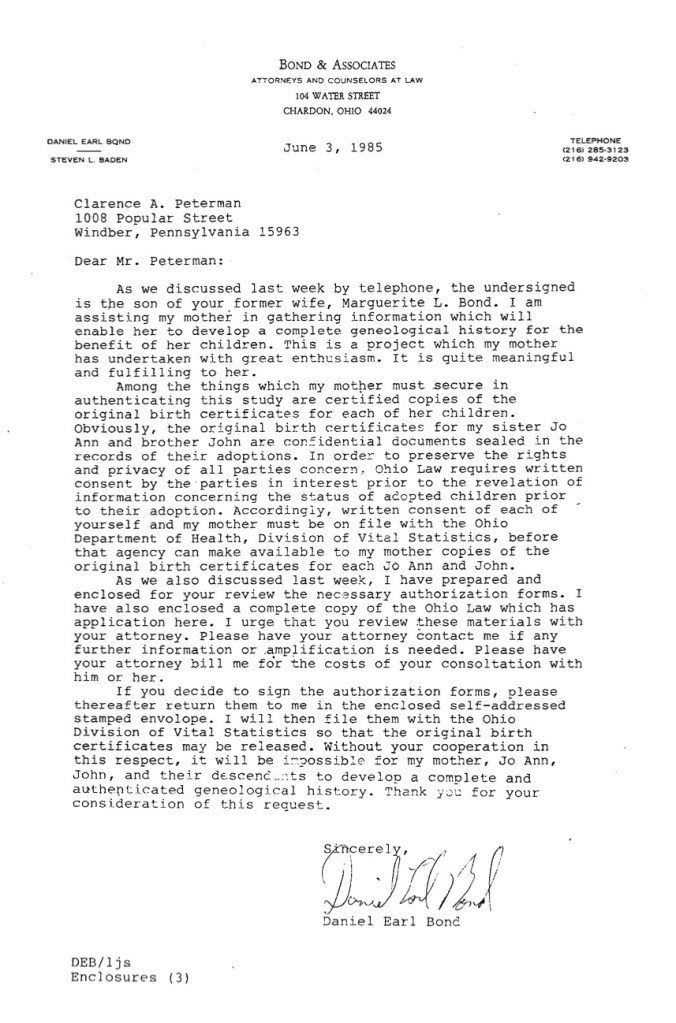
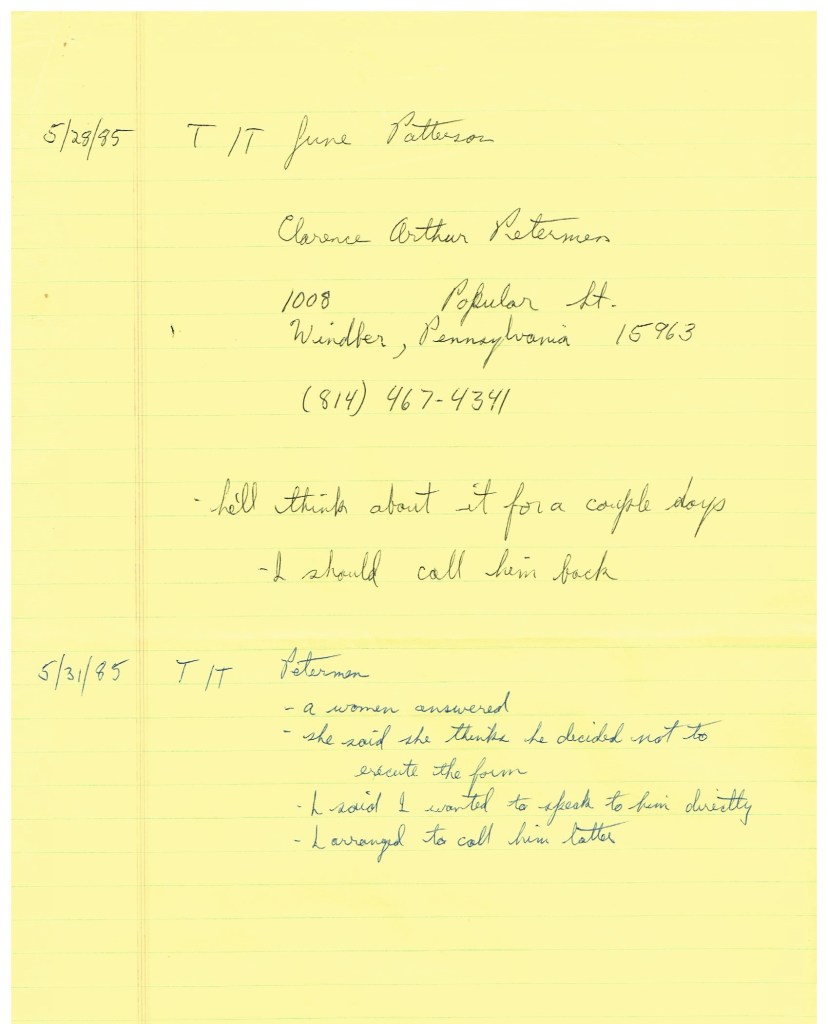
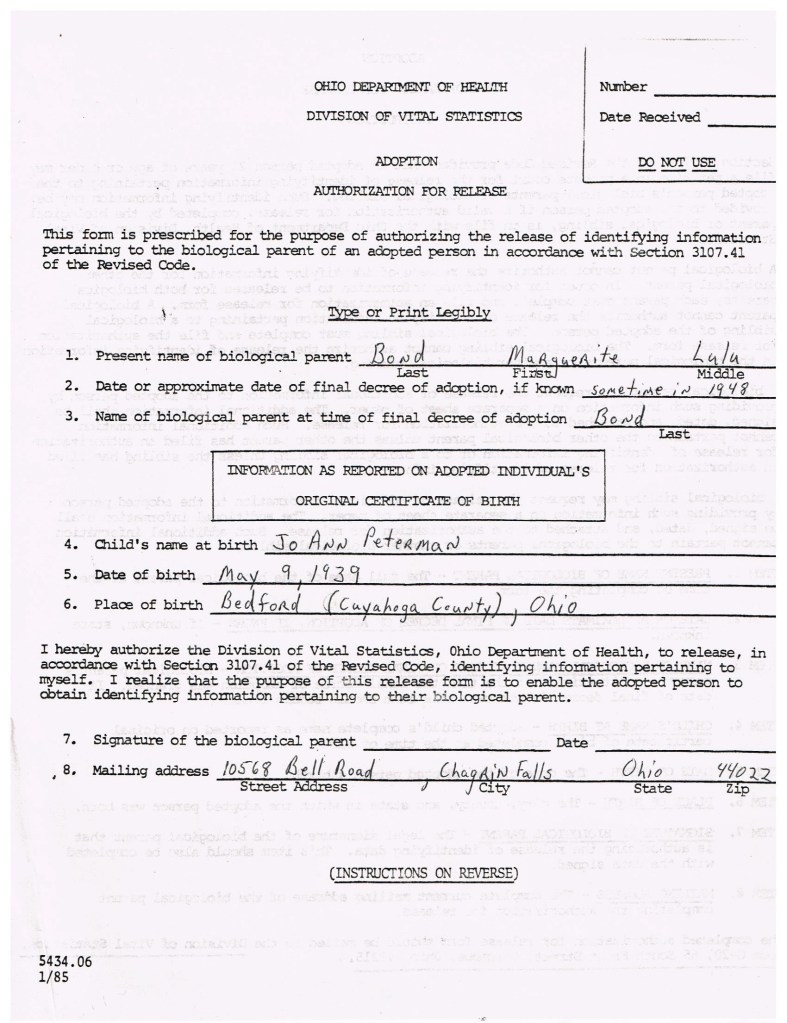

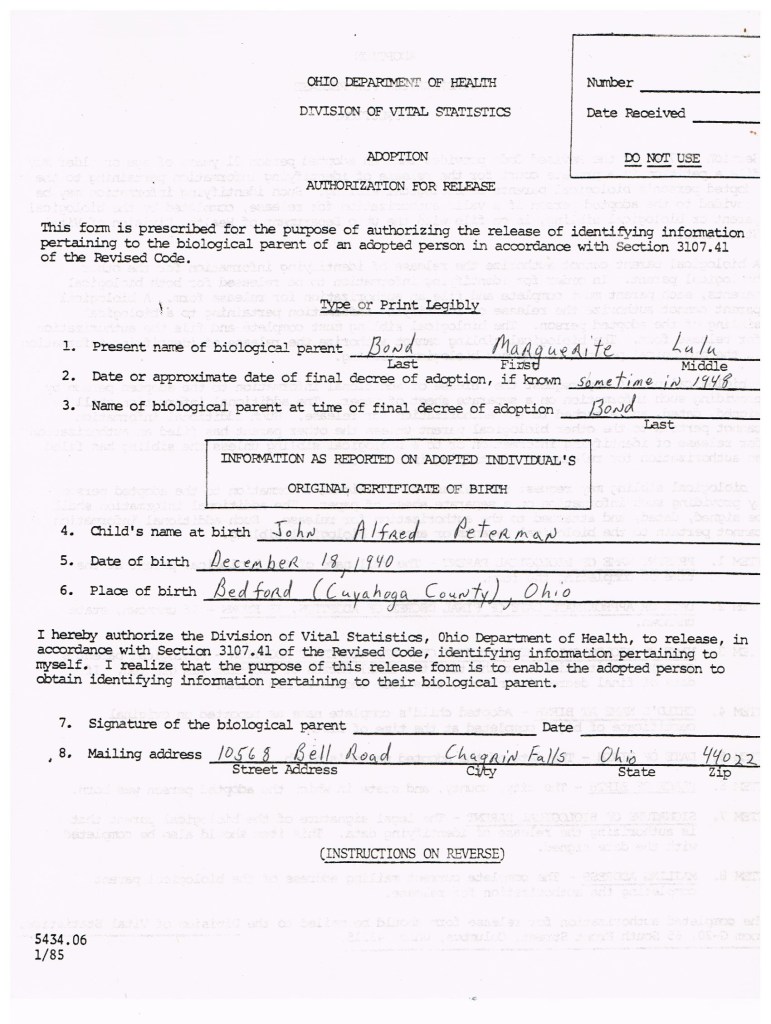
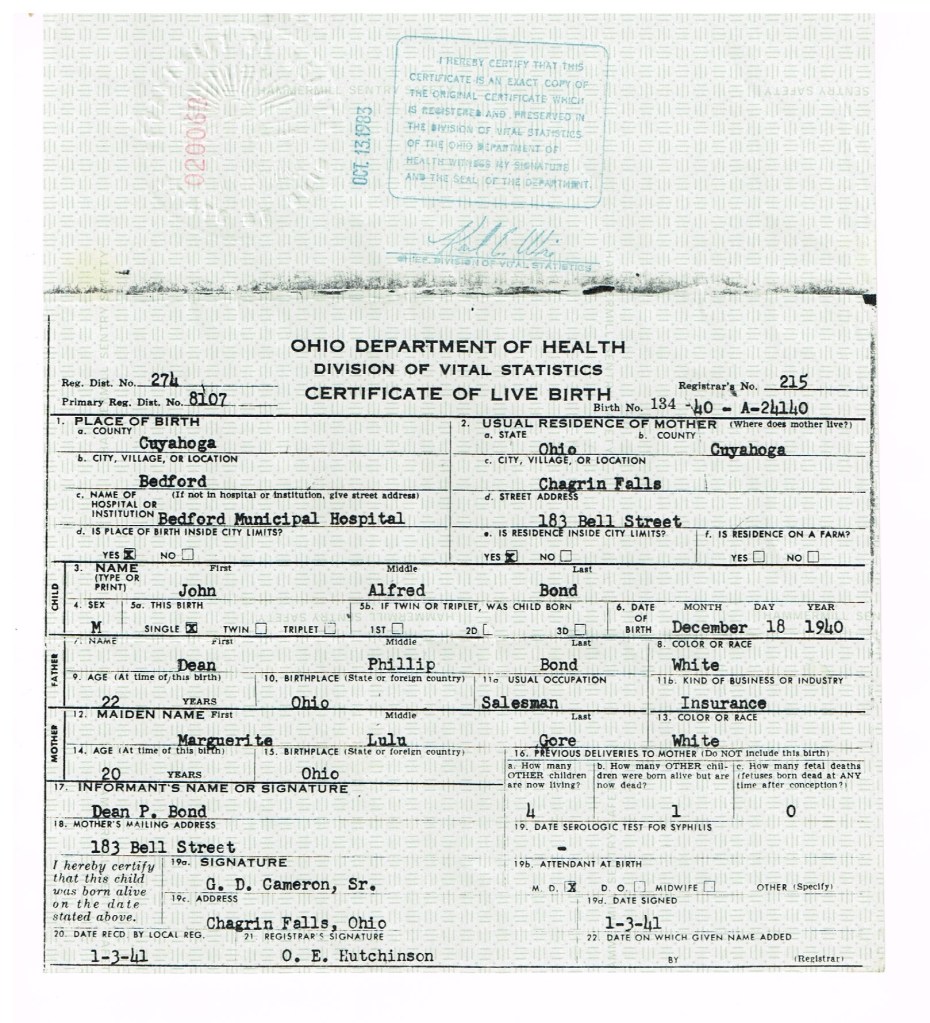
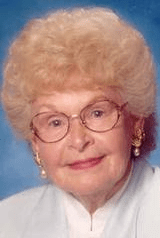
 Our Ancestors, Our Narratives
.jpg)
