This is Chapter Two of eight. The years we will be covering are a period of 375 years, from circa 1272 to circa 1644. We’ve observed that some historical records for our family are scant prior to 1272, and we believe that this is due to the long term after-effects of the Plague of Justinian.
In Part One we looked at the long history of the Comyn family in Scotland, England, and Ireland, ending with Lady Eleanor Comyn. Her story is foundational to our family history because she is the first ancestor from this period that we can locate in a specific place at a specific time. Note: A few ancestors preceded her, but we have records neither for their years, nor their locations.
Observation: Sometimes, we think we are lucky to be here at all! Her history begins circa 1355, right after the lingering finish for the period of The Black Death.
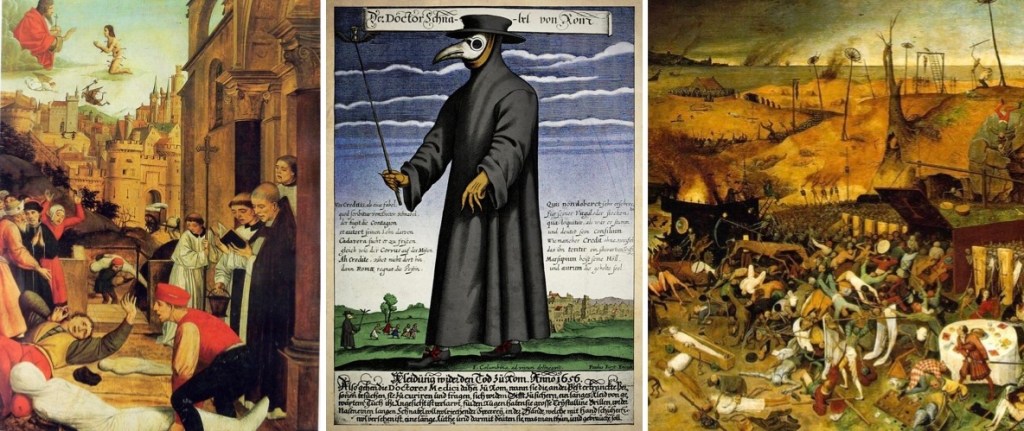
The Plague of Justinian and the Second Plague, aka The Black Death
The first plague, the Plague of Justinian in the 6th and 7th centuries is the first known attack on record, and marks the first firmly recorded pattern of plague. From historical descriptions, as much as 40% of the population of Constantinople died from the plague. Modern estimates suggest that half of Europe’s population died as a result of this first plague pandemic before it disappeared in the 700s.
The Black Death (also known as the Pestilence, the Great Mortality or the Plague) was a bubonic plague pandemic occurring in Western Eurasia and North Africa from 1346 to 1353. It is the most fatal pandemic recorded in human history, causing the deaths of 75–200 million people, peaking in Europe from 1347 to 1351. Although the plague died out in most places, it became endemic and recurred regularly.
OK — so that history is very sobering and grim. Let’s lighten up a bit and look into the name origins for both the surnames Gore and Gower. (1)
Who’s Behind Door Number 1, Door Number 2, or Door Number 3?
Surnames became necessary when governments introduced personal taxation (surnamedb.com). In other words, it became important to know peoples’ occupation and possessions for tax purposes.
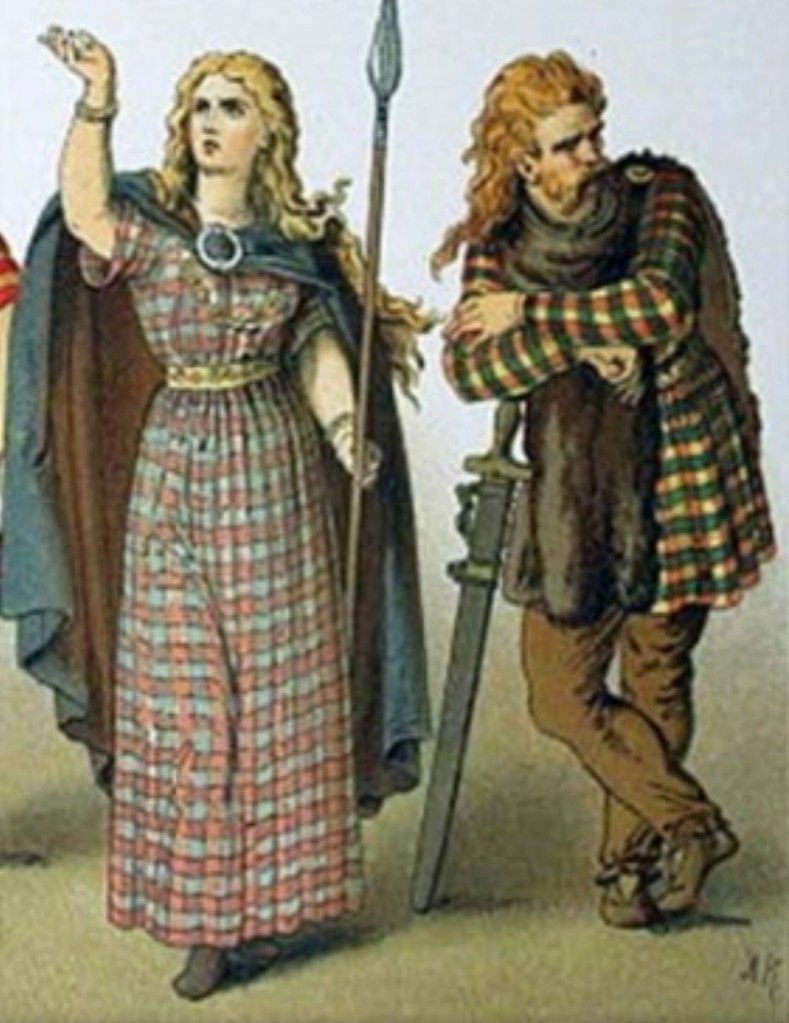
When it comes to understanding either the Gore surname, or the Gower surname, there are a dizzying amount of choices depending upon where you look. France, Germany, Wales, England… all of them contribute something to such a simple family name.
Let’s start with what either Gore, or Gower might mean. Many resources point to the belief that Gore describes a triangular piece of land:

Honestly, it doesn’t really matter if the family name of Gore / Gower came from one particular place. After a while, it’s like a bowl of Northern European soup where everything blends together into one tasty dish.
By the close of the 16th century, the spelling of the name in England had been formulated to that of Gore, although there were a few isolated exceptions. All of those bearing this name who came to New England, Maryland, and the Carolinas used the spelling of Gore. It seems that those coming to Virginia used the name Gore, as well as the variant spellings of Gower, Goar, Goare and Goore, probably due to lack of formal education not only by family members, but by those occupying positions at the church parishes and courthouses.

(Image courtesy of Leiden Medievalists Blog).
Finally here’s a unique file found at familysearch.com:
“French: from Old French gore ‘sow’ (a word of allegedly imitative origin, reflecting the grunting of the animal), applied as a metaphoric occupational name for a swineherd…” (2)
Some Notes As We Begin…
- When we are researching our ancestors we look at many samples of family trees, quite a few which have inaccurate dates for birth and death and sometimes mix up or add incorrect family members! [This is understandable when trying to find ancestors from long ago. A lot of research in very old documents and books have to be located and interpreted… even when written in Early English]. The Internet Archive and Google Books have been invaluable for our research. We reference them in the footnotes so that others can look at them there if interested.
- Then we begin the task of figuring out who is who, the approximate times they lived in, who they were related to, and where they lived.
- All births and deaths are in England, unless noted otherwise.
- The Gower family used the names Richard and Thomas for many generations. Don’t worry about being confused — it’s all sorted.
- For an understanding of Manor House estates from this era, please see:
The Bond Line, A Narrative — Two, under the subhead Slavery, The Feudal System, and the Manor System - For context, as the easiest way to understand the times within which our ancestors lived, we organize each section utilizing the various Houses of the English Monarchy.
We Begin in the Era of the Three King Edwards, 1272-1377

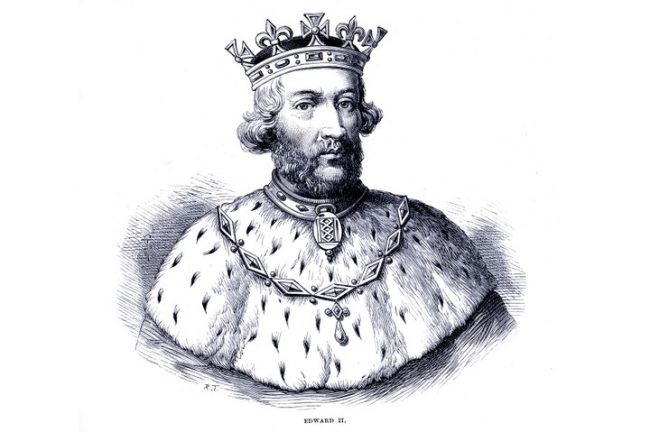

For this era, shown above are these Plantagenet Kings of England:
Edward I (reigned 1272-1307), Edward II (reigned 1307-1327), Edward III (reigned 1327-1377).
Richard 1, and Thomas 1
In the time of Edward I of England (reigned 1272-1307), genealogists have recorded that a man named Richard Gower (Richard 1) who lived in England. “A right ancient family whose pedigree is recorded in all the visitations…” taken from [The Landed Gentry by Burke]. We speculate that he may have arrived with William the Conqueror, but we do not have direct evidence of this. He had a son named Thomas Gower (Thomas 1), who married Margery.
Richard 2
In the time of Edward II (reigned 1307-1327), Thomas (Thomas 1) and Margery had a son named Richard Gower (Richard 2), named after his grandfather (Richard 1). This second Richard Gower married (unknown wife). In the time of Edward III (reigned 1327-1377), they had a son also named Richard Gower (Richard 3).

From 1337 until 1453: The Hundred Years’ War was a series of armed conflicts between the kingdoms of England and France during the Late Middle Ages. It originated from disputed claims to the French throne between the English House of Plantagenet and the French royal House of Valois. The Hundred Years’ War was one of the most significant conflicts of the Middle Ages. For 116 years, interrupted by several truces, five generations of kings from two rival dynasties fought for the throne of the dominant kingdom in Western Europe.
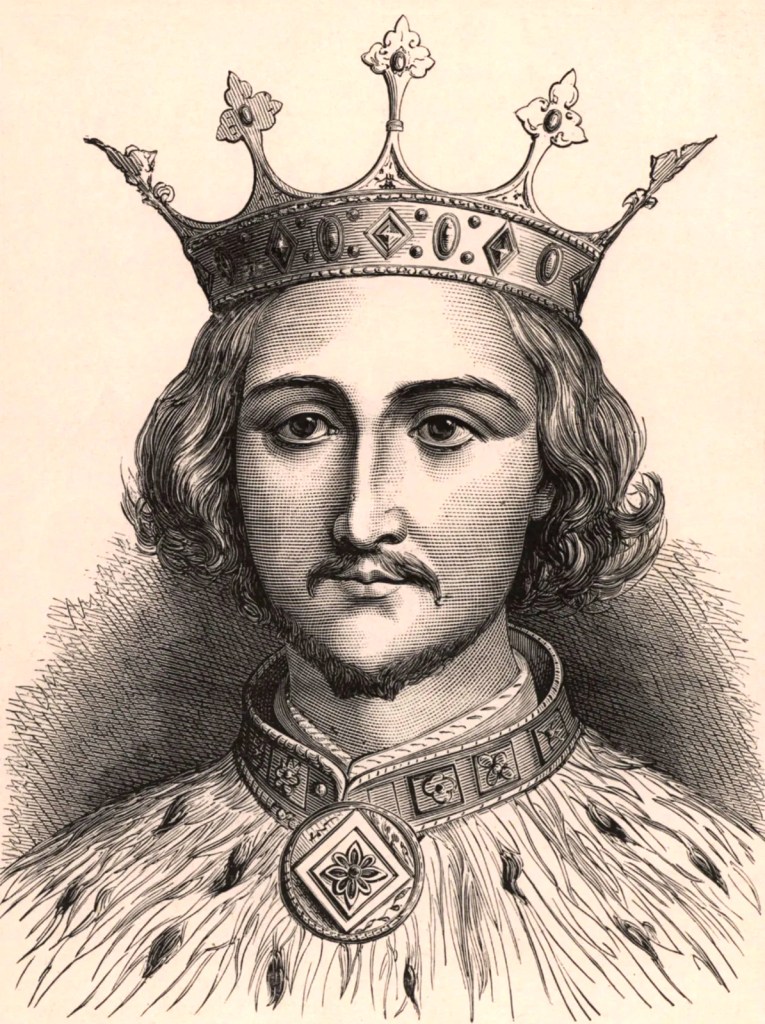
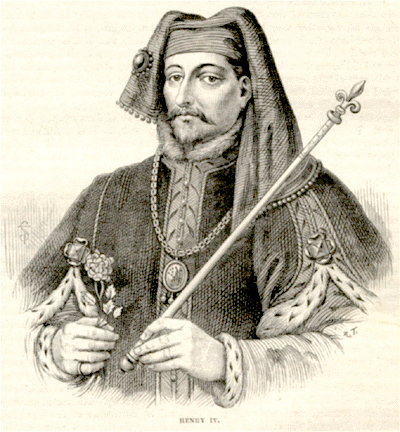

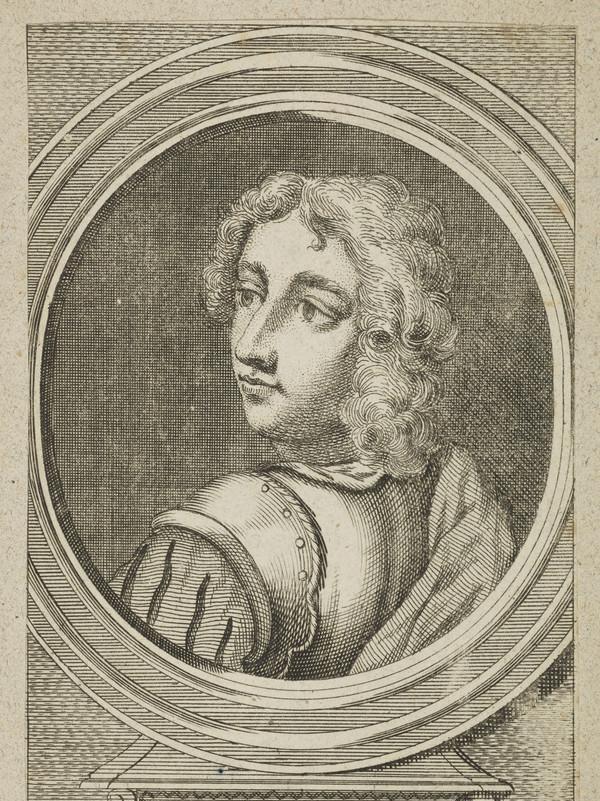
The next three succeeding Kings of England: The House of Plantagenet, Richard II (reigned 1377 – 1399), The House of Lancaster, Henry IV (reigned 1399 – 1413), Henry V (reigned 1413 – 1422).
Richard 3
Richard Gower (Richard 3) was born during the reign of Edward III – died (unknown date). He married Lady Elyanor Comyn, born (date unknown), from the Manor of Newbold Comyn, Warwickshire – died (unknown date). They had a son named Thomas Gower (Thomas 2) born during the reign of Edward III – died circa 1458.
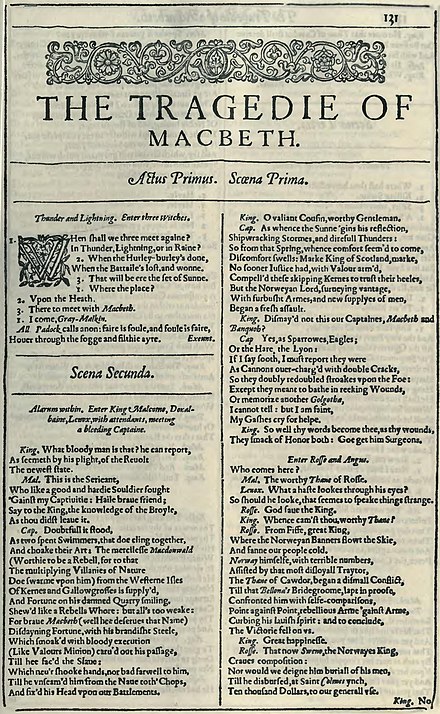
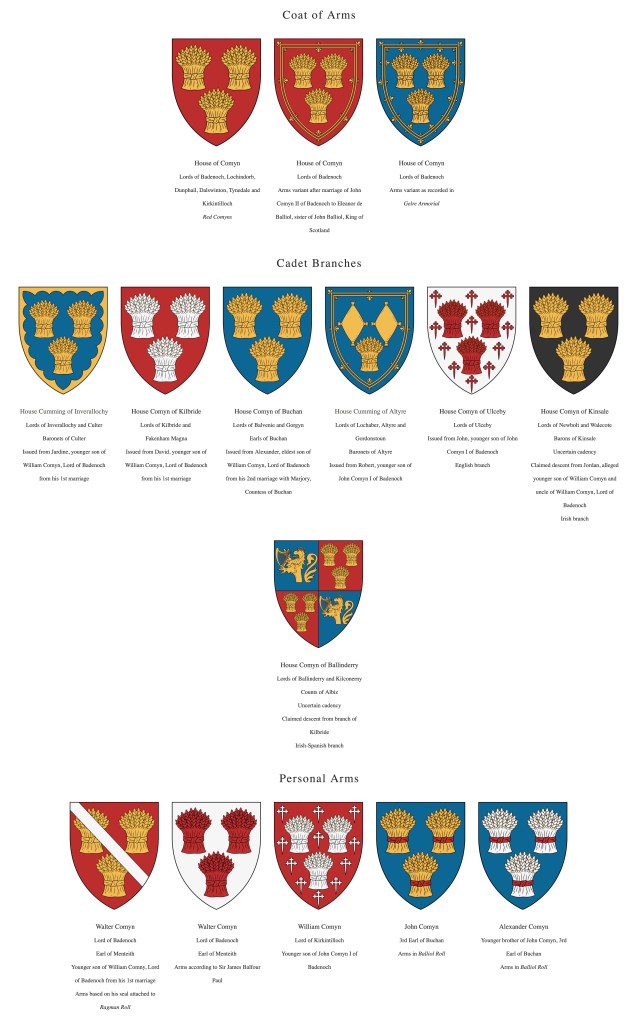
You will find in The Gore Line – One, a helpful narrative, with footnotes, about the Comyns in Ireland and England. It is from this family group that we believe our ancestor, Elyanor (Comyn) Gower emerges. Through primary source documents, The Antiquities of Warwickshire Illustrated and The Visitation of 1569, we found references to Elyanor Comyn of Newbold Comyn. There is no mention of her parents. Using the references The Irish Comyns, by E. St. John Brooks and Notes on the Comyn Pedigree, by David Comyn we learned how, through the marriage of Elias Comyn and Joan, the location became known as “Newbold Comyn”. In the Antiquities of Warwickshire Illustrated, we found the following passage: “for it appears that in 8 H (Henry VIII) the moytie [one-half of the property] of this Mannour, with the moytie also of Poston-Underhill were past away by Robert Dineley, cosin [cousin?] to the said Elene, and Joan his wife, to Thomas Gower of Woodhall and his heirs”….
Since we do not have the date of this dealing other than the reference to Henry VIII, the Thomas Gower that was involved was most likely Thomas, second son of Thomas 6 and Anne (Washbourne) Gower and the 4th great-grandson of Elyanor (Comyn) Gower. We are left to speculate on why Thomas Gower stepped in and purchased one-half of the Manor of Newbold Comyn.

by Sir William Dugdale, 1605-1686, page 295.
Thomas 2
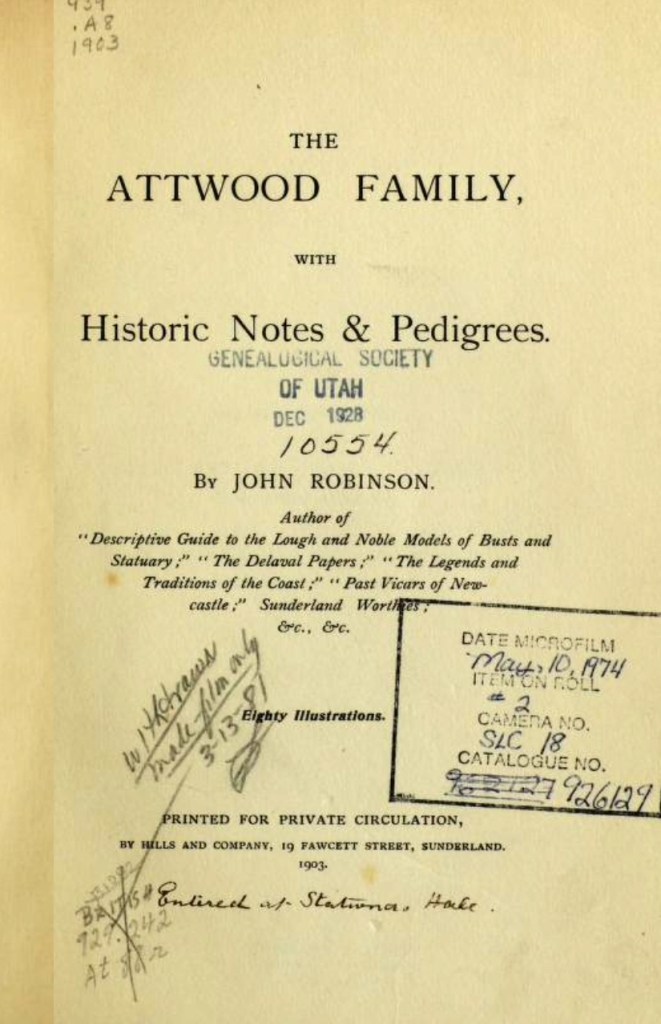
Thomas Gower (Thomas ) married Katherine Ward. Katherine was born (unknown date) – died (unknown date). They had two sons, Thomas Gower (Thomas 3) born circa 1375- died (unknown date), and Nicholas (dates unknown). Burke’s Landed Gentry describes Thomas 2 thus “resided at Woodhall in Norton juxta Kempsey co. Worcester, which is described by Habingdon as “Woodhall in Norton the fayre seat of the Gowers”. Thomas 2 served as the Escheator of Worcestershire during the reign of Henry V (reigned 1413-1422). (The medieval English escheator was a royal official who seized the goods and chattels of felons, fugitives and outlaws for the crown’s benefit.)
Thomas 3
Thomas Gower of Woodhall (Thomas 3), was born circa 1375 in Woodhall, Worcestershire – died before 1431, in the same place. He married circa 1395 Lady Katherine, daughter of John, the Third Lord Sutton of Dudley. She was born circa 1380 – died circa 1431 in Woodhall. In the time of Henry VI (reigned 1422-1461 and 1470-1471), they had a son named Thomas Gower (Thomas 4).
Thomas 3 was also an Escheator of Worcestershire: Excerpted from British History Online— “Thomas Gower, escheator of Worcestershire in 1419-20, settled it (Woodhall) in 1410 upon himself and his wife Katherine, in whose right he appears to have held it… She was, according to a pedigree of the Gower family given in the Visitation of Worcestershire, 1569, a daughter of Lord Dudley… Habington mentions that he has seen in a book of the bishopric of Worcester the Lady Dudley called lady of Woodhall… Thomas Gower died before 1431, and his widow married John Finch, who is called ‘of Woodall’ in 1431.”

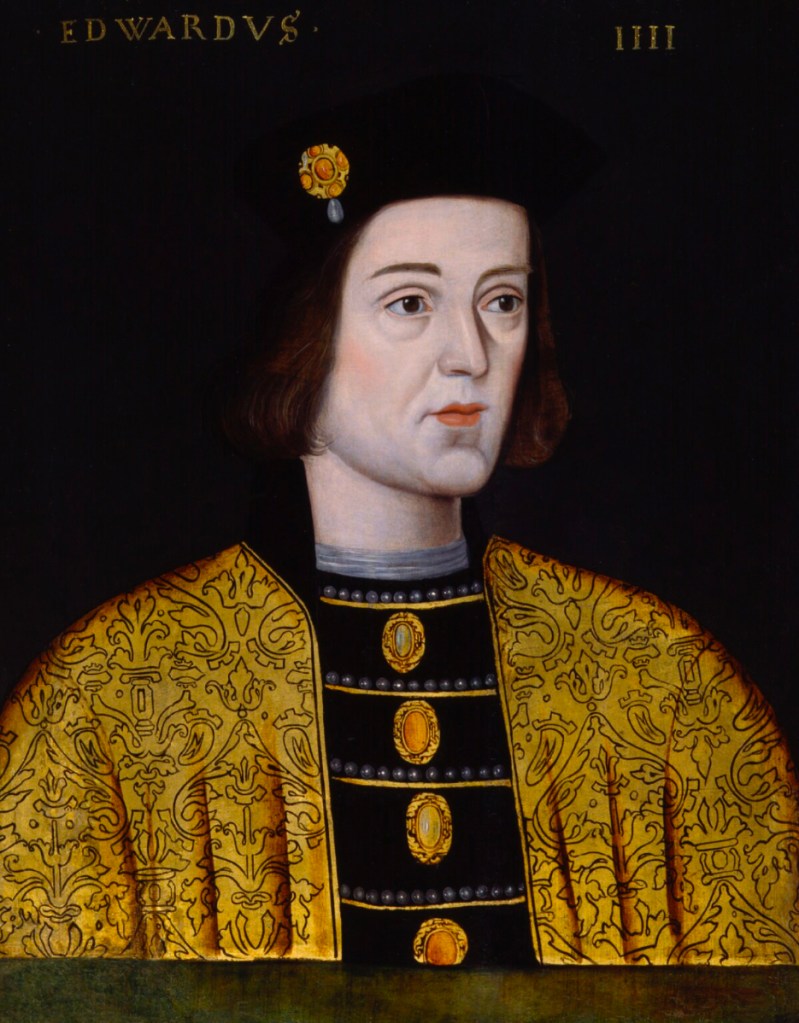
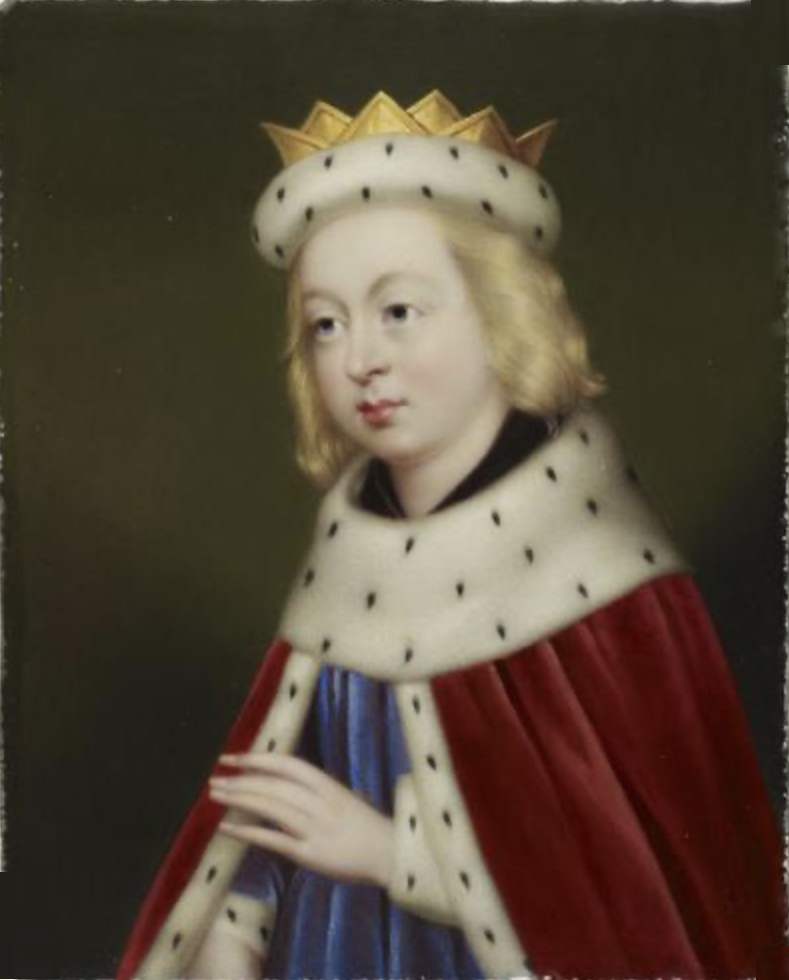
The House of Lancaster, King Henry VI (reigned 1422-1461 and 1470-1471), The House of York, King Edward IV (reigned 1461 -1470 and 1471 – 1483), King Edward V (reigned 1483).
Thomas 4
Thomas Gower (Thomas 4), Lord of the Manor of Crookbarrow and Woodhall, was born circa 1398 – died circa 1440. He married Alice, daughter of John Attwood of Northwick, Worcestershire in 1422. She was born (unknown date) – died circa 1470 in Worcester, Worcestershire. They had a son named Thomas (Thomas 5).

Thomas Gower 5 was born in the time of King Henry VI (reigned 1422-1461 and 1470-1471). He had five brothers.
- Thomas 5 (We are descended from Thomas 5).
- Richard
- Robart
- William
- John
- Humfrey

Sir Thomas Gower (Thomas 5) Lord of the Manor of Woodhall, married circa 1470 Lady Anne, daughter of Lord Norman Washbourne of Stanford, Wichenford, Worcestershire, and Margaret Lepoor, Heiress of Wichenford. Lady Anne was born circa 1455 – died (unknown date). (3)
They had eight children — five sons and three daughters:
- John Gower
- Thomas
- Frauncis
- Robart
- Richard (4) (We are descended from Richard 4).
- Anne
- Margery
- Margarett
The End of the Plantagenet Reign and The Beginning of The Tudor Reign
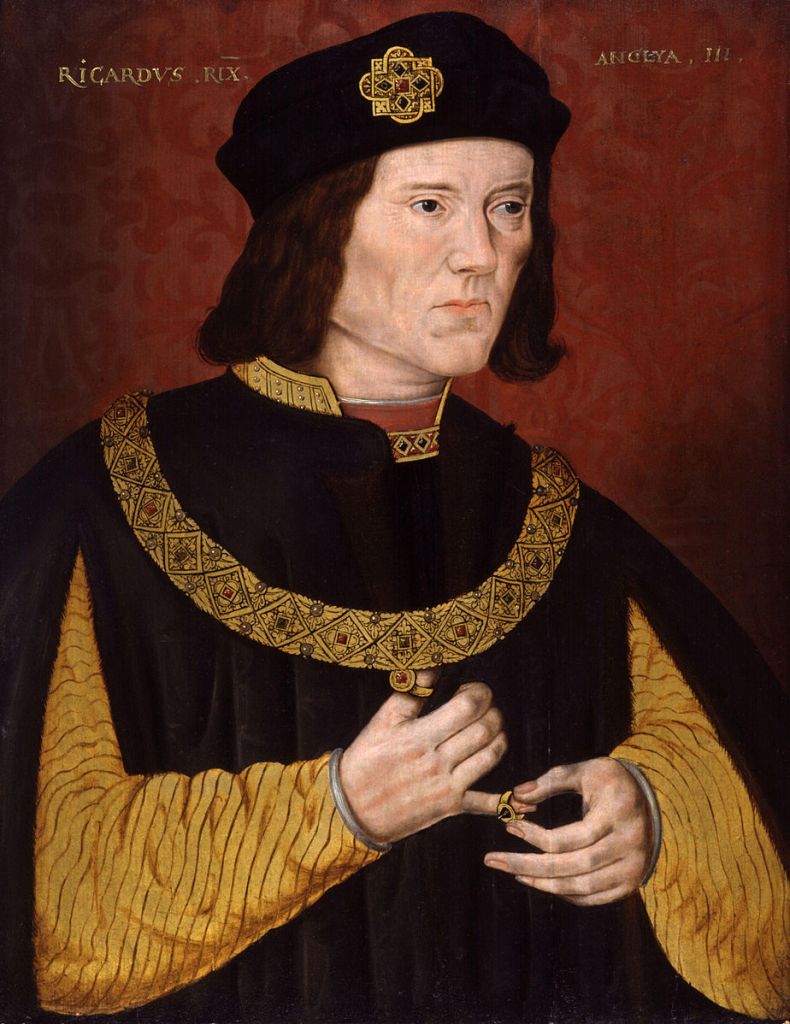
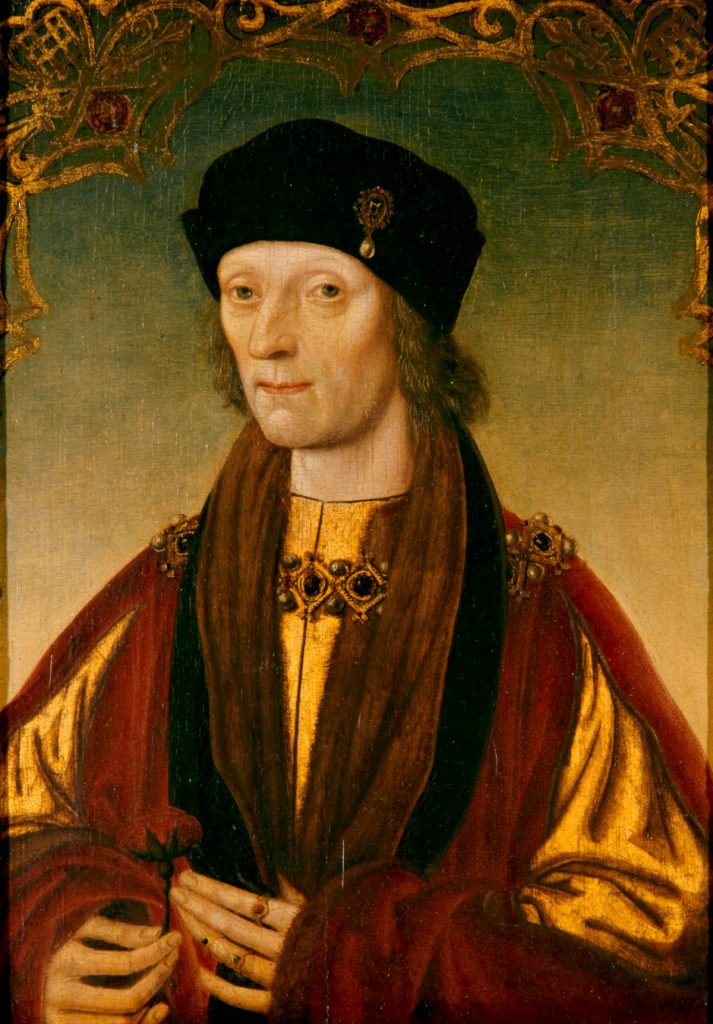

The House of York, King Richard III (reigned 1483-1485, The House of Tudor, King Henry VII (reigned 1485-1509, King Henry VIII, (reigned 1509-1547).
From 1455 until 1487: The Wars of the Roses, known at the time and for more than a century after, as the Civil Wars, were a series of internal wars fought over control of the English throne in the mid-to-late fifteenth century.
1492: Christopher Columbus, an Italian navigator, began his initial voyage (the first of four voyages), across the Atlantic ocean sponsored by the Catholic Monarchs of Spain, opening the way for the widespread European exploration and colonization of the Americas. His expeditions were the first known European contact with the Caribbean, Central America, and South America.
Richard Gower (Richard 4), born circa 1480 – Woodhall, Worcestershire – died May 11, 1543. He married circa 1501 Cornelia Bronson, born circa 1485 in Earls Colne, Essex – died circa 1550. They had a son, Richard (Richard 5).
Observation: In records for this generation and those following, we noticed that the family surname was transitioning in general. This was likely due to record-keeping and errors from different locations and periods. The name was anglicized, (to alter to a characteristic English form, sound, or spelling), similar to this pattern: Gower > Goare > Goore > Gore.
Richard Goare (Richard 5), born in Nether Wallop, Hampshire, circa 1500 – died May 21, 1543, in the same location. He married Elizabeth Stephenson circa 1523. She was born circa 1506 in Waltham Abbey, Great Waltham, Essex – died August 19, 1551 in Chichester, Sussex. Records vary, but they may have had four children: Dates are approximate.
- Elizabeth, born 1523
- Nicholas, born 1524 – died 1561 (We are descended from Nicholas).
- Michael, born 1529 – died 1604
- John, born 1532
Observation: We noted that Cornelia Bronson’s husband, Richard Gower (Richard 4) died May 11, 1543, and her son Richard (Richard 5) died ten days later, on May 21, 1543. With both of these deaths coming so close in time, they may be linked to the spread of the plague in 1543, in one of its recurrent phases.
Henry VIII’s idea of social distancing was seven miles.
Alison Weir
There was plague and ‘great death’ in the capital [London]
in 1543, when a proclamation forbade Londoners from
coming within seven miles of the King.
“Ramping up the proclamations – how Henry VIII dealt with epidemics”
via Culturefly
1534: For reasons not only to do with his marital situation, Henry VIII broke with Rome, the Pope and the Catholic Church. At the time the Catholic monasteries (and abbeys, priories, convents and friaries) owned over a quarter of all the cultivated land in England. Henry declared himself the Supreme Head of the Church of England and as such he had the authority to do what he wanted with all this church estate. He took possession of their assets. The Pope retaliated by excommunicating Henry in 1538. (Henry continued his plunder and pillage, breaking up over 850 monasteries in total.) Observation: In this chaos, records again were lost.
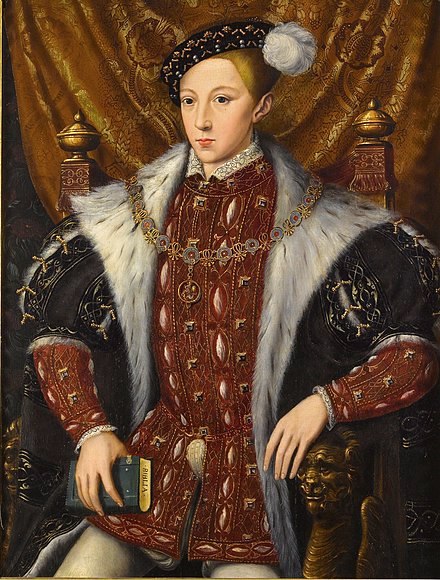
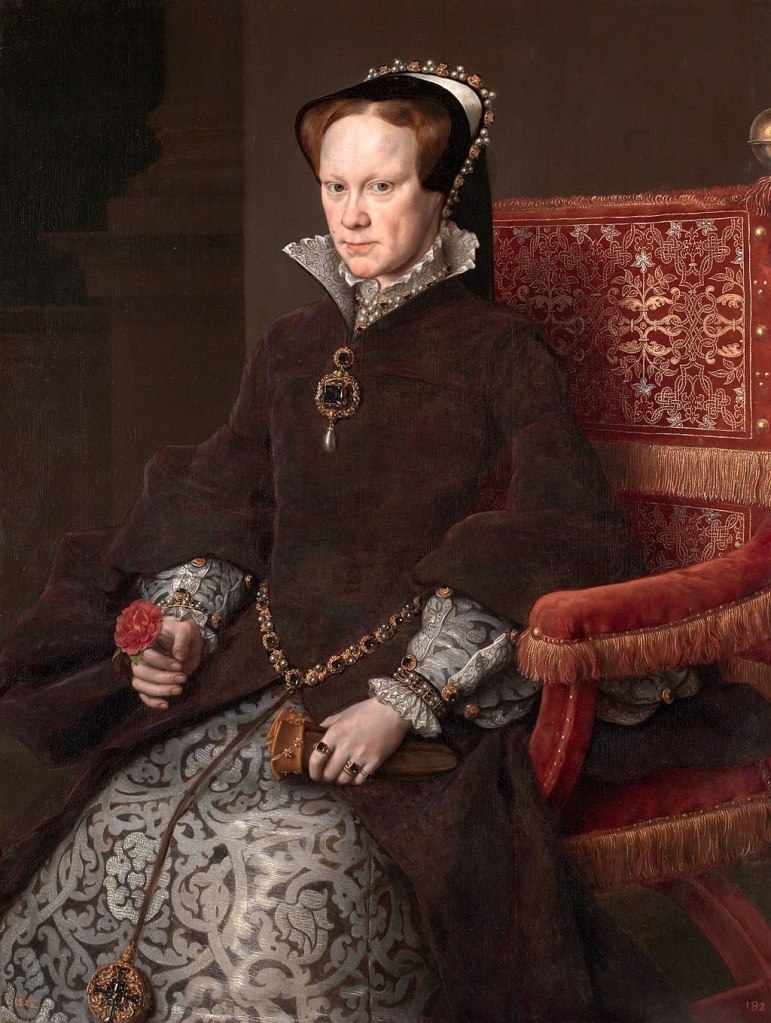

The House of Tudor, King Edward VI (reigned 1547 – 1553), [Sorry, we skipped over Jane Grey, the 9-day Queen], Queen Mary I (reigned 1553 – 1558), Queen Elizabeth I (reigned 1558 – 1603).
Nicholas Goore, Gentleman, born circa 1524 in Nether Wallop, Hampshire – died November 7, 1561 in the same location. On November 13, 1549 he married Dorothy Thistlewaite. She was born 1532 in Trowbridge, Mendip, Wiltshire and died after 1582 in Nether Wallop, Hampshire. It is not established specifically how many children they had. We do know they had at least one son, William Goore (William 1).
William Goore, Gentleman, (William 1), was born December 21, 1550 in Nether Wallop, Hampshire – died November 9 or 11, 1587 in the same location. He married Joan Pittman (date unknown). She was born circa 1562 at or near Nether Wallop, Hampshire – died circa 1610 in Nether Wallop, Hampshire.
From William Goore’s published Will, we know that they had nine children:
- William
- Richard (Richard 6) (We are descended from Richard).
- John
- Nicholas
- William, The Younger
- Agnes
- Elizabeth
- Barbara
- Margery
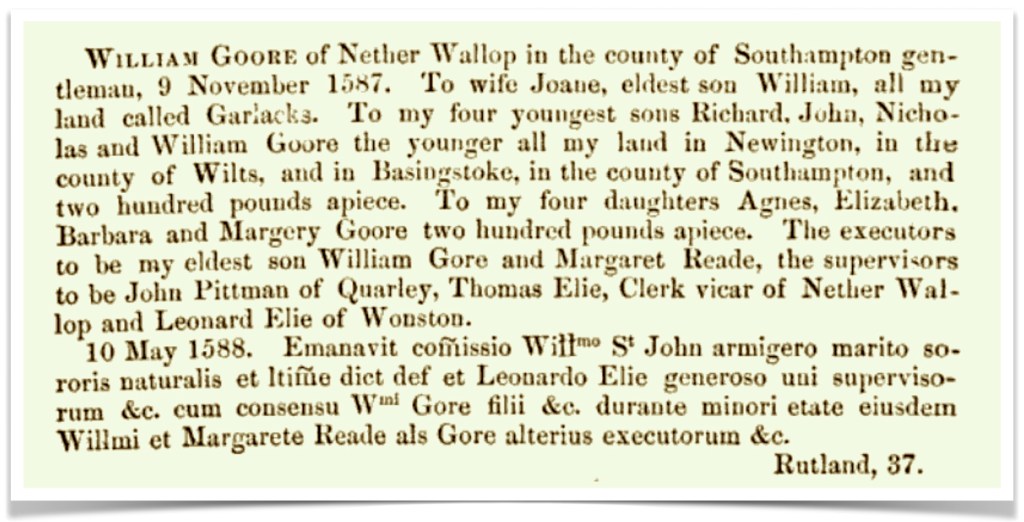
The New England Historical and Genealogical Register, Volume 40, 1886, page 38
Richard Goare, Gentleman (Richard 6) born circa 1581 at Nether Wallop, Hampshire – died January 3, 1643 in Southampton, Hampshire. He married Elizabeth Mainwaring circa 1599 in Waltham Abbey, Essex, England. She was born circa 1582 in the area of Waltham Abbey, Essex – died after 1643 in Southampton, Hampshire. Her father Oliver, of Windleshaw of Lancashire Manwaring, claimed to be a Descendant of Charlemagne. Oliver also immigrated to the American British Colonies because he died in Port Tobacco, Charles, Maryland Colony. Elizabeth’s mother Margaret Tarbock (or Torbock), claimed descendancy from King Edward I.
Richard was a leading sergemaker (clothier) in Southampton, England. In 1610, he was one of the overseers of the poor in the Parish of All Saints of Southampton. They may have had at least four children:
- Thomas, born circa 1602 – died June 1646
- John (John 1), born 1606 (We are descended from John 1).
- William, born 1611
- Margaret, born 1614
* Observation: Due to the ongoing repetitive nature of many of our grandfathers first names, we have been numbering them throughout to keep them sorted. Henceforth, as our history shifts to the British Colonies in America, John Gore will be designated as “John 1” (to start fresh).

Now located in the Massachusetts Bay Colony (upcoming in The Gore Line — Four), John Gore 1 was living in Massachusetts when his father, Richard 6, died. He was the executor of his father’s Will, and in 1644 he was required to send a letter to Attorney Joseph Browne of Halster, Southampton, England to prove [his father] Richard’s will, about December 23, 1644.

the American Ancestry of Rufus R. Dawes, page 320
Richard Gore’s Will, from — sites.rootsweb.com:
“Richard Gore left a will dated 6 January 1643 that was written at Nether Wallop, Hampshire, England, and bears the wax seal with the Gore Coat of Arms consisting of three bulls’ heads with sabre and crescent.
He gave to son Thomas GOARE the living at Baddesley in the County of Southampton, “… wherein I lately lived together with all my cattle and the corn in the barns, and all the corn now standing or growing upon the ground there, and also one furnace now standing in the house together with the one half of all my goods of household stuff; also 200 pounds*. Give to wife Elizabeth GOARE the other half of all my household goods and implements of household, together with all my wool and yarn and 200 pounds*. [At this point in history, wool was England’s most valuable export]. Give to servants, three ministers of the towns of Southampton videlt[?] and Baddesley & the poor of those towns. All the rest of goods and chattles unbequeathed after expenses and legacies paid to eldest son John GOARE, sole executor. Well beloved friends Mr. John MAYOR and Mr. Nicholas CAPELIN the executors in trust. Wits. Augustine FULL, Mary MAUGER, Ffran. WEEKES.”
* The values of 200 pounds sterling equals about $58,000 today. Some researchers estimate that his total wealth was closer to 800 pounds…
At this point in our narrative, their association with England shifts gears. Much more happens to these ancestors — a tiny bit more in England, and then on to the British Colonies in America. (4)
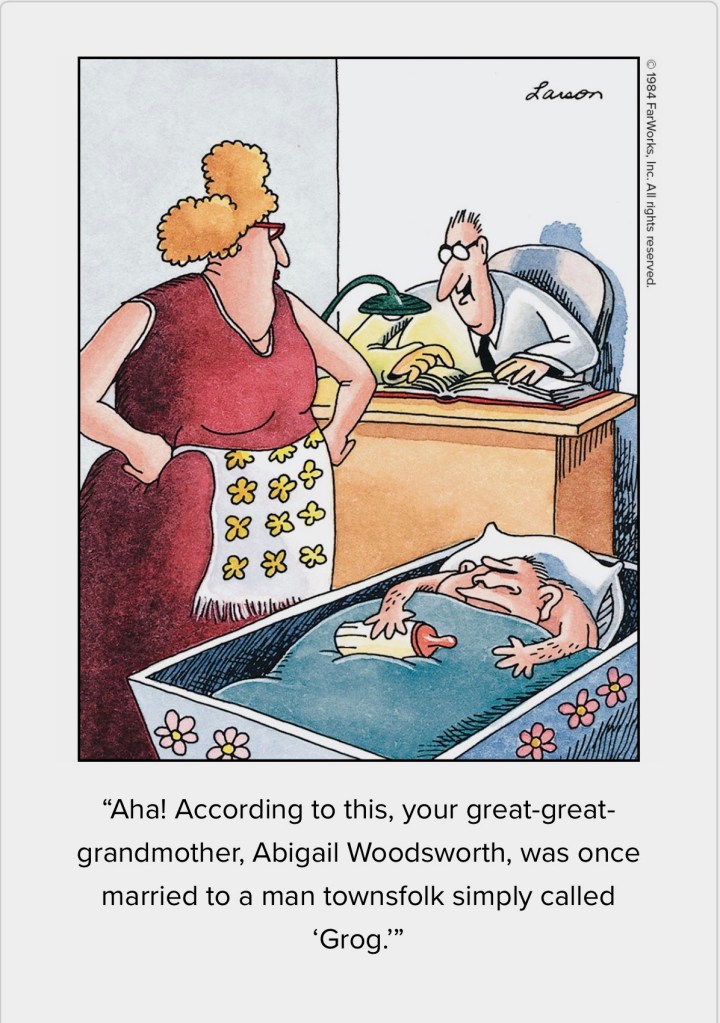
Cartoon borrowed from The Far Side by Gary Larson,
Copyright 2019-2022 by FarWorks, Inc. Thanks Gary!
Following are the footnotes for the Primary Source Materials,
Notes, and Observations
The Plague of Justinian and the Second Plague, aka The Black Death
(1) — five records
Plague of Justinian
https://en.wikipedia.org/wiki/Plague_of_Justinian
Note: For the text.
File:Plaguet03.jpg, (for Justinian Plague image)
https://commons.wikimedia.org/wiki/File:Plaguet03.jpg
Note: For the image, St. Sebastian pleads for those afflicted with plague during the 7th century plague of Pavia, by Josse Lieferinxe.
The Black Death
https://en.wikipedia.org/wiki/Black_Death
Note: For the text and the Bruegel the Elder artwork.
Paul Fürst
Der Doctor Schnabel von Rom (coloured version).png
https://commons.wikimedia.org/wiki/File:Paul_Fürst,_Der_Doctor_Schnabel_von_Rom_(coloured_version).png
Note: For the colored Black Plague doctor image.
Second Plague Pandemic
https://en.wikipedia.org/wiki/Second_plague_pandemic
Note: For the text.
Who’s Behind Door Number 1, Door Number 2, or Door Number 3?
(2) — eight records
G O R E
https://www.familysearch.org/en/surname?surname=GORE
Note: For the text.
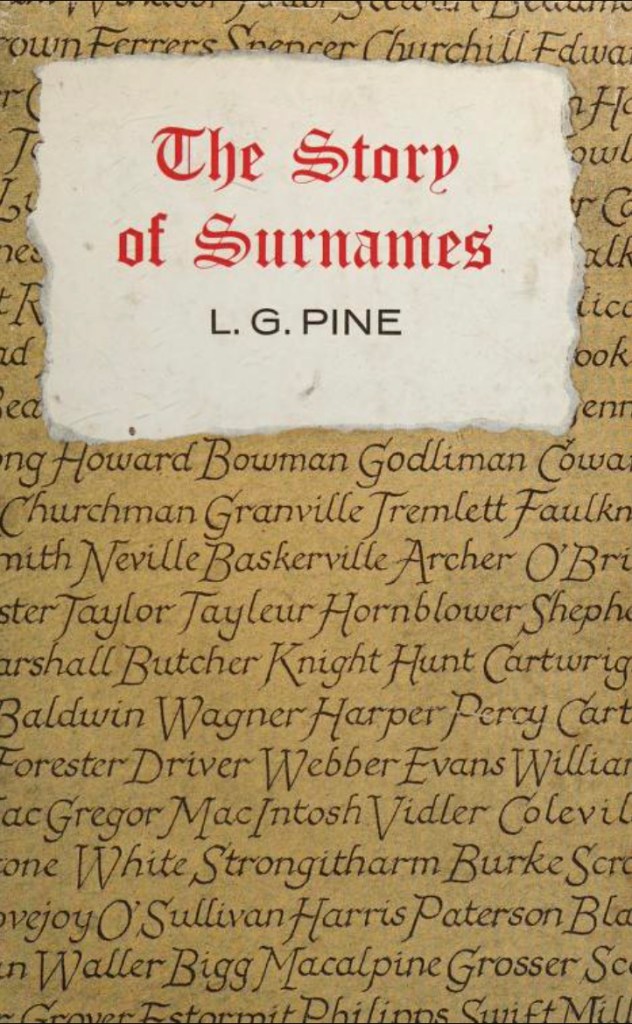

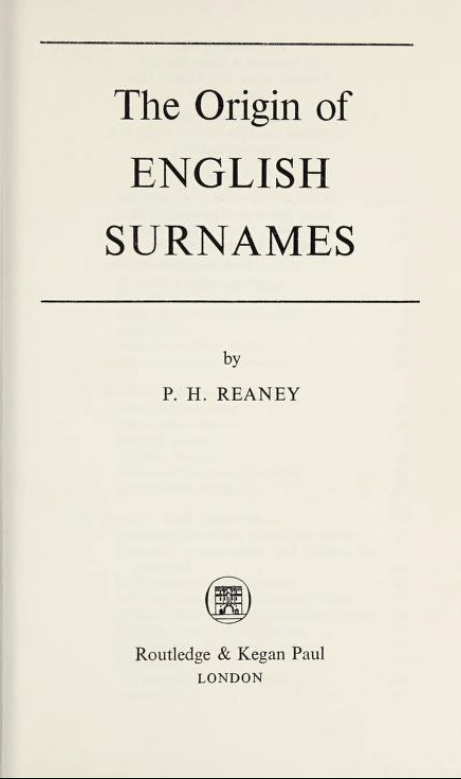
The Story of Surnames by L. G. Pine
https://archive.org/details/storyofsurnames0000pine/mode/2up?view=theater
Book page: 54, Digital Pages: 54/156
Note: For the text.
English Surnames
by Charles Waring Bardsley
https://archive.org/details/englishsurnames0000char/page/n5/mode/2up?view=theater
Book page: 130, Digital Pages: 130/648, Left page, middle.
Note: For the text.
The Origin of English Surnames
by Percy H. Reaney, 1880-1968
https://archive.org/details/originofenglishs0000rean/mode/2up
Book pages: 50 and 200, Digital Pages: 50 and 200/419
Note: For the text.
Welcome to the Gore Family Connection
https://homepages.rootsweb.com/~goredata/index.html
and Granny Stories
by James L. Gore, Story #2
https://homepages.rootsweb.com/~goredata/granny2.html
Note: For the text.
The Internet Surname Database
Last name: Gower
https://www.surnamedb.com/Surname/Gower
Note: For the text.
Leiden Medievalists Blog
Proverbial Pigs in the Middle Ages:
Ten Medieval Proverbs Featuring Swine
by Thijs Porck (This really is his surname).
https://www.leidenmedievalistsblog.nl/articles/proverbial-pigs
Note: For the swineherd image.
The Gowers Name Their Generations Either Richard or Thomas
(3) — thirty two records
Project Britain, British Life and Culture
Timeline of the Kings and Queens of England
by Mandy Barrow
http://projectbritain.com/kings.htm
Note: For the data.
Historic UK
Edward I
https://www.historic-uk.com/HistoryUK/HistoryofEngland/Edward-I/
Note: For his portrait.
History Extra
The big debate: was Edward II really murdered?
https://www.historyextra.com/period/medieval/the-big-debate-was-edward-ii-really-murdered/
Note: For his portrait.
Luninarium Encyclopedia Project
The Hundered Years’ War
King Edward III of England
https://www.luminarium.org/encyclopedia/edward3.htm
Note: For his portrait.
Landed Gentry
by Bernard Burke
https://www.google.com/books/edition/A_Genealogical_and_Heraldic_History_of_t/3RVXAAAAYAAJ?hl=en&gbpv=1&dq=Elyanor+Comyn&pg=PA41&printsec=frontcover
Book page: 41
Leiden Medievalists Blog
The Gower name also has an interesting history… Derived from both surnamed.com and Welcome to the Gore Family Connection:
Last name: Gower
SurnameDB
Last name: Gower
https://www.surnamedb.com/Surname/Gower
and
Granny Stories
by James L. Gore of Lake Park, GA
https://homepages.rootsweb.com/~goredata/granny.html
Note: For the text.
Here are a few of the Gower origin stories:
Wales
“This ancient and distinguished surname, with several notable entries in the National Biography, may be either of Welsh or English (Norman) origin. As a Welsh surname Gower is locational from the Gower or Gwyr peninsula, in West Glamorgan, Wales, and the first recording from this source is particularly early.
England
The first recorded spelling of the family name is shown to be that of Walter de Guher, which was dated 1130, in the “Pipe Rolls of Carmarthenshire”, during the reign of King Henry 1, known as “The Lion of Justice”, 1100-1135.
Among the earliest records of the family in England are those of William ad le Gorwege of Cambridge in the year 1273; those of Allan atte Gora of Essex in 1292; those of Thomas de la Gore of Suffolk in 1292; those of Simon atte Gore of Somersetshire in 1327; those of Richard Gorwaye of Somersetshire in 1327; and those of Thomas Pegrim Gore and Mary Gore also of Somersetshire in 1367.
There is a further place called Gower north west of Eastry in Kent from which the name may also conceivably derive, as surname recordings are particularly prevalent in 16th Century Church Registers of Kent and Surrey. John Gower was christened at Farnham, Surrey, on September 22, 1552, and on June 9, 1591, Katherine Gower and Thomas Henshaw were married at Waldershare, Kent.
France
There are three Norman origins for the modern surname Gower: the first of these is regional for someone who came from the district north of Paris, known in Old French as “Gohiere”; the second is locational from any of the various places in Northern France called Gouy (from the Gallo-Roman personal name “Gaudius”, with the addition of the Anglo-Norman French suffix ‘-er’).
Probably also from a familiar / vernacular form of the personal name Grégoire, shortened to Gore. In the United States, the Americanized form of Dutch Goor and Breton Gour .
Germany
Finally, Gower may derive from a Norman personal name “Go(h)ier”, an adoption of the Old German “Godehar”, composed of the elements “gode”, good, and “heri, hari”, army.
‘Gower03’
Families covered: Gower of Crookbarrow, Gower of Earl’s Court (Worcestershire), Gower of Woodhall
https://www.stirnet.com/genie/data/british/gg/gower03.php
Elinor Gower
https://wc.rootsweb.com/trees/244390/I12217/elinor-gower/individual
Note: For the data.
Name: john_d_newport — Ancestry of John D Newport
Richard Gower
https://worldconnect.rootsweb.com/trees/159295/I64497/richard-gower/individual
and
https://worldconnect.rootsweb.com/trees/159295/I64497/richard-gower/descendancy
and
Eleanor Comyn
https://worldconnect.rootsweb.com/trees/159295/I64496/eleanor-comyn/individual
and
https://worldconnect.rootsweb.com/trees/159295/I64496/eleanor-comyn/descendancy
Note: For the data.
Eleanor Comyn
https://www.geneagraphie.com/getperson.php?personID=I580377&tree=1
Note: For the data.
Sir Thomas Gore or Gower
https://www.ancestry.com/family-tree/person/tree/47708080/person/382108692939/facts
Note: The wife’s name is incorrect.
The 100 Years’ War
https://en.wikipedia.org/wiki/Hundred_Years%27_War
Note: For the data.
Richard II, King of England
https://www.britannica.com/biography/Richard-II-king-of-England
Note: For his portrait.
King Henry IV of England
https://www.thoughtco.com/king-henry-iv-of-england-1788991
https://www.britannica.com/biography/Richard-II-king-of-England
Note: For his portrait.
Note: For his portrait.
King Henry V of England
https://www.bridgemanimages.com/en/search?filter_text=Henry%20V%20of%20England%20engraving&filter_group=all&filter_region=USA&sort=most_popularhttps://www.bridgemanimages.com/en/search?filter_text=Henry%20V%20of%20England%20engraving&filter_group=all&filter_region=USA&sort=most_popular
Note: For his portrait.
JSTOR
The Journal of the Royal Society of Antiquaries of Ireland
Vol. 86, No. 2 (1956), pp. 170-186 (17 pages)
The Early Irish Comyns
by E. St. John Brooks
https://www.jstor.org/stable/25509253
Notes on the Comyn pedigree:
http://www.limerickcity.ie/media/nmas%2003%2001,%2002%20Notes%20on%20the%20Comyn%20pedigree.%20By%20David%20Comyn.pdf
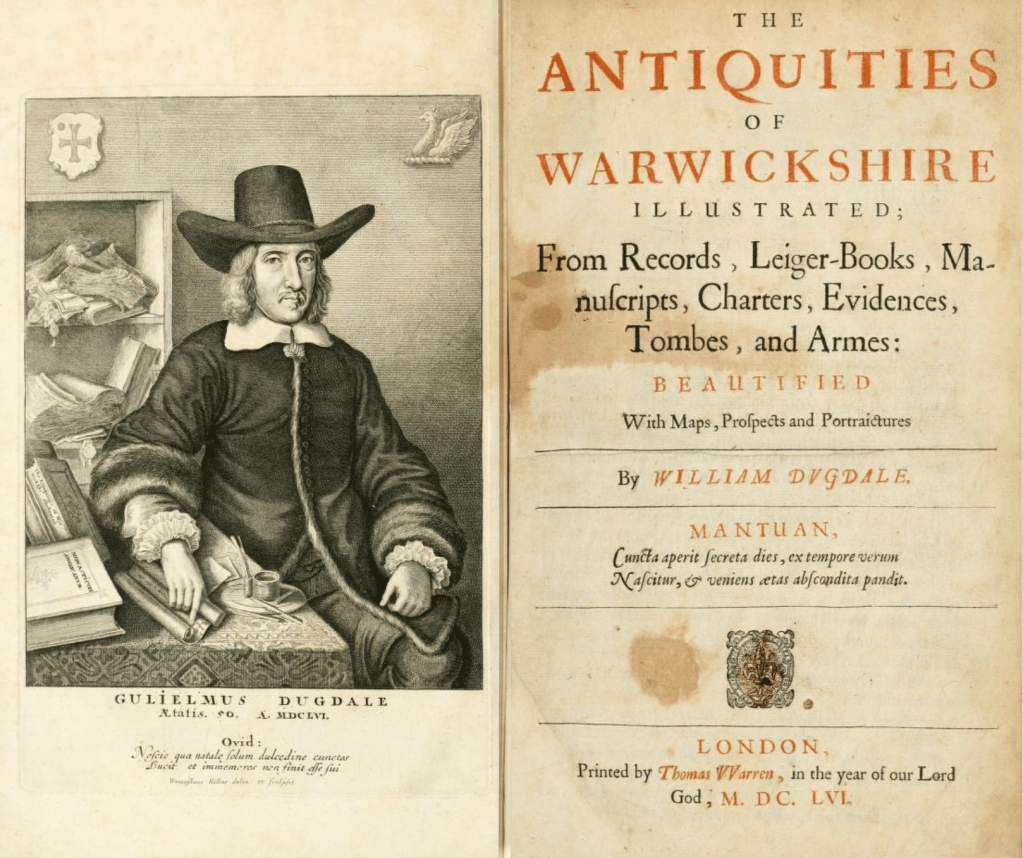
The Antiquities of Warwickshire Illustrated: From Records, Leiger-Books, Manuscripts, Charters, Evidences, Tombes, and Armes : Beautified with Maps, Prospects, and Portraitures
by Sir William Dugdale and Wenceslaus Hollar
https://archive.org/details/antiquitiesofwar00dugd/page/294/mode/2up
Book pages: 295-296, Digital Pages: 294-295/826
Note: For the text and book page image.
BHO | British History Online
Parishes: Norton-juxta-Kempsey
https://www.british-history.ac.uk/vch/worcs/vol3/pp453-456#h3-0002
Note: For the data.
Journal of Medieval History
Volume 45, 2019 – Issue 2
People, places and possessions in late medieval England
by Chris Briggs, Alice Forward, Ben Jervis, and Matthew Tompkins
https://www.tandfonline.com/doi/abs/10.1080/03044181.2019.1593624#:~:text=The%20medieval%20English%20escheator%20was,outlaws%20for%20the%20crown%27s%20benefit.
Note: Escheator explained: People, possessions and domestic space in the late medieval escheators’ records.


The Publications of the Harleian Society
Volume 27, 1888
The Visitation of Worcestershire, 1569
https://books.googleusercontent.com/books/content?req=AKW5QacTn-ee6iL3WyJcOOwUNKfeiHxbeJbUZBX7Jg73QQM6pK1BxYaSNX9NIm-CKpPaHk25Kdmlub88W4rRdK6Fffn5v4EtNQkkhmPSF9nXX63IubdBXIuGnkp730Az9sNRThzWD92L0wJLfzGnfvJMYvEq7BDCmIlW6Jp6McSyfOqDRUA2TcZpjBoWEhYzot6EdMEwemmO1TOw07cDYon9NFK5IZUCtTEpZ3WLpEoZQsL27n9okhsBI2ggrHlMo1dlcwljeGtRycfZt8PTGV0MeguvcgKEvYmbE2aUFXPPYpmul1Gp_Sk
Book pages: 59-61
Note: Scroll to pages 59-61 to see the charts.
A Genealogical and Heraldic History of the Landed Gentry
Landed Gentry
by Bernard Burke
https://www.google.com/books/edition/A_Genealogical_and_Heraldic_History_of_t/3RVXAAAAYAAJ?hl=en&gbpv=1&dq=Elyanor+Comyn&pg=PA41&printsec=frontcover
Book page: 41
Britannica.com
Henry VI, King of England
https://www.britannica.com/biography/Henry-VI-king-of-England
Note: For his portrait.
National Portrait Gallery
King Edward IV
https://www.npg.org.uk/collections/search/portrait/mw02028/King-Edward-IV
Note: For his portrait.
Royal Collection Trust
Edward, Prince of Wales, later Edward V (1483)
by Henry Pierce Bond
https://www.rct.uk/collection/422354/edward-prince-of-wales-later-edward-v-1470-1483
Note: For his portrait.
The Attwood Family with Historic Notes & Pedigrees
by John Robinson
https://archive.org/details/attwoodfamilywit00byurobi/mode/2up?view=theater
Book page: 17, Digital Pages: 56/309, Near page bottom.
Worcester Government, Committee Planning Document
Worcestershire Parkway SGA, Draft Spatial Framework 2022
https://committee.worcester.gov.uk/documents/s54946/40WPDraftSpatialFrameworkSept2022.pdf
Page: 14/60
Anne Washbourne
https://www.ancestry.com/family-tree/person/tree/24107871/person/12136785402/facts
Note: We are somewhat leary of Ancestry file dates.
The End of the Plantagenet Reign and The Beginning of The Tudor Reign
(4) — thirty records
The War of The Roses
https://en.wikipedia.org/wiki/Wars_of_the_Roses
and
History.com
9 Things You Should Know About The War of The Roses
by Evan Andrews
https://www.history.com/news/9-things-you-should-know-about-the-wars-of-the-roses
Christopher Columbus
https://en.wikipedia.org/wiki/Christopher_Columbus
King Richard III from NPG (2).jpg
https://commons.wikimedia.org/wiki/File:King_Richard_III_from_NPG_%282%29.jpg
From the Collection: Portrait of Henry VII of England (portrait courtesy of)
https://blog.mam.org/2020/09/29/from-the-collection-portrait-of-henry-vii-of-england/
Henry VIII
https://www.rct.uk/collection/403368/henry-viii-1491-1547
Note: For his portrait.
Richard Gore (1480 — 4th Richard)
https://www.ancestry.com/family-tree/person/tree/183092650/person/422384406870/facts
Corneilia Bronson
https://www.ancestry.com/family-tree/person/tree/183092650/person/422384406871/facts
Note: We are somewhat leary of Ancestry file dates.
Culturefly article
Alison Weir: Ramping up the proclamations – how Henry VIII dealt with epidemics
https://culturefly.co.uk/alison-weir-ramping-up-the-proclamations-how-henry-vii-dealt-with-epidemics/
Richard Gore (1500 — 5th Richard)
Your Heritage, Person Page 51076
https://sites.rootsweb.com/~havens5/p51076.htm
London Remembers
Dissolution of the Monasteries
https://www.londonremembers.com/subjects/dissolution-of-the-monasteries
Edward VI
https://en.wikipedia.org/wiki/Edward_VI
Note: For his portrait.
Mary I of England
https://en.wikipedia.org/wiki/Mary_I_of_England
Elizabeth I, Queen of England
https://www.britannica.com/biography/Elizabeth-I
Nicholas Gore
https://www.ancestry.com/family-tree/person/tree/183092650/person/422384406866/facts
Note: We are somewhat leary of Ancestry file dates.
and
Nicholas Gore
Your Heritage, Person Page 51074
https://sites.rootsweb.com/~havens5/p51074.htm
Nicholas Gore, Gentleman
in the Hampshire, England, Wills and Probates, 1398-1858
https://www.ancestry.com/discoveryui-content/view/56516:62475?tid=&pid=&queryId=dbc6f983eaa78d059dcfd31d8d5aa8b3&_phsrc=DPR1&_phstart=successSource
Note: We are somewhat leary of Ancestry file dates.
Dorothy Thistlewaite
https://www.ancestry.com/family-tree/person/tree/183092650/person/422384406867/facts
Note: We are somewhat leary of Ancestry file dates.
and
Dorothy Thistlewaite
Your Heritage, Person Page 51075
https://sites.rootsweb.com/~havens5/p51075.htm
William Gore
Your Heritage, Person Page 51072
https://sites.rootsweb.com/~havens5/p51072.htm
and
William Gore * P Inlaw Of 8th C-8
https://www.ancestry.com/family-tree/person/tree/51080710/person/382429877941/facts
Note: We are somewhat leary of Ancestry file dates.
William Gore
https://www.ancestry.com/family-tree/person/tree/100384577/person/292453598283/facts
Note: We are somewhat leary of Ancestry file dates.
[For the will of William Goore]
The New England Historical and Genealogical Register
Volume 40, 1886
https://www.google.com/books/edition/The_New_England_Historical_and_Genealogi/_P1v1mqnsOYC?hl=en&gbpv=1
Book page: 38
Richard Gore
Your Heritage, Person Page 51070
https://sites.rootsweb.com/~havens5/p51070.htm
and
Richard Gore
https://www.ancestry.com/family-tree/person/tree/100384577/person/292453598079/facts
Note: We are somewhat leary of Ancestry file dates.
Joan Pittman
Your Heritage, Person Page 51073
https://sites.rootsweb.com/~havens5/p51073.htm
and
Joane Lee Pitman
https://www.ancestry.com/family-tree/person/tree/51080710/person/382429877943/facts
Note: We are somewhat leary of Ancestry file dates.
Elizabeth Hill
https://sites.rootsweb.com/~havens5/p51071.htm
Elizabeth Mainwaring
https://www.ancestry.com/family-tree/person/tree/51080710/person/382429871791/facts
and
Elizabeth Mainwaring
https://www.ancestry.com/family-tree/person/tree/100384577/person/292287622333/facts
For the three bulls seal] Thomas Gore (1631 -1684)
https://armorial.library.utoronto.ca/stamp-owners/GOR007
” Thomas Gore, of Alderton in Wiltshire, was the third son of Charles Gore, of Alderton, and Lydias, daughter and heir of William White, citizen and draper of London”.
Pounds Sterling to Dollars: Historical Conversion of Currency
by Eric Nye, Department of English, University of Wyoming
https://www.uwyo.edu/numimage/currency.htm

Dawes-Gates Ancestral Lines : A Memorial Volume Containing the American Ancestry of Rufus R. Dawes, Vol. I, 1943
Compiled by Mary Walton Ferris
https://www.ancestry.com/search/collections/11708/ Vol I. Gore
Book pages: 320-325, Digital pages: 354-360/1773


















 Our Ancestors, Our Narratives

.png)


.jpg)

.jpg)