We grew up in a family where people (on both sides) had forever been telling stories about their ancestors, although much of it was apocryphal.* Yet nothing was truly researched, nor documented meeting today’s contemporary standards. The world was so different then, and doing research on your family made you indebted to only a few available sources. Much work was done by writing letters to people, who knew people, who researched cemeteries, and had family bibles.
*An apocryphal story is probably not true, although it is often told and believed by some people to have happened. (Via the Cambridge Dictionary)
Then One Afternoon…
Around 1967, or thereabouts, our maternal grandmother Lulu Mae (DeVoe) Gore sat down at her dining room table, delicately unfolded and smoothed with her hands, a very large fan-fold style family tree. It was a decades old project at that point, having been carefully researched and crafted by her hand. Lulu’s husband Harley had passed on nearly thirty years earlier. It was his desire near the end of his life, to know more about his family origins — so, as we understand it today, this was when our family history started to become real to us.
When we met to discuss this, present were Lulu’s daughter Marguerite and her granddaughter Susan, both of whom shared an interest in family history. Grandson Thomas was also present, but being somewhat younger, he was told to “sit still, and don’t touch anything”.
This is an example of a fan-fold style family history chart. (Image courtesy of Amazon.com).
This is when we first heard stories about some New England ancestors, ongoing suspicions about there perhaps being a Mayflower relative.., all of it still very vivid today as memories. Peppering our Grandmother with questions, we tried to understand how it all fit together. Lulu had her grand chart, many photographs, and lots of anecdotal stories. She had opened the past to us, and for her, she was likely pleased that she had a daughter and granddaughter to share this legacy with.
Lulu Gore passed on in 1975 and her daughter Marguerite Bond took over the task of researching family history via traditional methods. When she retired in the 1980s, she relied mostly on resource books, and trips to both the local Western Reserve Historical Society in Cleveland, Ohio and the Geauga County Courthouse in Chardon, Ohio. In addition, she traveled to Plymouth, Massachusetts to research the 1620 history of the Mayflower, and to the small city of Steubenville, in Jefferson County, Ohio (to research her husband Dean’s side of the family). Time went on, and she did what she could while slowing losing her ability to retain memories.
Comment: Marguerite swore that she would never, ever work on a computer. (She came from a generation which viewed a “thingamajig” like a computer with much trepidation, and in her case, some disdain). True to her word, and quite ironically, about the time that online databases started to appear, Marguerite decided to disappear — passing on in 1999. She passed her research on to her daughter Susan. (1)
This is a sample page of the type of research which Marguerite did. (Good luck reading her handwriting!) It documents a portion of the Gore family line, which we have covered in the chapter: The Gore Line, A Narrative — Six.
Hide and Seek
In 1999, the world was in the midst of the newly flourishing Go-Go-Days of the Internet. Both Susan and Thomas were living at the epicenter of this change, both residing in San Francisco, California. Suddenly, it became quite apparent that we now had new resources to help us work out “how it all fit together”. However, this didn’t happen quickly. Even though resources had greatly evolved, it took much time for the databases to be sufficiently trustworthy for our needs. We then had to dig-in and look at everything with fresh eyes. Back then much research was like a game of Hide and Seek.
Susan spent years making new discoveries, but also verifying the work of her Grandmother and Mother. She sometimes spent time tramping around cemeteries, looking for relatives whose records had fallen away.
Twenty-five years later, for our present research, we have been using the online sources: Ancestry.com, FamilySearch.com, and the Internet Archive. Depending upon the family line, we also seek out resources and databases far beyond these three websites. As an example, when we documented the Irish families on our father’s side, we utilized much of the invaluable resources available on the website ScotlandsPeople.com. That chapter alone, The McMahon and The McCall Lines, A Narrative, took one year of dedicated research and writing. (You will be able to see, at the end of each chapter we list the specific print and website resources for that chapter).
Covid 19 It’s worth emphasizing that the Ancestry and FamilySearch databases can sometimes be unreliable.Here is our viewpoint on this —
Covid 19 required that many people stay at home to prevent further spread of the virus to others. As such, many people decided to undertake projects which involved new hobbies. This is a polite way of saying that many people (would-be-tree makers) launched their own family tree projects, when most of them had no research experience. Hence, the Ancestry and FamilySearch websites became a perfect storm of poorly researched, and inaccurate information. There is still some valuable information to be found therein, but one must look very, very carefully with great discernment at what is presented. If there can be secondary sources (such as books, actual documents, etc.), which verify discoveries, then the information can probably be acceptable. (2)
Why Context Is Important
Context provides us an opportunity to understand the world as it once existed but is no more, and most importantly, narrate the world in which our ancestors lived.
Family trees are only interesting up to a point, then they can get a bit mundane. Think of historical biographies. If they were written in such a way that “this person married that person, and then they had children”, it’s likely that this category of interesting books would struggle to find readers. We would be a much poorer society for it.
“What is intelligence, and how does it work?”
Intelligence is the ability to tell stories... The “story” that I am talking about is a much broader category, and it is that type of story that forms the basis for thought. It is our superior ability to tell that kind of story that separates us from the animals.
Your brain likes these things I write, both fiction and non-fiction, because the conscious part of your brain is a story engine. It evolved to connect a bunch of observed facts into a coherent story that makes them all make sense together, and to make plans, which are also stories.
Devon Eriksen
One thing which we came to realize, is that much family history is written about the Men who were our Grandfathers, but much less is written about the Women in their lives. In some circumstances, we have been unable to learn anything about some of our Grandmothers other than their name, because scant information is available.
When it comes to historical books about women who were mostly lost to history, we often think of this book by author Jill Lepore: Book of Ages, The Life and Opinions of Jane Franklin. She was the youngest sister of her very famous brother, inventor, printer, writer, diplomat, and one of the founding fathers of the United States, Benjamin Franklin. They were close as siblings, but their individual lives went in very different directions, and Jane Franklin left only a few records. The author did a remarkable job in telling her life story, making it possible for those of us who are alive today, to understand, appreciate, and ponder Jane’s life.
If you notice in the above chart on the right, we see that in the Josiah Franklin family, there were an astonishing number of seventeen children born from two different mothers. Women often had many children in those days, and sometimes they died in childbirth. Whenever that happened, the husband frequently remarried pretty quickly because someone needed to provide directly for the children. If the husband was the one who died, the wife also sometimes remarried quickly. This had much to do with preserving prosperity because inheritance laws back then were not favorable to women.
From the Pulitzer Prize winning book, Prairie Fires, The American Dreams of Laura Ingalls Wilder by Caroline Fraser, we admired this excerpt because it’s a point of view which captures the essence of us seeking out our ancestors.
“DISCOVERING how Charles Ingalls and his family came to find themselves a few miles from the shores of Lake Pepin, just a few years after Pepin County was first marked on a map, is a detective story tracking generations into the past. Pieces of the family portrait survive, but the whole remains elusive, obscured under the soot of time. It may never be complete.
That is always a problem, in writing about poor people. The powerful, the rich and influential, tend to have a healthy sense of their self-importance. They keep things: letters, portraits, and key documents, such as the farm record of Thomas Jefferson, which preserved the number and identity of his slaves. No matter how far they may travel, people of high status and position are likely to be rooted by their very wealth, protecting fragile ephemera in a manse or great home. They have a Mount Vernon, a Monticello, a Montpelier.
But the Ingallses were not people of power or wealth. Generation after generation, they traveled light, leaving things behind. Looking for their ancestry is like looking through a glass darkly, images flickering in obscurity. As far as we can tell, from the moment they arrived on this continent they were poor, restless, struggling, constantly moving from one place to another in an attempt to find greater security from hunger and want. And as they moved, the traces of their existence were scattered and lost. Sometimes their lives vanish from view, as if in a puff of smoke.
So as we look back across the ages, trying to find what made Laura’s parents who they were, imagine that we’re on a prairie in a storm. The wind is whipping past and everything is obscured. But there are the occasional bright, blinding moments that illuminate a face here and there. Sometimes we hear a voice, a song snatched out of the air.”
With those thoughts in mind, there is one final thought we would like to bring forward… (3)
Genealogy Is Not Genetics
When testing for genetic ancestry became available, four of us from a family of seven siblings thought it might be interesting to look into our family’s genetic history to ascertain how similar we are. The idea was that if we each used a different company, we could look and see how similar the genes each of us inherited are to each other, and how the research science shaped this outcome. Of note: Our family, like many of our ancestors, is a blended family with the same biological mother, but two biological fathers. (See the chapters The Peterman Line, A Narrative and The Bond Line, A Narrative — Seven for the history).
What we learned by using different companies, is that the quality of the results varied widely. Some of that was to be expected, since three of us (Daniel, Richard, Thomas) are males and could research both the X and Y chromosome lines. Our sister Susan was researching only the X line, because at this time, that is only what can be done for females. However, some of the companies we enlisted didn’t seem too interested in our genetics, as much as they were interested in selling us other products, etc.
Perhaps also we were influenced by family reunions where people said “We’re English through and through. Or, we sometimes heard “That’s your Irish side.” Hollywood also likely influenced our expectations due to its simplistic presentation of various immigrant cultures. What we learned is that we are Northern European for the most part, with some of us presenting a bit more Dutch than we knew was possibly in there. The Neanderthal genes were also a surprise!
The idea of inheriting genes which determine your culture has been roundly disproved by genetic research. Some behaviors can be determined through the influence of genetic inheritance, but to be honest, all of us are a rather varied admixture of our ancestors. This chart shows why:
For someone alive today, the number of genealogical ancestors doubles each generation. But each DNA fragment (colored bars) is inherited through a random, zigzagging path up the family tree, meaning DNA is inherited only from a small fraction of one’s ancestors. (Image courtesy of The Conversation, see footnotes).
The word “Gene” and “Genealogy” both come from the same root word “genə-, also gen-, Proto-Indo-European root meaning give birth, beget, with derivatives referring to procreation and familial and tribal groups”. <Familial and tribal groups> is the most important aspect of this definition in the sense that it is the most meaningful.
Therefore, we are a product of both Nature (our genes) and Nuture (our environment). With regard to our genealogy, we feel that it’s essentially about our community and our familial bonds. Those are the things which remain.
For over 400 years, our ancestors migrated westward from Europe to new lives in North America, settling primarily in the United States. In the 2020s, both Thomas and Susan also migrated. Susan moved to Chesapeake, Virginia, and Thomas — contrary to the drift of his ancestors — moved to Europe. He now lives in Lisbon, Portugal. (4)
Following are the footnotes for the Primary Source Materials, Notes, and Observations
This is Chapter Seven of seven, where we conclude the history of the McClintock family. The story of their daughter Clara McClintock, our Great-Grandmother, continues in The DeVoe Line, A Narrative — Ten and Eleven.
The more things change, the more they stay the same…
The arc of experience for this branch of the McClintock family was mostly embodied in the 19th century, and almost all of them were farmers. Even so, change abounded due to the progress of the agricultural sciences, and the invention of the railroad which brought food to market. In 1790, farmers made up 90% of America’s labor force. By 1850, when Dexter McClintock was new to Ohio, that proportion had shifted, with farmers making up 64% of the labor force. In 1900, when his life came to a close, farmers made up 38% of the labor force. (See footnotes). (1)
Solon Township, Plate 195 of the Atlas of Cuyahoga County, Ohio, from Actual Surveys by and Under the Directions of D. J. Lake, 1874. (Image courtesy of the Cleveland Public Library Digital Collection).
One Generation To The Next
Our Great-Great-Grandparents are Dexter and Sarah Olive (Dickinson) McClintock. Dexter, the seventh child of James Sr. and Hepzibah McClintock, who was born August 15, 1819 in Phelps, Ontario, New York – died April 12, 1899 in Chagrin Falls, Cuyahoga, Ohio. He married Sarah Olive Dickinson November 6, 1840, in Phelps, Ontario, New York. She was born on April 22, 1822 in Phelps, Ontario, New York and baptized in the Dutch Reformed Church at Howes Cave*, New York on May 19, 1822. She died on September 23, 1906, Novelty, Geauga, Ohio. Her parents were Elijah Dickinson and Elizabeth Bice. *“Howes Cave is a hamlet in Schoharie County, New York, United States. The community is 5.3 miles east of Cobleskill.” (Wikipedia).
Together they had seven children. Their first child was born in New York state, and the other six children were born in Cuyahoga County, Ohio.
Hepzebah A. (McClintock) Martin, born about 1842 in Phelps, Ontario, New York – died after 1911.
Milo Alphonso McClintock, born December 30, 1844, Chagrin Falls, Cuyahoga, Ohio – died November 20, 1920, Twinsburg, Summit, Ohio.
Walter Ransom McClintock, born October 18, 1848, in Solon, Cuyahoga, Ohio – died June 12, 1924, Sherman, Iosco, Michigan
Martha Elizabeth (McClintock) Cochran, born June 13, 1853, Solon, Cuyahoga, Ohio – died July 6, 1925, Solon, Cuyahoga, Ohio
Charles D. McClintock*, born November 10, 1856, Chagrin Falls, Cuyahoga, Ohio – died July 22, 1937, Limestone Township, Peoria, Illinois (*Please see extensive notes on Charles McClintock in the footnotes).
Clara Antionette (McClintock) DeVoe, born July 14, 1860, Solon, Cuyahoga, Ohio – died September 6, 1932, Chagrin Falls, Cuyahoga, Ohio. (We are descended from Clara).
Sarah A. (McClintock) Hoyt, born September 20, 1863, Solon, Cuyahoga, Ohio – died November 15, 1927, Los Angeles, Los Angeles County, California
Destruction of the 1890 Census by the Great Fire of 1921 at the Commerce Department Building in Washington, D.C. (Image courtesy of raogk.org).
We have four censuses of the family in this area, from 1850 through 1880. Each one shows a prospering and growing family, with some children eventually splitting off as they form families of their own.
Due to a major fire in 1921, and the subsequent water damage, there are almost no 1890 Census records existing. “A January 10, 1921 fire at the U.S. Department of Commerce building in Washington, DC, destroyed the majority of the population schedules from the 1890 Census. The fire left an enormous gap in many families’ genealogical record. Although alternative records may provide some information, the loss of the 1890 Census schedules remains an insurmountable obstacle for many researchers attempting to trace families between the 1880 and 1900 censuses”. (Census.gov)
Dexter died in 1899, so the family census records were lost for him and his wife Sarah. She died in 1906, so there should be a 1900 Census record of her located somewhere. We just haven’t found it, but will continue to look.
We discovered the 1899 Obituary for Dexter McClintock, which was published in the Chagrin Falls Exponent newspaper on April 20, 1899. The complete document is in the footnotes, (but be careful!), some of the text about his father James McClintock Sr. is quite incorrect. We have already addressed those errors in the previous chapter, The McClintock Line, A Narrative — Six.
Here is a partial transcript from the obituary with our edits to correct errors:
D. McClintock
Mr. Dexter McClintock, whose demise was briefly mentioned in last week’s Exponent, was born in New York August 15, 1819, he being the fifth son of ten [we know of nine] children. His father, James McClintock…
In 1840 deceased returned to his native state [New Hampshire], where he was united in marriage. Nov. 6, with Sara Olive Dickinson, after which they immediately started for their home in Ohio. In 1844 they moved upon a large farm in Solon, where they remained until 1854, when he rented his farm and moved to Chagrin Falls, the deceased and his brother Joshua [Joshua John] embarking in the merchantile business, locating in the old Buckeye block, which stood upon land which has long since been converted into the park.
At the end of four years, [the] deceased again repaired to his farm where he remained until 1884, when he had the misfortune to receive a bad fall from the roof of his barn, which resulted in a badly fractured hip and other internal injuries, wholly incapacitating him from physical labor yet he remained upon his farm until Jan. 1, 1888, when he again moved to Chagrin Falls where, he resided until welcome death relieved him of the pain and suffering which he patiently endured for a period of more than 15 years.
Although the advantages in his boyhood days in the way of an education were rather meagre, he was a man of broad views. In politics he was a Democrat of the Jeffersonian type.
He left a widow, Sarah Olive McClintock, aged 77 years, and six children, three sons and three daughters [actually seven children: three sons, and four daughters]. The burial took place at Briar Hill Friday, April 14, at 11 a. m. (2)
This gallery is a collection of images from 19th century Solon, Ohio history. The center image is “Members of the Chamberlain family… clearing land at what is believed to be their property located on Liberty Road…Other well known families at the time were the McConougheys, and the McClintocks…” (See footnotes for resources).
They Were A Well Known Family
The gallery above is designed to evoke a feeling of what the rural and agricultural life of these ancestors must have been like. When they first arrived in the Western Reserve there were almost no roads, so they had to make their own if they wanted to get anywhere. If you wanted to eat, you were the one responsible for growing most of your own food. (This was similar to the wilds of New Hampshire their forebears had encountered when they arrived from Scotland). Things had evolved over the 170 years — there were some opportunities for education, and there were some small stores for sundry items. However, life was still very agricultural.
We think of Dexter and Sarah’s lives as being slow-and-steady, generation-to-the- next-generation. For example, he never seemed to miss a property tax payment. We have observed over 25 years of property tax payments made on the properties shown in the Solon map — starting in 1844, through 1880. (Dexter also made some property tax payments in the nearby township of Chagrin Falls in the 1850s, so they probably lived there during part of their lives together).
Solon, Cuyahoga County, Ohio, Property tax payment for, 1844
He must have been well respected in the community, because he was identified in The Western Reserve Register for 1852 as the Constable for that year. Observation: Here again, he seems to demonstrate his same principle of stepping-up when necessary: if you wanted good roads, healthy food, a safe community… you had be to be responsible for that yourself.
The Western Reserve Register for 1852, announces in the last line that Dexter McClintock is Constable for the year 1852.
“Duly sworn Ohio constables are considered peace officers under Ohio law… The office developed from its British counterpart during the colonial period. Prior to the modernization of law enforcement in the middle 19th century, local law enforcement was performed by constables and watchmen. Constables were appointed or elected at the local level for specific terms and, like their UK counterparts the Parish Constable, were not paid and did not wear a uniform. They were often paid a fee by the courts for each writ served and warrant executed. Following the example of the British Metropolitan Police established in 1829, the states gradually enacted laws to permit municipalities to establish police departments”. (Wikipedia) (3)
Annals of Cleveland, Volume II, Abstract 71, Real Estate
The 1850s weren’t drama free for this family — they got a jump start on their own rehearsal for The Civil War. This was a case that pitted one brother against another brother with his two sons.
In the previous chapter, we wrote about tippling. As we know in this modern era, an occasional alcoholic drink is fun, and with moderation, not a problem. Unfortunately, some people may be more persuaded to drink by their genetics, life experiences, or both. This was the case with 3x Great Grandfather, James McClintock Sr.’s brother, Samuel McClintock. We believe Samuel was the first family member to arrive in the Solon area, because he was paying property taxes as early as 1831. But this case started earlier than that…
An example of an 1806 handbill advertising land sales. (Image courtesy of the Library of Congress).
The following paragraphs and timeline describe the history of this court case and are taken directly from the abstract.
July 1829 Charles Seymour, a resident of Canandaigua, New York and agent of the State of Connecticut, in July 1829 issued a printed hand bill describing lands of the state which were for sale.
April 1830, until November 1830 Seymour agreed on April 27, 1830 to give Samuel McClintock, [who was] the owner of a farm in Manchester, Ontario County, New York, his selection of any tract of 125 acres listed on the hand bill [for land in Ohio] and $400 in cash in exchange for the Manchester farm. Samuel made his selection on November 8, choosing part of lot 33 and the west end of lot 34 in Solon Township, Ohio. (See the map below).
Dexter McClintock property as shown in this excerpted inset image from Solon Township, Plate 195. The property to the north belongs to his brother Joshua John (J.J.) McClintock. The lot to the west belongs to Romain Steward (R.S.) McClintock, who we infer is the grandson of Joshua John.
December 1830, until October 1832 The deed to the Ohio land was executed on December 16 by Isaac Spencer, treasurer of Connecticut, and sent to Seymour. Samuel desired to make an arrangement with [Samuel’s] brother, James McClintock Sr., for an interest in the property and asked for a new deed in James’s name. Since the state treasurer had already passed title to Samuel, it was impossible to make a new deed. Samuel moved from New York State to Michigan about October 1832.
The McClintocks owned other lots as shown on the map(s) following below. These properties were not part of Samuel’s real estate troubles.
From Ancestry.com, this partial map of Bainbridge township lots in 1830, shows portions of Tract Three, Lots 31 and 27, with the name J. McClintock. We believe that this name corresponds to the father James McClintock Sr. who seemed to be paying the property tax for many of his family members, but not for his brother Samuel.
November 1832, until May 1834 Under Samuel’s instructions, Seymour held up delivery of the deed until James should pay $30 still due to Seymour, which amount Samuel had lent his brother. James [Sr.] complied and Seymour delivered the deed to James on November 21, 1832 and also drew a separate deed to be executed by Samuel to James. Samuel signed the deed on July 5, 1833 and it was recorded on May 30, 1834.
About 1836 Samuel reputedly was a heavy drinker and lost his property in New York and in Michigan because of that habit. He moved to a farm near Parma [Ohio] about 1836. Later James permitted him to occupy a small piece of lot 34 near Solon. It was agreed between the brothers that Samuel could stay on the property for his lifetime, or purchase it at its cost price, if he would join a temperance society. At that time Samuel was a widower.
A temperance pledge signed by those who pledge to stop or reduce their use of alcohol, similar to those common during the 1830s and 1840s. (Image courtesy of Virginia Commonwealth University).
A new name appears in 1838 — At this point in time, the Bainbridge lots 31 and 27 appear to have transitioned to William, the son of James McClintock, Sr.
From Ancestry.com, this partial map of Bainbridge township lots in 1838, nearly a decade after the earlier 1830 map. It shows that portions of Lots 31 and 27 with the name Wm. McClintock.
1841, until October 1844 In 1841, James [Sr.] sued Samuel for forcible entry and detainer in the court of Justice of the Peace Simeon D. Kelley of Solon Township… During the trial a temperance pledge signed by Samuel was offered as evidence.F. W. Bingham tendered $30 in gold on behalf or [of?] Samuel for the purpose of obtaining a deed to the part of lot 34 occupied by Samuel.James Sr. continued to pay the taxes on the property until March 29, 1841. At that time, he deeded the land to his son, James Jr., for $700. This deed was recorded October 30, 1844.
September 1845, until January 1854 James [Sr.] died [in September 1845] and James Jr. sold the real estate to [his brother] Dexter McClintock [our ancestor] for $1,125 on September 25, 1845. Dexter took possession and made many improvements on the property in the years that followed.James Jr., died in 1849. [Correction, the actual date James Jr. died is January 1, 1854].
Legal Notice, published in: The Cleveland Leader, on Wednesday, May 18, 1859, page 2. We see that some of the late James McClintock Jr.’s children (Orvil, Seth, Edith) are listed.
May 1859 This legal notice was published about five years after the court proceedings. We don’t specifically know why, but speculate that perhaps some of the children were getting older and the court required this?
Comments: Outside of his reputed tendency to drink, we don’t understand what the motivation was by Samuel McClintock for the lawsuit. The facts seem pretty clear as to the history of events. Not to be too cynical, but it seems quite likely to have been about his need for money after all of his various failures and disappointments. (4)
We Hear That She Liked To Be Called Clarrie
Our Great Grandmother, Clara Antionette (McClintock) DeVoe is someone that we don’t know much about, even though we seem to know much about everyone else around her. She was Dexter and Sarah’s second youngest daughter, born July 14, 1860 and grew up in Solon, Ohio.
Clara DeVoe in her later years, circa 1920s. (Family photograph).
On November 18, 1877, our Great Grandfather Clinton DeVoe, married Clara Antoinette McClintock in Solon, Ohio. She died on November 6, 1932 in Chagrin Falls, Cuyahoga, Ohio.Together they raised five children: George, Lulu (our grandmother), Anna, Lena, and Nell. (5)
Clinton DeVoe and Clara McClintock marriage license, 1877.
For more about Clara’s life, please see the chapters, The DeVoe Line, A Narrative — Ten and Eleven.
Following are the footnotes for the Primary Source Materials, Notes, and Observations
The more things change, the more they stay the same…
Sarah Olive Dickinson in the U.S., Dutch Reformed Church Records in Selected States, 1639-1989 New York > Howe’s Cave > First Reformed Church, Records, 1810-1919 https://www.ancestry.com/discoveryui-content/view/2267436:6961 Book page: 82, Digital page: 36/55 Left page, entry 61. Notes: Parents are Elijah Dickinson and Elizabeth Bice. Birth date: April 22,1822, and baptism date: May 19, 1822. Note: For the data.
Research about Hepzebah A. (McClintock) Martin: The first record we have of her is the 1850 census, and it unclear to her in her history what her birth year actually is.
1860 Census: Michigan, married to William Martin, has a one year old daughter named Adele, and revises her birth year to be 1839 in Ohio. She is living in Michigan near her Great Uncle Freeman McClintock’s family, and other McClintock relatives in the area.
1870 census, she cites birth year as about 1836 in New York, and is living right next door to the Freeman McClintock family.
1880 and 1910 censuses, she claims her birth year to be 1842 in New York
1911, listed in a Detroit, Michigan directory as a widow of William Martin
Death by 1930, her death and maiden name are confirmed on her daughter Adele’s death certificate.
Our research about Charles McClintock: It seems he was married four times and lived in Ohio, Michigan, and Illinois. This affected obtaining accurate birth and death information on him. The history with twelve footnote entries, is as follows:
Charles D. Mcclintock in the Ohio, U.S., County Marriage Records, 1774-1993 https://www.ancestry.com/discoveryui-content/view/1152821:61378 Book page: 41, Digital page: 207/447, Right side, entry 3. Note: Marriage No. 2 date is December 29, 1886, to Evangeline Alexander.
Mary S Beck McClintock in the Pennsylvania, U.S., Death Certificates, 1906-1970 1934 > 063501-066500 https://www.ancestry.com/discoveryui-content/view/5290214:5164 Digital page: 1887/3528 Notes: By 1920 she was widowed. It’s unclear if the informer knew her well, but the husband’s name is wrong: Robert John McClintock?, when all other records record Charles D. McClintock.
Mary S Mcclintock in the 1920 United States Federal Census Ohio > Cuyahoga > Cleveland Ward 21 > District 0417 https://www.ancestry.com/discoveryui-content/view/104724814:6061 Book page: 13A, Digital page: 25/41, Entries 26 through 28. Note: By 1920 she is living with her daughter in Cleveland (again); states that she is married. Charles D. McClintock is not on this census.
Dyler Mcclintick in the 1870 United States Federal Census Ohio > Cuyahoga > Solon https://www.ancestry.com/discoveryui-content/view/38891740:7163 Book page: 13, Digital page: 13/23, Entry lines 14 through 21. Note: For the data; the document is barely legible. (See notes below the image).
1870 Census, page enhancement for legality.
These names are listed here due to poor legibility of the original document: Dexter, 51 Sarah, 48 Milo, 24 (Walter) Ransom, 19 Martha. 17 Charles, 13 Clara, 10 Sarah, 8 Notice that Dexter’s brother Joshua John is living next door.
Dert McClintock in the 1880 United States Federal Census Ohio > Cuyahoga > Solon > 075 https://www.ancestry.com/discoveryui-content/view/25436133:6742 Book page: 13, Digital page: 13/18, Entries 1 and 2. Note: For the data. Observe that Charles is married and living in the home with his wife Phebe.
There are many mistakes in the above obituary, (which we explain in our McClintock chapters 6 and 7.)
Notes: these two pages document the facts of the Court Case brought by Samuel McClintock against his brothers.
Library of Congress [Handbill example] Lands for sale: the following tracts of land are offered for sale on very reasonable terms… by Samuel Baird, 1806 https://www.loc.gov/resource/rbpe.15100300/?sp=1 Note: For the image.
This is Chapter Six of seven. In this chapter, our ancestors who have been in New Hampshire since it was a Province and part of British North America, made the major decision to move Westward. They packed their belongings and left New Hampshire and headed to New York State.
The Sotzmann-Ebeling Map of New Hampshire, Circa 1796. (Image courtesy of Boston Rare Maps).
Be Fruitful and Multiply
James McClintock, (Sr.), born January 3, 1778 in Hillsborough (town), New Hampshire Province – died September 1845 in Bainbridge, Geauga, Ohio. He married Hephzibah Jones in circa 1803, in New Hampshire. She was born in 1784, in New Hampshire Province – died July 13, 1871 in Laingsburg, Shiawassee, Michigan. They had nine children. The first five were born in Hillsborough (town), Hillsborough, New Hampshire.
Thirza (McClintock) Taylor, born about 1807 – died June 25, 1893 in Cuyahoga, Ohio.
Mahala L. (McClintock) Short, born about 1808 – died June 29, 1827 in Phelps, Ontario, New York
Dr. Freeman Brazilla McClintock, born October 28, 1811 – died March 18, 1882 in Laingsburg, Michigan
Sarah (McClintock) Short, born about 1812 – died August 10, 1872 in Solon, Cuyahoga, Ohio
Joshua John McClintock, born about July 29, 1814 – died July 23, 1892 in Solon, Cuyahoga, Ohio
The next four were all born in another county and at the same (new) location, but the location names evolved. Initially the area was Ontario County, New York State, then it became Wayne County, New York in 1823. *Additionally, the town of Arcadia was formed from the Town of Lyons in 1825.
James McClintock (Jr.), born about 1818, Phelps – died January 1, 1854, Bainbridge, Geauga, Ohio
Dexter McClintock, born August 15, 1819, Phelps – died April 12, 1899, Chagrin Falls, Cuyahoga, Ohio (We are descended from Dexter.)
William McClintock, born August 13, 1821, Lyons* – died July 6, 1893, West Union, Fayette, Iowa
Louisa M. McClintock, born about 1827, Arcadia*- died after 1870 location unknown (1)
A View of Manchester, N.H. — A lithographic print by J.B. Bachelder, 1855. (Image courtesy of the Library of Congress).
The Censuses of 1800 through 1830 and Their Differences
These censuses are the second, third, fourth, and fifth that the United States had completed. Each year the government was learning a little more about what data it needed to know in able to run the country, and also some new questions to ask. Unfortunately, when we analyze these forms today, we still see many tic marks, but not much detail.
For the 1800 census, James McClintock was unmarried. We do not know with whom he was living in 1800. We are sure in was in Hillsborough, New Hampshire.
The 1810 Census in New Hampshire Then in 1810, we first encounter the James McClintock family when he and his wife Hephzibah (Jones) McClintock were married and had children living in their home. They were still residing in Hillsborough, New Hampshire where both of them had grown up.
1810 Census excerpt, Hillsborough, New YorkMap Of The State Of New York, Published by A. Finley Philadelphia,1824. The yellow circle indicates the area within which they lived during the 1820s. (Image courtesy of the Internet Archive).
The 1820 Census In New York By 1820, they have more children and have left New Hampshire behind them. They are now living in the town of Phelps, Ontario County, New York. The reasons that they left New Hampshire are unknown, but there was a large westward migration already occurring in this era. Perhaps they were seeking additional farmland because arable land meant prosperity to farmers. James’s brother Samuel either came with them, or he was already in New York State, which may be one reason why they moved there — there was a family connection.
1820 Census excerpt, Phelps, New York. Note James as entry #738, and his brother Samuel as entry #739.
The 1830 Census In New York It appears that the family has moved locally from the town of Phelps in Ontario County, to the town of Arcadia, just slightly north in the new (April 1823) Wayne County. This is the first Federal census we see where there is an actual printed form for the census taker to utilize for consistency. Prior to this, many census takers just made up their own forms trying to adhere to guidelines they were given.
1830 Census excerpt, Arcadia, New York. We overlaid it on an 1830 period accurate template for category clarity.
From the 1899 obituary that was published for Dexter McClintock in the Chagrin Falls Exponent newspaper, we learned this about his father James McClintock Sr. — “His father, James McClintock [Sr.], migrated from Massachusetts* to New York, in 1803, where they lived until 1812, when his father struck out to seek his fortune in what was then considered the far west, and after overcoming the many almost insurmountable difficulties, he arrived at what was then called the little pond, now Geauga lake, where he purchased a large tract of land on which to settle with his family, a part of said land, being now owned by Captain C. E. Henry”.
*We believe that this 1899 newspaper account is not correct in several important points, as follows:
This family is very well documented as living in New Hampshire for several previous generations, since the 1730s. They did not live in Massachusetts.
The 1810 Census shows them living in New Hampshire, as do the birth records for their children born during this period there.
The 1820 Census shows them living in New York, as do the birth records for their children born during this period there. Additionally, three siblings were involved through marriages with the local Short family of Phelps, New York.
It is possible that the father James Sr. could have acquired land in the area, but we do not have records for this. If true, he had done this as an investment, but he was definately not residing in Ohio at that time.
The 1830s We also know that by this time, that Samuel, [the brother of the father James Sr.] had already left New York state and moved further west to the Ohio Country, where he was paying property taxes as early as 1831 in what is now Solon, Ohio. We believe that it’s plausible that he was the first member of the McClintock branch of our family to arrive there. There was a court case involving Samuel and his brothers which is analyzed in the next chapter, The McClintock Line, A Narrative — Seven, where we explain what was going on.
We also understand that he was quite the drinker… (2)
1831 Property tax record for Samuel McClintock in Solon, Cuyahoga, Ohio.
Let’s Pause A Moment for Some Refreshment, Shall We?
As we learned from the census, for a portion of the 1820s and at the beginning of the 1830s, the James McClintock Sr. family lived in New York State. We came across an interesting account of what it was like to live in Arcadia, New York during this period —
“Up to 1830 the state of temperance was bad enough. Within a distance of three miles along Mud creek there were four distilleries, operated by Harrison, Luce, Sherman, and Mansfield. Whisky was sold as low as twenty-five cents a gallon, and was drank on all occasions. Whether at general training, Fourth of July, logging-bee, raising, or harvesting, the liquor was freely used. It stood upon the sideboard to treat the casual visitor and teacher, doctor, and preacher were alike accustomed to potations from the cup. Ladies met to help along a quilting, and the ‘sling’ imbibed made conversation spirited. If any failed to provide this stimulus it was made a subject of sharp comment. As years went by, a feeling prevailed that this system should be broken up. A preacher found intoxicated was dismissed, and in the county medical society a member accustomed to using liquors to excess was expelled. Still, tippling was common in taverns and in groceries.”
“Apologies for Tippling” by William Charles and George Moutard Woodward, circa 1800. This political cartoon shows some of the many reasons people found for tippling or drinking excessively. (Image courtesy of the Library Company of Philadelphia).
Some of our ancestors were Pilgrims, some were Quakers, some were Presbyterians, some were Catholics — and some were, …non-conformers.
“For the colonists of the 1600s and 1700s much of daily life was filled by tiring drudgery, but throughout the long hours of the work day, beer, cider, rum, and other intoxicating beverages provided a dependable source of comfort. Each day was supplemented by a generous allotment of alcoholic beverages imbibed from their waking hours all the way through the late evening. As author Corin Hirsch states in Forgotten Drinks of Colonial New England, ‘From breakfast cider to afternoon beer to evening flips, toddies and glasses of Canary wine, alcohol lubricated almost every hour of every day’. Drinking accompanied a diverse range of occasions that often took place in taverns, or during meals, work breaks, business meetings, weddings, funerals, trials, and legislative sessions. Daily, day-long ‘tippling’ was simply a fact of life in the colonial period.
While this behavior may be frowned upon in the modern era, colonials viewed the constant intake of liquor as a necessary and beneficial practice. Despite a lack of scientific understanding, the early settlers of North America knew that drinking from certain water sources could make a person deathly ill. Without proper sanitation practices or a way of discerning contaminated water from clean, they largely avoided it, instead seeking hydration from beverages unintentionally sanitized through the processes of fermentation and distillation. Alcohol was not only potable, but also was seen as a healthy, invigorating substance, which was even used in the treatment of disease. While the relatively staid puritan communities of New England such as Windsor admonished drunkenness, they hailed alcohol as the ‘good creature of God’.” (Windsor Historical Society)
“A woman’s liquor raid – How the ladies of Fredericktown, Ohio, abolished the traffic of ardent spirits in their town”. (Line engraving courtesy of The Police Gazette, see footnotes)..
Observation: James McClintock Sr.’s 2x Great Grandfather Thomas Mclintoch of Glasgow had been a Maltman (a brewer), and his Grandfather William McClintock was fond of his homemade ‘rhum’…so, it seems like tippling probably ran through the veins of the McClintock family. Despite this, Freeman McClintock maintains in his biographical profile that his “parents instilled into the minds of their children principles of morality and religion”. Perhaps his uncle Samuel never got that family message.
It’s compelling to ponder about how many of our ancestors were likely tipplers, and how over the decades, this behavior paved the way for future temperance movements. (3)
And Back to The Census…
The 1840 Census in Ohio After decades of censuses in other locations, the McClintock family has immigrated in en masse to the Western Reserve of Ohio. We’ve been able to determine through tax records (starting in 1833) that along with James and his wife, most of their adult children also relocated to this area of northeast Ohio.
1840 Census excerpt, Bainbridge, Ohio.
The census above is for the father James McClintock, Sr. who was living in Bainbridge township at the time of the census. On another 1840 census his son James Jr. and other siblings lived in Solon township. (4)
Map of the Western Reserve Including the Fire Lands 1826. On this map, Geauga County is still combined with the future Lake County and Solon and Bainbridge townships are colored yellow. (Image courtesy of Wikimedia Commons).
The Western Reserve of Ohio
In the early part of the 18th century, the Ohio Country was frequently referred to as the West, and from the perspective of New Englanders who settled there, it was indeed pioneer country. By the 1830s and 40s, the Western Reserve wasn’t thought of as a frontier anymore, but actually, it still was in many ways.
The Western Reserve area of northeastern Ohio, was originally established as The Firelands of Ohio, created by the Connecticut legislature in 1792 to help compensate her citizens for their losses when some of the towns were ravaged during the Revolutionary War. Connecticut had a history of belief that her manifest destiny was the inherent right of their northern and southern borders to extend from New England all the way to the Pacific Coast. This area was chartered and land sales were managed by the Connecticut Land Grant Company. The company eventually failed, and Connecticut yielded on their idea of manifest destiny, but the Western Reserve endured. Ohio became a state in 1803.
For all of our many ancestors from here, we believe that this is very true — ”“Following the Revolutionary War, for the next 25 years, Ohio became the primary destination of westward bound pioneers because of the fertile farmland in the Ohio River Valley. Some families stayed for the remainder of their lives.” (Family Search) For the James McClintock Sr. family, when his children were seeking prosperity for their own future families, owning land in Ohio beckoned. (5)
This is a small pen and ink sketch of farmers in the Western Reserve, which I did in the Spring of 1980. (Thomas)
The Settling of Solon Township, Ohio
Wikipedia informs us that, “In 1820, the first settlers arrived from Connecticut… The township was named after Lorenzo Solon Bull, who was the son of Isaac Bull, one of the first settlers. Purportedly, the selection of young Lorenzo’s middle name was due to its derivation from the ‘father of democracy’, Solon, the lawmaker of Ancient Greece. The early settlers faced challenges common to pioneers, but in Solon, drainage and wetlands issues complicated settlement and agriculture. Overcoming these obstacles, Solon Township became an arable farming area, producing corn and wheat crops and supporting dairy farms…”
The vast majority of the McClintocks were farmers, with the notable exception of two people, the siblings: Dr. Freeman McClintock, and William McClintock. Although Freeman farmed in Solon, Ohio for a few years, he eventually gave it up and went on to do many remarkable things throughout North America. “The first man who built a house at the Center [of Solon Township] was Freeman McClintock, who located there in 1832 or ’33. He resided there in his log cabin two or three years before any joined him.”
Ohio Log Cabin and Farm, (Image courtesy of Granger Art on Demand).
We find this historical anecdote to be interesting, but not completely accurate. We know that his uncle Samuel was already living there. Freeman’s wife Lydia came with him, and his parents arrived in October 1833. Many of his siblings were also leaving New York on the canal boats, schooners, and wagons headed his way. We determined these things based upon his biography and the county tax records. (See footnotes).
William McClintock preferred the legal profession. He was a lawyer, having been admitted to the Ohio Bar in 1849. Eventually he moved his family west to Iowa and became the founder and publisher of a newspaper. (Both brothers have interesting biographical links in the footnotes). (6)
“..Nothing Can be Said to be Certain, Except Death and Taxes…”
We know that the McClintocks had arrived in Ohio by 1831, because there are property tax records in Cuyahoga County which support this. When we analyzed the years 1833 through 1844, we saw some interesting patterns. It appears that in most years, James Sr. either owned most of the land, or was paying most of the taxes for some reason. For example in 1836, James Sr., was paying everyone’s property tax even though some of that land belonged to some of his children. (Gee, thanks dad!)
McClintocks listed in the Cuyahoga County 1852 landownership map index
James Sr. died in September 1845, but the exact date was not recorded.
Later in that same month, there are record documents from a future court case, which state “James Jr., sold the real estate to Dexter McClintock [our ancestor] for $1,125 on September 25, 1845” and that “James Jr. died in 1849[*] and there was considerable dispute among his heirs and the heirs of James Sr., as to the ownership of the property.” *Correction: James Jr.’s correct death date is recorded as January 1, 1854. He died of typhoid fever, leaving behind a wife and several small children: wife Betsey, and children, Orvil, Antionette, Seth, Edith, and James. (7)
We will be covering this court case in the next chapter, The McClintock Line, A Narrative — Seven). The case caused quite a stir, and involves land, alcoholism, temperance societies, gold, and lots of ruffled feathers.
Following are the footnotes for the Primary Source Materials, Notes, and Observations
Sarah McClintock, married Sidney Smith Short about 1831
Mahala McClintock, married Shobal Short Sr. about 1826
Freeman Brazilla McClintock, Lydia A. Short, on November 27, 1831, as identified in American Biographical History of Eminent and Self-made Men : Michigan volume, The Sixth Congressional District
Sarah McClintock, married Sidney Smith Short about 1831
Mahala McClintock, married Shobal (Shubael) Pula Short Sr. about 1826
Freeman Brazilla McClintock, married Lydia A. Short, on November 27, 1831, as identified in American Biographical History of Eminent and Self-made Men : Michigan volume, The Sixth Congressional District
Sarah McClintock, married Sidney Smith Short about 1831
Mahala McClintock, married Shobal Pula Short Sr. about 1826
Freeman Brazilla McClintock, Lydia A. Short, on November 27, 1831, as identified in American Biographical History of Eminent and Self-made Men : Michigan volume, The Sixth Congressional District
Observation: Not to be outdone by his older brother Freeman, it appears that William McClintock was also a very accomplished man. A newspaper he started named the Fayette County Union was published continuously until 1944.
Portrait and Biographical Album of Fayette County, Iowa. Containing Full Page Portraits and Biographical Sketches of Prominent and Representative Citizens of the County by Lake City Publishing Company https://archive.org/details/portraitbiogra00lake/page/272/mode/2up?view=theater Book page: 273, Digital page: 272/698 and a transcribed copy — Fayette County, Iowa Biography Directory Portrait & Biographical Album of Fayette County Iowa Containing Full Page Portraits and Biographical Sketches of Prominent and Representative Citizens of the County Lake City Publishing Co., Chicago, March 1891 https://iagenweb.org/fayette/bios/1891/373b.htm
This is Chapter Nine of eleven. In this chapter we write about the two Peters: father Peter M., and his son Peter A. We try to consistently use the letters of their middle names to distinguish them from each other, because it seems that in life, they each used their middle initial frequently to do exactly that. Despite this, it is ironic that we have never seen documentation which actually informs us of either of their complete middle name(s).
A Chip Off The Old Block?
As we learned in the previous chapter, Peter A. DeVoe was the fourth of eight children born to his father Peter M. DeVoe and his mother Alida (Shaw) DeVoe. We don’t know very much about the first twenty years of his life, but his father was a prosperous farmer, so it’s likely that the younger Peter A. followed the same model — at least for a while, anyway.
Map excerpted from the 1813 edition of H.G. Spafford’s gazetteer: A gazetteer of the State of New-York. Albany, 1813. (Image courtesy of the Library of Congress).
The above map shows the eastern edge of New York State and the western edge of Vermont as they abutted each other just after the War of 1812, and before the commencement of the Civil War. The three principal communities indicated show where our ancestors lived during this period, prior to the westward emigration of our Great-Great-Grandparents to the Ohio Country. (1)
Learning From the 1855 New York State Census
Here is what makes the 1855 New York state census unique and also very helpful with our research: “The 1855 New York state census is notable because it was the first to record the names of every individual in the household. It also asked about the relationship of each family member to the head of the household—something that was not asked in the federal census until 1880.
The 1855 New York state census also provides the length of time that people had lived in their towns or cities as well as their state or country of origin—this is particularly helpful for tracing immigrant ancestors.If born in New York State, the county of birth was noted, which is helpful for tracing migration within New York State.”
Peter A. DeVoe is listed on line 10, as being 20 years old, living in his parents’ home, working as a farmer, and that he was born in Saratoga County, New York.
1855 New York State Census for Easton, Washington County.
In 1855, Mary Ann was already residing in the town of Wilton* in Saratoga County, for three years, having moved there from Sandgate, Vermont. She is shown on line 24, as being 22 years old, and working as a weaver. We can also observe that she was born in Vermont, and that she is a boarder among ten other women who are also working as weavers. All of these women are living in a boarding house belonging to Bethelvel Shaw.
1855 New York State Census for Wilton, Saratoga County.
*In carefully analyzing the census materials, we learned that the landlord, Bethelvel Shaw and his family, ran a boarding house (which appears to have been situated amongst other boarding houses), in Victory Village, Saratoga County, New York. For both the 1855 and 1860 censuses, it is that same location, [despite being recorded as Wilton on the 1855 census].
Left to right, top: A cotton flower and bole, a millworker weaver working bobbins. Center: Map of the Victory Mills hamlet in Saratoga County, New York, where our 2x Great Grandmother Mary Ann lived and worked in the early 1850s. Bottom: Stereoscopic view of a cotton mill in Lowell, Massachusetts, (See footnotes for credits).
When Mary Ann Warner lived there she worked as a weaver, so we analyzed histories of Saratoga County and maps from that era. We learned that there were very few mills that processed wool or cotton in Saratoga County during the period of 1852 through 1855. Having determined that she was recorded as living in Victory Village, the only place she could have worked at was the nearby Saratoga Victory Manufacturing Company. (2)
The Saratoga Victory Manufacturing Company
We don’t know what brought Mary Ann Warner to come and leave Vermont and move to Saratoga County, New York, but it plausibly could have been for economic opportunity. In the 1820s, one of the first cotton factory mills to have opened to great success in the United States was in Lowell, Massachusetts, and word likely spread out from there about employment.
As the National Park Service writes: “The term ‘mill girls’ was occasionally used in [1840s] antebellum newspapersand periodicals to describe the young Yankee women, generally 15 – 30 years old, who worked in the large cotton factories… To find workers for their mills in early Lowell, the textile corporations recruited women from New England farms and villages.”
Female textile workers often described themselves as mill girls, while affirming the virtue of their class and the dignity of their labor.
These “daughters of Yankee farmers” had few economic opportunities, and many were enticed by the prospect of monthly cash wages and room and board in a comfortable boardinghouse.
The Mill Girls of Lowell The National Park Service
“Beginning in 1823, with the opening of Lowell’s first factory, large numbers of young women moved to the growing city.In the mills, female workers faced long hours of toil and often grueling working conditions. Yet many female textile workers saved money and gained a measure of economic independence. In addition, the city’s shops and religious institutions, along with its educational and recreational activities, offered an exciting social life that most women from small villages had never experienced.”
Recruitment flyer for mill workers, circa 1840s. (Image courtesy of Medium, via Thinking Citizen Blog).
Although not as famous as the factories in Lowell, Massachusetts, the Saratoga Victory Manufacturing Company grew to be a very large business enterprise. It operated under several owners until finally closing in the year 2000.
From the Eustace Families Association website: “The village of Victory is a suburb of Schuylerville, Saratoga County, New York. Victory is located just south of Schuylerville on Fish Creek, a tributary to the historic Hudson River… Victory is the product of the industrial revolution. The number of textile mills, which required abundant waterpower, grew rapidly during the mid-1800s… [By 1846], The Saratoga Victory Manufacturing Company [was built as]a three-story cotton cloth manufacturing plant costing $425,000. The company flourished and the number of employees living near the mill increased. In 1850, the cotton mill employed 160 men, 209 women, working at 12,500 spindles and 309 looms and produced over 1,800,000 yards of cotton cloth.”
“The development and expansion of Victory Mill coincided with the Potato Famine in Ireland. As a result, many Irish Catholic immigrants found work at the mills and as early as 1847, there was already a significant number of Irish families settled there.” Observation: The frequency of Irish family names was something that we took note of when we analyzed the census materials. In this era, on our father’s side of the family, our Irish 2x Great Grandmother Elizabeth (McGuire) McMahon also worked as a weaver at a mill in Doune Village, Stirlingshire, Scotland. (See The McMahon / McCall Lines, A Narrative — One). (3)
The City’s Shops and Religious Institutions… Offered an Exciting Social Life
To be honest, we really don’t know how, nor where, Peter A. and Mary Ann met. Were they introduced by friends at a dance, or a picnic? We have read that for many of the young women who worked in the mills, churches offered an acceptable social outlet for their young lives. At nearly 170 years ago, one can only conjecture what the circumstance was.
We also understand from his 1909 obituary, “He and his wife confessed Christ and united with Baptist Church in the East”. This explains how they became involved with the Baptist Church — but for all of the Dutch generations before him, his family had been devout members of the Dutch Reformed Church. Was this conversion the influence of Mary Ann’s family, or was it a natural progression of life, as one moves away from their parent’s home and ventures out into the world to find one’s self?
Photos to record the wedding of Peter A. and Mary Ann (Warner) DeVoe, circa 1856. Marriage date: February 2, 1856 (Contemporary family photographs obtained from daguerratypes).The Descendants of Andrew Warner > Seventh Generation, page 381.
Peter A. DeVoe and Mary Ann Warner were married on February 2, 1856. The location is likely either in Sandgate, Bennington County, Vermont, or in Easton, Washington County, New York. However, we cannot yet confirm the exact location, because a specific marriage record has not been discovered. We will keep on searching for it, but for now, we have relied on other credible sources for their marriage date. Mary Ann Warner is the youngest daughter of our 3x Great-Grandparents William Warner of Vermont, and his third wife, Prudence Nickerson.
Peter A. and Mary Ann had two children:
Clinton Chauncey DeVoe, born in New York, April 10, 1858 — died November 19, 1930 (We are descended from Clinton). For the specifics about Clinton Chauncey DeVoe’s life, please see The DeVoe Line, A Narrative — Ten.
Charles Raymond DeVoe, (see below)
Charles Raymond DeVoe was the younger son in the family. He was born at home in Russell, Geauga County, Ohio on November 4, 1861. He died July 28, 1939 also in Russell, Ohio. Charles DeVoe married Adeline M. “Addie” Parker, on November 4, 1884, in Geauga, Ohio. She was born on November 10, 1865 in Munson, Geauga, Ohio, the daughter of DeWitt Clinton Parker and Lucina Robinson. She died on March 25, 1944 in Auburn, Geauga, Ohio. (4)
Marriage License for Charles R. Devoe and Addie M. Parker,1884.
The Years Before the Civil War — How Did They Travel?
We do not know by which route Peter A., Mary Ann, and young Clinton Devoe traveled to Northeast Ohio. In the late 1850s, for people emigrating westward to Ohio from the counties in New York and Vermont where our ancestors lived — they would have likely traveled by a combination of canals, railroads, and roads.
This contemporary image indicates the travel options that existed in the 1850s between Saratoga County, New York and the Western Reserve of Ohio. (Image courtesy of Quora). Red = roadway routes, Blue = canal routes, Black = railway routes
The Canal Routes The primary water route was a series of linked canals, dominated by the Erie Canal, which connected with the Champlain Canal. The Champlain ran between the Saratoga and Washington County borders, where Peter A.’s parents and other relatives lived. It would have been very easy for them to access this route. Wikipedia states about the Erie,“The Erie’s peak year was 1855 when 33,000 commercial shipments took place.”
View on the Erie Canal (1830-32) by John William Hill via The New York Public Library.
The Railway Routes During this decade, railroad lines were also being constructed. If a traveler were fortunate, a rail line might exist for their destination. From Wikipedia: “The Mohawk and Hudson Railroad opened in 1837, providing a bypass to the slowest part of the canal between Albany and Schenectady. Other railroads were soon chartered and built to continue the line west to Buffalo, and in 1842 a continuous line (which later became the New York Central Railroad and its Auburn Road in 1853) was open the whole way to Buffalo”.
The Roadway Routes Roadways, however, were a rough, mixed-bag of environments. What type of road surface one encountered depended upon the circumstances of the area you were passing through. There were: improved surfaces, packed dirt, corduroy (felled trees were used as planks), and pathways through fields. Taking a land route the entire way would have been the most difficult option.
We heard family stories about wagon travel, but to be honest, we just do not know how they made their way to northeast Ohio. What we do know is that the western end of the Erie Canal, and the endpoint for the railroads [in 1859], was at Buffalo, New York, on Lake Erie. This became the decision point about what to do next.
Inset image: Horse drawn covered wagon. (Image courtesy of the Little House books). Background image: Gathering With Covered Wagon, 20th century image correct for Conestoga wagon, oxen, style of dress, and Ohio designation. (Image courtesy of digitalcommonwealth.org).
At Buffalo, a horse drawn wagon, or a heavy covered wagon such as the Conestoga wagon, would have been required for travel across Pennsylvania to the their new home in the Western Reserve of Ohio. This type of wagon was extremely popular in the years just before the Civil War, which started in 1861. (5)
Map of the Western Reserve Including the Fire Lands 1826. On this map, Geauga County is still combined with the future Lake County and Russell township (pink area) is not yet named. (Image courtesy of Wikimedia Commons).
Many New Englanders Were Moving to the Western Reserve in Ohio
We believe that their attraction to northeast Ohio was most likely because the influence of family members from Mary Ann’s side of the marriage. She was part of the large, extended Warner family.
Note: Her father William S. Warner Sr., was married three times: first to Lucy Coan which brought seven children into the world, and second to Abigail Root —a brief marriage due to Abigail’s death; without children. William Warner’s third marriage was to Mary Ann’s mother, Prudence B. Nickerson, bringing four more children.
From William’s first marriage to Lucy Coan, five older brothers of Mary Ann were living in the Western Reserve of Ohio, all of them in Geauga County. Her older sister, Lucina married Clark Reed and they settled in Pike County, in southeast Ohio. The Warner siblings migrated to Ohio in two waves. The first was in the 1830s, and the second was in the 1850s. The Willoughby Independent Newspaper, of Willoughby, Ohio, in 1881, recounts:
“Out of a family of eleven children of William Warner, Sr. of Sandgate, Bennington County, Vermont, seven migrated to Geauga County, Ohio at a time in American history when Ohio was considered the far west. Six located permanently in Geauga County, the other, Lusina (Warner) Reed, removed with her husband Clark Reed, to Pike County, Ohio.”
“The first to arrive was Gaylord C., who came in 1830 followed the next year by his brothers, William Jr., Joseph and Benjamin and later John and a sister, [Mary] Ann, who married Peter DeVoe and settled in Russell. For the past 120 years these Warners, with their descendants, have contributed their bit to the progress of the Western Reserve. There are at present descendants of the family living in 10 of the 16 townships of Geauga. Besides many who moved on to help build a bigger and better America.” For many decades up to the present time, a yearly Warner Family Reunion has been held. The first reunion was in 1880 at the home of William Warner Jr.
Peter A. DeVoe’s 1909 obituary states that they entered Ohio in 1859. The 1860 United States Federal Census records them living in Russell township, Geauga County, Ohio.
1860 United States Federal Census for Russell township, Geauga County, Ohio.1863 Civil War draft registration record for the counties of northeast Ohio in 1863. Note that below Peter’s name is his younger brother Chauncey Devoe, who must have been living in the area before he returned to New York state.
In the midst of the Civil war period, Peter A.’s younger brother Chauncey must have been living in the area, because he and Peter registered for Civil War service. Even though the War did not affect Ohio very much, Peter’s obituary in 1909 states, “His musical talent was above the ordinary… He served for a short time in the Civil war as a musician.”
March 1870 United States Federal Census for Russell township, Geauga County, Ohio.
By the time of the March 1870 census, Prudence Warner, Mary Ann’s mother, is living with them. We observed that one of the children listed — Warren French, is the neighbor’s child who must have been residing there also. We are neither sure when, nor how, Prudence Warner in her elder years, traveled to Ohio from Sandgate, Vermont. Since it was the 1860s, railroad lines were fast developing, and it is quite possible that perhaps the entire trip was by railroad. (6)
Russell Township, from the Atlas of Lake and Geauga Counties 1874, Ohio Published by Titus, Simmons and Titus, Philadelphia. Image courtesy of historicmapworks.com.
The Last Township to be Named
If you look carefully at the 1826 Western Reserve Firelands map/illustration a few paragraphs above, you can see that Russell township is not yet named. When researching why this is, we came across this passage from the 1878 book, the History of Geauga and Lake Counties, Ohio: “Russell was the last to be peopled, of all the townships, and the most of her early inhabitants removed to her borders from the surrounding country. This is said by her historians to have resulted from the high prices at which the proprietors held the land. It was also due to the generally low estimate which prevailed, set upon her soil and timber.”
This was rather startling to read, because (at present) the township is heavily forested and there is also much farmland. We wonder if perhaps local politics and land speculation was affecting the early settlers, of which there were many in our family. From the 1880 edition of the Pioneer and General History of Geauga County..., we learned that both aspects were true. “At the commencement of its settlement, it was called the West Woods by the people of Newbury. The reason why it was not settled as soon as the adjoining townships, I suppose, to be that the speculators who bought of the Connecticut Land company, held it out of the market, or held it above the market price.”
Interestingly, we learned that other people from Bennington County, Vermont, where the Warner family hailed from, were present in the area since the 1820s… “Clark Robinson moved from Shaftsbury, Bennington County, Vermont, to Middlefield, in the fall of 1820… and bought a lot of land in Russell Center at three dollars per acre…on the eighth of November, 1825, moved his family into the body of a log house…” (7)
The Legacy of Briar Hill and Old Riverview
Riverview Chapel, 1930s newspaper epherma, Old Riverview / Briar Hill Cemetery, Russell township, Ohio.
Amongst old family ancestry records we discovered a portion of a small 1910s(?), 1920s(?) newspaper article about our 2x Great Grandfather Peter A. Devoe. It describes how in earlier years he had donated a portion of his land to create the Riverview Cemetery, an adjunct to the Briar Hill Cemetery. If you examine his property map (shown above) from 1874, you can discern on the upper corner that it says Wesleyan Cemetery and shows a small indication labeled ‘Ch’ for a church, or chapel.
From the 1880 edition of the Pioneer and General History of Geauga County..., we discovered this: “The Wesleyan Methodist Church. — About the year 1848 there was a division among the Methodists on the slavery question, a part of the members withdrew, and a Wesleyan Methodist church was organized embracing two families that were left of a Congregational church, that was formed in the northwest part of Russell, in the summer of 1840, when J. M. Childs was chosen deacon, and A. H. Childs was chosen clerk, which had become reduced to the two families mentioned, when their organization was given up, and they, uniting with those who came away from the Methodist Episcopal church, formed the Wesleyan Methodist church, and in 1850 they bought a piece of land of L. T. Tambling, two miles north of the center, on the west side of the Chillicothe road, a nice sandy knoll for a burying ground, and to build a meeting house on, and four of them paid for it, to-wit: H. Cummins, John Wesley, David Nutt, and J. M. Childs, and had it deeded to the trustees of the first Wesleyan Methodist church in Russell, and to their successors in office. The first three named that paid for the burying ground are dead and gone to their reward; Mr. Childs is living yet. He says that in 1851 they began to make preparations to build a meeting house, but, being poor, and new beginners, it went on slow, but with a hard struggle with poverty and bad management, it was finished.”
The Wesleyan Cemetery eventually became known as Briar Hill Cemetery. The meeting house became the Riverview Chapel where Baptist religious services were held. Peter A. Devoe and his extended family members gathered there for worship. Our Grandmother Lulu Mae (DeVoe) Gore often spoke of his love of music and how he would lead musical performances at the chapel.
There are six generations of our family buried in Riverview Cemetery. These family lines are: Bond, DeVoe, Gore, McClintock, and Warner. (8)
They Joined Their Ancestors
Both Peter and Mary Ann were descended from many generations of people who earned their living as farmers from an agrarian economy. They carried on that tradition, as their sons did after them.
Mary A. Devoe death record, 1899.
Mary Ann (Warner) DeVoe was the first to pass away on April 10, 1899. We have found two records about her death, and they indicate that she died from either consumption, or measles.
Peter A. DeVoe was born on June 23, 1834 in Saratoga County, New York. After his wife Mary Ann passed away, he lived into the 20th century for another ten years . He died on October 31, 1909 from an accidental fall. This newspaper account describes what happened. Peter’s obituary (further below) speaks to how beloved he was in his community. (9)
An account of his death was published in The Geauga Republican, or the Cleveland Leader, on November 3, 1909.Peter died on October 31, 1909. This obituary was published (likely in the Geauga Republican) on November 12, 1909.
In the next chapter we will write about Peter and Mary Ann’s son Clinton Chauncey DeVoe, his wife Clara Antionette McClintock, and their children.
Following are the footnotes for the Primary Source Materials, Notes, and Observations
Mary A Warner Census – New York State Census, 1855 https://www.familysearch.org/ark:/61903/1:1:K63D-4G5 Digital page: 247/481, Entry 24. Note: This census is recoded as Election District 2 / Wilton, but the location it covered for our Great-Great-Grandmother Mary Ann Warner is actually the small town of Victory Village, just south of Wilton. See the notes below on Bethuel Shaw.
Bethuel Shaw (or Nathaniel Shaw) https://www.findagrave.com/memorial/118426704/bethuel-sha Notes: Much research was done on Bethuel Shaw, and the following was determined — He and his family ran a boarding house (which appears to have been situated amongst other boarding houses), in Saratoga County, New York. For the 1855 “Wilton” census and for the “Victory Village” 1860 census, it is the same location because the names of the neighbors are exactly the same (the Taylor family and the Kelly family). On the 1860 census, his name Bethuel is recorded as Nathaniel.
Charles R. Devoe Marriage – Ohio, County Marriages, 1789-2016 https://www.familysearch.org/ark:/61903/1:1:XD2M-HMQ Book page: 321, Digital page: 182/516 Right page bottom, entry 3. Note 1: Spouse is, Addie Parker / Adeline M. Parker Note 2: Marriage date, November 4.1884, in Geauga County, Ohio
Peter De Voe Census – United States Census, 1870 https://www.familysearch.org/ark:/61903/1:1:M62W-W7Z Book page: 2-3, Digital page: 612-613/733 Notes: Entries 35 through 40 at the bottom of the left page and entry 1 at the top of the (next right) page.
Mary A. Devoe Vital – Ohio Deaths and Burials, 1854-1997 https://www.familysearch.org/ark:/61903/1:1:F6D5-ST5 Book page: 8, Digital page: 435/469, Left page, entry #4828. Note: her cause of death is listed as consumption (tuberculosis).
This is Chapter Eight of eight, and our last chapter in the Gore Line. This family line has been the longest and deepest family research we have yet undertaken, but the effort has been worth it. Ancestors that we once only knew by name, they are now — well — many of them are familiar.
We grew up where our parents built their home in a small, rural farming township in northeast Ohio, in the Western Reserve, where we have much history. We were surrounded by farm fields, some small light-industry businesses, and lots and lots of trees. Ironically, our early ancestors had entered the area, and spent a long time clearing away the dense forest to make farmland, which aligned with their New England viewpoints. Good thing they missed a few trees…
Our Grandfather Harley Gore Made Maple Syrup
Depending upon whom you ask, (because there are lots of opinions on this), it generally takes about 12 gallons of sugar-maple tree sap to make one quart of maple syrup. Think about that the next time you generously slather it on your Grand Slam stack of flapjacks — no wonder it’s so expensive.
Grandfather Harley had a sugaring shack back in what they then called the West Woods section of their farm, where there was lots of forest, occasionally cleaved by the tributary called Silver Creek. The sugaring shack was a ruin by the time we took any interest in it, but by then Harley had already left this world. (1)
As The Victorian Age Gave Way to The Edwardian Age
Harley Gore is the youngest son of Dorr B. Gore and Ann Susan (Booth) Gore. He was born June 7, 1881 in Russell township, Geauga County, Ohio – died November 24, 1941 in Newbury township, Geauga, Ohio.
He married Lulu Mae DeVoe on December 3, 1905 in Chagrin Falls, Cuyahoga County, Ohio. She was born on April 8, 1882 in Russell township, Geauga County, Ohio – died April 4, 1975, in Chardon township, Geauga County, Ohio (four days before her 93rd birthday).
Her parents were Clinton Chauncey DeVoe, born April 10, 1858 in New York – died November 19, 1930 Russell, Geauga, Ohio. He married Clara Antionette McClintock on November 18, 1877 in Ohio. She was born July 14, 1860 in Solon township, Cuyahoga, Ohio – died September 6, 1932 Chagrin Falls, Cuyahoga, Ohio.
Harley William Gore and Lulu Mae Devoe marriage application, 1905.
Our Grandmother Lulu, was the first person in her lineage to graduate from high school — from Chagrin Falls High School in the class of 1899. She worked as a domestic servant at a residence in Chagrin Falls to support herself while attending school. After graduation she was a teacher in one-room schoolhouses in the area, until she married Harley Gore in 1905.
Harley William Gore and Lulu Mae (DeVoe) Gore around the time of their wedding in 1905. (Family photographs).
They had three children, all born in Russell township, Geauga County, Ohio:
Leland Harley Gore, born September 30, 1906 – died July 29, 2008
Elwyn Clinton Gore, born May 12, 1909 – died July 29, 2008
Marguerite Lulu (Gore) Peterman Bond, born June 28, 1920 – died March 4, 1999, (We are descended from Marguerite). (2)
Marguerite Lulu Gore, circa 1936. (Family photograph).
Our Uncles, Our Aunt, and — Their Families
Note: All births, deaths, and marriages are in Geauga County, Ohio unless otherwise noted.
Leland Gore and Forrestine (McFarland) Gore, June 1946, shown in film stills from the wedding of Dean and Marguerite Bond. (Family photographs).
Uncle Leland and Aunt Forrestine Our Uncle Leland was the oldest son in the family. He was born on September 30, 1906 Russell township, Geauga, Ohio – died October 1, 1993 Mount Dora, Lake County, Florida. He married Marjorie Forrestine McFarland, April 12, 1926 in Chagrin Falls, Cuyahoga, Ohio. She was born February 28, 1904 Cleveland, Cuyahoga, Ohio – died March 30, 1991, in Mount Dora, Lake, Florida.
They had two children:
William Eugene Gore, born January 14, 1927 Bainbridge, Geauga, Ohio — died July 13, 2013, Eustis, Lake, Florida.
William ‘Bill’ Gore was married to Marilyn Jean Potter (March 27, 1934 – January 11, 2018). Bill and Marilyn have two sons:
Larry Eugene Gore, born 1952
William Harley Gore, born 1953
Jerrie Lee (Gore) Hill, born July 15, 1929 Bainbridge township, Ohio — died July 10, 2023 Euclid, Cuyahoga, Ohio. Like her grandmother Lulu Gore, Jerri died just five days before her 94th birthday.
Jerrie Lee Gore married Denver Gates Hill, Jr., on September 12, 1949 in Geauga County, Ohio, where was born on August 24, 1928 – died April 21, 2013 in Cleveland, Cuyahoga, Ohio.
They had three children:
Victoria ‘Vicki’ Lynn Hill, born 1950
Denise Ann (Hill) Mitchell, born February 3, 1952 – died August 9, 1995
Dirk Regan Hill, born 1955
Uncle Elwyn Clinton Gore Our Uncle Elwyn died as a young man in a tragic and violent logging accident when he was 25. His death was a shock to the family and he was mourned for many years. He was born on May 12, 1909 in Russell township, Geauga, Ohio – died February 13, 1935 in Auburn township, Geauga, Ohio.
Elwyn Clinton Gore, circa 1921. (Family photograph).
When Elwyn died in 1935, it was the midst of the Great Depression and the family could not afford to provide him with a headstone. Our grandparents planted a pine tree to mark his resting place, until such time in the future when an appropriate marker could be placed. A family monument was eventually installed, but to this day, the pine tree still stands there resolutely guarding our relatives. (3)
Our Mother Marguerite, and Her Two Marriages
Marguerite Lulu (Gore) Peterman Bond, the only daughter, was born June 28, 1920 in Russell township, Geauga, Ohio – died March 4, 1999 in Burton township, Geauga, Ohio.
Marguerite was married twice: first, to Clarence Arthur Peterman Jr., September 19, 1936 in Ripley, Chautauqua, New York – their marriage ended by May of 1942, when they divorced. (Please see The Peterman Line, A Narrative).Note: In our mother’s first marriage, her first child, a son named James Elwyn Peterman, died soon after he was born.
She married second, our father, Dean Phillip Bond, June 26, 1946 in Newbury township, Geauga, Ohio. He was born August 15, 1919 in East Cleveland, Cuyahoga, Ohio – died September 24, 1996 in Chardon township, Geauga, Ohio. (Please see The Bond Line, A Narrative — Seven). Note: Dean Bond adopted both Jo Ann and John Alfred Peterman as his children. Their surnames changed from Peterman to Bond after the adoption was completed.
Together they had six children:
Jo Ann (Bond) White, born May 9, 1939, in Bedford, Cuyahoga, Ohio — died August 6, 2010 in Chagrin Falls, Cuyahoga, Ohio. Married Wayne Ronald White, October 5, 1958 — divorced November 16, 1977
John Alfred Bond, born 1940 First Marriage: Marjorie Ann (Narusch) Bond, October 28, 1961 — divorced November 29, 1977. Second Marriage: Susanne (Ficht) Bond, June 17, 1987
Susan Deanna Bond, born 1947
Daniel Earl Bond, born 1950 Married Betty Jane Roberts, November 21, 1975
Richard Dean Bond, born December 20, 1952, in East Cleveland, Cuyahoga, Ohio – died May 15, 2022, in Ravenna, Portage, Ohio
Thomas Harley Bond, born 1958 Married Leandro Jose Oliveira Coutinho, June 26, 2008 (4)
Conductor 193 on The Interurban Line
You may have noticed that our Grandfather Harley looked rather dapper in his conductor uniform for what people called The Interurban, otherwise known as the Cleveland and Eastern Electric Railway. (The parent company had the curious name of The Eastern Ohio Traction Company).
“In the late 1800’s the rolling hills of Geauga County were dotted with small farming communities linked by simple dirt roads. Most local travel was done either on foot or by hitching Old Bessie [a horse] to a wagon or sleigh, which posed many difficulties in periods of inclement weather. For longer journeys, the only other transportation available was via two steam railroads... From late autumn until spring… the normally dusty roads [were] impassible muddy ruts that were often frozen and snow covered for most of the winter. Travel in Geauga County, known for its abundant snowfalls, was difficult if not impossible most of the colder months.” [ceihsmu article]
The route that Harley was responsible for was the Chagrin Falls, Garrettsville, Hiram, Youngstown line. The red portion indicates the section which ran directly in front of his Newbury township farm property.
From writer Dan Rager, “Yes, there was a time when Geauga County was nothing but dirt roads, often impassable, and farms — farms with no easy way to get their produce to the city. The electric railroad known as the Cleveland and Eastern Electric Railway became a lifeline between the farms of Geauga county and the bustling city of Cleveland, according to the historical society. The interurbans, as they were popularly known, crisscrossed northern Ohio and provided economical and efficient access between Cleveland and the countryside…”
Observation: It is sometimes difficult for those of us who have grown up in a modern world — with paved roads, heated homes, hot tap water, and myriad groceries at our fingertips the year ’round — to appreciate how different the world was one hundred years ago. Where our ancestors lived was still really quite rural and remote from where most people lived.
Here is an easy example of the difference between the eras: Now, when most of us want to run to the store to grab a gallon of milk, we just grab our car keys, pull the car out of the garage, and run over to the local grocery — and while we are there we — pick up some Haagen-Dazs ice cream too (because > reasons).
Then, our grandparents had it much harder when it came to obtaining their food. For starters, there was no such thing as two-percent milk, nor Haagen-Dazs. (sad face) The ability to just jump in the car and zoom down to the store was science fiction straight out of an H.G. Wells novel. What is a quick jaunt today, would involve bringing out the horse(s), hooking up the wagon, or buggy, scheduling the time it would take in your busy day, etc., …and don’t forget the shovel, in case the horses decide to, well you know…
Various Cleveland and Eastern Electric Railway graphics, photos, and epherma. (See footnotes).
Back to writer Dan Rager, “…the interurban served a valuable purpose… It brought milk and produce from Geauga county farms to the city of Cleveland, and mail and other goods from Cleveland to the countryside, he said, adding city dwellers took the train to enjoy the country and those living out in the country took the train to see shows and shop in the city. Groups would even charter the trains for outings and picnics.”
The interurban lines existed from the 1890s until circa 1925, when they fell into disrepair due to technological changes with the development of bus lines, and the advent of the personal automobile. By that period, our Grandfather Harley had forsaken his railway career and now worked as a farmer. (5)
Their Life On The Farm
In 1910, the census records indicate that Harley and Lulu were renting farm property somewhere in Newbury township, and we know that later in that same decade, they were living just next door in Russell township. This is because they had moved to another farm, where they had rented property at the Russell/Newbury township border. (This is where our mother Marguerite was born).
Photos from the early 1920s. Left image: Lulu and Harley Gore. Right image: Brother and sister — Leland and Marguerite Gore.
In 1920, when Marguerite was one month old, they moved again, to a large farm property they had purchased in Newbury township. This is where Lulu, Harley, and Marguerite lived for the rest of their lives, and for Leland, in actuality, for most of his life too. So let’s just call it what it is (sotto voce) — same street syndrome. In their history together, the Gore families eventually all lived near each other on the same street that only had one stop sign between all of them.
The distance from the Harley Gore Farm, Russell township on the left, to Leland Gore Newbury township on the right, is about 3-4 miles as the bumble bee flies. Right in the middle are the homes of our Gore Grandparents, and Marguerite Bond’s home with Dean Bond, which is where we grew up.
When our Grandmother Lulu was in her 80s, we asked here about what it was like in “the olden times” when she was involved in running the farm. She said that they were up and dressed before dawn and that the animals — meaning the cows, horses, chickens, pig, cats, and dog — all were fed and watered before anything else was done. That would make at least 1-2 hours of time. Then, while the men continued to work, she came back to the house and started a fire in the wood stove, to cook breakfast for the family and the hired farm hands. Everything had to be made fresh, because there was no refrigeration.
After that, Harley and the other men would head back out to the fields and barns to continue their chores. That would involve many things, such as plowing, planting, cleaning stalls, fence mending, animal veterinary skills, chopping wood, and so on. Lulu would clean up after breakfast, empty the chamber pots, and put the house in order, gather eggs, fetch water, tend to sewing, work in the vegetable garden, prepare a mid-day meal, do laundry, then hang it out to dry, slaughter a chicken, prepare dinner, etc. Just a dizzying array of tasks!
Observation: People were busy (!) and tapping out this history on a keyboard makes us feel like sedentary ground sloths by comparison. We don’t know how they found time for other things, but obviously they did. Before television, there were picnics, card parties, garden clubs, and grange meetings. We heard that Harley was quite a history buff. Also, at a community level, he was involved in making sure that the cows were properly treated for TB, which can be found in unpasteurized milk.
The simple facts were these…
Radio was just starting to come into people’s lives, so after dinner, the family would listen to the radio, or read.
Saturday was the day when everyone had a bath from a tub which was set up in the kitchen.
When Marguerite was born, she eventually attended a one-room school house for the first few years, until the regular school was built in 1928. She told us that her father used to walk her to school about three miles each way.
If something wasn’t available, you would just need to make do with what was at hand.
March 1999, Volume 10, issue of the Russell Township Historical Society Newsletter, page 2. (Family ephemera).
Sometimes we find a bit of family history which comes along and captures some of the simple pleasures they found in life. Shown above is page two from a local historical newsletter. (Page one is in The Gore Line, A Narrative — Seven). (6)
Sunny hanging out with the Gore family heirloom chair. (Family photo).
An Heirloom Story
What does an heirloom represent?
The chair pictured above descends from the Gore Line and has been in our family for about 200 years, probably even longer. We don’t know specifically when it entered our family’s history, but it seems like it must have been during the Gore family’s time when living in either Vermont State, or New York State.
Our mother used to sit in this chair and rock her children, and her grandchildren. Like the many Grandmothers before her, she was quietly there, loving her children as best she could.
“Heirlooms represent family history, wealth, and treasured memories. They’re more than objects, serving as symbols for stories that deserve to be recounted and preserved indefinitely. Their value is not necessarily monetary, but deeply emotional. A family heirloom connects you to the struggles and successes of your loved ones, and because of that, they’re irreplaceable.” [The Magic Of An Heirloom]
This was a truth for our generation, our parents generation, their parents before them, and so forth…
When our mother Marguerite died in 1999, her own memories erased and long-dimmed by illness, we had emptied out her home a few years earlier. Our Pop had passed in 1996, and since Mom required complete care, living at home was not an option anymore. When we removed things from the walls, the patterns of their living emerged — years of smoking had tattooed the walls with outlined patterns of the former objects once held there. When the house was empty, we didn’t miss the building. We missed their things: their objects, mementos, heirlooms — all of these things represented them.
“An heirloom is often the final, fragile link to the memory of a parent or loved one, making it invaluable. Handed down for generations, the stories behind them become the stuff of family lore, ensuring that the legacy of the one who passed it on is immortalized.”
from The Magic Of An Heirloom
When writing these genealogy chapters, we have uncovered many interesting stories about our ancestors. Hopefully, the histories we are documenting, will pass through time and represent our own way of sharing an heirloom of memories with future family descendants. (7)
Following are the footnotes for the Primary Source Materials, Notes, and Observations
Marriage documents for Dean Phillip Bond and Marguerite (Gore) Peterman. In looking at this document, it seems obvious that Reverend Clarence E. Hall had been trained initially to write with a quill pen. (Family documents).
From our family documents (ephemera): Russell Township Historical Society Newsletter March 1999, Volume 10, Issue 8, pages 1 and 2 Note: Page 1 is also found in the footnotes for The Gore Line, A Narrative — Seven.
This is Chapter Seven of eight. We have been covering many interesting centuries of the Gore Family and their forebears, but now we are coming up on these modern times. For the most part, our ancestors are now firmly established in Ohio, living as either farmers, tradesmen, or keeping house.
Where Did These Things Come From?
Tucked in among the paperwork and family ephemera we went through when our Grandmother Lulu Gore died in 1975, were several different anti-slavery newspapers. They both surprised and baffled us because our family stories were silent on the subject of slavery — we wondered how these things had come into the family.
A clue was hiding in plain site on the top of one of the newspapers, where the name Wm Munn had been written in with a quill pen. (This was not really a surprise, because the local Munn family had been in the area as long as our family had, and perhaps, even a bit longer. However, we didn’t see the connection yet). Almost 50 years later, the mystery was solved when we wrote The Gore Line, A Narrative — Six, our previous chapter. In that section, we learned that our Great-Great-Grandfather Luke Gore had been a town clerk in Newbury township, Ohio for the years 1842 and 1844. Looking more closely we observed that William Munn, had served in the same role in 1843 and 1845. It seems then they must have been friends and alternated in this role over the four years.
These newspapers are, the —
Geauga Republican & Whig, March 18, 1845
National Anti-Slavery Standard, July 22, 1847
National Anti-Slavery Standard, May 13, 1852
This got us to thinking about the role that the people of the Western Reserve played in the years leading up to and including the Civil War. In the early part of the 18th century, the Ohio Country was frequently referred to as the West, and from the perspective of New Englanders who settled it, it was indeed pioneer country. By the 1850s and 60s, the Western Reserve wasn’t thought of as a frontier anymore, but actually, it still was — that frontier being a psychological perspective, a state-of-mindabout what it meant to be a good citizen in this newly-created country. (1)
The New England of The West
From an article written in 1957, titled The Connecticut Reserve and The Civil War, we learned several interesting perspectives about the area. “Within this region [of] some three million acres, approximately the size of Connecticut herself… [and] modified only slightly by contact with the frontier, the area became more like New England then New England itself.”
This meant that there was a moral fervor, conditioned by the churches of Protestant Puritanism, which had been transplanted from the New England states, to this new area. Furthermore, the leveling tendencies of the frontier experience had deepened the ideas of New England democracy within the population of settlers.
This resulted in an emphasis on “the democracy of the town… [and] Eastern culture provided a new synthesis in the field of popular education… social mobility and a re-affirmation of individual worth, equality, and dignity of man in general.” [Lottick] In other words, their state-of-mind, their ethos of hard work, having an education, using a democratic voice, and righteous behavior, was the desired standard. This was an empowering shift from of the previous generations who had chaffed under the rule of a capricious king in the British Colonies.
In the 19th century, the Western Reserve “was probably the most intensely antislavery section of the country”. John Brown Jr. called it, in 1859, “the New England of the West.”
Wikipedia article on the Connecticut Western Reserve, discussing John Brown, Jr.
Twenty years before the Civil War, “According to the theory of Boston’s Wm. Lloyd Garrison and the American Anti-Slavery Society (1833), slavery was a personal and social sin requiring immediate repentance of slaveholders and all others who had failed to witness against the institution”. [Case Western]
The Western Reserve College and Oberlin College became centers of Abolitionist agitation. In truth, Oberlin’s abolitionist viewpoint “was strengthened further when recruits from the Lane Theological Seminary…joined its fold”. [Lottick] Abolitionism then, grew out the mingled influences of both religion and education in the area where our ancestors lived. “People known as abolitionists believed that slavery should not exist and fought to end it. Northeast Ohio was a hotbed of abolitionist activity. Men and women, Black and White, free and enslaved, worked together for their cause”. [Cuyahoga Valley National Park article]
In contrast, the Southern states during this period had flourished under a very different system that most New Englanders (and their transplants) found to be very strange. It was a way of life built upon the use of slaves — essentially, upon a class-and-caste system of belief. As such, the possibility of “social mobility and a re-affirmation of individual worth” were not part of the equation.
Top section, left image: Participants from the Oberlin-Wellington Rescue. Center image: Leg shackles used in the Trans-Atlantic slave trade. Right image: A painting of fugitives smuggled during winter, The Underground Railroad (1893 ) by Charles T. Webber. Lower section, left image: the National Anti-Slavery Standard newspaper, July 22, 1847, family document. Right image: April 24, 1851 “CAUTION!! Colored People of Boston” broadside warning of watchmen and police acting as kidnappers and slave catchers. [Please see the footnotes for specifics.] (2)
“Routes of the Underground Railroad.” The Underground Railroad was not an actual railroad, but a network of secret routes and safe houses used by black slaves in the United States to escape to free states and Canada. (Observation: There are so many red line over Ohio, that it looks like a cardiac diagram).
The Underground Railroadin the Western Reserve
The battles of the Civil War did not have a profound effect upon the Western Reserve territory, but the existence of the Underground Railroad did. In fact, initially there were many people in Cleveland who were not particularly concerned about the plight of slaves. This changed when “The completion of the Ohio Canal in 1832 enhanced the strategic importance of the city…” because this became one of the most direct routes from the slave-holding South, to freedom in Canada.
Furthermore, the indifferent attitude of some people changed dramatically when The Fugitive Slave Act was passed in 1850. This law lit a white hot fire under the Abolitionists.“The severity of this statute inspired an increased number of abolitionists, the development of a more efficient Underground Railroad, and the establishment of new personal-liberty laws in the North. These personal liberty laws were enacted in eight Northern States and prohibited state officials from assisting in returning fugitive slaves to the South…” [Case Western]
Our ancestors, being settlers from New England, and as evidenced by the anti-slavery newspapers, were likely concerned about and involved with, the abolitionist movement. We know for certain, that this branch of our family did not own slaves. (3)
The 1870s in Geauga County, Ohio
Luke Gore died in 1868, but several of his children continued to live in the area. When we reviewed the 1870 census, it showed that Dorr B. Gore is 18 and listed as living with his mother Electa, and his brothers Milan and Otto. They have a domestic servant, Myra Fowler — it turns out that she eventually married Dorr B.’s older brother Milan Gore on July 4, 1870. Observation: Perhaps this family liked holiday themed weddings?(Maybe it was budget-friendly and helped them save on decorations.)
Engraving of the Geauga County Courthouse reproduced from the History of Geauga and Lake Counties, Ohio, by the Williams Brothers, circa 1879. (See footnotes).
We observed that Luke Gore’s oldest son, Crockett Gore, was living with his wife Etta and their young family in Russell township. He was working as a farmer on land that his father had previously farmed (see The Gore Line, A Narrative — Six). From the Russell township Historical Society newsletter, March 1999: “Luke enlarged the farm, adding land in Russell to a total of 163.5 acres. After he died, his eldest son Crockett Gore, farmed the land”.
“He married a neighbor, Lois Havens, and they had Luke W., Dana and Ralph C. Luke W. is listed in our old school records as a student in the brick school in 1872. He died at the age of 17 in Russell, and Ralph C. also died young, aged 21. Both are buried with their parents in Munn cemetery in Newbury”.
“In 1882 Crockett built the home that is still there. He quarried sandstone for the foundation from a quarry on the farm, and cut and used wood from his own woodlot. He died in 1900 in Clio Michigan, but is buried in Munn cemetery in Newbury, with his parents, his wife Lois and a son who died at the age of 17.” (4)
The Kids Get Married! Dorr B. Gore Marries Ann Susan Booth
As always, times change, but love blooms eternal — starting the new year off right (!), our young Great-Grandfather Dorr B Gore (at just 21), married our Great-Grandmother, (even younger at 19), Ann Susan Booth, on January 1, 1872 in Burton, Geauga County, Ohio.
1872 Antique Victorian Home Insurance Company, promotional calendar.
Dorr B. Gore, born September 8, 1851 in Newbury, Geauga County, Ohio – died June 11, 1930 in Cleveland, Cuyahoga County, Ohio. Ann Booth was born October 30, 1852 in Burton, Geauga, Ohio – died March 11, 1908 in Newbury, Geauga, Ohio.
Ann’s parents are James Monroe Booth (March 12, 1827-July 8, 1889) and Adelia Rose (March 31, 1827-January 25, 1910), whose families were among the very first pioneers to settle in the Western Reserve area.
They had four children:
Nettie Belle (Gore) Robinson, born December 24, 1873 in Geauga, Ohio – died April 20, 1922 in Oblong, Crawford, Illinois.
Clara Edna (Gore) Matthews, born July 3, 1876 in Auburn, Geauga, Ohio – died March 26, 1933 in Russell, Geauga, Ohio (Note: it is interesting to observe that she is a centennial baby).
Forrest Munroe Gore, born August 11, 1878 in Newbury, Geauga, Ohio – died January 31, 1930 in Chagrin Falls, Cuyahoga County, Ohio
On the 1880 census, Dorr B. is 28 and also on the census are: Ann 28, Nellie 6, Clara 3, Forrest 1, his mother Electa 58, and the farm hand Elmer E. Brewer.
Harley William Gore, born June 7, 1881 Russell, Geauga, Ohio – died November 24, 1941 Newbury, Geauga, Ohio. (We are descended from Harley). (5)
Dorr B. Gore Had Two Wives
The Gores continued to live their lives mostly as farmers. Dorr B. Gore’s wife Ann Booth died on March 11, 1908 of heart failure after having had pneumonia for three weeks. Eighteen months later he married for a second time, to Amelia Harnden on October 12, 1909. A local resident, Amelia was born January 1, 1863 – died July 8, 1947, having outlived her husband Dorr B. by seventeen years.
Ann Susan (Booth) Gore death notice, March 1908. (Source unknown).
A transcription of Ann Susan (Booth) Gore death notice: August 7 — Ann Susan Booth, daughter of Monroe and Adelia Booth was born in Burton, Ohio, Oct. 30, 1851 where she lived until Jan. 1, 1872 when she married Dorr B. Gore of Newbury, where she lived the rest of her life. She had heart trouble for years and after a sickness of a little over three weeks with heart trouble and pneumonia she passed away Thursday morning, March 12, 1908, aged 56 years, 4 months, 12 days. She was a true kind and sweet disposition carrying love and sunshine where ever she went. She leaves a husband and four children who loved her and will miss her more than words can tell. Nettie B. Robinson, Clara E. Mathews, Harley W of Russell, and Forest M, who lives at the old home in Newbury, also an aged mother, Mrs. Adelia Booth, Burton. Three sisters, Mrs. P. D. Bishop, Andover, Mrs. Chas Stickney and Mrs. Carl Wicks of Burton, and her twin brother, Wm Booth of Midland, Mich. (6)
Tiny, but mighty. The modest and unassuming Union Chapel located in Newbury township, Ohio, is listed on the National Register of Historic Places.
The Union Chapel and “Equal Rights in Newbury”
Our Grandmothers never had the right to vote until the year that our mother Marguerite (Gore) Bond was born — in 1920. That’s still rather astonishing today, but her mother Lulu was 38 years old, before she had the right to vote. Here is how women’s suffrage happened in our local community.
When the Abolitionist movement was birthed, “Many were entering the political arena for the first time. Women in Northeast Ohio organized female anti-slavery societies, circulated petitions, served as delegates to state and national antislavery conventions, and drafted editorials that were published in local papers such as The Anti-Slavery Bugle. In time, growing political experience and awareness of the plight of enslaved people, inspired women to consider their own freedom more critically; the women’s suffrage movement grew from the ranks of the abolitionist movement.” [Cuyahoga Valley National Park article]
The Union Chapel “was built between 1858-1859 by outraged citizens after members of the Congregational Church across the street refused to allow future President James A. Garfield to speak, fearing his topic would be controversial.”
“At the time the area was a vibrant settlement with a grist mill, tannery, tavern wagon and blacksmith shops, a post office and other shops. The population was described as liberal… In retaliation for the church’s snub, Anson Matthews, a store owner and the man who had invited Garfield to speak at the church, donated a one-acre plot of his land across the street for the Union Chapel. Today, both of the buildings continue to face each other.”
“The Union Chapel’s premise was for a ‘public hall or meeting house for literary, scientific, moral and religious purposes and lectures on all useful subjects,’ according to its deed. It was to be open and free and not to be used to the exclusion of anyone. Numerous important social reform movements were launched from within its walls.” [Cleveland.com article]
Gallery, left image: James A. Garfield. Right image: Susan Brownell Anthony (Images courtesy of the National Portrait Gallery).
Famous among the many speakers at the Union Chapel were James A. Garfield, the 20th President of the United States, and Susan B. Anthony.“She is known as a staunch advocate for women’s suffrage, [but] Anthony also participated in a wide spectrum of social reform movements.
Here, community reformers—mostly women, but men, too—pushed for progress considered radical for its time. Newbury, like other nearby towns, had been settled by travelers from the East, many from Massachusetts, then considered the center of culture and ‘advanced thinking’.”
The unconventional truth is, the women of Newbury township started to get people’s attention when some of them rightly decided that-corsets-were-just- not-at-all-sensible. “The first reform movement, in 1870, called for women to dress without ‘unnatural and unhealthy’ corsets, bustles and sweeping skirts. ‘Dress reform’ advocate Ellen Munn caused quite a stir when she showed up at a community picnic in trousers.” [Esmont]
“Ruth Fisher was born on January 25, 1809 in Newbury, Ohio. She married William Munn on April 18, 1833.” [Northeast Ohio Suffrage article] We have met William Munn in the introduction to this chapter, as he was a friend and colleague of our Great-Great-Grandfather Luke Gore.
[The year 1871] “witnessed the most significant crusade in the chapel’s history—to secure the right of women to vote.” [Esmont]
“The dress reform organization led to the formation of the South Newbury Woman’s Suffrage Political Club… [It] was established after a group of women, including Munn, presented themselves at the polls to vote in a previous election, but were refused. The chapel served as an incubator for the budding suffrage movement, and became home to the second-oldest women’s suffrage group in Ohio.In 1871, Munn was one of nine women to illegally cast a ballot in a local election at the Chapel, becoming one of the first female voters in Ohio’s history.” [Northeast Ohio Suffrage]
“More women would show up at subsequent elections to cast ballots. An account in the Geauga Republican newspaper from 1873 stated the election judges were ‘courteous and gentlemanly, as usual’ but declined the votes. The women—and the men who supported them—inscribed 50 ballots: ‘People’s Ticket. Equal Suffrage for all Citizens of the United States, an Inalienable and Constitutional Right. Knowledge and Truth in Opposition to Ignorance and Prejudice’.” [Esmont]
On the occasion of the 100th anniversary of the founding of the United States, on July 4, 1876, the Suffrage Club members planted a tree which came to be known as the Centennial Oak.
Top row, left image: Ruth (Fisher) Munn. Center image: Illustration of typical corsets worn in the 1880s. Right image: Dr. Julia Porter Green, shown August 23, 1919. She was the only surviving charter member of the South Newbury Woman’s Suffrage and Political Club to attend the August 23, 1919 procession at the South Newbury Union Chapel, as shown in the bottom image —“On Aug. 23, 1919, suffragists marched from South Newbury Union Chapel to a wreath-laying at the nearby Centennial Oak to commemorate the 19th Amendment”, via [Valiant Visionaries of the Vote].
A full report of the adoption of a constitution for the South Newbury Woman’s Suffrage and Political Club, including committee members, can be found in the book: 1798 – 1880, Pioneer and General History of Geauga County, with Sketches of Some of the Pioneers and Prominent Men by The Historical Society of Geauga County. (Please see the footnotes).
“The 19th amendment legally guarantees American women the right to vote. Achieving this milestone required a lengthy and difficult struggle—victory took decades of agitation and protest. Passed by Congress June 4, 1919, and ratified on August 18, 1920, the 19th amendment granted women the right to vote”. [archives.gov]
“Planted by the Newbury Women’s Political Suffrage Club on July 4, 1876, the tree, just like the suffrage movement, survived and grew larger and stronger. It was a symbolic move, planting the roots of a movement that would go on to change America’s face forever”.
In the next chapter, which is our last chapter for The Gore Line, we will be writing about our Gore grandparents, our uncles and our mother, during their times in the 20th century.
We have found, like other genealogical researchers, that so much deep history is recorded mostly about men — that when we find records for our female ancestors, our premise returns to… sometimes our ancestral grandmothers are more interesting than our ancestral grandfathers. And as always, these women, the foremothers, are quietly there… and in our family, we’re thinking about Lulu and Marguerite. (7)
Following are the footnotes for the Primary Source Materials, Notes, and Observations
Where Did These Things Come From?
(1) These newspapers are items from our family collection and have been donated to the Geauga County Historical Society.
From our family documents: Russell Township Historical Society Newsletter March 1999, Volume 10, Issue 8, page 1
The Kids Get Married! Dorr B. Gore Marries Ann Susan Booth
(5) — twelve records
The Box SF 1872 Antique Victorian Home Insurance Company Promotional 12 Month Calendar https://theboxsf.com/products/00-205 Note: For the calendar artwork.
Dore Gore Marriage – Ohio, County Marriages, 1789-2016 https://www.familysearch.org/ark:/61903/1:1:XZZ1-PZQ Book page: 86, Digital page: 58/169, Left page, top entry Note: For Dorr Gore marriage to Ann Susan Boothe.
This is Chapter Six of eight. In this chapter, we will spend all of our time with our family in the 19th century, almost entirely in an area known as the Connecticut Western Reserve located in the Ohio Country.
Family
So much work in genealogy is about looking backward and trying to make sense of whatever history, stories, family anecdotes — are receding into the rearview mirror. For these family history narratives, we are attempting to look forward into the future — to a future that we know we will not be part of someday. We are creating and crafting a resource for the benefit of future generations.
“During the years when my ancestors went West, so did millions of other people… Many families moved again and again; only a few headed back East across the mountains…
A French observer said that a true American’s life was like a soldier’s, here today and tomorrow fifty miles off… Old America seems to be breaking up, and moving westward… towards the Ohio…”
Ian Frazier, author of Family page 60
In 1994, the great American writer Ian Frazier published a wonderful book called Family, in which he criss-crossed the United States beautifully writing about the past and present histories of his family — from both sides —his mother’s, and his father’s. Much of the book took place in the Western Reserve of Ohio. It inspired us then and still does today! It was such joy for us to read, and with our encouragement, several of our siblings also read it. (In those years, our parents were in much declined health, and even though we told them how much we enjoyed Mr. Frazier’s Family, neither of them were able to read the book.)
We have excerpted a few Family quotes from Mr. Frazier’s book to use in this chapter. We hope he doesn’t mind — with thanks to you, Ian!
“In 1790, almost all Americans lived along the coast in the original thirteen colonies; by 1850, only half did.” — Ian Frazier, author of Family, page 61
The last place we were with our grandfather Luke Gore, was in Belleville, Jefferson County, New York in the years after the War of 1812. From his generation, he and most of his siblings spread out across the young United States. We continue his story. (1)
Luke Gore Marries his First Cousin Mila
Luke Gore, being our 2x Grandfather, married 2x, (twice ha!), but we’ll write about his first marriage to his first cousin Mila Gore.
In 1834, when Luke was 28 years old, he traveled to Bernardston, Massachusetts to visit his cousins — his paternal uncle, Ezekiel Gore’s family. Ezekiel was married to Miriam Strate and they had three daughters: Anna, Esther, and Mila. The History of The Town of Bernardston, Franklin Co., Massachusetts 1739-1900, wryly describes his visit:
“Mila m.[married] Jan 19, 1834, Luke Gore (a cousin) of Black River, N.Y., after a long and tedious courtship of three days.”
Mila was born in Halifax, Windham, Vermont and was living with her parents in Bernardston, Massachusetts. At that time Luke was living in Jefferson County, New York. The Bernardston bookdescribes him as being from Black River, a small village in Jefferson county, named after the local river.
How were they cousins, you ask? In the previous generation, (see The Gore Line, A Narrative — Five), Luke Gore’s father Samuel Gore (4) and Mila Gore’s father Ezekiel Gore, were brothers. Observation: It’s reasonable to assume that marrying first cousins would not be allowed in today’s time, but things were different then…
We have a letter from a distant cousin, Pearl Avia Gordon Vestal, written on January 25, 1940, to our Grandmother Lulu (DeVoe) Gore, a portion of which further discusses this trip:
From the above letter it seems clear that Pearl thought Rebeckah (Barney) Gore moved to Ohio. We are not so sure, since Rebeckah is buried in Belleville, New York.
Luke Gore is our Great-Great-Grandfather, born April 1, 1805, Halifax, Windham, Vermont – died October 2, 1868, Newbury, Geauga, Ohio. He married Mila Gore on January 19, 1834 (as written above). She was born circa 1813 Bernardston, Franklin, Massachusetts – died September 29, 1848, Newbury, Geauga, Ohio. They had three children:
Crockett Gore, born 1839 Brattleboro, Windham, Vermont – died December 9, 1900 Vienna, Genesee, Michigan. On January 16, 1866 he married Lois Haven.
Eliza (Gore) Richmond, born May 1846 Russell, Geauga, Ohio – died June 9, 1917 Allapattah, Dade, Florida. On August 10, 1867 she married Cassius Richmond.
Milan R. Gore, born January 6, 1847 Newbury, Geauga, Ohio – died February 20, 1920 Newton Falls, Trumbull, Ohio. On July 4, 1870 he married Myra Fowler.
Luke Gore married a second time about one year after Mila died. He was a widower with three young children. His second wife is Electa Stanhope, who is our Great-Great-Grandmother. They married September 20, 1849 in Claridon, Geauga, Ohio. Electa was born September 13, 1822 in New York – died January 6, 1907 in Chagrin Falls, Cuyahoga County, Ohio.
Her parents are Asahel Redington Stanhope born July 11, 1793 Gill, Franklin, Massachusetts – died September 8, 1879 Mantua, Portage, Ohio and Mary Finch. She was born May 21, 1798 in New York State – died 1873, unknown location.
Marriage license for Luke Gore and Electa Stanhope, September 20, 1849.
Electa and Luke had two sons:
Dorr B. Gore, born September 8, 1851 Newbury, Geauga, Ohio – died June 11, 1930 Cleveland, Cuyahoga, Ohio. (We are descended from Dorr B.)
Otto S. Gore, born September 1854 Newbury, Geauga, Ohio – died April 17, 1941, same location. Otto married Charlotte (Luce) Reed in 1902. (2)
What Was Going On In ‘The Ohio Country’?
We grew up in the Western Reserve of Ohio and it was puzzling for us when visitors would go-on-and-on about how beautiful New England was in the Autumn. And then this: OH MY, Oh My, oh my! The Maple Syrup! From our viewpoint, things around us looked just like Connecticut, and our maple syrup was already a matter of esteemed civic pride. It all makes sense now, that where we grew up, really is New England’s child.
“As a colony, and then as a state, Connecticut had never accepted the finality of her western boundary… After the war, when other states were giving up their western lands, Connecticut said she would yield all but a strip of the Ohio country 120 miles long and 50 miles wide. She said she reserved this section for herself, which is how it got the name Western Reserve. Congress finally accepted this reserve… maybe because Connecticut was so persistent it was just easier to let her have her way.” [Frazier, page 54]
The area was the first gateway westward for the Northwest Territory, and became critical for settlement after President Jefferson’s Louisiana Purchase of 1803. From Wikipedia.org:“The Ohio Lands were the several grants, tracts, districts and cessions which make up what is now the U.S. state of Ohio The Ohio Country was one of the first settled parts of the Midwest, and indeed one of the first settled parts of the United States beyond the original Thirteen Colonies.”
A Map of the Connecticut Western Reserve, from [an] actual Survey, circa 1798. Image reproduced courtesy of the Connecticut Museum of Culture and History.
“Map of the Connecticut Western Reserve in what is now Ohio, from Sandusky Bay and Lake Erie to the north, Ashtabula and Trumbull counties to the east, Medina and Portage counties to the south, and the Fire Land to the west. The other counties depicted are Lorain, Cuyahoga and Geauga. All counties are outlined in red and each county seat is colored red.”
From the Western Reserve Historical Society, “The Connecticut Western Reserve was the area of northeast Ohio that Connecticut had reserved for her citizens in 1786 in exchange for ceding all western land claims to the U.S. government. The area comprised all land south of Lake Erie to 41′ latitude and within 120 miles of Pennsylvania’s western border. The Connecticut Land Company (1795-1809) was authorized by Connecticut to purchase and resell most of the Western Reserve, and received title to all Reserve land except for the 500,000-acre Firelands on the extreme west which was reserved for Connecticut victims whose lands were burned by the British in the Revolution. Gen. Moses Cleaveland, a company director and its general agent, led the first company survey party to the Reserve in 1796 and founded the settlement of Cleveland at the mouth of the Cuyahoga River.”
Because of many problems, the Connecticut Land Company failed to return a profit and was dissolved in about 1809. With the advent of the War of 1812, progress was further delayed, but eventually, settlers started to move into the region.
“There were two routes to the Western Reserve. One was through the Mohawk Valley, crossed New York to Buffalo and entered Ohio either by boat or along the lakeshore to Conneaut. The other crossed Pennsylvania, climbed the mountains and down to Pittsburgh, following the trails to Youngstown and into the Reserve from the southeast. Travel time for both was about the same.” [A Mini-History of Newbury]
Ohio became a state in 1803. Geauga County originated as part of Trumbull County, then partitioned and reorganized as Geauga County in 1806. In 1840, the northern part of the county was partitioned off to become Lake County. Since that time, Geauga County has had 16 townships. (3)
Those Two Younger Sisters
Perhaps it was the zeitgeist, or the spirit of the age, that propelled our ancestor Luke Gore with the urge to move west and settle in the Western Reserve of Ohio. It could also simply be because his two younger sisters (and his aunt) had gotten there first.
Belinda (Gore) Barton married Horace Barton in Chardon township, Geauga County, Ohio in 1835. Belinda lived in that area until she died in Lake County in 1900. Additionally, Mary Genette (Gore) Brayman married Lewis Brayman in Claridon township, Geauga, Ohio in 1837 and at some point the Brayman family then continued west to Iowa.
We also know that Luke Gore’s Aunt Sarah (Gore) Slater and her husband John were living in Chardon township at this time. They are listed as residing there for both the 1840 and 1850 censuses, so they must have arrived before 1840. Therefore, we think that all of these family members arrived in the area at about the same time.
Many of his children were born there… We know that our grandfather Luke Gore was living in Geauga County in the 1840s, as four of his five children were born there, starting in 1846 with Eliza, then Milan in 1847, Dorr in 1851, and finally Otto in 1854.
Tax assessments He was also paying tax assessments from 1838 through 1852. One particular tax record of 1838 through 1852, for Newbury township, includes the name of his brother, Hart Gore.
His oldest son Crockett Gore, was born in 1839, Brattleboro, Windham, Vermont, so we know that Luke and Mila were not living in Ohio yet — but after Crockett was born, he and Mila were on their way! Observation: So Luke was likely an investor and probably influenced by the choices of his relatives: his aunt, his younger sisters, and their husbands. (4)
Our Great Great Grandfather Luke Gore is listed as the Newbury township Clerk in 1842 1nd 1844. From 1798 – 1880, Pioneer and General History of Geauga County, with Sketches of Some of the Pioneers and Prominent Men, page 237.
“1798-1880 Pioneer and General History of Geauga County”
Below are excerpts from the book, 1798-1880 Pioneer and General History of Geauga County, which paint a picture of what life was like in that area from 1810 until the 1840s. It seems that initially, it was quite a wilderness.
Detail showing Newbury township, Geauga County, Ohio in 1847. Reproduced from the foldout map endpiece, Historical Collections of Ohio, published in one volume in 1847 by Henry Howe.
“When the lands composing the Western Reserve were first surveyed [the 1790s], they were all covered by a dense forest, and were considered of little value, so were surveyed very carelessly. They connected but few or no lines. Many of the townships were surveyed by the job, as it is called… The townships of our county are called five miles square…”
“In the month of July, 1810, Mr. Lemuel Punderson and wife moved from Burton (where they had lived most of the time since their marriage in 1808) and settled where the Punderson homestead now stands, near the foot of the lake, and commenced improvements in earnest, where he had previously built their mill and distillery.” Mr. Punderson had been an agent for the Connecticut Land Grant Company. We were taught in school that our township of Newbury was among the first places to be surveyed in the area due to the large lakes there providing excellent sight-lines for the later surveyors. Today, those lakes are an Ohio state park named after Mr. Punderson.
Reproduced from the Historical Collections of Ohio, published in one volume in 1847 by Henry Howe, page 189.
“From [about] that time [1810] the settlement of Newbury became a reality, and family after family came into town from the eastern States. — In the year 1812 the State road was cut through to Chardon. [the County Seat] The contract was to cut all timber less than eight inches, and clear out the road. The larger timber was girdled so it would die. —In the year 1817 the present township of Newbury was set off from the township of Burton by the commissioners…”
“In 1819 Joshua M. Burnett returned to Massachusetts, received pay for property sold, and came back, bringing with him material for building, and that season employed David Hill, of Burton, to erect him a frame house, it being the first frame house in the township. [Prior to this time, settlers lived in log cabins] People gathered from all this and neighboring townships to the raising. They came early and stayed late, it being a new era in the new settlement. The building was named, after the custom of those days, “The Farmers’ Delight,” by Mr. Hamlet Coe, after which the bottle of whiskey was thrown from the top of the house to the center of the road without breaking, which was considered a good omen, and called forth loud huzzas.”
Reproduced from the Historical Collections of Ohio, published in one volume in 1847 by Henry Howe, page 125.
“In 1820, Welcome Bullock, J. M. Burnett, Lemuel Punderson, Jonah Johnson, and others blazed the trees and cut the brush from Burnett’s tavern to Chagrin Falls, there meeting a company from Cleveland at work on the same undertaking. They all camped a few rods north and east of the Falls. The next morning, after breakfast, they separated, each company going home over their own road.” Observation: This roadway was very likely the street that we grew up on.
In fact, right next to the home we grew up in, was located the Morton Home. It was famous for who married there. From A Mini-History of Newbury: “Brigham Young married Mary Ann Angel, one of his numerous wives [wife number two], on the front porch of this house. She was a cousin of Mrs. Morton and a convert to Mormonism. Abraham Morton opposed the marriage and would not let Brigham Young into the house so the marriage took place on the front porch. That was in February 1834, and Brigham Young was 24 and Mary Ann Angel was 18.” (5)
The 1857 Library of Congress Map of Geauga County
Since 1838, Luke Gore had been paying taxes on properties he owned in various townships. Some of the names are localized designations within each township: Auburn Corners, Bainbridge, and South Newbury. Old tax records helped to locate some of the properties.
Map of Geauga and Lake Counties, Ohio By Robert Pearsall Smith, Philadelphia : S.H. Matthews [1857] (Image courtesy of the Library of Congress).
From the high resolution map link above, we were able to locate the property he owned in Auburn Corners and South Newbury, situated on the border of the two townships. [See L. Gore 81a, 129a, 96-1/2a just below.] (6)
Map detail from the 1857 Smith map indicating property owned by Luke Gore in 1857.
“After That, Mushrooms Were Never Served in the Home”
When we quizzed our mother Marguerite about what she knew of her Great-Grandfather Luke Gore, one of her stories always ended with the words, “After that, mushrooms were never served in the home.” Apparently, Grandfather Luke died on October 2, 1868 — from being poisoned by mushrooms. (Since the best season to forage for mushrooms in northeastern Ohio is late March and early April, perhaps the ones that killed him were mushrooms which had been stored for the winter? We will never know for certain…)
Deadly amanita, by William Hamilton Gibson, from his book Our Edible Toadstools and Mushrooms, 1895. (Image courtesy of Alamy).
There are many types of mushrooms available for foraging, but the likely culprit here is probably Amanita phalloides. From Wikipedia.org: “These toxic mushrooms resemble several edible species (most notably Caesar’s mushroom and the straw mushroom) commonly consumed by humans… The genus Amanita contains about 600 species of agarics [a fungus of this style], including some of the most toxic known mushrooms found worldwide, as well as some well-regarded edible species. This genus is responsible for approximately 95% of the fatalities resulting from mushroom poisoning…”
Luke Gore death record, October 2, 1868.
Luke’s wife Electa lived on after him for another 38 years, dying in 1907 in Newbury, Geauga, Ohio. In the next chapter, we are following the life of their son, the uniquely-named Dorr B. Gore, our Great-Grandfather. After what seems like centuries of Thomas(s), Richard(s), and William(s) — it’s very refreshing to have a uniquely named relative! (7)
Following are the footnotes for the Primary Source Materials, Notes, and Observations
Family
(1) — one record
Family by Ian Frazier Farrar Straus Giroux, New York publishers 1994, First edition Note: We have excerpted material from pages 54, 60, and 61.
Personal letter from Pearl Avia Gordon Vestal, written on January 25, 1940, to our Grandmother Lulu (DeVoe) Gore. Note: Pearl is the Great-Granddaughter of Mary Gennette (Gore) Brayman, the sister of our Great-Great-Grandfather, Luke Gore.
(This letter is family ephemera).
Electa Stanhope Marriage – Ohio, County Marriages, 1789-2016 https://www.familysearch.org/ark:/61903/1:1:XDK1-1XM Book page: 98, Digital page: 51/304, Left page, bottom entry. Note: For their marriage record.
1798 – 1880, Pioneer and General History of Geauga County, with Sketches of Some of the Pioneers and Prominent Men by The Historical Society of Geauga County https://archive.org/details/oh-geauga-1880-historical-society/page/n9/mode/2up?view=theater Notes: Topics researched as follows — Surveying work, Book page: 56, Digital page: 55/821 Mr. Lemuel Punderson, Book page: 228, Digital page: 227/821 1810 in Newbury, Book page: 228, Digital page: 227/821 State road to Chardon, Book page: 229, Digital page: 229/821 Township clerk listing, Book page: 237, Digital page: 237/821
Historical Collections of Ohio… by Henry Howe https://archive.org/details/historicalcollec00howe_4/page/n9/mode/2up?view=theater Notes: Topics researched as follows — Geauga County, Book pages: 187-190, Digital pages: 186-190/593 Chagrin Falls, Book pages: 125-126, Digital pages: 124-126/593 View in Chardon, Book page: 189, Digital pages: 189/593 Note:“…is a work of history published in one volume in 1847 by Henry Howe (1816–1893). Howe had spent more than a year traveling across the state of Ohio making sketches, interviewing people, and collecting data.”
Those Two Younger Sisters
(5) — ten records
Bilindy Gore Marriage – Ohio, County Marriages, 1789-2016 Book page: 99, Digital page: 54/247, Right page, center entry. Note: For Belinda Gore 1835 marriage to Horace Barton, in Chardon, Ohio. Note: For the data.
Mary G. Gore Marriage – Ohio, County Marriages, 1789-2016 https://www.familysearch.org/ark:/61903/1:1:X8F4-BRM Book page: 1100, Digital page: 519/658 Left page, bottom entry Note: For Mary Genette Gore 1837 marriage to Lewis Brayman, in Portage County, Ohio. Note: For the data.
Luke Gore, Tax – Ohio Tax Records, 1800-1850 https://www.familysearch.org/ark:/61903/1:1:Q2RG-S4GP Note: The actual record is for 1838-1852 and includes the name of his Uncle Hart Gore. Digital page: 172/735, Left page, lower middle. Note: For the data.
Finally! We are within historical shouting distance of people that we have actually known earlier in our lives, and also some we know now in the present. This is Chapter Seven of seven: most of the narrative takes place in Ohio, as our family grows, changes, evolves, and adapts through the 20th century and moves into the 21st. Thanks for paying attention and riding along with us.
Thank God for Typewriters!
Over the last few years, as we have been working on this project, we have had our struggles with deciphering / interpreting / arguing over / pondering what some past record keepers have been thinking when they take note of things. We have had to interpret Latin, Old English, Middle English, Present Day English, etc., etc. However, nothing competes with the grim torture of having to interpret writing from a quill pen — especially when the person writing(?) seemed to be having a medical emergency. In this narrative, we ecstatically move on to the newly-invented fountain pens and typewriters.
Jerry Lewis faux-typing, as seen in the 1963 movie, “Who’s Minding The Store?” To watch this clip, please click on this link: https://youtu.be/EcDQr75GlxI
Most of our ancestors could neither read, nor write until more-or-less the last 150 years, so they are not at fault. Many signed their names with an X or could just barely scratch out a signature. We don’t intend to rob them of their dignity, but finally, we are observing that many historical documents are now printed, or even written out on a typewriter. Happy days are here again! (1)
A Succession of Guardians…
When Alexander Norton Bond died in October 1897, and his wife Ruth being previously deceased in 1890… the care of the younger Bond children left everyone in a bit of a quandary. Of the four children, the two older siblings very soon moved away.
The eldest son, Dean Linton Bond moved to Tennessee to become a Preacher. He married Emma Brooks on May 10, 1899. Emma, a young widow, brought her daughter, Bessie Russell, to the marriage. Dean and Emma had no children of their own. He died on December 5, 1933 in Little Rock, Arkansas.
The next eldest, daughter Edna, moved when she was 19 to Glenville, a village on the east side of Cleveland, Ohio. (As recorded in the 1900 Census). On April 27, 1905, Edna married William C. Wickes, Jr. They had one child, a son named William Alexander Wickes, born July 17, 1908. Edna Jane (Bond) Wickes died November 10, 1964 in Columbus, Ohio. She and her husband are buried in Lakeview Cemetery in Cleveland, Ohio.
Alexander Bond had an insurance policy with The Commercial Traveler’s Mutual Accident Association of Utica New York which would have benefited his children with $5000 in the case of his death by an accident. However, he died from the complications of a stroke, so the insurance policy didn’t pay out fully. [Mutual’s view, as they wormed their way out of this, was to state that a stroke is not an accident. This resulted in a lower payout of $2500.] Alexander had died without a Will, so this meant that the family home and all of the possessions had to be sold at auction to create a fund for the children’s welfare and upbringing.
Advertisement for The Commercial Traveler’s Mutual Accident Association of Utica New York. It is probable that Alexander Bond selected this insurance company because he was a traveling salesman.
This left the two younger children, Lily and Earl (both minors), in need of a Guardian. In November 1897, the Guardianship of Lily, age 15, and Earl, age 9, was given to Alanson Wilcox, a family friend and preacher in the Disciples of Christ Church, within which their mother Ruth (Linton) Bond had been very active. A mere four months later, it seems Lily had moved to Glenville to be near her sister Edna. She became a boarder in the home of O.C. Pinney [Orestes Caesar — understandably, using initials must have made his life easier] and his wife Grace (Cowdery) Pinney at 33 Livingston Avenue, Glenville, Ohio.
Earl Alexander Bond, age 10. (Family photograph).
At the same time, the Guardianship for Earl Bond, age 10 (almost 11), was granted to Jared Dunbar. He did not live with Dunbar, but with his mother’s older sister Caroline Litten in Wells township, near Brilliant, Ohio. At that time she was a widow, about 63 years old. Also living in the home was her unmarried daughter Annie Litten. Annie was about 30 years old. On the 1900 Census, Caroline Litten is living in a home located between the homes of her son, the George Litten family, and her daughter, the Emma (Litten) Brindley family. It seems Earl was being raised with his Aunt Caroline’s family. Perhaps he felt somewhat more secure with these relatives around, after what he had been through.
South Main Street in Brilliant, Ohio, circa 1890s. (Image courtesy of http://www.ebay.com).
Observation: Our Grandfather Earl certainly lived with a lifelong sense of contained, but confusing, and frequent loss. This must have been quite hard for him as a little boy. His mother Ruth, died tragically in a train accident when he was 2 years old. His father Alexander, suffering with severe injuries from the same accident, died from a stroke when Earl was 9. Then his older siblings were not around, and he had a family friend as his Guardian for just four months. Very soon his sister Lily also left. At almost eleven years old, he had yet another new Guardian, Jared Dunbar.
From the Alexander Bond house sale, funds had been paid out to settle Alexander’s estate and death expenses, to Alanson Wilcox (for Guardianship), and to ‘Uncle’ Jared Dunbar (for Guardianship) and hence, given to Aunt Caroline Litten. She collected quarterly payments for Earl’s care for about 2-1/2 years, but then she died in September 1901. (She was the third caregiver of Earl’s to die: mother, father, aunt). By December 1901, the records show that payments were being made to John Raymond Litten, another son of Caroline Litten. These payments continued until July 1903. During this period we are not sure in whose home he resided. (2)
This document from Alexander Bond’s probate papers, shows some of the household items that were sold at auction on May 10, 1899.
Life in the O. C. Pinney Home in Glenville, Ohio
At this time in 1903, payments for the Guardianship of Earl were now being made to attorney O. C. Pinney in Glenville, Ohio. This was an interesting development, and raised many… “speculative questions”.
About 1898, Lily had moved into that home as an ingenue boarder while she was attending school. The Pinneys were neighbors to the home where Lily’s older sister, Edna Bond, was boarding. At this time Lily was under the Guardianship of O. C. Pinney. He and his wife Grace liked having ‘daughter’ around the house. O. C. and Grace had four sons: Mark (born 1877 – died 1898), Warren (born 1880), Dean (born 1883), and Wallace (born 1894). Lily was right in the middle of this age group — two sons were older than her; two younger.
In September 1900, Grace Pinney died. By May 1901, Lily’s guardianship under O. C. Pinney ended when she turned eighteen.
Lily is our Great Aunt and we shall keep this in polite society out of respect for her, but still, something seemed to have shifted. On February 27, 1903, at 20 years old, Lily Victoria Bond married O. C. Pinney, who was 31 years older than her. Did Lily marry him out of gratefulness, or perhaps a need for stability? Why did O. C. marry someone who was the age that a daughter of his would likely have been? Did his sons call her Mom? We shall never know answers to these questions, but we remain curious. (3)
The marriage record for O. C. Pinney and Lily V. Bond, February 27, 1903. Note that the marriage was solemnized by Alanson Wilcox, the first Guardian of both Lily and Earl.
Earl Bond Had a Stuttering, or Stammering Problem
A family story has been shared over generations that Grandfather Earl had a stuttering problem that started when he was a young boy. The National Health Service website from the United Kingdom, explains this condition on their website.
What causes stammering? It is not possible to say for sure why a child starts stammering, but it is not caused by anything the parents have done. Developmental and inherited factors may play a part, along with small differences in how efficiently the speech areas of the brain are working.
The National Health Service of the United Kingdom
It would be quite logical to assume that stuttering and stammering could be triggered by a traumatic event, such as the train wreck he survived when he was a small child. With all of the consequential anxieties produced in the aftermath, his mother’s death, his father’s disability, his being shuttled around as a child… As his descendants, everyone knittedsomething together that made sense, and it took on a life of its own. Truly, we just don’t know what was going on back then. We can only look at the historical records and infer.
Sometime between July 1903 and 1904, Earl is living in Glenville, Ohio with his sister and his new brother-in-law O. C. Pinney. We believe that the Pinneys had enrolled Earl into The New Lyme Institute. In all likelihood, in an attempt to help him with his speech problems and avail him to a better education.
The New Lyme Institute, like a Silent Screen Actor whose career gave way to the noisiness of Talking Motion Pictures — looks as if it had seen happier days. Photo circa 1965.
Located in Ashtabula County, Ohio, which is about 60 miles from Glenville in Cuyahoga County, the New Lyme Institute was a school that (it appears) the Pinney boys went to for their educations. Dean Pinney graduated from there in 1902.
In 1904, we see Earl Bond listed as a student in The Cleveland Directory, living with the Pinney family on Livingston Avenue in Glenville. Again in 1906, we find him listed, but now as an apprentice at 813 East 95th Street. It is plausible that the apprenticeship was an outgrowth of his earlier studies. (4)
Listings from The Cleveland Directory of 1904 (above), and 1906 (below).
The Birth of O. C. Jr., and the Death of O. C. Sr.
On February 20, 1905, Lily and O. C. welcomed their son Orestes Caesar Pinney, Jr., into the world. He was likely born at home in Glenville, a place now annexed into Cleveland, Ohio.
President Theodore Roosevelt, Jr. was being inaugurated as President of the United States for his second term on March 4, 1905, in Washington, D. C. There were many planned celebrations around the country, with many, many groups traveling to Washington to be present for the inauguration. O. C. Pinney was a military Lieutenant and Quartermaster for the Cleveland Battalion of Engineers. He and his 9 year old son Wallace were on their way to Washington with this military group, but they never arrived.
Near Rochester, Pennsylvania, after they left the Clifton Station, a terrible train accident occurred and people died, or were mortally injured. It was such a destructive and shocking event that the federal government got involved. Wallace Pinney died instantly at the scene. His father O. C. was gravely injured and was transported to the hospital at Rochester. Eventually he returned to Cleveland, Ohio, where he died at home three weeks after the accident.
Immediately after the Clifton Accident, The Railroad Gazette published an article describing what had actually happened. (See the footnotes for this section).
Our Great Aunt Lily had lost her husband, (in a similar manner to how her mother had died). She must have grieved greatly. Not only was her husband dead but her stepson Wallace was also gone. The other two stepsons Warren and Dean were in their 20s. Lily was now raising her newborn son, O. C. Jr., in her home with her brother Earl Bond. (Lily called him “Ralph” in future documents. Maybe it was a nickname she gave him because it was too heartbreaking to call him O. C.)?
Her brother Earl’s welfare still needed to be looked after. The accident happened near the time of his 17th birthday and for him, this was his fourth caregiver to pass away. Stability was once again… elusive.
The Alliance Review newspaper front page, March 7, 1905.
O. C. had been an attorney, and his brother Jay Pinney, who was also an attorney, came to be called “Uncle Jay” by Lily. He must have stepped in at certain times to help with family matters. The settling of O. C. Pinney’s estate was a complicated issue with many interested parties involved. We learned that Lily Pinney and her family were living at 813 East 95th Street N. E. Glenville/Cleveland, Ohio by 1906. This is the same address that Earl reported as the address for his apprenticeship.
In 1912, seven years after the Clifton Accident, our Grandfather Earl received a postcard in the mail from Theodore Roosevelt, Jr. It is likely that the former President had written this as a gesture of “Remembrance”. (In 1907, he had been President when as our family members were killed while traveling to his second inaugural). (5)
O. C. Jr. Became The Son Of A Preacher Man
On October 6, 1909, Lily (Bond) Pinney married Howard Connelly in Cleveland, Ohio. The year before, he had earned his degree at Yale Divinity School in Hartford, Connecticut. This marriage was a fresh start for her and her son.
U.S., School Catalogs, 1765-1935, Connecticut, Yale University, published 1910
As indicated on the 1910 Federal Census, they quickly settled in Ardmore, Carter County, Oklahoma, where Howard raised O. C. Jr., as his son. It is notable that O. C. Jr., had by 1910, taken on the Connelly name. We have not yet located evidence of an adoption, nor did Lily and Howard have any other children.
This movie is a toe-tapping good time! (Image courtesy of Etsy.com).
By 1917 at the time of Howard’s WWI draft registration card, they were settled in New Albany, Floyd County, Indiana.
Earl Bond was living with them in Oklahoma for the 1910 census, and also magically, he is recorded as living with his other sister Edna (Bond) Wickes, in Cleveland, Ohio. So what was going on?
From the United States Census Bureau, article 1910 Overview — “For the first time, enumerators in the large cities distributed questionnaires in advance, a day or two prior to April 15, so that people could become familiar with the questions and have time to prepare their answers. In practice, only a small portion of the population filled out their questionnaires before the enumerator visit, however. The law gave census takers two weeks to complete their work in cities of 5,000 inhabitants or more [such as Cleveland, Ohio] while enumerators in smaller and rural areas [such as Carter County, Oklahoma] were allotted 30 days to complete their task.”
It seems that both of Earl’s sisters were trying to claim him, and there must have been some confusion as to where Earl belonged. At 21 years old, he was old enough to decide where he wanted to be.
Great Aunt Lily died on March 19, 1966 in Indianapolis, Marion County, Indiana. (6)
The Last of The Gilded Age in Cleveland, Ohio
In 1873, Mark Twain and Charles Dudley Warner coauthored a book called The Guided Age, A Story of To-Day, the name of which came to define the era. Our Grandfather Earl had been born into what historians refer to as The Gilded Age, but as we have learned, the prosperity of that time was always just beyond him. From Encyclopedia.com:
“The Gilded Age and the Progressive Era in the United States spanned the years from the end of Reconstruction through the 1920s. Many historians overlap the end of the Gilded Age (1870–1900) with the beginning of the Progressive Era (1890–1929). [This] was an age of movement. Populations changed, people moved, and trade increased. Migration to the American west, a dramatic increase in immigration to the United States from foreign shores… the proliferation of railroads, steamers, telegraphs, and the telephone [also occurred].”
The Gilded Age was the era of the corporation, the heyday of the Robber Barons and Captains of Industry. In the era before both corporate taxes, much less personal income taxes, the city of Cleveland had greatly prospered — growing to become the sixth largest city in the United States. John D. Rockefeller, the founder of the Standard Oil Company, and many other very wealthy people lived on a section of Euclid Avenue, known as Millionaires Row. The images below, through both illustrations and postcards, document the opulence of the district.
“While the Gilded Age brought outstanding prosperity to some, it was also deeply tarnished beneath its gold veneer. The poor became poorer, the tenement slums grew, and new immigrants endured increasing economic and social hardships. Some of the most successful corporate endeavors became monopolies. Consumer prices rose; corruption and industrial labor abuses increased.
The Progressive Era sought to solve many of the social injustices of the Gilded Age. Where the Gilded Age was highly individualistic, progressive reformers thought that governments had a responsibility to promote socially beneficial programs. Progressives who advocated the government regulation of industry, asserted that economic and social policy could not easily be separated.” Looking back, it was foreshadowing the sorrows of the coming Great Depression. (7)
Women’s Suffrage Headquarters on Euclid Avenue in Cleveland, Ohio in 1912. Individuals in the picture include Belle Sherman and Judge Florence E. Allen.
Earl A. Bond Marries Mary Adele McCall
On October 12, 1910, Earl Alexander Bond married Mary Adele McCall. She was born on August 10, 1888 in South Euclid, Cuyahoga County, Ohio, the third daughter of John and Mary Jane (McMahon) McCall.
Note: For the history of Mary Adele (McCall) Bond’s early life, and her marriage to Earl A. Bond, please see the blog post chapter titled: The McMahon / The McCall Lines, A Narrative.
Our Grandparents: Mary Adele McCall, circa 1908 and Earl Alexander Bond, circa 1910. (Family photographs).
Mary and Earl had four sons:
Robert Earl, born October 28, 1911
John Allen, born March 2, 1914
Dean Phillip, born August 15, 1919 (We are descended from Dean.)
Edward Lee, born November 2, 1925
They spent the majority of their marriage in East Cleveland, Ohio except for some specific instances that we know of. Three of their sons were born in East Cleveland, except for John Allen, who was born in Kent, Portage County, Ohio, in 1914. (We have no idea why they were actually living in Kent). There is a family story that they moved to southern Ohio (most likely Brilliant) about 1915, with very young sons Robert Earl and John Allen. Sometime in 1916, Mary had an (undiagnosed) “nervous breakdown” and sons Robert and John were dispatched to the care of their maternal Grandmother Mary Jane McCall-Davin and her daughter, Elizabeth. A story passed down was that Aunt Elizabeth claimed that she knew when Mary and Earl were “having difficulties” because he would stutter.
Observation: We noticed that Earl and Mary had some larger gap years between the births of some of their sons. This seems similar to be a pattern we saw with Earl’s father, Alexander Bond. However, there was a difference — Alexander had been a traveling salesman and Earl was living with Mary at home. Our father’s cousin Roberta (Loebsack) Fumich stated in 2007: “They had a difficult marriage, much of it attributable to Mary.” [The story goes that] “when they would fight, she would throw him out of the house”. We do not know the circumstances of the troubles, or where Earl would live during those times.
By the time of World War I, they were back in the Cleveland area. Earl declared on his 1917-1918 Draft Registration Card that he was responsible for a wife and two children, and he cited a Cleveland address. When Dean was born in 1919, they lived in a house they owned on Alder Ave in East Cleveland, which is documented on the 1920 Census.
Additionally from that census, Earl is supporting his family as a private chauffeur. When his son Robert was born in 1911, the story passed down was that he was working for the Quigley Estate. He must have had a knack for working with automobiles, because by the end of the decade, he is listed as an auto mechanic in the The Cleveland, Ohio City Directory for 1920.
Earl was listed all throughout the 1920s in the Cleveland Business Directory in some association with automobile mechanics. Except for 1920, the addresses all match his home address on Alder Avenue. In the 1929 Cleveland Business Directory, the address 1509 Crawford Road (as shown below), is likely the location for the photograph above. (Note the sign for Bond’s Garage above the door frame), (Family photographs). (8)
The Stock Market Crash of 1929 and The Great Depression
The following excerpt from History.com gives a brief description of the Great Depression suffered by many, including our families.
“The stock market, centered at the New York Stock Exchange on Wall Street in New York City, was the scene of reckless speculation, where everyone from millionaire tycoons to cooks and janitors poured their savings into stocks. As a result, the stock market underwent rapid expansion, reaching its peak in August 1929.” In October of that year…
“The Great Depression was the worst economic downturn in the history of the industrialized world, lasting from 1929 to 1939. It began after the stock market crash of October 1929, which sent Wall Street into a panic and wiped out millions of investors. Over the next several years, consumer spending and investment dropped, causing steep declines in industrial output and employment as failing companies laid off workers. By 1933, when the Great Depression reached its lowest point, some 15 million Americans were unemployed and nearly half the country’s banks had failed.”
At first, many people did not understand the significance of the stock market crash and warily went on with their lives. We noted on the 1930 Federal Census, that our uncle Edward Lee had been born in 1925, joining the family at their home on Alder Avenue. Among the census notes was the statement about Earl, “working on own account”.
Surrounding our Grandmother Mary Adele Bond are her four sons, circa 1930. Starting with the back left and working clockwise: Robert Earl, John Allen (aka Al), Dean Phillip, and Edward Lee. (Family photograph).
Unfortunately, like so many other American families, the times they lived in were going to get very hard. (9)
The Sad Death of Earl Alexander Bond
Our Grandfather had lived a life where there was much recurring loss. As a young boy he had experienced the violent death of his mother Ruth, the prolonged ill health of his father, then his father’s death. Additionally, different people who had been his caregivers passed away while he was still young. He had the shame of his stuttering to deal with… his Bond’s Garage business failed sometime in 1931-1932… his marriage to our Grandmother Mary was very problematic, and he frequently was forced out of the house. During one of those episodes, he was living with his sister Edna and her husband Bill Wickes at their home in University Heights, a nearby neighborhood. On February 24, 1932, he went to the garage behind the house and hung himself. Edna and Bill found him the next morning.
Earl A. Bond death certificate, February 1932.
His death was devastating for the family. During his life, our father Dean Phillip, had difficulty talking about his father’s death and how it had affected him. Nearing the end of his own life, he shared that his own father had probably been very, very depressed and maybe he felt abandoned. Our mother Marguerite told us that she still harbored bad feelings toward Mary, her mother-in-law, calling her “a strange woman”. She related that when Mary went to the coroner to identity Earl’s body, she took —only our father Dean— along with her. He was a confused and vulnerable 12 year old, who had been certainly shocked at his father’s death. He sat outside while his mother conducted her identification… but Mom always maintained that the episode deeply affected him.
We learned from the 1940 Federal Census that her sons Dean and Edward were living at home. Edward was a student and Dean, age 20, was working. The census indicates he was employed as a truck driver for a carpet & cleaning company. He shared with us that he would give his mother his paycheck to provide for her and his younger brother.
Grandmother Mary never remarried. She raised her sons on her own after Earl’s death. She lived near her mother and sisters on Bluestone Avenue in South Euclid, Ohio. At some point, she moved to Strathmore Avenue in East Cleveland. Mary became a sales clerk at the May Company department store in Downtown Cleveland where she worked for many years. She lived until she was 76 years old, dying on March 12, 1965 at the Fairmount Nursing Home in Newbury, Geauga County, Ohio. Her death was attributed to a cerebral vascular hemorrhage, complicated by congestive heart failure.
A painting that means much to our family, is one that came from Grandmother Mary Bond’s residence to our home — at the end of her life. Her sons were clearing and organizing her home for its eventual sale, when our father Dean acquired this artwork. He related that during the Great Depression, an artist came to their front door and offered to create a painting for our Grandmother, if only she would feed him a good meal. So, she agreed to this kindness, and his painting of Hydrangeas graced her walls for many years. (10)
Our Uncles, Our Aunts, and — Their Families
From things that our father Dean often said, he valued work, and being a working man. Conversely, he wanted his children to have college educations and have more opportunities and choices than he felt he had. Dean did not graduate from high school. In his 70s, he finally admitted that he could have finished high school if he had wanted to.
Uncle Bob and Aunt Lucille Our Uncle Bob was the oldest son in the family, born at home in East Cleveland, Cuyahoga County, Ohio on October 28, 1911. He died on September 26, 2000 in Cleveland, Ohio. Robert Earle Bond married Flora Lucille Burkhart on December 4, 1939 in Cuyahoga County, Ohio. She was born on August 15, 1912, in Moore, Shelby County, Indiana. She died on January 19, 1999, in Cleveland, Ohio.
They had four children:
Robert Franklin Bond, born December 17, 1940 — died on November 14, 2021
Rita Ann (Bond) Bobzin, born 1943
Ruth Mary (Bond) Moorer, born 1947
Rachel Lucille (Bond) Buck, born 1952
Uncle Al, Aunt Mary, and Aunt Ruth Our Uncle Al was the second oldest son in the family, born in Kent, Portage County, Ohio on March 2, 1914. He died on August 18, 1990 in Willoughby, Lake County, Ohio. John Allen Bond married Mary Dunkle by 1940 in Cuyahoga County, Ohio. She was born Mary Elizabeth Dunkle on June 18, 1917, East Cleveland, Cuyahoga County, Ohio. She died on July 14, 1999, in Cincinnati, Hamilton County, Ohio. They were divorced in the 1960s.
They had four children:
David A. Bond, born 1940
Gerald L. ‘Jerry’ Bond, born 1943
Wayne Bond, born 1950
Constance (Bond) Evans, born 1955
Uncle Al married his second wife, Ruth Elizabeth (Angle) Shannon in 1969. She was born on March 19, 1913 in Logan, Hocking County, Ohio. She died on August 17, 1998 in Willoughby, Lake County, Ohio.
The four Bond brothers: Edward Lee, Dean Phillip, John Allen, and Robert Earle, before 1990. (Family photograph).
Uncle Ed and Aunt Beverly Our Uncle Ed was the youngest son in the family, born at home in East Cleveland, Cuyahoga County, Ohio on November 2, 1925. He died on July 22, 2018 in Orange County, California. Edward Lee Bond married Beverly Black on October 22, 1949 in Lyndhurst, Cuyahoga County, Ohio. She was born Beverlee Ann Black on March 8, 1927, in Lyndhurst, Cuyahoga County, Ohio, and died on April 5, 2011 in Garden Grove, Orange County, California. (11)
They had four children:
Gary Lee Bond, born September 12, 1950 — died July 29, 2008
William Lee Bond, born June 18, 1953 — died November 24, 1958
Karen Louise (Bond) Boehle, born 1957
James Lee Bond, born 1960
Thomas Bond, Susan Bond, Aunt Beverlee Bond, Uncle Edward Bond in Redondo Beach, California, November 2001. (Family photograph).
Out of The Great Depression and Into World War II
Our Pop, Dean Phillip Bond, attended Shaw High School in East Cleveland and took a great deal of pride in the fact that the comic actor Bob Hope had also gone there. As teenagers, when we quizzed him about why he left school, he was always a bit hesitant, and there was never a direct answer. In researching this blog, we came across high school class pictures of him which we had never seen before. He appeared in group photos in 1937 and 1938. We thought he had left school in his sophomore year, but these were Junior and Senior year photos. Honestly, we’re not really sure what happened.
1938 The Shuttle yearbook, Shaw High School, East Cleveland, Ohio, Senior B, Room 107. Dean is pictured in the upper right corner.
When he was a young adolescent, Pop was bitten by a mosquito, contracted the yellow fever virus, and got very sick. (A vaccine had yet to be developed, and later came into use in 1938). Unfortunately, the fevers resulted in partial deafness in his left ear.
When World War II came around, he was classified as 4F — not able to serve. This caused him a lot of shame and anxiety. He was determined to serve. He said that he went to a doctor and “got the problem fixed”. We know that he continued to have partial hearing problems throughout his life by the way he sometimes tilted his head to listen. So we are not sure how his medical problem was resolved to the satisfaction of the draft board.
Pop’s Selective Service Draft Card, completed on October 16, 1940. Interestingly, his brothers Robert and John Allen completed their respective cards on the same day.
We know that he served honorably in the Pacific Fleet on two destroyer escort ships, the U. S. S. Keith, DE-241 and the U. S. S. Oliver Mitchell DE-417.
Pop had different jobs on these ships, including being a fireman. He was reticent to share stories, but at one point he stated that Japanese planes were attacking his ship. He had to man the gun turret to fight them off, all the while being surrounded by bullets. His friend, next to him, died.
One job came late in the war when when it still seemed that Japan was not going to surrender. His job was to drive this flat-style of boat on to the beach, the sides would go down, and everyone would scramble to shore. We didn’t understand this role until seeing the opening scenes to the movie, Saving Private Ryan. The army and navy were training troops for an invasion of Japan. Fate intervened, and the atomic bombs were dropped, which brought about the end to the war in the Pacific.
Pop’s Campaign Service Medals from WWII: Staring clockwise from the left: American Campaign, Asiatic Pacific Campaign, World War II, Occupation Service. These hung on his bedroom wall for years. (Family photograph).
Pop passed through Honolulu in the Hawaiian Territory several times. Once he was able to meet up with his younger brother Edward Lee who was also in the Navy. San Francisco [he called it Frisco] was a big hub for the war effort and he mentioned that he liked to go to The Top of The Mark in the Mark Hopkins Hotel on Nob Hill. (12)
A bottle of whiskey sits on the bar at the Top of Mark in San Francisco. During WWII, servicemen would buy and leave a bottle in the care of the bartender so that the next soldier from their squadron could enjoy a free drink; the only requirement being whoever had the last sip would buy the next bottle.
Top of The Mark history, at the Mark Hopkins Hotel
All It Took Was A White Flower
Pop was on leave when he and Mom went on a date at Chin’s Golden Dragon Restaurant in Cleveland, Ohio in the Summer of 1945. (Family photograph).
Our parents had a mutual attraction to each other. They talked about Mom being a waitress at the White Horse Inn in Cleveland during WWII. She was wearing a white flower in her hair and that caught his attention. Many years later, I asked her to write me (Thomas) a letter and tell me what that time was like for her. [The complete letter is in the footnotes]. Here is a partial transcription:
Nov. 1, 1981 My Dear Son Tom,
You asked for something and I shall try. The years have rolled away and I no longer feel I am on a threshold with all the tomorrows stretching ahead forever; instead I seem to wake each morning a little surprised and sometimes lay there and try to figure what day it is; a temporary vacuum — it will pass as all things do. Nature’s way perhaps of saying “get your act together” no one is going to do it for you.
It was June 1945. The guns had stopped in Europe, but they still blazed with fury in the Pacific. There had been three and a half years of furious warfare. My own life had gone through a raging battle. As in all battles there was no victor, only the process of rebuilding.
A sailor was home on leave from the Pacific, our paths crossed. An electrical charge passed between us. We had two weeks of fun, dancing-laughing — just fun. He left. A couple of letters, but both of us had been emotionally burned and very wary.
February 1946 — a knock on my door and there stood a sailor. The guns had stopped in the Pacific. The men were coming home.
June 1946. Your father and I were married in front of the fireplace at Grandma’s. Aunts, Uncles, Cousins and a handful of friends. A Happy Wedding.
The ensuing years had many ups and downs. I suppose I had always dreamed of being pampered and adored. It is a little hard to pamper a head strong, independent woman. Your father had always dreamed of having someone look up to him. It is hard to look up to a “Happy Irishman” when necessities are knocking at the door.
But, we have survived. We love our children and our home and we love each other, but probably neither of us will ever let the other really know.
On their wedding day, June 22, 1946. (Family photograph).
Our Pop was the third son in the family, born at home in East Cleveland, Cuyahoga County, Ohio on August 15, 1919. He died on September 24, 1996 in Chardon, Geauga County, Ohio. Dean Phillip Bond married our mother Marguerite Lulu (Gore) Peterman on June 22, 1946 in Newbury, Geauga County, Ohio. She was born Marguerite Lulu Gore on August 15, 1912, in Russell, Geauga County, Ohio. She died on March 4, 1999, in Burton, Geauga County, Ohio.
June 1946 Wedding movie of Dean and Marguerite Bond. (Length: 3-1/2 minutes)In looking at this document, it seems obvious to us that Reverend Clarence E. Hall was descended from a long line of quill pen scribblers.
Note: This marriage was the second marriage for Marguerite. For the details of her first marriage, please see the blog chapter The Peterman Line — A Narrative.
This is a pencil rendering I did in the Spring of 1980, based upon a photograph of our mother Marguerite, and our oldest sister Jo Ann. The photo was taken in the east yard of our Grandmother Lulu Gore’s home in Newbury Township, Ohio circa 1945. (Thomas)
Together they had six children:
Jo Ann (Peterman) Bond White, born May 9, 1939, in Bedford, Cuyahoga County, Ohio — died August 6, 2010, Chagrin Falls, Cuyahoga County, Ohio Married Wayne Ronald White, October 5, 1958 — divorced November 16, 1977
John Alfred (Peterman) Bond, born 1940 First Marriage: Marjorie Ann (Narusch) Bond, October 28, 1961 — divorced November 29, 1977. Second Marriage: Susanne (Ficht) Bond, July 17, 1987
Susan Deanna Bond, born 1947
Daniel Earl Bond, born 1950 Married Betty Jane Roberts, November 21, 1975
Richard Dean Bond, born December 20, 1952, in East Cleveland, Cuyahoga County, Ohio — died May 15, 2022, in Ravenna, Portage County, Ohio
Thomas Harley Bond, born 1958 Married Leandro José Oliveira Coutinho, June 26, 2008
John and Jo Ann Peterman — this is a film still from the wedding movie of Dean and Marguerite, June 22, 1946. (Family photograph).
Dean Bond adopted both Jo Ann and John Alfred Peterman as his children. Their surnames changed from Peterman to Bond after the adoption was completed.
Dean Phillip Bond at various stages of his life. From left to right: Early 1920s, Early 1930s, Late 1940s, Summer 1979. (13)
Moving Around Until February 1957
Our parents did not have their own home for the first eleven years of their marriage. They spent almost all of their married life living in rural Geauga County, Ohio. The 1950 Federal Census locates them on Music Street, in Newbury township. Our brother John has recounted that he and Pop would climb up to the water cisterns for the house, and scrub them until they were very, very clean… because this was the water source for their home.
1950 Federal Census for Newbury township, Ohio
While their family continued to grow, they went back and forth between living with the Grandmothers: one time with Grandma Mary Bond in East Cleveland, Ohio and two other times with Grandma Lulu Gore in Newbury township. In 1956, ten years into their marriage, they started to build a home on the corner of the farm property owned by Grandma Lulu. It was an old orchard, filled with way past their prime apple trees and many briar bushes. All of that was cleared away, they broke land, and commenced to build. They moved in on February 1957. (Susan says that it was very exciting!)
This is the home we grew up in, before they did quite a bit of remodeling in 1977. Observe Pop’s garden on the far left. He did love his summer garden! (lalala).
Our mother described her 30s as being a period of great satisfaction because she and Dean had achieved much. Owning their own home made them particularly proud, and educating their children gave them great satisfaction. As with many other mid-century families — who had lived through the Great Depression and WWII — they found happiness in the stability and the freedom of choice which they could provide to their children. (14)
The Early Bird Catches the Worm
Pop spent many years working in the insurance industry (similar to his brothers Uncle Bob and Uncle Al.) During the Kennedy and Johnson eras, he worked at Sears Roebuck & Co., selling refrigerators and other large appliances. In those days, Sears was at its peak as a department store. It was fun to go to the Southgate Mall and open the refrigerators, looking at the fake food inside. Later in life, he worked as a machinist at Newbury Industries.
Mom spent some years at home with the kids, but around 1960, she went to work as the manager of the Executive Dining Room for the Lear Seigler Corporation. In 1964, she took a position at Kent State University and became their Manager of Banquet Sales. This was a position which she held until her retirement in 1986, having made many friends within the University. All six children attended/graduated from Kent State University. (15)
They Loved Having a Family
One thing that was very true about our family was that each child was viewed as an individual with their own interests. Our parents worked very hard with our various educations, sports, 4-H clubs, Boy Scouts… many of the things that other mid-century families did as part of their community involvement. In those days, airline flights were out of reach, so we traveled by car, visiting national parks and camping within the Midwest and the East Coast. Family reunions and birthday parties were never missed. These were busy years.
Various selected family photos — Starting clockwise with the upper left photo: June 1980, Back row – Jo Ann, John, Daniel, and Susan. Front row – Richard, Mom, Thomas, and Pop. Right column top: Spring 1954, Left to right – John, Susan, Pop holding Richard, Jo Ann, Daniel. Middle – Pop at The Grill, circa 1950. Bottom – Summer 1962, Left to right – Pop, Thomas, Richard, Daniel on the lookout for the Blue Ridge Parkway. Left corner bottom – DukeandRasha, circa 1982. Middle left – Easter 1954, Susan, Richard (with arms extended), and Daniel. (Family photographs). (16)
As the 20th Century Winds Down…
Mom and Pop at Ocean Beach, visiting San Francisco, California in 1985. (Family photograph).
50 years to the day, and at the same location, with some of the same people present, Dean and Marguerite celebrated their 50th wedding anniversary on June 22, 1996. Old friends and family members from several generations were there. Pop was in very ill, having had heart problems, as well as recently being diagnosed with stage four lung cancer. His mind was still sharp and he reveled in having achieved this moment. Three months later he died.
Dean and Marguerite with their extended family, celebrating their 50th wedding anniversary on June 22, 1996. (Family photograph).
Mom, however, was another story. We had been noticing for years that her memory was slipping… slipping some more… then, slipping much more. She was diagnosed with Alzheimers disease, and had been living in assisted care after breaking her hip. It was both interesting and sad to watch how she changed over the years. It was like her life was a movie that had started to run backwards. She was good at acting like she knew you, but eventually she would slip up. What was weird was how this consciousness came and went… almost like the way a turtle peaks its head above the ocean waves and peers around. She could be in the present for a moment, and then she was gone somewhere into the depths of the past. She died in March 1999, of uterine cancer, but the Alzheimers had taken her away long before.
The view from our parents home for more-or-less 50 years. (Family photograph).
Our parents lived their lives completely bound by the arc of the 20th century. In many ways, their experiences were similar to others in their generation, but to us — they were quite simply, and uniquely, our parents. (17)
Now We Step Aside to Present the First James Bond 007
Television was a new and exciting invention in the 1950s. Throughout our history of The Bond Line, we have inserted cheeky asides featuring famous actors who have played 007. Quoting directly from the online article: James Bond (Barry Nelson)…
“James ‘Jimmy’ Bond appeared in the Climax episode ‘Casino Royale’, a television adaptation of Ian Fleming’s first novel which aired in 1954. Though this is regarded as the first onscreen appearance of the character James Bond, the character is an American agent with ‘Combined Intelligence’. He was portrayed by American actor Barry Nelson. (18)
Barry Nelson as James “Jimmy” Bond in 1954.
Following are the footnotes for the Primary Source Materials, Notes, and Observations
The fourteen documents below were sourced through the Jefferson County, Ohio Historical Society in June 2017, by researcher Tammy Hosenfeld.
1897 November, legal documents from Alanson Wilcox, for Guardianship, Bond, and Administration for Lily Bond and Earl Bond
1898 February, Guardian’s Account from Alanson Wilcox listing Alexander Bond insurance information and expenses
1898 February, letters from Alanson Wilcox and O. C. Pinney for the Guardianship of Lily V. Bond
1898 March and May, legal documents for Bond and Guardianship from Jared Dunbar, for Earl A. Bond
1899 January, Legal documents (two portions thereof) regarding Alexander Bond’s home sale from Jared Dunbar.
Note: The page on the right above indicates that the house had “insufficient rental value to justify holding it”. We interpret this to mean that it had fallen into great dilapidation — Alexander being very ill for several years. In the present day, the site of the home has been replaced by a modern highway.
Life in the O. C. Pinney Home in Glenville, Ohio
(3)— five records
1899 January, O. C. Pinney letters for the Guardianship of Lily V. Bond
Note: These photos were taken on a trip to San Francisco, California in December 2022. The bottle on the right is from the present day, but the brand is known as Woodford Reserve Bourbon, which is a brand I created in the 1990s for the Brown-Forman Company. (Thomas)
All It Took Was A White Flower
(13)— nineteen records
November 1, 1981, personal letter from Marguerite Bond to her son, Thomas Harley Bond Note: Our Mother went to secretarial school for a brief time when she was a young, woman and she always claimed that learning “shorthand” ruined her writing. We could not disagree.
Here is a full transcription of the letter:
Nov. 1, 1981 My Dear Son Tom,
You asked for something and I shall try. The years have rolled away and I no longer feel I am on a threshold with all the tomorrows stretching ahead forever; instead I seem to wake each morning a little surprised and sometimes lay there and try to figure what day it is; a temporary vacuum — it will pass as all things do. Nature’s way perhaps of saying “get your act together” no one is going to do it for you.
It was June 1945. The guns had stopped in Europe, but they still blazed with fury in the Pacific. There had been three and a half years of furious warfare. My own life had gone through a raging battle. As in all battles there was no victor, only the process of rebuilding.
A sailor was home on leave from the Pacific, our paths crossed. An electrical charge passed between us. We had two weeks of fun, dancing-laughing — just fun. He left. A couple of letters, but both of us had been emotionally burned and very wary.
February 1946 — a knock on my door and there stood a sailor. The guns had stopped in the pacific. The men were coming home.
June 1946. Your father and I were married in front of the fireplace at Grandma’s. Aunts, Uncles, Cousins and a handful of friends. A Happy Wedding.
The ensuing years had many ups and downs. I suppose I had always dreamed of being pampered and adored. It is a little hard to pamper a head strong, independent woman. Your father had always dreamed of having someone look up to him. It is hard to look up to a “Happy Irishman” when necessities are knocking at the door.
But, we have survived. We love our children and our home and we love each other, but probably neither of us will ever let the other really know.
I feel a deep fulfillment in life. Gad gave me what I asked for. It wasn’t easy but no one ever said achieving was easy. Our home was always open to all, I can hear the footsteps, hear the laughter and the tears. See the dreams of each of our children building, some shattering, but it is always home. I know each of you have the tools to build your own lives and an inner strength to withstand the storms that will beat inevitably at your doors. And you have each other. Brothers and Sisters will never be alone.
I am a very private person. It is difficult to — impossible to share my inner being. As I grow older, I realize I am regressing into myself, but that is alright. It must be the way the Lord meant it. As the tomorrows come and go — accept — What I was born for has been achieved. God Bless you always Tom. You are very special. I rejoice in the world I have been permitted to share with you and I know when you have children you too will share, as generation passes into a fresh generation, but Love, the dominating force goes on forever. Mother
This is Chapter Six of seven: Finally we cross over into the Ohio frontier and meet several more generations of Bonds as they make their way toward the 20th century. (Thanks for sticking with us through this long history!) But first, we still have to cover some interesting history in Maryland.
Baltimore in 1752, by William Strickland. The scene depicted is about 25 years before Edward Fell Bond was born. (Image courtesy of the Maryland Center for History and Culture).
We are descended from Edward Fell Bond, who relocated from Maryland to Ohio when he was an adult. Having been born in 1777, the last of four children of William and Sarah (Wrongs) Bond, his childhood was during the American Revolutionary War. He is the first grandfather in our lineage who was born and raised without the oversight of a monarch. For about 800 years, the Bond family had both prospered, and suffered, due to the British class system, but now — all of that was changing.
Who Was Sarah Franklin Smith?
We have discovered that Edward had two marriages. His first marriage was to Sarah Franklin Smith on Christmas Eve, December 24, 1807, at St. James Parish, Baltimore County.
Edward Fell Bond and Sarah Franklin Smith marriage certificate, 1807.
Sarah was born on October 12, 1784 in St. Johns Parish, Baltimore County, Maryland, to James and Sarah Smith. Her parents had two more children, Franklin James Smith, who had a long life, and a boy named James Smith, Jr. who died young in 1791. Prior to the time of her christening, the St. Johns Parish and the St. James Parish had been combined. (In some records, both parishes are cited together, even though they separated in 1777). It appears that both this christening and her marriage took place at the same parish.
Observation: There are scant records on Sarah’s life. We can deduce that she was 23 years old when she married William. At 30, he was seven years older. Their son, William H. Bond was born August 12, 1808 in Baltimore County, Maryland. We have calculated his birth date based upon Jefferson County, Ohio court records.
The next record we can find about Edward is the August 1810 census that was conducted in the Pipe Creek and North Hundred area of Baltimore County. It was the third census of the United States.
1810 United States Federal Census for Edward Bond, Maryland, Baltimore
From this census, we can discern a few things. Edward was 32 or 33, there is a male child in the home who is under 10 years of age, (likely William H.), and there is a female in the home who is between the ages of 26 and 45. From our research, we are not able to document specifically who is the female person. It is at this point in our narrative that Sarah Franklin (Smith) Bond just disappears from the records, and we have not discovered what happened to her despite long, fruitless efforts. The female cited in the census, could be her before she “disappears”. We assume Sarah (Smith) Bond had died.
Following this census the records show that on January 24, 1811, Edward Fell Bond, aged 33 married Frances Harrison Hawkins, aged 19 (born November 29, 1791) in Baltimore County, Maryland. She took over the motherly responsibilities of raising young William, who was about 3-1/2 at this time. (1)
Who Were These Hawkins People?
The Compendium of American Genealogy, Volume 5, 1933, by Frederick Adams Virkus.
Frances’s father was the Reverend Archibald D. Hawkins, who was born in England, and her mother was Amey Hawkins Harrison. Frances had four younger brothers one of whom was Ezekiel Cooper Hawkins, a celebrated pioneering daguerreotype photographer.
Francis Harrison Hawkins family line was noteworthy for some of her illustrious relatives. The first two relatives were within her lifetime… Benjamin Harrison V, considered to be one of the Founding Fathers of the United States. He was a governor of Virginia, and a signer of the Declaration of Independence. His son William Henry Harrison was the 9th US President in 1841. After her lifetime, the great-grandson of Benjamin Harrison V, the same-named 23rd President Benjamin Harrison (1889-1893), was also a relation.
Masthead for the Baltimore Whig newspaper, circa 1810. Our research has shown that the marriage of Edward Fell Bond and Frances Harrison Hawkins was announced in The Baltimore Whig newspaper, in the January 28, 1811 issue. The notice mentioned that she was a cousin to the (Virginia) Harrison family through her mother’s side of the family. (See footnotes).
From http://www.whitehouse.gov — “William Henry Harrison, an American military officer and politician, was the ninth President of the United States (1841), the oldest President to be elected at the time. On his 32nd day, he became the first to die in office, serving the shortest tenure in U.S. Presidential history…” and also, “Benjamin Harrison was the 23rd President of the United States from 1889 to 1893, elected after conducting one of the first ‘front-porch’ campaigns by delivering short speeches to delegations that visited him in Indianapolis.”
Comment: The election of William Henry Harrison as the 9th President of the United States, resulted in a bit of irony for our family history. He displaced Martin Van Buren, the 8th President, to whom we are directly related through his Dutch grandparents. Additionally, those same grandparents lead us to the eminent Roosevelt family, who also gave the United States two more Presidents. We cover these connections in another family line, please see The Doty Line, A Narrative — Seven. (2)
Their Life in Baltimore County
There are a few direct records that inform us of their lives in Baltimore. Edward F. Bond is listed in The New Baltimore Directory, and Annual Register; for 1800 and 1801, as being a grocer. In those days, a grocer would have had an emporium that we would likely call a general store. Except for bakeries, food stores were not specialized in those days to sell only food. They also had to provide for the larger needs of the community. Interestingly, the location of his business was at McElderry Wharf which had become an area for import/export businesses to situate themselves. Records indicate that some of the businesses located there were dealing with fine antiques, such as Chippendale and Hepplewhite furniture.
“McElderry Park takes its name from the McElderry family, who were wealthy merchants in Baltimore in the early 19th century. Irish immigrant Thomas McElderry (1758 – 1810) arrived in Baltimore in 1793 and quickly established himself—building a wharf that bore his name, improving Market Square, and helping found the Baltimore Water Company.”
View of Baltimore (before 1840) by William Henry Bartlett (1809–1854). (Image courtesy of Wikipedia Commons).
Observation: It is likely that Edward took notice of the fine home furnishings around him and perhaps pondered how to increase his fortunes. We found a record for an E. F. Bond arriving at the port of Philadelphia in 1804, which could be construed that he had traveled as part of creating his own import/export business.
By 1815, he had relocated and now presided over The Queen’s Ware Store, located at 44 North Howard Street, Baltimore.Queen’s Ware, or cream ware as it was also called, was a style of fine dishware pioneered by Josiah Wedgwood in England in the 1760s. Over time it became so popular, that the Americans tried to manufacture their own versions.
“Creamware was popular for a wide range of household pottery appearing in the Georgian dining-room and on the tea-table. It brought a finer kind of tableware to middle-class families, and wasn’t only for the rich. It was also used for commemorative items, like the pitcher, or jug…” Edward wasn’t a pottery maker, but a merchant, who seemed to appreciate finely crafted items.
Baltimore Street Map, 1838 by T. G. Bradford, G. W. Boyton. (Image courtesy of Wikipedia Commons). Note:The map colors are a bit odd, with the areas of water colored as gray.
The 1838 map above shows specific items of historical interest for the Bond family. Each city section, or ward, has a specific number, and the arrows help with locating the details.
Ward 1: The location of Fell Street, near Fells Point.
Ward 2:Alice Ann street, named after Aliceanna (Webster) Bond.
Ward 3: Bond Street, named after Gentleman John Bond, and the location of McElderry Wharf (curious — it’s not on the water?). McElderry Wharf is where Edward Fell Bond’s first business was located.
Ward 10: The location of Howard Street, where Edward Fell Bond’s Queens Ware store was located.
Creamware pitcher circa 1800 , with transfer-printed “The Apotheosis of George Washington”. (Image courtesy of Home Things Past).
Edward Fell Bond and Francis Hawkins had four children, three of their own, and William H., from Edward’s first marriage. Many of our ancestors, like others in their time, lived in a blended family. Their children are:
William H. Bond, born August 12, 1808 – died, unknown (We are descended from William H.)
Mary Emeley Bond, born November 8, 1811 – died, January 24, 1815
Amy Jane Bond, born May 2, 1816 – died, August 13, 1891
Edward Fell Bond, Jr., born January 5, 1818 – died, January 10, 1884
Observation: We have never discovered what the ‘H’ stood for in William H. Bond’s name. Maybe the letter was added in later after Edward Sr., met Frances? If that is the case, it may have been Harrison, or Hawkins… (3)
On To New Frontiers — Send Us a Postcard!
The western frontier of the new United States expanded greatly with Thomas Jefferson’s Louisiana Purchase of 1803. In addition, the Northwest Territory was just starting to settle out, and many people wanted to relocate there. Edward Fell Bond was the last inhis line of Bond ancestors that still benefitted from the earlier wealth of his colonial ancestors. As the country changed, and generations came and went, landed estates had been broken down into smaller and smaller parcels, until there wasn’t much left to be shared or inherited.
“Following the Revolutionary War, for the next 25 years, Ohio became the primary destination of westward bound pioneers because of the fertile farmland in the Ohio River Valley.
Some families stayed for the remainder of their lives. Others simply passed through on their way west.”
United States Migration Patterns Beverly Whitaker, CG
Additionally, this period in Baltimore was a troubled time. There was a crippling trade embargo in 1807, then the War of 1812. Their daughter Mary Emeley died very young in 1815, and it appears that by 1811, Frances’s parents, Rev. Archibald and Amy (Harrison) Hawkins, had moved west to the frontier community of Steubenville, Ohio, which was part of the Northwest Territory.
“Commodore Perry Leaving the Lawrence for the Niagara: at the Battle of Lake Erie”, by Thomas Birch, 1815. (Image courtesy of Wikimedia Commons).
“Between 1812 and 1820 several families moved to Steubenville who afterwards contributed not only to the artistic and literary side of this western society, but whose immediate and subsequent descendants gained a national reputation. The first of these was Rev. Archibald Hawkins, who came to Steubenville from Baltimore in 1811 and built a house on South Third Street, lately occupied by his granddaughter, Miss Rebecca Hawkins. He was a local Methodist preacher and is said to have been specially intimate friend of Rev. Father Morse, of St. Paul’s, who came a few years later. At that time he had a son Ezekiel, three years old, who early gave indications of precocity as an artist.”
We imagine that Edward Sr.’s business on Howard Street in Baltimore was also suffering. During the early nineteenth century, conflict between England and France led to an [1807] American trade embargo that restricted the importation of goods from these countries. Soon after, English hostilities on the high seas that led to the War of 1812, also stopped the flow of foreign goods to America, including fine British ceramics. Merchants like Edward couldn’t obtain the imported goods they had been selling, so for a while, perhaps he turned to domestically made American products?
By May 1816, we know that they were living In Steubenville, Ohio because their daughter, Amy Jane Bond, was born there in that year. (4)
Sanborn Fire Insurance Map from Steubenville, Jefferson County, Ohio, masthead 1892. Courtesy of the Library of Congress.
Greetings From Steubenville, Ohio
Edward Sr. and Frances (Hawkins) Bond followed her parent’s path to Steubenville, Ohio. The trip certainly lacked many of the comforts that they were accustomed to in Baltimore. Ohio was still considered to be frontier territory, even though it acquired statehood in 1803. Prior to 1803 Steubenville had been surveyed in 1796 and was well established by the time the Bonds arrived.
There were very few improved roads, no railroads had been built through, and the canals (a new technology then) were located far away. Horse drawn wagons weren’t much of an option until the muddy, rutted roads were much improved. The only way that people traveled initially was by horseback, on flat river boats, or sometimes by stagecoach. Frequently, it was a combination of all three. (It makes us tired just thinking about it!)
The area where Steubenville is located was then called the Seven Ranges, in southeastern Ohio.
Ohio was a place where business entities and governments from other states had rights to certain enormous parcels of land. Hence, many Eastern land speculators were hoping to make a profit on the western migration.
From the book, 20th Century History of Steubenville and Jefferson County, Ohio and Representative Citizens, Volume 1, we learned the tremendous population growth in seven years time:
20th Century History of Steubenville and Jefferson County, Ohio, page 368.
Edward Sr., returned to his appreciation of finer things when he set up a home in Steubenville. We know this because a couple of newspaper notices have survived the last 200 years. Additionally, he offered his services to the community as a silversmith and jeweler. The Navigator, a publication highly valued by those who traveled on the waterways within the Ohio frontier, published in their 1821 edition, the following list of industries and professions in Steubenville at that time. We excerpted the section below to show that the listed profession of ‘1 silversmith’, is our Edward Fell Bond.
While they were living in Steubenville Frances had her last two children, Amy Jane Bond, born May 2, 1816 – died August 13, 1891, and Edward Fell Jr., born, January 5, 1818 – died November 10, 1884.
This illustration is actually from later decades in the 19th century. There just isn’t that much art which documents Steubenville in the 1820s, but it demonstrates the scale of the small city.
This map image is excerpted from the 1856 James Keyly map of Steubenville and it shows what we have discerned is the likely location of E. F. Bond’s Silversmith business.
From the newspaper clipping, we have made a couple of observations: First, this For Rent notice from the Steubenville Herald of May 23, 1817, is for a two story framed house. Having a framed house at that early time indicates that there was a local mill which was supplying improved wood. Prior to this, many buildings were somewhat reminiscent of timbered log cabins. They must have either rented, or purchased this house soon after their arrival in Steubenville.
Just a few years later, this second newspaper clipping, also from the Steubenville Herald, of January 19, 1822 indicates that Mr. George Harris had been hired to carry on, which means that E. F. Bond Sr., was not well.
Indeed, he certainly was not well — Edward Fell Bond, Sr., passed away on February 20, 1822, just two weeks before his 45th birthday. This notice from the same newspaper cited above, was published on March 2, 1822. This left his wife Frances to carry on with four young children. As shown below, his brother-in-law William Hawkins was appointed to administer his estate. (5)
The Curious Story of William H. Bond
1822 When his father Edward died, William H. Bond would have been about 13 years old. (Remember, he lost his birth mother when he was very young). He was technically now an orphan because both of his birth parents were dead and he was under the age of 21.
Jefferson County, Ohio, County Marriages, 1789-2016.
His father’s wife, Frances Hawkins, was technically his stepmother. At that time in our cultural history women had very few rights and most often were dependent on the support of a husband, or male relative. As his stepmother, she was not considered appropriate as a guardian for an underage boy.
Jefferson County Common Pleas Journal D, 1819-1822.
William Hawkins, the brother of widowed Frances, was the administrator of Edward Fell Bond’s estate (as shown above). The elder William’s occupation was as a painter, which may have some influence on the rest of this history…
1824 Two years after Edward Fell Bond, Sr. died, Frances married John Odbert on June 17, 1824, in Jefferson County, Ohio. (Recording date: July 13, 1824). The Minister who married them was her father, the Reverend Archibald Hawkins. By that time William H. was almost 16 years old.
1825 By March 1825, nine months after his stepmother remarried, William H. Bond was in court “choosing William Hawkins for his guardian — the court approved the choice”. Perhaps they had grown closer in the last couple of years, and this had been one of the reasons considered for his being chosen as the guardian for young William H. Additionally, William Hawkins had perhaps been mentoring him as an apprentice in the painting trade?
Jefferson County Common Pleas Journal E, 1822-1827.
The document above is important for establishing William H.’s exact birthdate in a court of law. This is the only reliable source we have found for William H.’s birthdate, which we determined is August 12, 1808. This places him in Baltimore County, Maryland for his birth, and also confirms that Sarah Franklin Smith is his birth mother.
1826 to 1830 After the guardianship, the documentation on William H. is sporadic. It’s not clear if he was in the home of his stepfather John Odbert for the Federal Census of 1830. This census was conducted on June 1, and the categories only captured the ages of who was reported to be living in the home. We are able to discern that the following people lived there:
1830 Federal census, conducted on June 1, 1830.
Archibald Odbert , age 5
Edward Fell Bond Jr., age 12
William H. Bond, age 21 ? (Note: He is marked in the wrong age category.)
John Odbert, age 31
Two girls, ages between 0-5 (We have no idea who they are.)
Amy Jane Bond, age 14
Frances (Hawkins) Bond Odbert, age 39
We find it odd that he is not listed in the correct age category, but we don’t know who was providing the information at the front door. Observation: Why would William be (potentially) living in the Odbert home at the age of 21? That is the age of maturity for a free, white male in 1830, and his guardian is William Hawkins, not John Odbert. However, we also don’t find him in the home of his legal guardian William Hawkins for the same 1830 census.
After 1830 In surviving records after this time, there is much inconsistency about the exact year and place of William H. Bond’s birth. He came to Ohio when he was a young boy of probably seven or eight years. His birth mother was deceased by the time he was 2-1/2. It is written (above) that he was 3-1/2 when Edward married his stepmother Francis …so he probably didn’t remember his actual birth mother. He lost his father when he was 13, so in this state of loss, he probably just accepted what other people told him when it came to his age. Hence, we are sticking to the Jefferson County guardianship court record for his correct age.
Elizabeth Jane Bond born July 11, 1841 – died, August 18, 1911
Alexander Norton Bond, born February 1, 1848 – died, October 21, 1897. (We are descended from Alexander).
1850 The next time we come across a record of William H. Bond, it is 1850, twenty years have passed, and many things have changed in his life. He is married to Lavina (maiden name unknown), and they have two children: William’s occupation is identified as a painter, which meant he was both a sign painter and a house painter. As we wrote earlier he most likely learned this skill from his former guardian, William Hawkins, a well known painter in the Steubenville area. The Bonds lived in Springfield Township, Hamilton County, Ohio, just a few miles north of Cincinnati, Ohio.
Where had he been from 1830 to 1850? Who was his wife Lavinia? We know she was born in Pennsylvania, but truly nothing else. We will continue to research him and Lavina and update this information if we come across credible sources.
1850 United States Federal Census for Springfield Township, Hamilton County, Ohio
There are at least three errors in this census record: 1) We observed that William and Lavina’s birthdates are likely transposed, or again, William didn’t really know his birth year. 2) William lists his birthplace as Ohio, when it is actually Maryland. 3) Alexander’s middle name is written as ‘S’, but his middle name is actually Norton. Since we do not know who was giving the census information, it is most likely he or she was unaware of the correct dates and places. This is an ongoing problem with early census information. (6)
A View of Cincinnati in 1841. (Image courtesy of Wikimedia Commons).
A Time of Cholera
From our extensive research on this Great-Great-Grandfather and his family we have not been able to determine much about his adult life, and sadly, he seems to fade into obscurity.
We have wondered if William and Lavina may have died in one of the many massive cholera outbreaks that was affecting their area of Ohio for several years. Most people who came down with Cholera died very quickly — sometimes within one day. Local newspapers published daily lists of those who had passed away… From The Specter of Cholera in Nineteenth Century Cincinnati by Matthew D. Smith:
“Before the Civil War, Cincinnati was one of the most flourishing cities in the United States, but epidemic outbreaks of cholera in 1832, 1849, and 1866 threatened a social and economic meltdown. Previously unknown beyond Asia, cholera was a disease of modernity, reflecting new pathways in immigration, transportation, and human settlement. Cincinnati’s per-capita death toll was worse than that of almost any other major city in the United States, and containment proved practically impossible. The city’s central location on the Ohio River left it continuously exposed to infection and reinfection. To make matters worse, cholera’s impact radiated beyond the urban center, as waves of refugees spilled out across the Ohio Valley, spreading panic and disease wherever they went.”
Cincinnati Daily Gazette cholera death postings, October 25, 1832, page 3. Cholera burials, and Graphic illustration about Cholera, This Is Not A Time For Sleep, 1883. (See footnotes).
Cholera returned several times after 1849, including to Springfield Township where the Bond family lived. As noted in Cincinnatians and Cholera, “When the disease returned in 1850, 1851, 1852, 1853, 1866, and 1873 Cincinnatians, at least partially, had to blame themselves…”
We do not know if, nor when, William and Lavina died, however, after the 1850 census we no longer find any record of either of them. (7)
Daniel Craig as James Bond 007. We wonder — could he be contemplating the “disappearance” of William and Lavina Bond? (Image courtesy of http://www.variety.com).
After Springfield Township, the Return Back to Steubenville
Through our searches as to whatever became of William H. and Lavina, we soon discovered that their children Elizabeth Jane and Alexander were living on the opposite side of the state of Ohio in Steubenville, with their Aunts. One of these Aunts, Amy Jane (Bond) Halsted, is who we are writing about next.
On October 26, 1836, Amy Jane Bond married Robert H. Halsted in Steubenville, Jefferson County, Ohio where they lived and raised their family. Robert was born on April 28, 1809 in New York to Jacob and Mary (Anderson) Halsted.
October 26, 1836 marriage record for Robert H. Halsted and Amy J. Bond in Jefferson County, Ohio.
Amy Jane and Robert had three children — a son John, and two daughters Mary Frances, and Margaret Jane. (For a fuller description of their descendants, See Descendant Appendix A in the footnotes for this section).
Observation 1: Was it chic to give your daughter the middle name of ‘Jane’ in this period? We have Amy Jane, Elizabeth Jane, Margaret Jane… (Please see the end of the footnotes).
On the 1860 Census, Alexander is living in the home of his paternal Aunt Amy Jane (Bond) Halsted, under the guardianship of her husband Robert.
Observation 2: Alexander has been living with them since at least 1858 when his sister Elizabeth Jane married Jeremiah Northrup. Perhaps earlier? (For a fuller description of her descendants, See Descendant Appendix B in the footnotes for this section).
One thing is clear — he was raised as part of the Halsted family. Therefore, he would have identified with this family because he was very young when his parents disappeared. He followed Robert Halsted into the shoe business as a clerk according to the 1870 census. Also on the same census, Robert Halsted’s prosperity is considerable at $10,000 dollars — (shoes and boots were a good business!) Alexander was 22 years old and still living with them in 1870. By 1872, he and Ruth Linton were married.
Wiggins and Weavers Directory of Steubenville, Wellsville, East Liverpool and Wellsburg, 1870-71, page 44.
Robert H. Halsted died on July 30, 1882 aged 73, in Jefferson County, Ohio. Amy Jane (Bond) Halsted died on August 13, 1891 aged 75, in Pittsburgh, Pennsylvania where she lived with her daughter Mary (Halsted) Boyle and husband John Boyle. Both Robert H. and Amy Jane Halsted are buried at the Union Cemetery in Steubenville, Jefferson County, Ohio.
It is important to note that although Alexander was raised in the Halsted home with his cousins he had other family members in Steubenville. His father’s younger brother, Edward Fell Bond, Jr. born January 5, 1818 was married to Drucilla McClelland on April 30, 1846. Drucilla was born in Washington, Pennsylvania on October 9, 1826. (For a fuller description of their descendants, See Descendant Appendix C in the footnotes for this section). (8)
From Merchants and Craftsmen — A Traveling Salesman
Ringing in the New Year for 1872, Alexander Bond married Ruth Linton at the Minister of Disciples Church, Jefferson County, Ohio on January 1, 1872. He was 23 and she was 25.
Ruth was born as the ninth of ten children in nearby Welles township on October 24, 1846; her parents being Benjamin and Anna (Dean) Linton. They settled in the Ohio river-located town of Brilliant, where all of their children were born. Their son Dean Linton Bond was born on September 29, 1873, followed four years later by their daughter Edna Jane Bond, born on January 31, 1878.
Alexander Norton Bond was descended from several generations of merchants and craftsmen. Since he spent most of his childhood in the Halsted home, his path was similar, but also a bit different. As a younger man, when he had clerked for his uncle Robert Halsted in the boot and shoe shop, he had learned a trade. This carried this forth to his traveling salesman career selling boots and shoes. He covered a large territory which reached as far as Columbus, Ohio.
Columbus, Ohio, City Directory, 1883, page: 105.
We find the 1880 census under his wife Ruth’s name. On May 9, 1882, their daughter Lily Victoria Bond was born. We conjecture that because he traveled to support his family, perhaps this explains why the births of his children are 4-6 years apart. On May 6, 1888, our Great Grandfather Earl Alexander Bond was born. (9)
Alexander and Ruth Bond lived at Lot 16, indicated by the blue rectangle.
From Wikipedia.com: “Brilliant was laid out in 1819… a new addition was laid out in 1836 named La Grange… In 1880, the Brilliant Glass Company was established… the town later adopted the name of the glass company and was incorporated as Brilliant.”
The Tragedies of the ColumbusTrain Accident
In July 1890, our great-grandparents Alexander and Ruth Bond, along with their son Earl, were either traveling to (or returning from) Columbus, Ohio to the Steubenville, Ohio area. Several railroad lines criss-crossed the distance that connected the two regions. We have not been able to discover what the exact nature of the trip was, but we do know that Alexander kept a business address in Columbus at 110 North High Street. Perhaps they were traveling there for his boot and shoe business? Another possibility is that they were attending a conference for the Disciples of Christ church in which Ruth was very involved. We will continue our research on this accident.
Ruth Linton Bond, circa 1886.
The Disciples of Christ church was a Protestant denominated fellowship which was popular in the state at that time.
With fewer local churches than other Christian denominations, the Disciples of Christ made less of an impact on moral and social reform and missions than Congregationalists or Presbyterians… Still, their activity was substantial. With the success of the Baptists’ union in mind, churches formed the Disciples’ Union in 1885 to coordinate mission, social work, and communication.
Encyclopedia of Cleveland History
There is a story in our family, the gist of which goes something like this: They were on a train near Columbus, which stopped on an incline to take on water. The last two cars, where the family was located, broke off (decoupled?) and started to slide down the incline gaining speed. The cars crashed violently. Ruth and Alexander were severely injured. Earl was thrown from the car and rolled down the hill where he was later rescued lying by a tree, near a small river, or stream.
The trauma from this experience caused our Grandfather Earl Bond, to develop a stuttering problem which plagued him for the rest of his life.
We will likely never learn why they were on that particular trip. (In those days, accidents were routinely covered up. Unluckily, several years of research has never turned up any actual records of the accident). What we do know is this: Great-Grandmother Ruth’s injuries were so severe that she was taken to a hospital in Columbus, admitted on July 16, and died on July 23, 1890. Her death record looks rather “thin” on details…
J. A. Norton Railroad Map of Ohio published by the State, 1892. This map diagrams the probable route for travel between Steubenville and Columbus, Ohio in 1890. The insets are obituaries of our Great-Grandparents Alexander and Ruth Bond, (see footnotes).
If Alexander was hospitalized, we don’t have a record for that, but we know by way of a story passed down through the family, that he had injuries to his spinal vertebrae which caused him to be seriously disabled for years. From Ruth’s obituary we know that her brother, Benjamin Linton, returned her body to Brilliant, Ohio for burial.
At some point Alexander returned to Brilliant where he and the children lived. We think that he most likely no longer worked as a traveling salesman. From a recording made by his daughter Lily (Bond) Connelly, when she was a very old woman, we have the following quote:
“My brother Dean, joined and carried a Bible to church. He was the first convert to church that Mother and Brother Wilcox built. After her death he felt being a minister would please her most, to carry on her religious ideas. He was 16 and went south to Knoxville, Tennessee, and stayed in the South.” Dean Linton Bond was a preacher for the rest of his life.
Alexander lived for seven more years until October 21, 1897. From records, we know that he suffered a debilitating stroke about eight weeks before his death. Edna, who would have been 19, may have still been living at home, or she may have already moved to Cleveland, Ohio where she stayed for the rest of her life. Lily was 15, and Earl was 9 years old. Both being minors meant they had to have a guardian, which is covered in the following post The Bond Line, A Narrative — Seven.
Alexander and Ruth Bond were buried in the Barrett Family Cemetery in Brilliant, Ohio. Today, the old cemetery is nearly lost to the encroaching forest. In June 2020, we found their grave marker, which has a curious epitaph: They have done what they could...
Several members of the Linton family are also buried there. (10)
Following are the footnotes for the Primary Source Materials, Notes, and Observations
Wilson Cary notes on the Bond family http://usgenwebsites.org/MDAnnArundel/firstfam/bondfam.htm Note: These files migrated to ancestry.com when the company was acquired. We have not been able to relocate them there — however, *we did locate this data (copied below), in 2024.
JSTOR The Origins of Land Buyers, Steubenville Land Office, 1800 – 1820 by David T. Stephens and Alexander T. Bobersky https://www.jstor.org/stable/2976385
Edward F. Bond estate administration record Jefferson County Common Pleas Journal D, 1819-1822 March 1822 term, Entry 409 Obtained from an on-site visit to the Jefferson County Historical Society, Steubenville, Ohio, on June 16, 2020
William H. Bond guardianship record Jefferson County Common Pleas Journal E, 1822-1827 March 1822 term, Entry 409 Obtained from an on-site visit to the Jefferson County Historical Society, Steubenville, Ohio, on June 16, 2020.
Descendant Appendix A Amy Jane and Robert Halsted had three children:
Son John Halsted was born November 1, 1837 in Steubenville and died there on April, 26,1886. He was unmarried.
Mary Frances Halsted, their second child, was born February 1841 in Steubenville and died on December 8, 1911 in Pittsburgh, Allegheny County, Pennsylvania. She married John Dawson Boyle on October 6, 1859 in Steubenville. John was born April 9, 1832 in Union, Fayette, Pennsylvania and died March 25, 1915 in Pittsburgh, Allegheny, Pennsylvania. Mary Francis and John Boyle had five children:
Robert H. Boyle born March 27,1861 in Union, Fayette, Pennsylvania and died November 11, 1916 in Pittsburgh, Pennsylvania.
Margaret Boyle born November 7, 1862 in Washington, Pennsylvania and died September 3, 1938 in Pittsburgh, Pennsylvania.
Laura A. Boyle born July 9, 1866 in Washington, Pennsylvania and died February 10, 1948 in Pittsburgh, Pennsylvania.
Hetty Boyle born February 17, 1868 in Washington, Pennsylvania – her death date and location is unknown.
John E. Boyle born in 1871 in Washington, Pennsylvania and died in 1938 in California.
Margaret Jane Halsted, Amy Jane and Robert’s third child, was born on July 23, 1843 in Steubenville and died on April 23, 1922 in Steubenville, Ohio. She married Jonathan Hagan, Jr. on December 1, 1863 in Jefferson County, Ohio. Jonathan was born in 1839 in Steubenville, Ohio and died there on September 16, 1891. They are buried near her parents in Union Cemetery in Steubenville, Ohio. Margaret and Jonathan had seven children:
Emma J. Hagan born January 1, 1865 in Steubenville and died there October 12, 1871, at age 6.
Twin Sons: Calvin H. Hagan born 1867 in Steubenville and died April 28, 1935 in Seattle, King County, Washington and William E. Hagan also born in 1867 in Steubenville and died in 1911 in Kirkland, King, Washington.
Mary H. Hagan born in 1869 in Steubenville and died there on February 4, 1923.
Frances M. Hagan born February 7, 1872 in Steubenville and died there on July 7, 1945.
Margaret C. Hagan born June 3, 1875 in Steubenville and died there in 1965. Hetty or Beatty Hagan born August 21, 1878 in Steubenville and died there on December 23, 1956.
Descendant Appendix B The Elizabeth Jane (Bond) Northup and Jeremiah Northup family.
In 1858, William H. and Lavina’s daughter Elizabeth Jane married Jeremiah Northrup in Steubenville, Ohio. She was only 17 and the marriage record indicates that Elizabeth was “given permission” to marry by her guardian, (uncle) Robert Halsted. Robert was married to Amy Jane (Bond) Halsted, William H.’s sister and Elizabeth Jane’s aunt.
Excerpt from The Northrup-Northrop genealogy… Published 1908.
From the family lineage book about the Northrup family, we see the listing of the marriage and it identifies Elizabeth Jane’s parents, William and Lavina Bond. They are listed in entry #320. The above entry indicates that Elizabeth and Jeremiah had no children, however, this is not true. Our research shows that there are several decendants from William and Lavina Bond and perhaps we can learn more about these relatives.
Jeramiah and Elizabeth Jane (Bond) Northrup had a daughter:
Matilda ‘Tilda’ Peterson Northrup was born on July 29, 1862 in Sweedon, Edmonson County, Kentucky. She died at the young age of 28 on February 3, 1891 in Kirkwood, St. Louis, Missouri.
‘Tilda’ Northrup married Albert David Spencer, Sr. on February 23, 1884 in Kimmswick, Jefferson Co., Missouri. David was born November 30, 1835 in Megisville, Ohio and died August 21, 1934 in Evansville, Indiana. Tilda and Albert Spencer had two children, a daughter and a son:
Georgia Spencer, born March 31, 1885 in Kimmswick, Windsor Township, Jefferson, County, Missouri, and died in 1920. She married John Montague on June 11, 1902 in Kimmswick. They had two sons, Donald and John S. Montague.
Stanley P. Spencer born December 1890 in St. Louis, Missouri, and died May 12, 1902, age eleven, in McConnelsville, Morgan County, Ohio.
Descendants of William H. and Lavina Bond would have been carried forward via the lineages of: Elizabeth Jane (Bond) Northrup, Matilda ‘Tilda’ (Northrup) Spencer, and Georgia (Spencer) Montague.
Upon their deaths, Jeremiah Watson Northrup on September 3, 1882, and Elizabeth Jane (Bond) Northrup on August 18, 1917 their bodies were returned to Ohio and are buried at Spring Grove Cemetery, Cincinnati, Ohio in the Northrup family burial plot.
Descendant Appendix C Five sons were born to Edward and Drucilla Bond.
Leonidas W. Bond born March 2, 1847 in Steubenville, Ohio and died April 11, 1908 in Rochester, Beaver County, Pennsylvania. He married Mary Martin in 1873 in Steubenville. He served as a Private in the Civil War from May – September 1864.
Oldbert F. Bond born in 1849 in Steubenville and death date and location is unknown.
Robert (L.D.) Bond born in 1858 in Steubenville and died July 7, 1911 in Dennison, Tuscarawas County, Ohio.
Edward J. Bond born in 1864 and died in April 1864 in Marion, Grant County, Indiana. He married Johanna Prendeville about 1890 in Indiana. She was born in Ireland and they had six children.
Harry Bond born March 26, 1868 in Steubenville and died February 4, 1941 in Potter, Beaver, Pennsylvania. On an 1899 Tax Document for Beaver Falls, Harry is listed as an invalid.
Just a passing thought regarding the bestowing of the name Jane on so many of our female relatives —
Borrowed from The Far Side by Gary Larson Copyright 2019-2022 by FarWorks, Inc. Thanks Gary!
From Merchants and Craftsmen — A Traveling Salesman
Newspaper clipping, Ruth Linton Bond obituary Steubenville Daily Herald July 24, 1890 Jefferson County Historical research Schiappa Library archive, Steubenville, Ohio, Film Roll B14
Newspaper clipping, Alexander Norton Bond obituary Steubenville Daily Herald October 21, 1897 Jefferson County Historical research Schiappa Library archive, Steubenville, Ohio, Film Roll B40
Lithuania has a very long and very complicated history. Over the centuries, many people ruled the area, and depending upon which / occupier / tribe / kingdom / duchy / tsar / country / was in charge, hence, the borders were always in flux.
Lithuania’s name first written in 1009, in the annals of the Quedlinburg Abbey, Germany. (Courtesy of Wikipedia).
The Grand Duchy of Lithuania
“The history of Lithuania dates back to settlements founded many thousands of years ago, but the first written record of the name for the country dates back to 1009 AD. The Union of Lublin [1569] and the integration of the two countries [Poland and Lithuania] notwithstanding, Lithuania continued to exist as a grand duchy within the Polish–Lithuanian Commonwealth for over two centuries. It retained separate laws as well as an army and a treasury. Within the Commonwealth, the grand duchy made important contributions to European economic, political, and cultural life — Western Europe was supplied with grain, along with sea routes for trade… The early Commonwealth’s religious tolerance and democracy among the ruling noble class were unique in Europe.
The Grand Duchy of Lithuania within The Polish–Lithuanian Commonwealth c. 1635 Courtesy of Wikiwand (Sweden)Szlachta [the Noble Class} in costumes of the Voivodeships of the Crown of the KIngdom of Poland, Grand Duchy of Lithuania and the Polish–Lithuanian Commonwealth in the 17th and 18th century. (Courtesy of Wikipedia).
The Polish–Lithuanian Commonwealth lasted until 1795, when the last of the Partitions of Poland erased both Lithuania and Poland from the political map. After the dissolution, Lithuanians lived under the rule of the Russian Empire until the 20th century. Tsar Alexander I [decided that] the southwestern part of Lithuania [would] became a part of the Russian-controlled Kingdom of Poland in 1815. The rest of Lithuania continued to be administered as a Russian province. There were several [failed] major rebellions, especially in 1830-1831, and 1863. Lithuania ceased to exist as a distinct entity for more than a century.
Large numbers of Lithuanians emigrated to the United States in 1867–1868 after a famine in Lithuania. Between 1868 and 1914, approximately 635,000 people, almost 20 percent of the population, left Lithuania. Lithuanian cities and towns were growing under the Russian rule, but the country remained underdeveloped by the European standards and job opportunities were limited.” (1)
Enter the Narusch Family…
One of the easier things about researching ancestors like Joseph T. Narusch, is that not many people have a name spelled exactly as N A R U S C H. There are variations, such as Narish, or Narusis. They may also be phonetic spellings by immigration officials at Castle Garden, or Ellis Island, who were dealing with a large audience of immigrants. Or there may be families who spell their name that way. We were not able to find any definitive proof of Joseph Thomas Narusch’s arrival path and naturalization into the United States. However, some intriguing clues were found.
We have wondered why they chose Scranton, Pennsylvania as the place they would settle in? It most likely had to do with coal mining, steel manufacturing, and railroads. “How did [the] word of plentiful employment opportunities spread? Agents from the Pennsylvania’s Coal and Railroad Companies traveled throughout eastern and southern Europe, seeking cheap labor. Word spread quickly about the streets of America being paved with gold. These stories hastened the Lithuanians to head towards the ports of Bremen and Hamburg, creating a labor shortage in their own land and prompting the Russian government to prohibit lawful immigration.”
Our narrative begins with Mikolas P. Narusis (Michael P. Narusch), who was born in 1866 in Russia, which Czar Alexander I had annexed about six decades earlier. At the time, it was part of an ‘erased’ Lithuania and Poland.
Mikolas Narusis (Michael P. Narusch) and Anna P. (Hankwicz) Narusus (Anna P. Narusch), date unknown. These are likely colorized daguerreotypes.
In the second year of the Russian Revolution, on 16 February 1918, Lithuania was re-established as a democratic state. From this time forward we start to see Lithuania appearing here-and-there on some documents. However, Russia is still documented and we see a mix of the two countries overlapping each other on records. Perhaps the use of ‘Lithuania’ was a desire to connect with an authentic homeland, and distance oneself from a Czarist / Stalinist Russia.
Mikolas died as Michael P. Narish, in Scranton, Lackawanna County, Pennsylvania on May 8, 1927. On his death certificate, his place-of-birth is identified as Lithuania. The certificate was signed by Anthony Narusch, his son. Also, on this certificate it indicates that Michael Narusch father’s name was George Narish. We do not have any other information on the father George.
Michael was married to Anna (Hankricz) Narusis — there is no information on a marriage date. Anna’s birth year was 1868 and she was born in (Russia) Lithuania. She died on November 10, 1938 (as Anna Narish) in Scranton, Pennsylvania. A note on their estimated year(s) of birth: Their first child was born in 1881. If the dates are correct, Michael would have been 15 and Anna 13, when this child was born. These ages are confirmed by their respective death certificates, but, is it probable they were that young?
The Narusch family tree names eight children born to the couple, but only gives information about Joseph T. Narusch. The information below about his siblings is derived from other records, (see footnotes).
Joseph Thomas Narusch — born on September 17, 1881. His birthplace has been identified by others in a couple of locations. From our research, the most logical location seems to be in (present day spellingand location): Mikyciai (village), Lazdijai (municipal district), Altus (County), Russia (Lithuania). This village is located in the southwest corner of Lithuania, about 12 miles from the border with Poland.Joseph died on August 24, 1954 in Akron, Ohio. He is buried in Holy Cross Cemetery, Akron, Ohio.
Anthony Narish — born August 26, 1885 (likely) in Mikyciai, Russia; died October 2, 1969 (likely) in Scranton, Lackawanna County, Pennsylvania
William Narish — born March 4, 1888 (likely) in Mikyciai, Russia; died February 9, 1926 in San Antonio, Bexar County, Texas
Peter Narish — born 1888, (likely) in Mikyciai, Russia; death date and location unknown. Observation: Brothers William and Peter were both born in 1888. Were they actual twins, or ‘Irish twins’ meaning, they were siblings born in the same year.
Frank Narish — born June 3, 1895 in Scranton, Pennsylvania; died April 7, 1966, at the same location
Eva ‘Effie’ (Narish) Kerchowskas — born about 1897 in Scranton, Pennsylvania; died in 1933 at the same location
Paul Narish — born January 24, 1899 in Scranton, Pennsylvania; died March 4, 1977 in San Diego, San Diego County, California
Anna (Narish) Staninas — born about 1900 in Scranton, Pennsylvania; death date and location unknown
On the 1930 United States census for Joseph Thomas Narish, who is living in Akron, Summit County, Ohio — he indicates that the family left Russia and immigrated to America in 1890. In the same census, his brother Anthony states 1891. We have not been able to determine what port they came through. (2)
Their New Life in The United States
Scranton, Pennsylvania, circa early 1900s.
The family settled in Scranton, Lackawanna County, Pennsylvania, and our history continues with Joseph Thomas Narusch.
In 1903, Joseph is working as a brakeman for the railroads. Then in 1904, he is working in the same city as a bartender at the M P Narusch Saloon, likely owned by his father. Over the years, the general occupation of Joseph was related to working for the railroads.
Michael P Narusch, Lackawanna, Pennsylvania, U.S., City Directories, 1822-1995, (Ancestry.com).
In 1906, Joseph was living in Meadville, Crawford County, Pennsylvania, not far from the Ohio state line. On July 17, 1906, Joseph Narusch and Janet J. Klinginsmith were married in Meadville. Janette was from the town of Orangeville, Trumbull County, Ohio — which is on the Ohio / Pennsylvania state line. (We don’t know why her surname is written as Klinginsmith on the wedding document. Her family name is Klinesmith. If you examine their wedding certificate carefully, there is one consistent style of handwriting throughout. Perhaps someone was filling it out for them? More likely, Joseph and Janette hadn’t the ability to read and write. Being reliant on others, perhaps it didn’t occur to them to verify her name?)
Soon, Janette was expecting a baby. Unfortunately, they had an unnamed child who died from premature birth on April 1, 1907. In the 1910 Census, they are living with Janet’s parents in Hartford, Trumbull County, Ohio, not far from Orangeville. ‘Railroad’ is listed as his occupation. In 1912, he is back in Meadville and working as a brakeman for the railroad. On June 23, 1913, having been married for seven years, Joseph and Janet (Klinesmith) Narusch were divorced in Mercer County, Pennsylvania.
Joseph Thomas Narusch, circa 1906 and Inez M. Cole, date unknown.
In 1914, Joseph was working on the railroad in Corry, Erie County, Pennsylvania. We do not know when or where he met his future wife Inez M. Cole, but we do have a record of their marriage. Joseph and Inez M. Cole were married on May 23, 1914 in Jamestown, Chautauqua, New York. Inez was the daughter of Frank Kiser Cole and Maude (Hurlburt) Cole. (3)
Frank Kiser Cole and Maude Hurlbert, of the Cole Family
Frank Kiser Cole, was born on November 6, 1863 in Mina, Chautauqua County, New York. On the 1865 New York State census, the Cole family is living in the same town. Frank’s father was Elisha Cole, who was born in 1824 in Herkimer County, New York. His mother, Lucy A. Bailey was born in 1827 in Chautauqua County, New York. There are six children listed on the 1865 census: William, age 17; James, age 13; Emily, age 11; Ida, age 6; Eva, age 4 and Frank, age one. Fifteen years later on the 1880 United States Census all of the children, except the eldest William, are still living at home. Frank is 16 years old and is listed as going to school.
1882 Bird’s eye view of the village of Jamestown, Chautauqua County, New York. Drawn by H. Brosius & A. F. Poole. Beck & Pauli, lithographers.
On the 1880 census, the Hurlbert family is living in Corry, Erie County, Pennsylvania and Maude Herlbert is 10 years old. She was born in July 1870. Her father is William Hurlbert, whose occupation is listed as a molder. (From the website, Family Tree Researcher, Dictionary of Old Occupations: “Moulder: a person who carved stone, a skilled occupation. The occupational term evolved to include casting iron”). He was 42 years old, born about 1838 in Canada, as were both of his parents. Maude’s mother is Mary (maiden name unknown) Hurlbert. Mary was 27 years old, born about 1853 in Pennsylvania. She indicates that her father was also born in Pennsylvania and her mother was born in New York. Other information about her parents is unknown. On this census we learn there is a 15 year age difference between William and Mary Hurlbert. Given that Maude was 10 years old in 1880, her mother would have been about 17 and her father 32 when she was born. Also listed on the census are two additional children: Claud(e) age 8, born 1872, and Pearl age one, born 1889.
Frank Kiser Cole, age 24 married Maude Hurlbert, age 18 on November 1, 1888 in Jamestown, Chautauqua, New York. Their first child, Hazel Irene Cole was born in 1889, and died in 1892.Their son, Ray F., was born in 1891, and died in 1918 at age 27, from the Spanish flu epidemic. Their second daughter was born in 1893, and they named her Irene Hazel, perhaps in honor of her sister. The last child born into this family is Inez M. Cole, born on May 5, 1895.
On October 31, 1900 Inez’s mother, Maude (Hurlbert) Cole, died age 30. Her cause of death is unknown. Frank Cole was now widowed with three young children. Three years later, on September 2, 1903, he married Marjorie E. Johnston, of Harrisburg, Brant County, Ontario, Canada. They were married in Jamestown, New York.
Frank Kiser Cole, circa 1888.
Frank and Marjorie (Johnston) Cole were married for a truly short time. On April 20, 1904, Frank Kiser Cole, age 40, died of gastroenteritis. Married for less than a year, Marjorie Cole was now raising her step-children alone. In 1914, when Inez married Joseph Narusch, she named Marjorie as her mother on their marriage certificate. It is quite possible that she barely remembered her birth mother, Maude (Hurlbert) Cole. However, in 1943 on the Social Security Application & Claims Index, Inez (Cole) Narusch’s mother is listed as Maude Hurlbert.
In 1919, Marjorie (Johnston) Cole went on to marry Henry Dallenbach.(4)
The Nine Children of Joseph and Inez (Cole) Narusch
Joseph and Inez had a very large family, many of them eventually settled in Ohio, but one son went to live as far away as Alaska. The son who carries the Narusch line forward is: Thomas Joseph Narusch.
Thomas Joseph Narusch, circa 1938.
Thomas Joseph Narusch was born on November 20, 1914 in Corry, Erie County, Pennsylvania He died on September 27, 1972 in Chardon, Geauga, Ohio. He was married to Mary Schott. Thomas and Mary are buried in the All Souls Cemetery in Chardon, Geauga County, Ohio.
Francis “Frank” Joseph Narusch was born on March 6, 1916 in Scranton, Lackawanna County, Pennsylvania. He died on May 2, 1966 in Alaska. He was married to Valaria E. Lashinski.
Joseph Narusch was born on May 12, 1917 in Akron, Summit County, Ohio. He died on November 5, 1918 in Akron, Ohio, age 1.5 years old. His cause of death was from bronchial pneumonia, as a consequence of having had the flu. The timing of his death coincides with the 1918 Spanish Flu Pandemic.
Anna Narusch was born in 1918 in Akron, Ohio. She died on January 27, 1923 in Akron, at age 4. She should be listed on the 1920 Census, but we cannot locate a 1920 Census record for Joseph and Inez Narusch.
Michael John Joseph Narusch was born on October 2, 1921 in Akron, Ohio. He died on January 19, 1988 in Cleveland, Cuyahoga County, Ohio. He was married to Doris Ann McDaniels. Michael and Doris are buried in All Souls Cemetery in Chardon, Ohio.
Paul W. Narusch was born on November 7, 1924 in Akron, Ohio. He died on January 30, 1998 in Akron, Ohio. He was married to Marilyn J. Vereshack.
James Thomas Narusch was born on July 16, 1926 in Akron, Ohio. He died on October 12, 1977 in Painesville, Lake County, Ohio. He was married to Beverly J. Shook. James and Beverly are buried in All Souls Cemetery in Chardon, Ohio.
Eva Mae (Narusch) Shook Stahl was born on December 16, 1927 (likely) in Akron, Ohio. She was married to Donald C. Shook, brother of Beverly Shook, who was married to James Narusch. She was also married to David T. Stahl. Eva Mae died in 2015, location unknown.
Mary Helen (Narusch) Allshouse was born on April 13, 1929 in Akron, Ohio. She died on January 3, 1990 in Calaveras County, California. She was married to James Allshouse. (5)
Joseph and Inez Build a Life Together in Akron, Ohio
In 1918, Joseph and Inez Narusch were living at 532 Spalding Avenue, Akron, Summit County, Ohio. On his WW I Draft Registration Card, he identifies himself as a Brakeman for the Erie Railroad. He is 37 years old, described as tall, slender, with brown eyes, and dark brown hair.
The United States established diplomatic relations with Lithuania on July 28, 1922. A poster from Lithuania celebrating the recognition of Lithuania by the United States.
Many Lithuanians, who, as part of a global diaspora from Europe, relocated as immigrants to the Akron area. “In 1920, the top immigrant groups in Akron were Germans, Hungarians, Austrians, and Russians. The immigrants during this period formed social organizations, clubs, and churches. They settled in ethnic neighborhoods, often near the booming rubber factories that were giving Akron its claim to fame as the ‘Rubber Capital of the World’. There was a Polish-American club on Glenwood Avenue, and Hungarian and German Clubs on Grant Street. (Many of these clubs and organizations still exist). The immigrants also held picnics, parades and other cultural affairs to celebrate their cultural heritages. Most of the immigrants of the period eventually moved out of these ethnic areas by the second generation.”
Most of the information we have been able to learn from the family comes from census material. Throughout the history of the census, the questions asked can vary from one decade to the next. The 1930 census offers the most information about Joseph Narusch’s background. In this census he tells us that he immigrated to the United States in 1890. (His brother Anthony states it was 1891.) He would have been nine years old. It is fair to assume that he came to the United States with his parents, and perhaps some siblings, even though we have been unable to confirm, with documentation, when and where they immigrated. The census states that he was a naturalized citizen by 1930.
A family listens to the radio in the 1930s — the Census Bureau collected radio ownership data in 1930 on the population schedule. National Archive photo from Radio In The 1930s. (Image courtesy of United States Census Bureau).
The 1930 census further tells us that the family still lived in Akron, and that Joseph owned his home which was valued at $4000. One of the questions asked was“Is there a Radio Set in the home”? (This question was asked to learn how many homes had electricity in 1930. They reported no). Although electricity was discovered in 1882, only half of the homes in the United States had electricity by 1925. An article in Ohio History Connections tells the story of Ohio’s major role in getting electricity into businesses and homes. At that time television was unavailable, so the radio was the major form of communication.
He reports his, and his parents, place of birth as Lithuania. They spoke Lithuanian at home before they came to the United States. Joseph’s occupation is as an engineer for the Quaker Oats Company. He most likely transported Quaker Oats products, or materials to make the products, by train. There are seven surviving children living at home. Two of the children had died: Joseph in 1918, Anna in 1922.
In the 1940 Census, the family continues to live in Akron and five of the children are still living at home. The oldest two brothers, Thomas and Francis Narusch, are located on other 1940 censuses. New information in this census tells us that Joseph attended school through 5th grade and Inez went through 7th grade. In this census, Joseph is 58 and does not list an occupation. He is selected for supplementary questioning and he lists his “usual occupation” as a steam engineer for the Quaker Oats Rubber Company.
Front page of the Akron Beacon Journal newspaper, December 8, 1941.
America declared war on December 8, 1941 after Japan attacked the United States Navy in Pearl Harbor, Hawaii territory. In 1942, Joseph registers for the Draft for WW II. He is 61 years old. It was considered very patriotic to register and enlist in the armed services. Several of his sons served in WW II. There is no evidence that Joseph Narusch actually joined one of the services.
Inez (Cole) Narusch died May 5, 1944 in Akron, Ohio of a cerebral hemorrhage due to cardio-vascular and renal disease. She is buried in Holy Cross Cemetery. Akron, Ohio. Joseph Thomas Narusch died on August 24, 1954 in Akron, Ohio. He is also buried in Holy Cross Cemetery. We were unable to locate his death certificate. (6)
Thomas Joseph — The Oldest NaruschSon, Marries Mary Schott
When Thomas was 23, and his bride Mary was 20, they married on January 4, 1938, in Akron, Ohio.
Marriage record for Thomas Joseph Narusch and Mary Schott. (Family ephemera).
Mary was born on February 23, 1917 in Akron, Ohio to John and Mary (Muck) Schott. Her birth name is Marie. She grew up in a blended family with three step-brothers: Harry, George, and John Muth. At age 94, Mary died on September 6, 2011, while living in a Long Term Care home in Parma, Ohio.
Top row, left: Thomas and Mary Naurusch with son Tommy, circa 1945. Center: Thomas and Mary, circa 1938. Right: Mary, Thomas, son Tommy, daughter Marjorie, Mary and Henry Muth, with Harry Muth behind. Bottom row, left: Inez M. (Cole) Narusch and Joseph Thomas Narusch, circa 1914. Right: Inez and Joseph Thomas, circa 1942. (Family photographs).
After their marriage, Thomas and Mary lived in Shaker Heights, Ohio. On the 1940 Census they are living with the Athel Wood family. Mr. Wood was the general manager of the Cleveland Slag Manufacturing Company. He and his wife, Alice Wood, had three children ages 12, 4, and 11 months. Mary is listed as a servant in the Wood home where she (most probably) helped with the children. Thomas Narusch is listed as a fireman at the same slag manufacturing company where Mr. Wood worked. The census identifies them as high school graduates. Thomas’s salary was $1200 and Mary’s was $300. While they were living in Shaker Heights, Thomas registered for the World War II draft.
They moved back to Akron where on April 7, 1942 their daughter, Marjorie Ann Narusch was born. Their son, Thomas Michael Narusch was born on April 21, 1945. At age 14 Thomas Joseph Narusch died of leukemia on February 29, 1960. He is buried in All Souls Cemetery, Chardon, Geauga County, Ohio.
At some point the family moved to Newbury, Ohio where Marge and Tommy attended Newbury School.
Marge graduated from Newbury High School in 1959 and was married on October 28, 1961 to John Alfred Bond. John was born on December 18, 1940 in Bedford, Cuyahoga County, Ohio, to Clarence Arthur ‘Art’ Peterman Jr., and Marguerite (Gore) Peterman. After Art and Marguerite divorced, John was adopted by Marguerite’s second husband Dean Phillip Bond. (See The Bond Line, A Narrative — Seven, and the footnotes).
Four generations together: Foreground: Marjorie Ann (Narusch) Bond, John Alfred Bond, Second row, left: Mary (Schott) Narusch, Thomas Narusch, Mary (Muck) Muth Schall, holding Linda Christine Bond, Betty (Hines) Peterman Lemr, holding Catherine Marie (Bond) Brigham, Frank Lemr, circa December 1963. Photograph provided courtesy of their great-granddaughter Heidi Louise (Bond) Lahammer. (Family photograph).
On November 29, 1977, John and Marge Bond were divorced in Geauga County, Ohio. Marjorie Ann (Narusch) Bond passed away on April 25, 2022 from renal failure. She is buried at All Souls Cemetery in Chardon, Ohio. (7)
John Alfred Bond and Marjorie Ann (Narusch) Bond had five children:
Linda Christine Bond, born 1962
Catherine Marie (Bond) Brigham, born 1963
Heidi Louise (Bond) Lahammer, born 1964
Holly Annette (Bond) Territ Bond, born 1967
John Patrick Bond, born 1970
Following are the footnotes for the Primary Source Materials, Notes, and Observations
Maude Hurbbert in the 1880 United States Federal Census Pennsylvania > Erie > Corry > 142 https://www.ancestry.com/discoveryui-content/view/37313828:6742 Book page: 6, Digital page: 6/58, Left page, entries 15 through 19. Note: This census determines her birth year.
Family Researcher Dictionary of Old Occupations Definitions of jobs Monger – Mustarder > Moulder https://www.familyresearcher.co.uk/glossary/Dictionary-of-Old-Occupations-Index.html Note:“Moulder: earliest use was as a person who carved stone, a skilled occupation. The occupational term evolved to include casting iron. Is also a pottery industry term for a Presser.”
Ray F. Cole Death – New York, Church and Civil Deaths, 1797-1963 https://www.familysearch.org/ark:/61903/3:1:3QS7-99KT-29L6 Digital page: 1234/1726 Note: On this certificate, Ray’s mother is listed as Maude Colburn Cole. We believe that this is an error, and that Colburn was not her middle name.
Irene Hazel Cole Mentioned in the Record of Frederick S Propheter (Irene Hazel Cole’s Husband) Marriage – New York, County Marriages, 1778-1848; 1908-1937 https://www.familysearch.org/ark:/61903/3:1:9Q97-YS89-H37?i=354&cc=1618491 Digital page: 1459/1998 Note: This document informs us of her age, to infer her birth year. and here: Frederick S Prophetre Marriage – New York, County Marriages, 1778-1848; 1908-1937 https://www.familysearch.org/ark:/61903/1:1:FF5B-1FX Book page: 620, Digital page: 354/566, Left page, left column, entry 1, #3096.
Marjorie Ann (Narusch) Bond, date unknown.Transcribed text from Marjorie Ann Bond obituary, published in 2022, in the Geauga County Maple Leaf newspaper.
The following four documents are related to the adoption of John Alfred (Peterman) Bond by Dean Phillip Bond in 1948. The original documents were lost and in 1985, duplicate documents were sourced.
June 1985, Letter from Daniel Earl Bond to Clarence Arthur Peterman, Jr. requesting cooperation in providing evidence for adoption(s) of Jo Ann (Peterman) Bond by Dean Phillip Bond. (Family document).1985 Telephone notes from Daniel Earl Bond’s correspondence with Clarence Arthur Peterman, Jr. Note: “She said she thinks he decided not to execute the form.”Authorization form for adoption document duplicate.John Alfred Bond adoption form (duplicate).
Something to share… In a blog about family genealogy, it is not often that one encounters something so personal about a family member. After she had passed on, I wrote a letter to the children of my former sister-in-law Marjorie Ann (Narusch) Bond. I have decided to share it for posterity, because it captures many of the simple details and nuances we pass through in Life, and these things don’t normally appear in a blog of this kind. (There are four pages which follow below).
This chapter is about a line from our family that was filled with much mystery and drama. Our research has cleared away many myths…
Preface
In 1936, our mother, Marguerite Lulu (Gore) Peterman Bond eloped with a young man named Clarence Arthur Peterman, Jr., and they married in Ripley, Chautauqua County, New York. The state of New York was chosen because they could travel there by car in one day, and it had laws that allowed a young woman of 16 years to get married without parental permission. Most importantly, even though the marriage was not a successful one, Marguerite had three children with “Art” — James, Jo Ann, and John. Their family lines are documented within this blog, we thought it essential to document the Peterman family line for the future benefit of our many nieces and nephews, and their descendants.
Map of the Rheinland-Pfalz by Gerard de Jode, 1593. (Image courtesy of Sanderus Antique Maps & Books).
Rhineland-Pfalz, or the Rhineland-Palatinate
The Peterman family is first encountered in the Rhineland-Pfalz (Rhineland-Palatinate), located in the southwestern area of Germany. In those times, this small section of what would later become Germany, was very close to the borders of both France and Belgium. From Britannica.com “Rhineland-Palatinate has had a long history of division and possession by foreign powers…” and,“The Reformation of the 16th and 17th centuries saw further territorial divisions that originated in the conflicts of Protestantism, Roman Catholicism, and Calvinism and led to the Thirty Years’ War (1618–48). Foreign countries and principalities—particularly Bavaria, Spain, Austria, Sweden, and France—determined the political development of Rhineland. In the 17th and 18th centuries the Palatinate had close political and cultural ties with France.” Essentially, the area was one of shifting borders, changing political alliances, and religious conflict. (1)
Heraldry for Landau from a 17th century document. (Courtesy of Heraldry-Wiki.com).
The Peterman Line Begins in Bavaria
The oldest surviving records for the Peterman line begin with the birth of Hanns Velti Petermann I in 1615. He lived his life in the small village called Wollmesheim, located adjacent to the city of Landau, in the Rhineland-Palatinate. He died on March 24, 1692. Depending upon who recorded the information and when, records may also list Bayern (Bavaria), and Deutschland (Germany).
We don’t know what he did for a living, but we do know he married a woman named Agnes (maiden name unknown) Petermann who was born circa 1623, also in Rhineland-Pfalz, Germany. She died on April 20, 1701 at the same location. There are two recorded dates for their marriage, one in 1643, and another in 1658, but we cannot confirm which date is the actual year they married. What we did observe is that both of their sons were born after the 1658 date.
Hans Petermann in the Germany, Lutheran Baptisms, Marriages, and Burials, 1500-1971. (Ancestry.com, see footnotes).
The oldest surviving son from the marriage of Hanns Velti Petermann I and Agnes, is their son who was named after his father: Hanss Velten Petermann II. We have learned that he was born in 1659, in Mörzheim, Landau, Bayern, Germany, his death date is unknown. His wife named Margaretha Kuhn. She was born in 1670 in Baden, Preuben, Germany. She died in 1743 at the same location. Hanns II and Margaretha had 7 children. Their oldest son continued the line.
As what seems to have been a strong family tradition with the naming oldest sons, Hans Valentin Petermann III was born on June 4, 1692 in Mörzheim, Stadt Landau, Rhineland-Palatinate, Germany. This was only a few months after his grandfather Hans I had died. He married Anna Elisabeth Barbara (Liebeta) Matthessin, who was born on December 24, 1702, in Odernheim, Bayern, Germany. They married in 1718 and had 12 children, all of whom were born in Mörzheim, Stadt Landau, Rhineland-Palatinate, Germany.
Equestrian portrait of Louis XIV (1638–1715) by René-Antoine Houasse. At this time, “The Sun King” was the most powerful monarch in Europe.
The area that they lived in continued to have much volatility. From britannica.com, “During the War of the Grand Alliance (1689–97), [also known as the Nine Years War] the troops of the French monarch Louis XIV ravaged the Rhenish [Southeastern Germany] Palatinate, causing many Germans to emigrate. Many of the early German settlers of America (the Pennsylvania Germans, commonly called the Pennsylvania Dutch) were refugees from the Palatinate.” (2)
The Harrowing Journey on the Osgood
Wikipedia writes that “Gottlieb Mittelberger (1714 – 1758) was a German author, schoolmaster, organist, and Lutheran pastor. He was best known for his work Journey to Pennsylvania (1756). Mittelberger’s travelogue provides a firsthand historic account of the misery and exploitation of German immigrants during the US colonial period... [He] wrote a two-part travelogue about his voyage and experiences in colonial America... Observing from the perspective of a ship passenger aboard the Dutch vessel Osgood, Mittelberger documented the harrowing experiences of the 400 impoverished European immigrants making the transatlantic voyage from Rotterdam to Philadelphia. The majority of the passengers were representative of the influx of Germans to America from Baden, Württemberg, and the Palatinate.”
The front cover of Gottlieb Mittelberger’s 1756 book, Journey to Pennsylvania in the Year 1750 and Return to Germany in the Year 1754. (Image courtesy of Wikipedia).
As it happens, in 1750, the family immigrated to the American British Colonies, on the same ship, the Osgood. An account of the harrowing passage, including reference to (Johan) Michael Peterman has survived at: http://susanleachsnyder.com/Genealogy/TheOsgoodShip1750.html (Please see the footnotes section at the end for a complete transcription).
They passed through ports in Holland, and arrived in Philadelphia—but, settled in the town of York, in the newly established (1749) York County, in the Pennsylvania Colony. Their new home was a community of people who, like them, had left Europe behind. Perhaps they were seeking a new start in a place less burdened by tradition, with less strife from wars. This move afforded their children a chance at new lives, in a new world.
The ship Osgood, circa 1750. The background image is from The Pennsylvania Gazette (Philadelphia), the October 4, 1750 issue. It is included for this line of text announcing the arrival of the ship Osgood a few days earlier: “Since our last Captain Wilkie arrived here from Holland with Palatines.”
Hans III died in York, Pennsylvania Colony, on September 26, 1782. He and Ana Elizabetha may have had 12-13 children. Their son Johan Michael Petermann, carried the family line forth in America. (3)
Life in the British Colony of Pennsylvania
Their choice of settling in York, Pennsylvania was a prodigious one. It was laid out as a city in 1741, so they were among the very first settlers. After our ancestors were well established, the city became very famous for being the temporary Capitol of the United States, for the Continental Congress during the Revolutionary War. (1775-1783)
“The City of York, Pennsylvania – named for York, England – was part of the building of our nation, … [the]City was the birthplace of the Articles of Confederation and it was here that the words ‘The United States of America’ were first spoken.”
“The Articles of Confederation and Perpetual Unionwas an agreement among the 13 original states of the United States of America that served as its first frame of government. It was approved after much debate (between July 1776 and November 1777) by the Second Continental Congress on November 15, 1777, and sent to the states for ratification. The Articles of Confederation came into force on March 1, 1781, after ratification by all the states.
A guiding principle of the Articles was to establish and preserve the independence and sovereignty of the states.” Between 1787-1789, the Articles of Confederation were superseded by the present Constitution of the United States, our main governing document which is still in use to this day.
Continental Congress Court House, circa 1777.
In this new country, Johan Michael Peterman, his wife Anna Maria Wegener, and their children prospered. He had been born on March 15, 1727 in Mörzheim, Stadt Landau, Rhineland-Palatinate, Germany. He died on October 11, 1784 in Windsor, York County, Pennsylvania, United States. His wife Anna Maria Wegener, had been born in the British Colonies in York, Pennsylvania in 1734, and died November 15, 1810 in Baytown, Lancaster County, Pennsylvania.
They married in 1755 in York, Pennsylvania Colony and had 11 children. From this large family, it was their son George Michael Peterman who is our ancestor. (4)
The Family Name is Shortened by One Letter
It is interesting to note that about this time in this generation, the family surname was shortened by dropping the last letter “n”. From this point forward, the family name was simply spelled as Peterman. With this, George Michael Peterman now had an American name. George was born on September 3, 1763 in Windsor, York County, Pennsylvania (colony), and died on August 20, 1853 in Stoystown, Somerset County, Pennsylvania (state). George was a farmer his entire life.
In 1785, he married Anna Maria Frey in Stoystown, Pennsylvania. She was born on December 18, 1789 in Washington, Franklin County, Pennsylvania and together they had 9 children, all born in Pennsylvania. Anna Maria died in March 9, 1853 in Somerset, Pennsylvania. It is their eldest son, John George Peterman, who carried our family line forward. (5)
O Canada!
John George Peterman was born on May 9, 1785 in Hooverville, Shade Township, Somerset, Pennsylvania. He was the only member of his family who relocated to Vaughn Township, Ontario, Canada. John George, preferred the name “George” and used it throughout his life. He married Susanna Sell in Somerset, sometime before 1812. She was born in Washington, Franklin County, Pennsylvania on December 18, 1789. It seems that George and Susannah moved to Vaughan, Ontario, soon after they were married. Their first child, a daughter, was born in 1813 in Vaughan Township, which was located just north of Little York (Toronto).
We don’t have direct evidence of why they moved to Canada, but we can make observations about the times they lived in. The country of Canada was loyal to the British Crown. Perhaps (John) George Peterman was a Loyalist and thought that he would prosper in a place that was under British rule? It could also be that he was tired of the conflicts generated by the American Revolution, and the approaching War of 1812.
Cover of sheet music for “O Canada,” published by Frederick Harris Music Co.
At the time, Canada’s boundaries were in flux: “In 1786, Lord Dorchester arrived in Quebec City as Governor-in-Chief of British North America. His mission was to solve the problems of the newly landed Loyalists. At first, Dorchester suggested opening the new Canada West as districts under the Quebec government, but the British Government made known its intention to split Canada into Upper and Lower Canada. Dorchester began organizing for the new province of Upper Canada, including a capital. Dorchester’s first choice was Kingston, but he was aware of the number of Loyalists in the Bay of Quinte and Niagara areas, and he chose instead the location north of the Bay of Toronto, midway between the settlements and 30 miles (48 km) from the US.”
“Dorchester intended for the location of the new capital to be named Toronto. Instead, Lieutenant Governor Simcoe ordered the name of the new settlement to be called York, after the Duke of York, who had guided a recent British victory in Holland. Simcoe is recorded as both disliking aboriginal names and disliking Dorchester. The new capital was named York on August 27, 1793… [named so from 1793 -1834]… To differentiate it from York in England and New York City, the town was known as Little York.”
In America, York County, Pennsylvania, had been important to their family’s history. So, it is very interesting to observe that now there was a place rich with opportunities in Canada which was also called York:
“The Battle of York was an easy win for Americans as they eyed expansion into Canada in the first years of the War of 1812. On April 27th 1813 in York, Ontario, now present-day Toronto, 2,700 Americans stormed Fort York, defeating the 750 British and Ojibwa Indians defending what was at the time the capitol of Upper Canada…”
American strategy at the beginning of the War of 1812 was one of a young country looking for room to grow. Seeing the rivers and lakes to the North as key routes for trade and transportation, Americans attempted, unsuccessfully at first, to gain control of Canada.”
The American Battlefield Trust
Perhaps they moved to Canada because they had friends and acquaintances who had already relocated there, and they saw a farmland opportunity as advantageous. He was starting a new family and maybe he wanted a fresh start.
“Despite the hardships of pioneer life, settlers came to Vaughan in considerable numbers. The population grew from 19 men, 5 women, and 30 children in 1800 to 4,300 in 1840. The first people to arrive were mainly Pennsylvania Germans, with a smaller number of families of English descent and a group of French Royalists.” “The first settlers to arrive were Pennsylvanian Germans from the United States, but the influx of homesteaders was a mere trickle at first. In 1800, there were a mere 54 people in all of Vaughan Township. After the war of 1812, however, a massive wave of British migrants flooded the area.”
George and Susanna Peterman, circa 1860.
Canada conducts a census every ten years, beginning in the year 1851. On that census, (John) George’s occupation is listed as farmer.
He and Susanna had nine children, all born in Canada. He died on August 16, 1871, in Vaughan Township, York, Ontario, Canada. Susanna died on January 25, 1866 in the same location. They are buried in the Zion Lutheran Church Cemetery in Vaughan, Ontario. Their last child, a boy named John Peterman, is the next ancestor of whom we will write about.
John George Peterman, Jr. was born on October 20, 1814 in Vaughan, York, Ontario. On May 6, 1834, he married Susan Robins in the Vaughan Township, York, Ontario, Canada of Ontario. She was born on October 1, 1814, location unknown. Between 1886 and the 1900 United States census, John Jr. and Susan had relocated to Cheboygan, Cheboygan County, Michigan. She died there on November 20, 1892. John Jr. had a long life — he died in Cheboygan on January 16, 1911. They had eight children, but one record indicates that perhaps there were two more, for ten total. Their oldest son, George Alfred Peterman, continues the narrative.
George Alfred Peterman was born on October 30, 1832 Vaughan, York, Ontario. He died in the small lake town of Innisfil, Simcoe County, (north of Toronto), on December 20, 1927. He worked as a farmer his entire life. On January 22, 1853, he married Charlotte Elizabeth Shuttleworth in York, Ontario. Charlotte was from Lancashire, England, United Kingdom. She died on January 1, 1911 in Bradford, Simcoe, Ontario.
They had four children, and their second son was William Albert Peterman (Sr). He is the one who continues our narrative. It appears that succeeding generations of the family eventually settled in the nearby town of Newmarket.
William Albert Peterman (Sr.) was a new year’s baby, born on January 1, 1857 in Vaughan, York, Ontario, Canada. He married Mary Strasler in Scott Township, Ontario, on February 8, 1881. Mary was born on November 13, 1858 in Ontario, and both of Mary’s parents, Henry Strasler and Susanna (Meyer) had been born in Switzerland.
On the 1901 Canada Census, all four children are living at home. William lists his occupation as a carpenter. He identifies their “Race or Tribe” as German, their nationality as Canadian, and their religion as Methodist. Interestingly, on this census they identify their “Race or Tribe” as Dutch*, not German, and their nationality as Canadian. William is listed as a Cabinetmaker who works for himself.
*Could they have been confused about their family’s earlier generations having lived among a Dutch population in Pennsylvania, or perhaps, the family’s passage through Holland on the way to the American Colonies?
Observations after reviewing documents
William Albert Peterman died on April 17, 1926 in Newmarket, York County, Ontario, Canada. Mary died on May 5, 1938 in the same location. Of their four children, Clarence Arthur Peterman (Sr.) continues the history. (6)
A Man Shrouded in Mystery
Clarence A. Peterman (Sr.) was born in Newmarket, York County, Canada on May 26, 1894. He has been shrouded in mystery over the years and was not on the 1911 Canadian census with his parents. He would have been 17 in 1911 and he may have already left home. The next record we found for him is dated June 5, 1917. He was living in Minneapolis, Minnesota and had filed a US registration card, presumably for World War I. The registration information indicates that he was working as a mechanic for the Oakland Motor Company and that he was a Registered Alien in the US because he was still a Canadian citizen. Information on the card indicates he is 23 years old, single, and had no dependents. He is described as “short, slender, brown eyes, and black hair”.
Clarence Arther Peterman Sr., World War I draft registration card.
Clarence also filed a second WW I registration card. This one was for the British Expeditionary Force of the Royal Flying Corps based in Toronto, Canada. His involvement (or job) in the Corps is unknown. Perhaps he worked as a mechanic. There is no indication that he was a pilot, or that he left Canada to fight in WW I.
It seems that while he was in Toronto Clarence Arthur Peterman met, or knew, Elizabeth Patten Hines. At that time, she went by the name Bessie. Later in her life, she was known as Betty Lemr. On August 23, 1918, she gave birth to a son, Clarence Arthur Peterman, Jr. Two weeks later, on September 6, 1918, she and Clarence Sr. were married. On their marriage certificate his occupation is listed as soldier. Bessie returned to York to live with her parents, and Clarence returned to Toronto. The separation may have been because of his service in the Royal Flying Corps, or because they did not intend to live together.
Eighteen months later, in January 1920, Clarence Sr. is living in Indianapolis, Indiana. This information comes from the 1920 United States census. On the census it specifies he is single, age 26, and is an Alien (Canadian) working in the United States. (29) Since Clarence specified he was single, we looked for a record of a separation or divorce from Bessie (Hines) Peterman. To date, a document has not been located. Therefore, it is possible they were still married, but not living together. On the 1921 Canadian census, Bessie and her two year old son, Clarence Peterman Jr., are living with her parents, George and Olivia Hines in Toronto, Canada.
Map of the city of Indianapolis, Indiana, circa 1926. (See footnotes).
In 1920, Clarence is living as a boarder in the William Stroud home. William is a superintendent in the auto industry and Clarence is working as a mechanic in the same industry. Looking closely at the census, the family he is living with is from Minnesota, where Clarence had previously lived. It’s possible there was a connection in Minnesota. In addition to William Stroud, the other family members are his wife Lydia, age 28, son William, age 10, daughter Doris, age 8, and William’s mother Anna, age 72. The importance of this information will follow.
As stated earlier, Clarence A. Peterman Sr. had been shrouded in mystery over the years. What was his relationship with his son? Why didn’t he remain in Canada and live with his wife and son? One important story has been that he was involved with a woman and wanted to marry her. We know he died young, age 31 on October 16, 1925. The following story in The Indianapolis Times newspaper dated October 17, answers the questions about Clarence Arthur Peterman Sr. – or perhaps creates new ones.
The Indianapolis Times, October 17, 1925 — front page and page 3.
The tragic newspaper account above indicates that on October 16, 1925 he died in a murder/suicide with a gunshot wound to his head. His death certificate indicates that he was married, but with no information about a wife. (Recall, that on the 1920 census he registered as single.) The death certificate is signed by William Stroud, the man in whose home he was boarding.
Clarence Arthur Peterman, Sr. was buried on October 20, 1925 in Newmarket Cemetery, Newmarket, York, Ontario, Canada. He preceded his parents in death. Even though his life ended sordidly, Clarence Arthur Peterman Sr. did have a son with Bessie Hines, who was named after him and is important to the rest of our narrative.
For more information on the Hines family, see The Hines Line, A Narrative. (7)
Building a Nest… or Two
We continue with the childhood of Clarence Arthur Peterman, Jr. He was referred to by the name of “Art” most of his life, so to distinguish him from his father, we will refer to him by that name.
Art was born in Toronto, York County, Ontario on August 23, 1918 and he died on May 10, 1994 in Johnstown, Cambria County, Pennsylvania. His story in Ohio begins when he first entered the United States on January 3, 1924. His mother, Elizabeth “Bessie” (Hines) Peterman crossed into the United States with her 5 year old son Art, through Buffalo, New York. Her destination was Cleveland, Ohio to visit her sister, Emma (Hines) Wright, for three weeks.
Elizabeth ‘Bessie’ (Hines) Peterman 1924 entry card.
It’s unknown how long he remained in the United States. One story is that he was raised by his maternal grandmother, Olivia Hines, in Toronto, Canada. This may be true because his mother Bessie married Frank Lemr in 1929, in Cleveland, Ohio. On the 1930 United States census, Art is not living with them. He cannot be found on either the 1930 United States census, nor the 1931 Canadian census.
As stated in the introduction, in 1936, just after his 18th birthday, he eloped with Marguerite Lulu Gore and they married in Ripley, Chautauqua County, New York on September 19, 1936. Marguerite was born in Russell Township, Geauga County, Ohio on June 28, 1920, and was the only daughter, and the youngest sibling with two older brothers.
Comment: Their trip to a legal marriage was the absolute shortest path possible, so they plotted well (as some teenagers do).The town of Ripley is just over the border from Pennsylvania, so literally their journey was 120 miles — a small jaunt across northeast Ohio, then a short section of Pennsylvania, and then voilà,they were in Ripley.They did this trip in one day — they drove there, got married, drove home, and then told the parents.
This map shows the distance between Chagrin Falls, Ohio and Ripley, New York — about 120 miles of driving. (map image courtesy of Curtis Wright Maps).
They had married quite young and they had a fractious marriage. He was barely 18, and she was 16 — it’s likely that they both thought they were older than their years. Being married was probably quite fun at first, but very quickly, a baby was on the way (!)
Art and Marguerite had three children. James Elwyn Peterman was born on June 26, 1936 in the evening, at Bedford, Cuyahoga County, Ohio. From the very moment he was born, he had severe medical problems with his heart, and also his lungs. We were told that he was a blue baby, which is a condition caused when there is a shortage of oxygen in the baby’s blood. He lived for a few hours and died early in the morning on June 27, 1936 of respiratory failure. The next day, Marguerite turned 17. He is buried in Briar Hill Cemetery (Riverview) in Russell Township, Geauga County, Ohio.
In 1939, Marguerite and Art welcomed their daughter Jo Ann (Peterman) Bond White into their family. She was born on May 9, 1939 in Bedford, and died August 6, 2010. She is buried at the Western Reserve Memorial Gardens in Chesterland, Geauga, Ohio. On December 18, 1940, they also celebrated the holidays with the arrival of their last child, John Alfred (Peterman) Bond, who was also born in Bedford, a few days before Christmas.
The Peterman Family, 1940 US census.
The 1940 Census contains quite a bit of information about their life together. One of the questions asked was where had they lived in 1939? The answer given was Newbury, Geauga, Ohio. It is reasonable to assume they were living with Marguerite’s parents, Harley and Lulu Gore. Art’s job is listed as farm hand. Harley was quite ill and not able to work the farm — his son Leland Gore was operating his father’s farm, as well as his own. Art was most likely working on one, or both of the farms.
By May 1940, Art and Marguerite were living in a house in nearby Chagrin Falls, Ohio. Listed in the home are (Clarence) Art, age 24 [his correct age is almost 22], Marguerite, age 20 (pregnant with son John), Jo Ann, (age one), and June Wright, age 16. June Wright was Art’s cousin and attending Chagrin Falls High School. Art and June are listed as non US citizens, both born in Canada. Also in 1940, Art registered for the WW II draft. He indicates that he is working for City Ice and Fuel, in Cleveland, Ohio. (8)
Clarence Arthur Peterman Jr. Becomes a Naturalized Citizen
To become a United States citizen one needed to complete several documents. In 1941, Art Peterman completed a Petition for Naturalization. He is identified as being 5’6″ tall, weighs 145 pounds, and has brown eyes and dark brown hair. Interestingly, he states his Race as French and his Nationality as Great Britain. Canada was still part of the British Empire at the time, but his nationality should have been Canadian. Why he listed his Race as French is a mystery because the family’s history is German and English, not French.
Clarence Arthur Peterman Jr., Petition for Naturalization, circa 1941 — 1942.
There are two additional documents. An Affidavit of Witness on which two witnesses said they were acquainted with him since August 1938. A third document is the Certificate of Arrival. This document tells us that Art first entered the United States with his mother, Bessie (Hines) Peterman, on January 3, 1924 when he was five years old. They entered the United States in Buffalo, New York on the Michigan Central Railway. Clarence Arthur Peterman became a Naturalized United States Citizen on June 12, 1942.
On November 24, 1941 Harley Gore, Marguerite’s father, died of heart disease. By this time Marguerite and Art had endured a very difficult marriage and had grown apart. After her father’s death, Marguerite and the children, Jo Ann and John, moved into her mother’s home in Newbury, Ohio. By May of 1942, Art and Marguerite Peterman were divorced. On his Order of Admission form dated June 12, 1942, Art Peterman was living in Cleveland, Ohio.
By then the United States was deeply involved in WW II. In October 1942, Clarence Arthur Peterman Jr. joined the United States Coast Guard – Merchant Marines. From 1942 to 1945, he served on ships that transported vast quantities of war materiel, supplies, and equipment needed to fight the war between the United States and parts of Europe. (9)
WWII Recruitment Poster for The Merchant Marines. (Image courtesy The National WWII Museum, New Orleans).
Life After World War II
Art was discharged from the Coast Guard in 1945 at the end of the war. He and Dorothy Weyant were married, date unknown. On July 19, 1946, their only child, Dennis A. Peterman, was born in Lorain County, Ohio. Also in 1946, Marguerite (Gore) Peterman married Dean Phillip Bond. At the time of Dean and Marguerite’s marriage, Art asked Dean if he would legally adopt his children, Jo Ann and John. The adoption went forward and thereafter, Jo Ann and John’s legal last surname became Bond, and they were raised by Dean.(See footnotes).
Dennis A. Peterman, circa 1964.
At some point, Art and Dorothy Peterman moved to Johnstown, Pennsylvania. Their son Dennis married Madeline S. Koot on June 17, 1967 in Windber, Pennsylvania. Five years later, Dennis Peterman, aged 32, died on March 23, 1979, cause unknown, in Lorain County, Ohio. His mother Dorothy’s memorial on findagrave.com mentions her daughter-in-law Madeline (Koot) Peterman-Teli, her grandchildren, and her great-grandchildren.
Art Peterman died on May 10, 1994 in Johnstown, Dorothy J. (Weyant) Peterman died on March 19, 2013. Art, Dorothy and Dennis are buried in Richland Cemetery, Richland Township, Cambria County, Pennsylvania. (10)
Following are the footnotes for the Primary Source Materials, Notes, and Observations
Please note: Ancestry.com and FamilySearch.com were used extensively in researching information for The Peterman Line, A Narrative blog post. We observed that each site had both strengths and weaknesses with regards to correct information. Errors are mostly due to data entry errors by other people. It is important to look for other supporting evidence (when possible) to document correct genealogical histories.
Preface and Rhineland-Pfalz, or the Rhineland-Palatinate
[Author’s note: While researching material for this blog post, we have observed that some of the files on ancestry.com are messy and can lead the viewer down false trails. We include these links only for the interesting details found within them. However, the files found at family search.com are extensive and much more accurate in diagramming this family lineage. For an example, see * below in the section Life in the British Colony of Pennsylvania].
Nine Years’ War https://en.wikipedia.org/wiki/Nine_Years’_War Note: For the Equestrian portrait of Louis XIV (1638–1715) by René-Antoine Houasse. The Sun King was the most powerful monarch in Europe.
From Gottlieb Mittleberger — Journey to Pennsylvania in the Year 1750 and Return to Germany in the Year 1754, trans. Carl Theo Eben (Philadelphia: John Jos. McVey, n.d.), as excerpted from: http://susanleachsnyder.com/Genealogy/TheOsgoodShip1750.html
Here is the transcription about travel on The Osgood Ship: A German immigrant by the name of Gottlieb Mittelberger, who arrived along with Michael Peterman in Philadelphia in 1750 on the ship Osgood, gave us a vivid account of his crossing to America.
Both in Rotterdam and in Amsterdam the people are packed densely, like herrings so to say, in the large sea-vessels. One person receives a place of scarcely 2 feet width and 6 feet length in the bedstead, while many a ship carries four to six hundred souls; not to mention the innumerable implements, tools, provisions, water-barrels and other things which likewise occupy such space.
Both in Rotterdam and in Amsterdam the people are packed densely, like herrings so to say, in the large sea-vessels. One person receives a place of scarcely 2 feet width and 6 feet length in the bedstead, while many a ship carries four to six hundred souls; not to mention the innumerable implements, tools, provisions, water-barrels and other things which likewise occupy such space.
On account of contrary winds it takes the ships sometimes 2, 3, and 4 weeks to make the trip from Holland to . . England. But when the wind is good, they get there in 8 days or even sooner. Everything is examined there and the custom — duties paid, whence it comes that the ships ride there 8, 10 or 14 days and even longer at anchor, till they have taken in their full cargoes. During that time every one is compelled to spend his last remaining money and to consume his little stock of provisions which had been reserved for the sea; so that most passengers, finding themselves on the ocean where they would be in greater need of them, must greatly suffer from hunger and want. Many suffer want already on the water between Holland and Old England.
When the ships have for the last time weighed their anchors near the city of Kaupp [Cowes] in Old England, the real misery begins with the long voyage. For from there the ships, unless they have good wind, must often sail 8, 9, 10 to 12 weeks before they reach Philadelphia. But even with the best wind the voyage lasts 7 weeks.
But during the voyage there is on board these ships terrible misery, stench, fumes, horror, vomiting, many kinds of sea-sickness, fever, dysentery, headache, heat, constipation, boils, scurvy, cancer, mouth rot, and the like, all of which come from old and sharply salted food and meat, also from very bad and foul water, so that many die miserably.
Add to this want of provisions, hunger, thirst, frost, heat, dampness, anxiety, want, afflictions and lamentations, together with other trouble, as . . . the lice abound so frightfully, especially on sick people, that they can be scraped off the body. The misery reaches the climax when a gale rages for 2 or 3 nights and days, so that every one believes that the ship will go to the bottom with all human beings on board. In such a visitation the people cry and pray most piteously.
Children from 1 to 7 years rarely survive the voyage. I witnessed . . . misery in no less than 32 children in our ship, all of whom were thrown into the sea. The parents grieve all the more since their children find no resting-place in the earth, but are devoured by the monsters of the sea. That most of the people get sick is not surprising, because, in addition to all other trials and hardships, warm food is served only three times a week, the rations being very poor and very little. Such meals can hardly be eaten, on account of being so unclean. The water which is served out of the ships is often very black, thick and full of worms, so that one cannot drink it without loathing, even with the greatest thirst. Toward the end we were compelled to eat the ship’s biscuit which had been spoiled long ago; though in a whole biscuit there was scarcely a piece the size of a dollar that had not been full of red worms and spiders’ nests. . .
At length, when, after a long and tedious voyage, the ships come in sight of land, so that the promontories can be seen, which the people were so eager and anxious to see, all creep from below on deck to see the land from afar, and they weep for joy, and pray and sing, thanking and praising God. The sight of the land makes the people on board the ship, especially the sick and the half dead, alive again, so that their hearts leap within them; they shout and rejoice, and are content to bear their misery in patience, in the hope that they may soon reach the land in safety. But alas!
When the ships have landed at Philadelphia after their long voyage, no one is permitted to leave them except those who pay for their passage or can give good security; the others, who cannot pay, must remain on board the ships till they are purchased, and are released from the ships by their purchasers. The sick always fare the worst, for the healthy are naturally preferred and purchased first; and so the sick and wretched must often remain on board in front of the city for 2 or 3 weeks, and frequently die, whereas many a one, if he could pay his debt and were permitted to leave the ship immediately, might recover and remain alive.
The sale of human beings in the market on board the ship is carried out thus: Every day Englishmen, Dutchmen and High-German people come from the city of Philadelphia and other places, in part from a great distance, say 20, 30, or 40 hours away, and go on board the newly arrived ship that has brought and offers for sale passengers from Europe, and select among the healthy persons such as they deem suitable for their business, and bargain with them how long they will serve for their passage money, which most of them are still in debt for. When they have come to an agreement, it happens that adult persons bind themselves in writing to serve 3, 4, 5 or 6 years for the amount due by them, according to their age and strength. But very young people, from 10 to 15 years, must serve till they are 21 years old. Many parents must sell and trade away their children like so many head of cattle; for if their children take the debt upon themselves, the parents can leave the ship free and unrestrained; but as the parents often do not know where and to what people their children are going, it often happens that such parents and children, after leaving the ship, do not see each other again for many years, perhaps no more in all their lives. . .
It often happens that whole families, husband, wife and children, are separated by being sold to different purchasers, especially when they have not paid any part of their passage money.
When a husband or wife has died a sea, when the ship has made more than half of her trip, the survivor must pay or serve not only for himself or herself but also for the deceased. When both parents have died over half-way at sea, their children, especially when they are young and have nothing to pawn or pay, must stand for their own and their parents’ passage, and serve till they are 21 years old. When one has served his or her term, he or she is entitled to a new suit of clothes at parting; and if it has been so stipulated, a man gets in addition a horse, a woman, a cow. When a serf has an opportunity to marry in this country, he or she must pay for each year which he or she would have yet to serve, 5 or 6 pounds.
Clarance Arthur Peterman in the UK, Royal Air Force Airmen Records, 1918-1940 U.S., Residents Serving in the British Expeditionary Forces, 1917-1919 https://www.ancestry.com/discoveryui-content/view/11190:9178 Note: This file is only visible with a Fold3 membership.
Clarence Arthur Peterman [Jr.] U.S., World War II Draft Cards Young Men, 1940-1947 Ohio > Paterson-Predmore > Petering, Williams-Peters, Ralph https://www.ancestry.com/discoveryui-content/view/199441456:2238 Digital page: 152/2292 Note: He indicates that he is working for City Ice and Fuel, in Cleveland, Ohio.
Clarence Arthur Peterman (Jr.) Becomes a Naturalized Citizen
Clarence A Peterman [Jr.], Migration – New York, New York Passenger and Crew Lists, 1909, 1925-1958 https://www.familysearch.org/ark:/61903/1:1:2H36-HPB Book page: 185, Digital page: 416/772 Note: The ship name: William D Moseley — List or Manifest of Aliens Employed on the Vessel as Members of Crew.
The following six documents are related to the adoption of Jo Ann (Peterman) Bond White, and John Alfred (Peterman) Bond by Dean Phillip Bond in 1948. The original documents were lost and in 1985, duplicate documents were sourced.
June 1985, Letter from Daniel Earl Bond to Clarence Arthur Peterman, Jr. requesting cooperation in providing evidence for adoption(s) of Jo Ann (Peterman) Bond and John Alfred (Peterman) Bond by Dean Phillip Bond. (Family document).1985 Telephone notes from Daniel Earl Bond’s correspondence with Clarence Arthur Peterman, Jr. Note: “She said she thinks he decided not to execute the form.”Authorization form for adoption document duplicate.Jo Ann Bond adoption form (duplicate).Authorization form for adoption document duplicate.John Alfred Bond adoption form (duplicate).
Dorothy J. Peterman https://www.findagrave.com/memorial/112661672/dorothy-j-peterman From the Associated Press: “WINDBER — PETERMAN – Dorothy J., 90, Windber, went home to be with the Lord March 19, 2013. Born March 25, 1922, in Windber. Dorothy lived in Windber for most of her years prior to moving to Richland and recently resided at Church of the Brethren Home. Dorothy graduated from Windber Area High School in 1941 and was a member of Trinity United Methodist Church Scalp Level. She completed her studies in cosmetology and received her license in l961 after which she opened and operated Dorothy’s Beauty Salon in Scalp Level for more than 20 years. She also was a member of Anna L. Windolph Chapter 495 Order of the Eastern Star, Johnstown. Dorothy was a strong, kind-hearted, loving mother and grandmother. Despite her recent set backs, she remained high-spirited. She devoted her life to her family, especially her grandchildren and great-grandchildren who will miss her dearly.
Survivors include her brother, Charles J. Weyant, Richland; daughter-in-law, Madeline (Koot) Peterman-Teli; grandsons, Jason Peterman and Ryan Peterman; and great-grandchildren, Nadine and Caden Peterman, all of Ohio; and her ‘living guardian angel’, Bonnie Ott from Windber. Also survived by several nieces and nephews. Preceded in death by parents, Leslie and Margaret (Shearer); husband, Clarence ‘Art’ Peterman; son, Dennis A. Peterman; brother, Donald Weyant; and devoted friend, Robert ‘Bob’ Caldwell…”
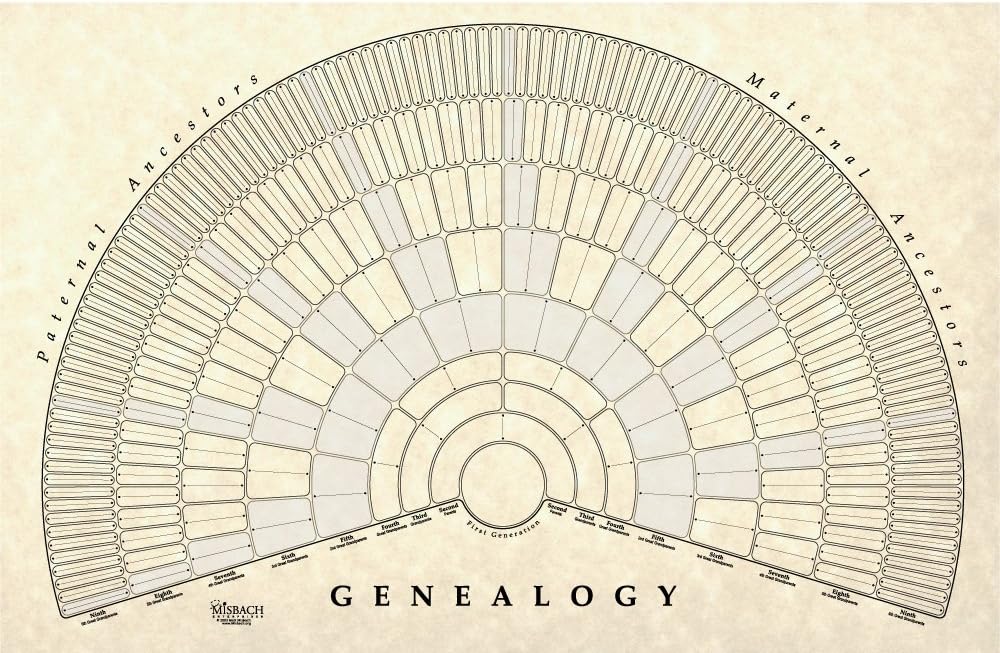
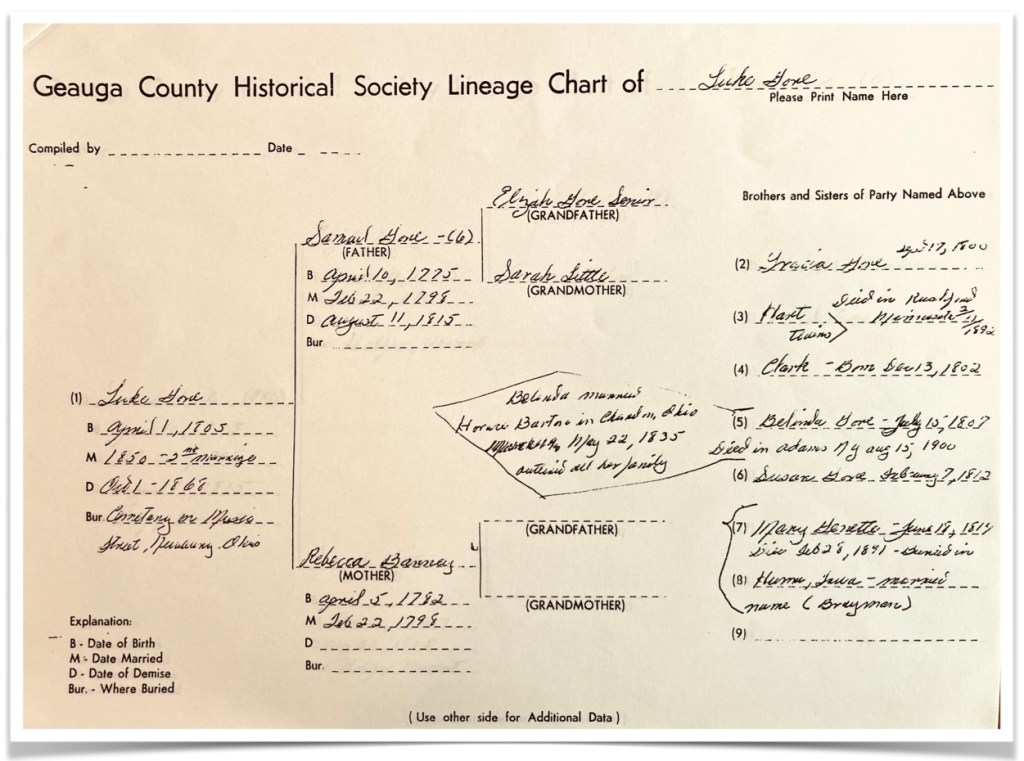


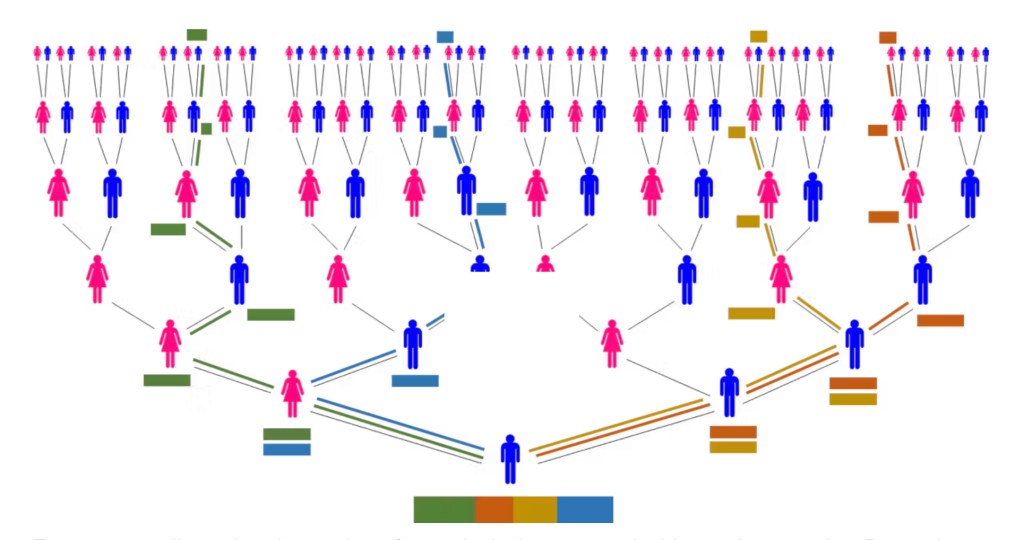


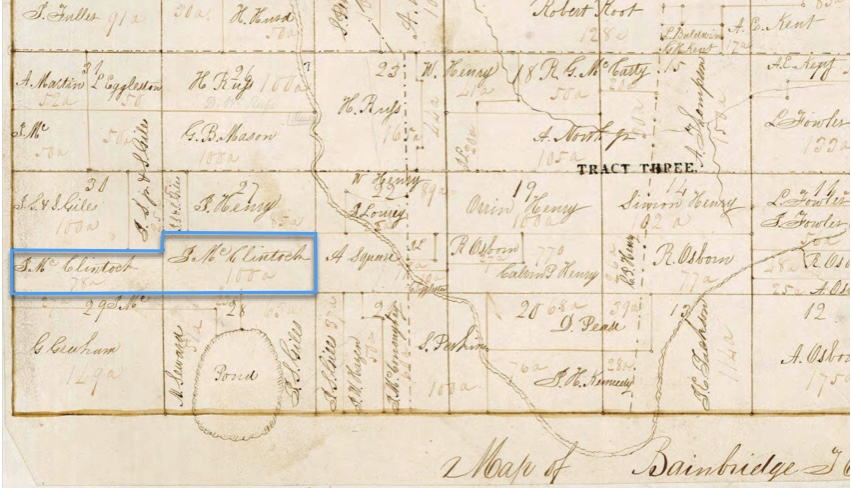

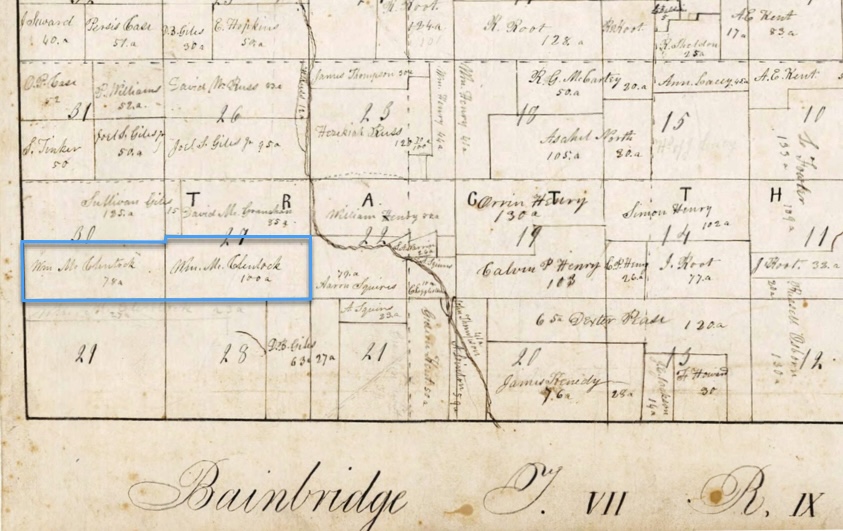
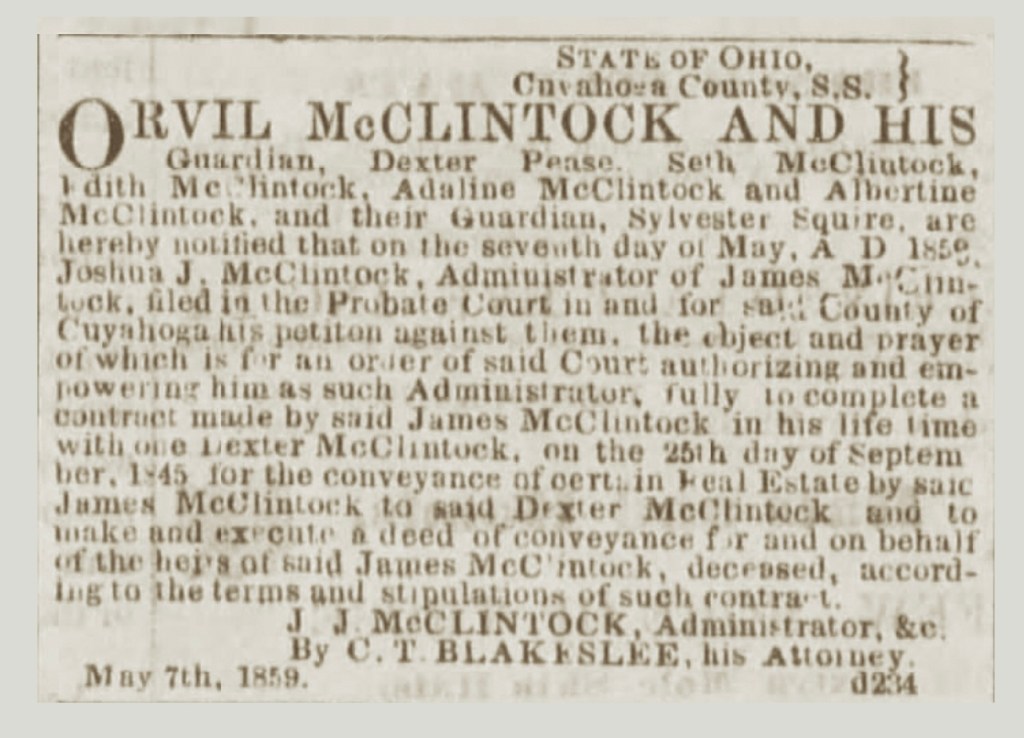
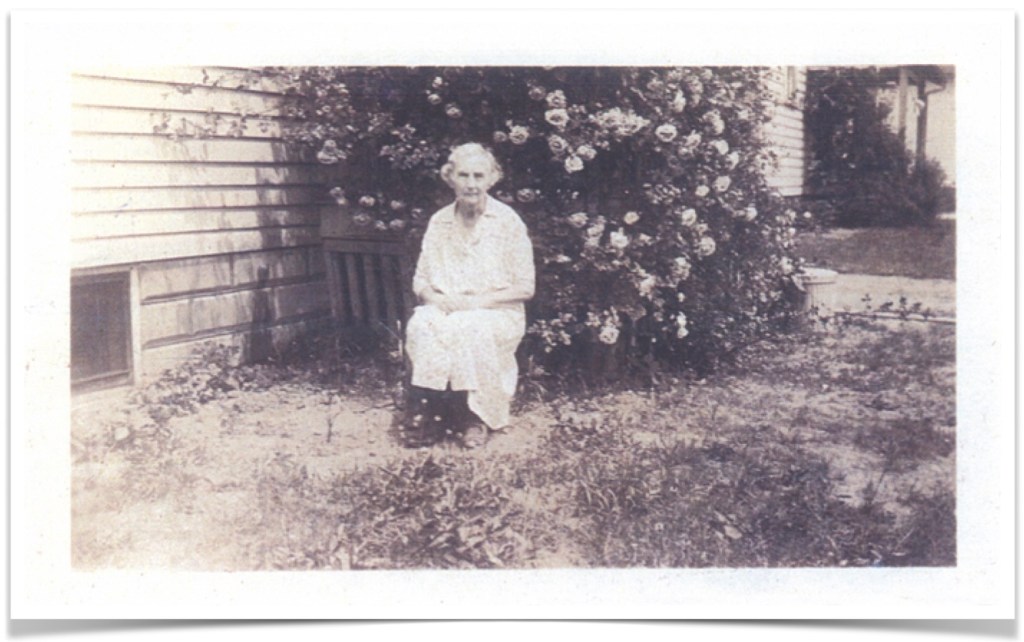

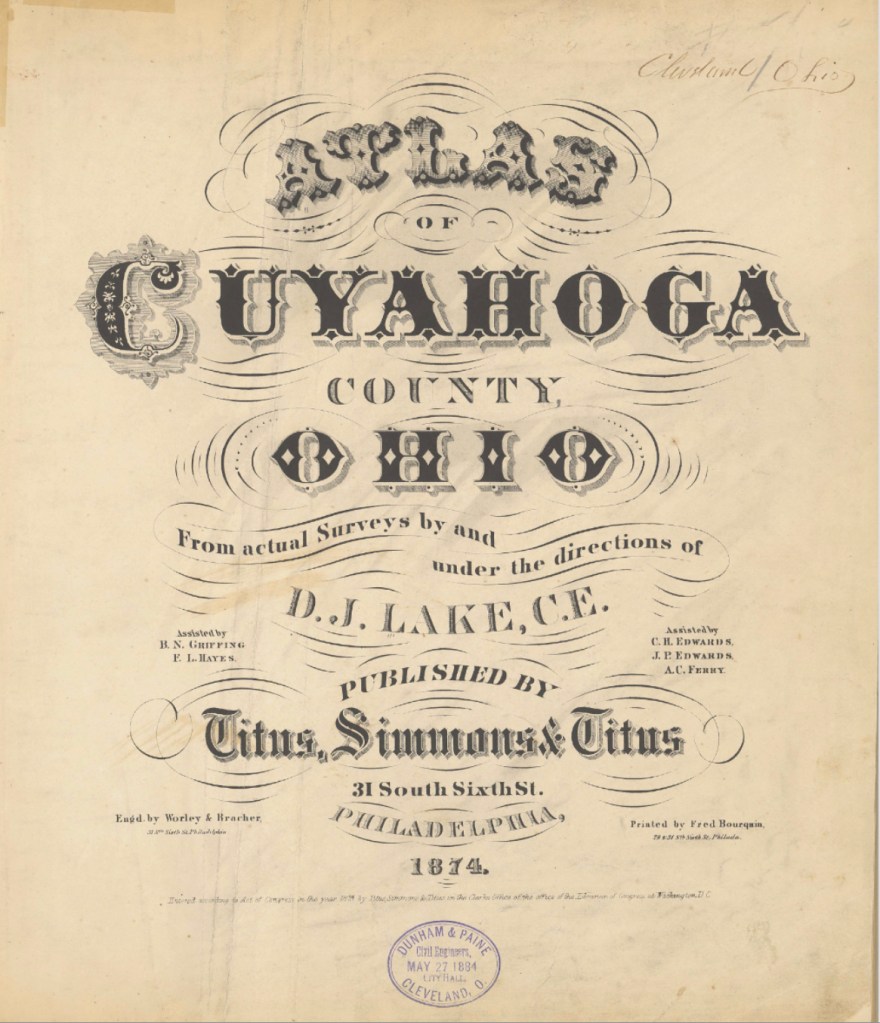
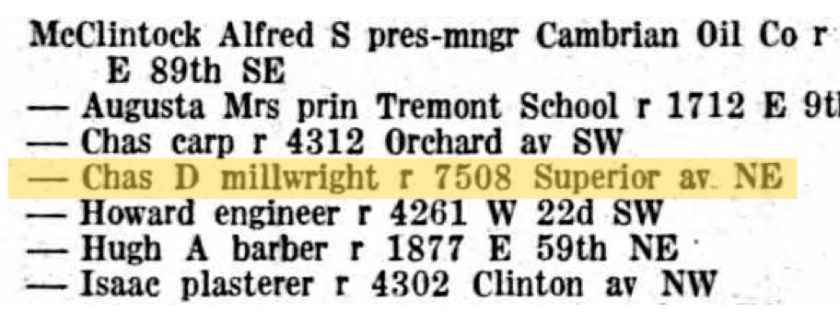
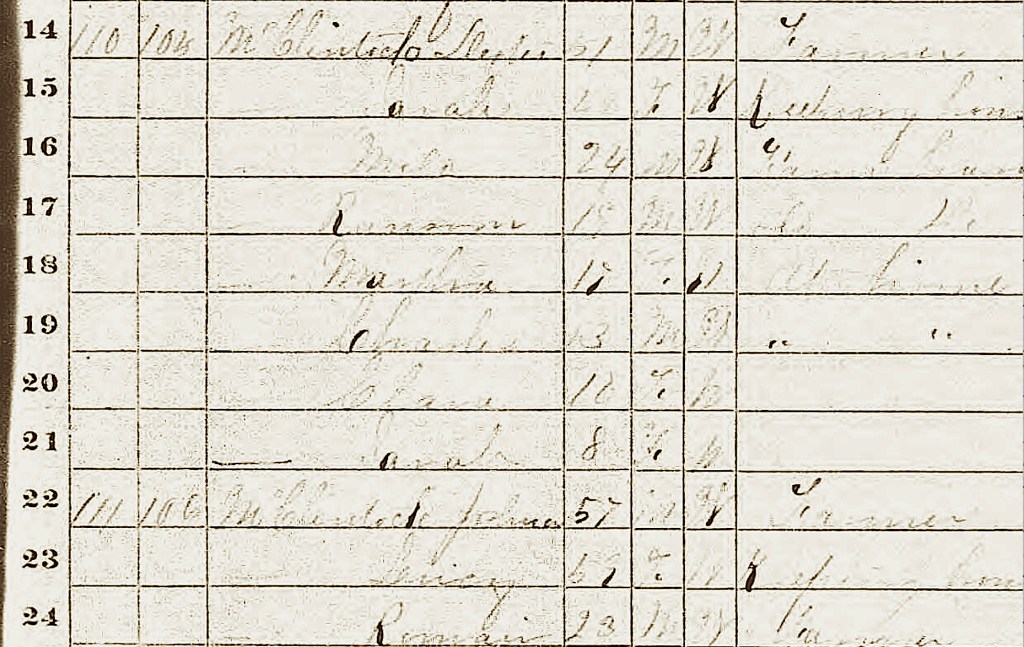
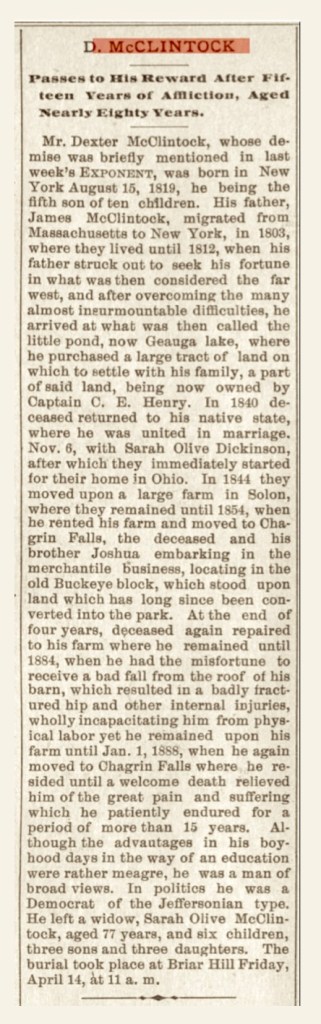

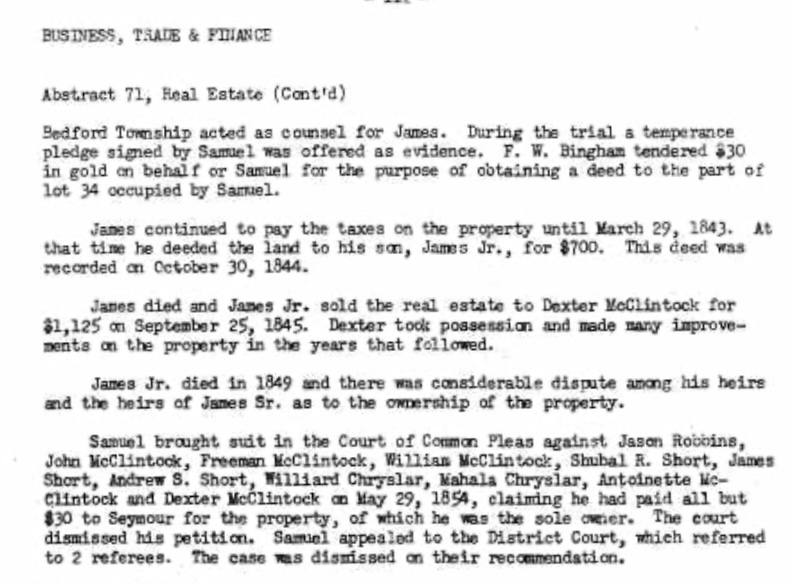
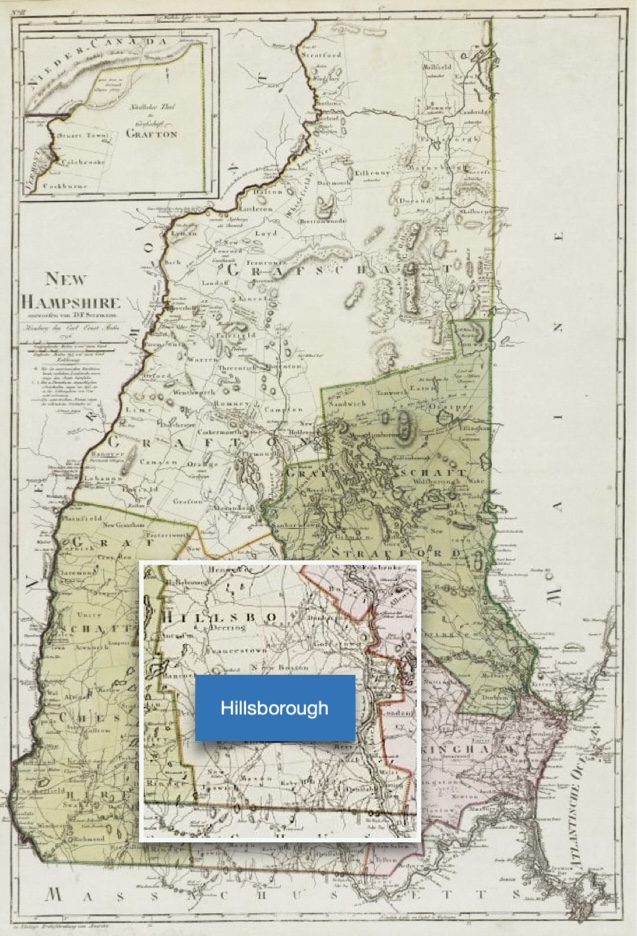


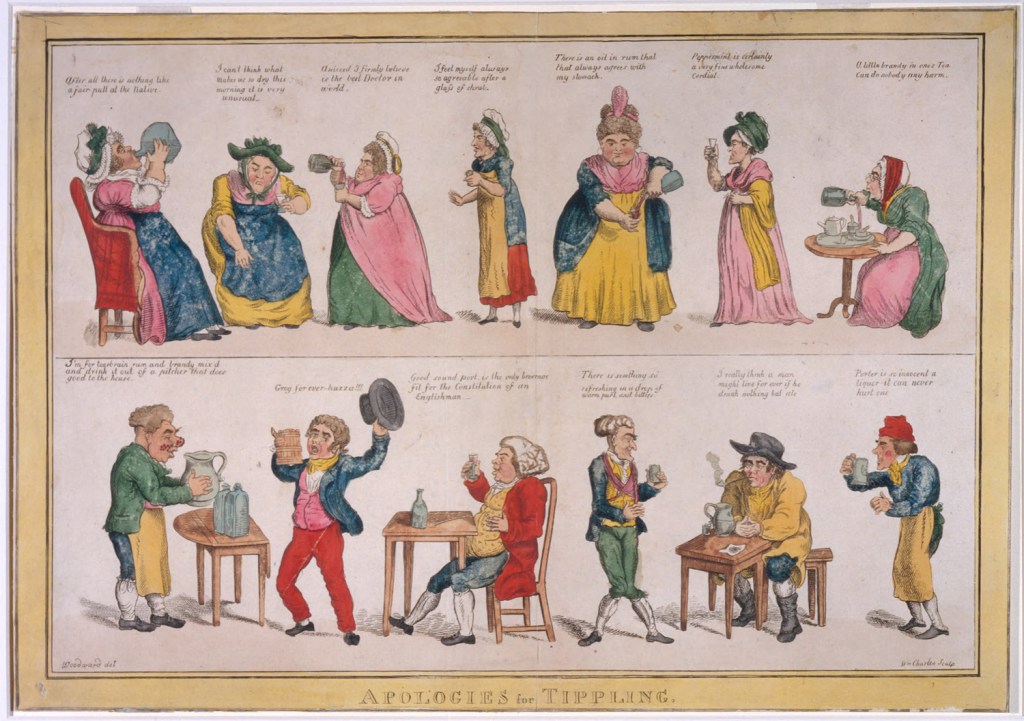
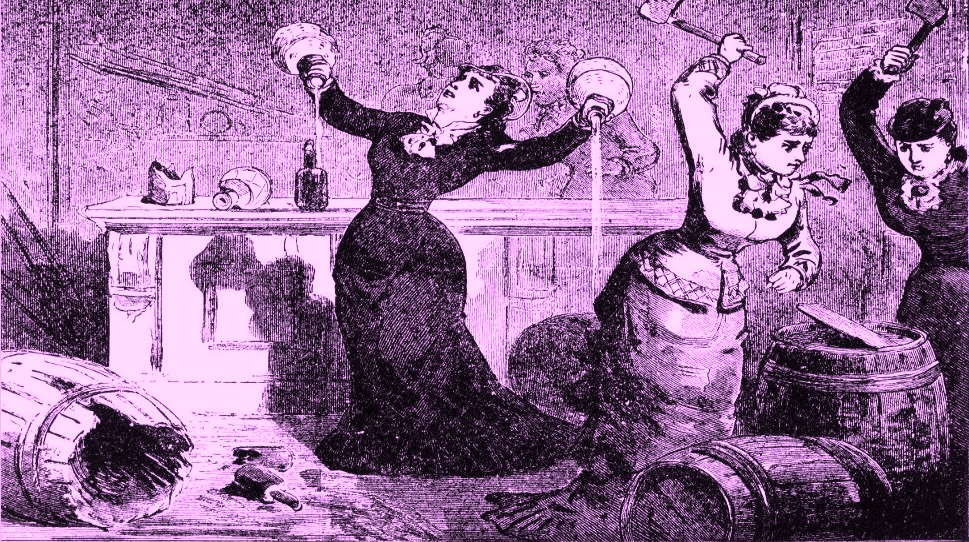



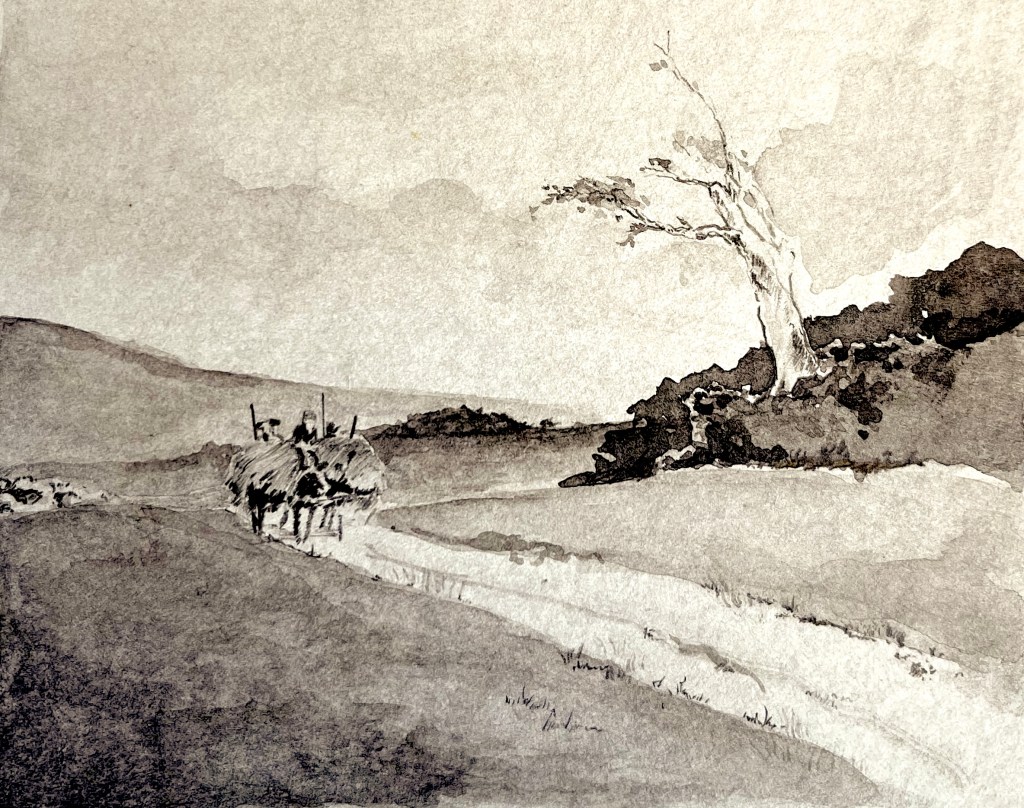


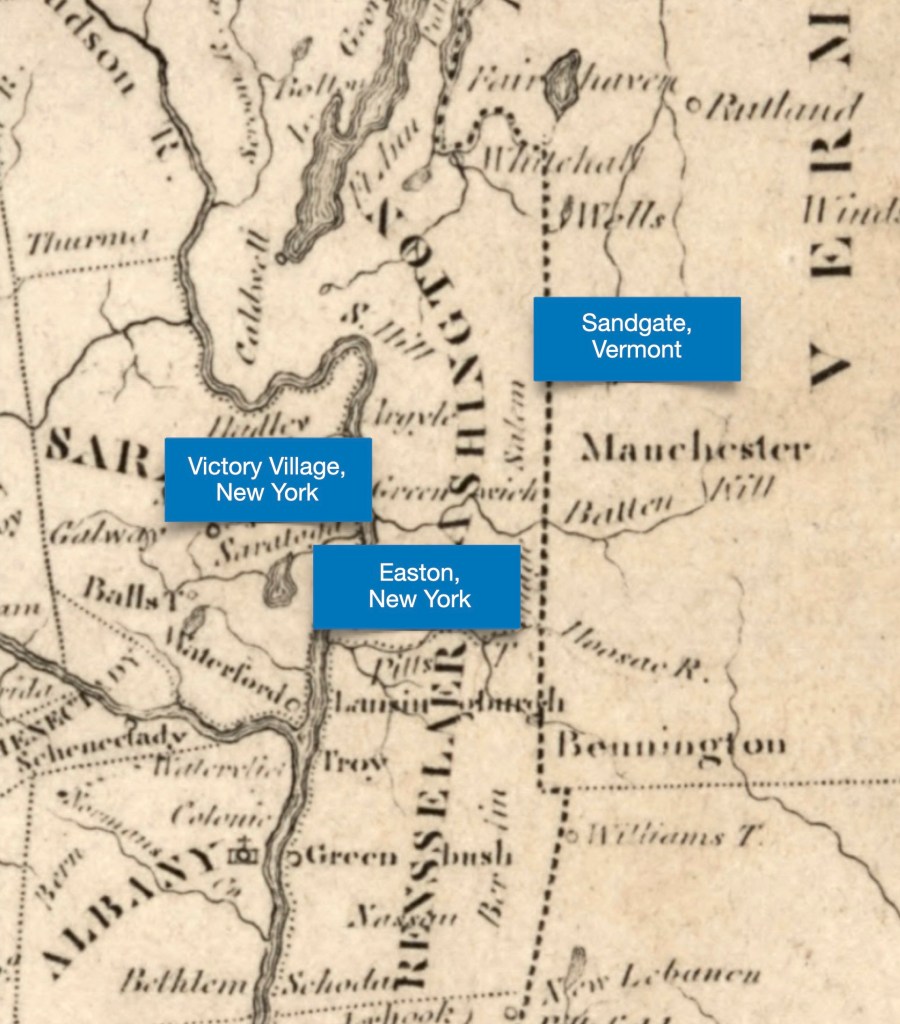
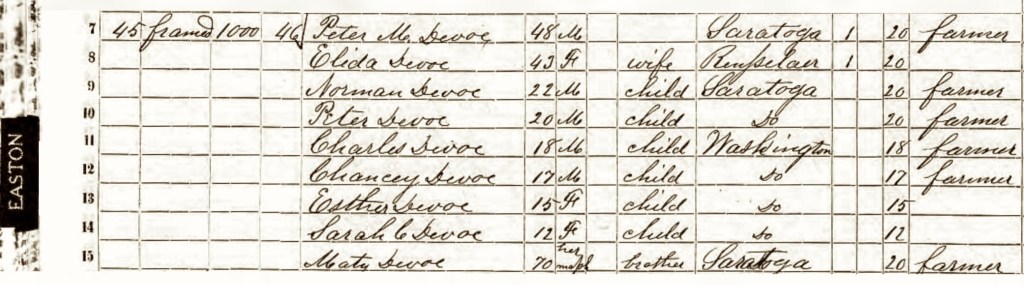
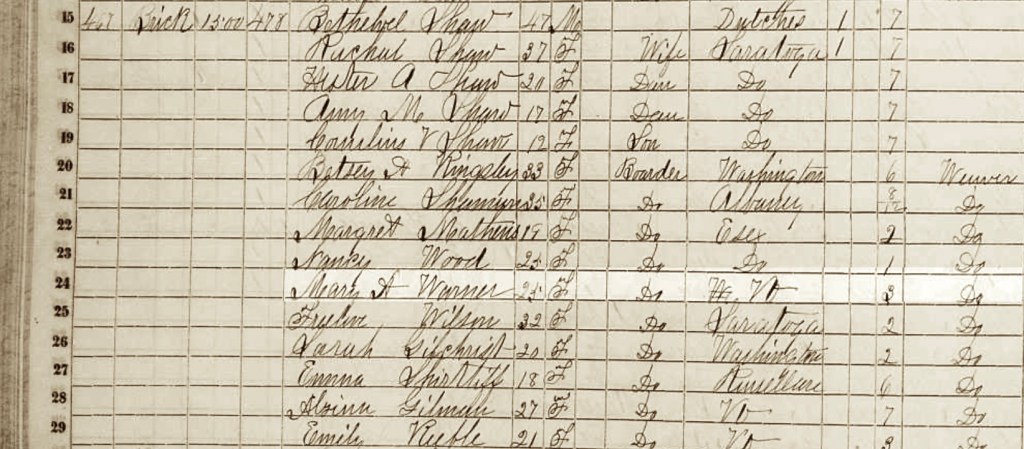

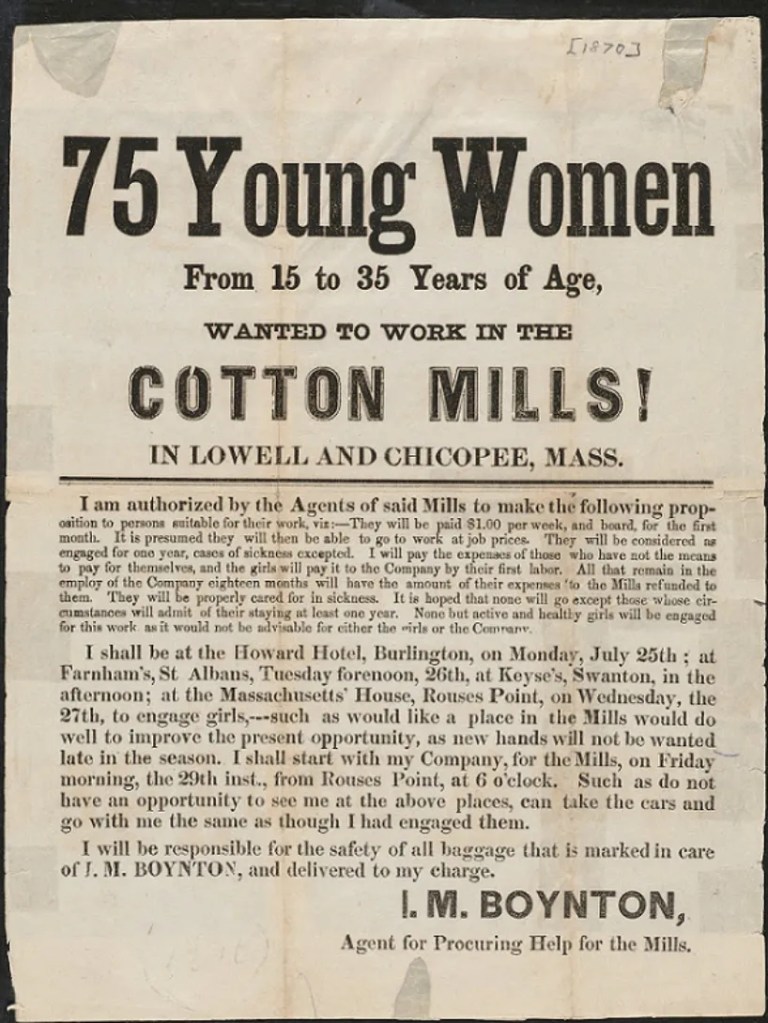

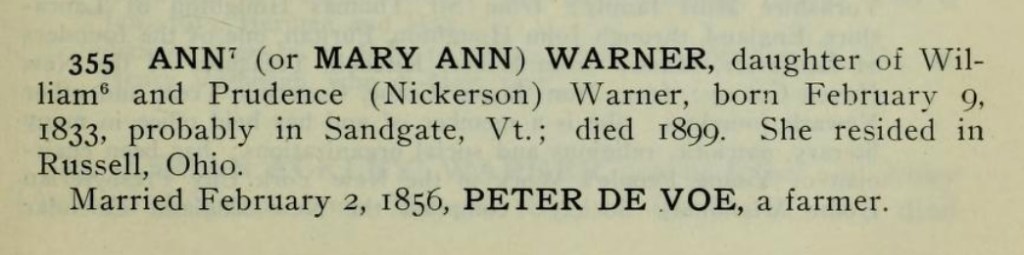


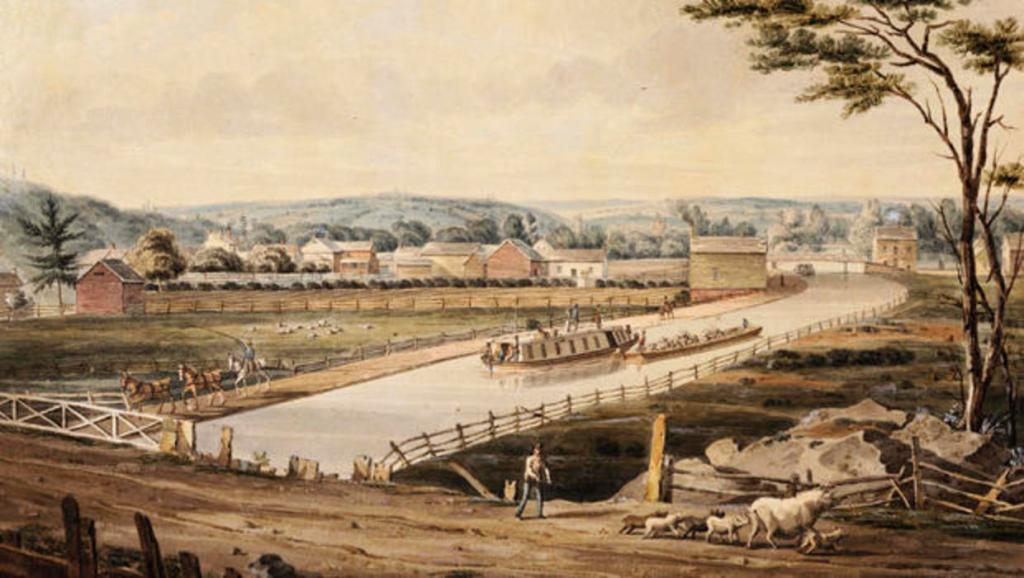

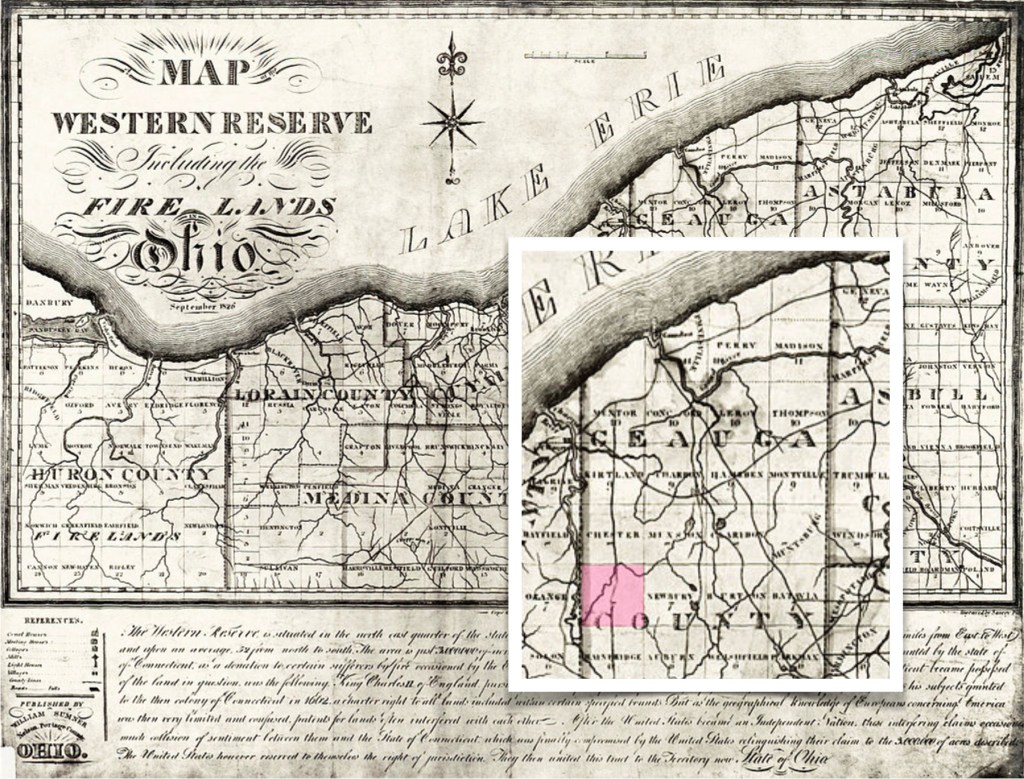


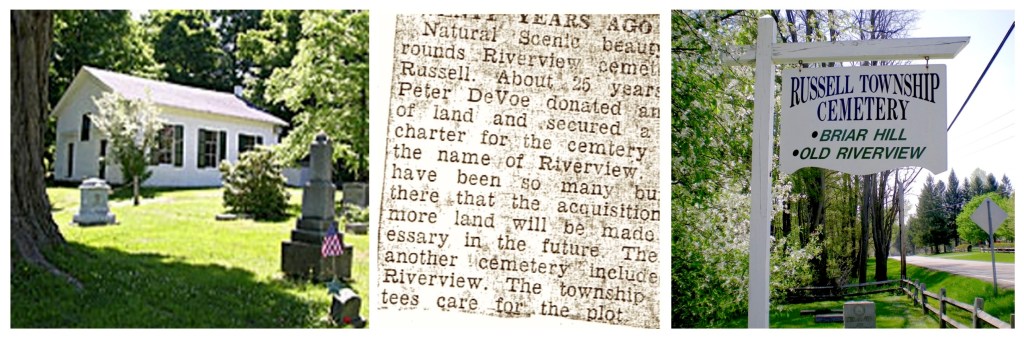


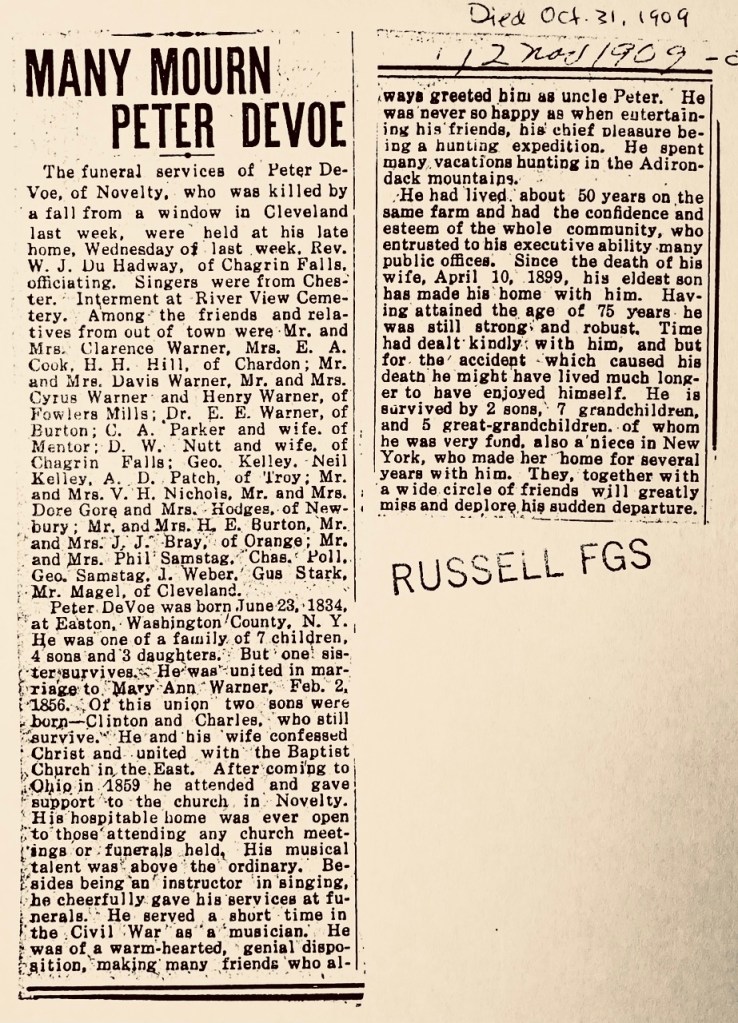

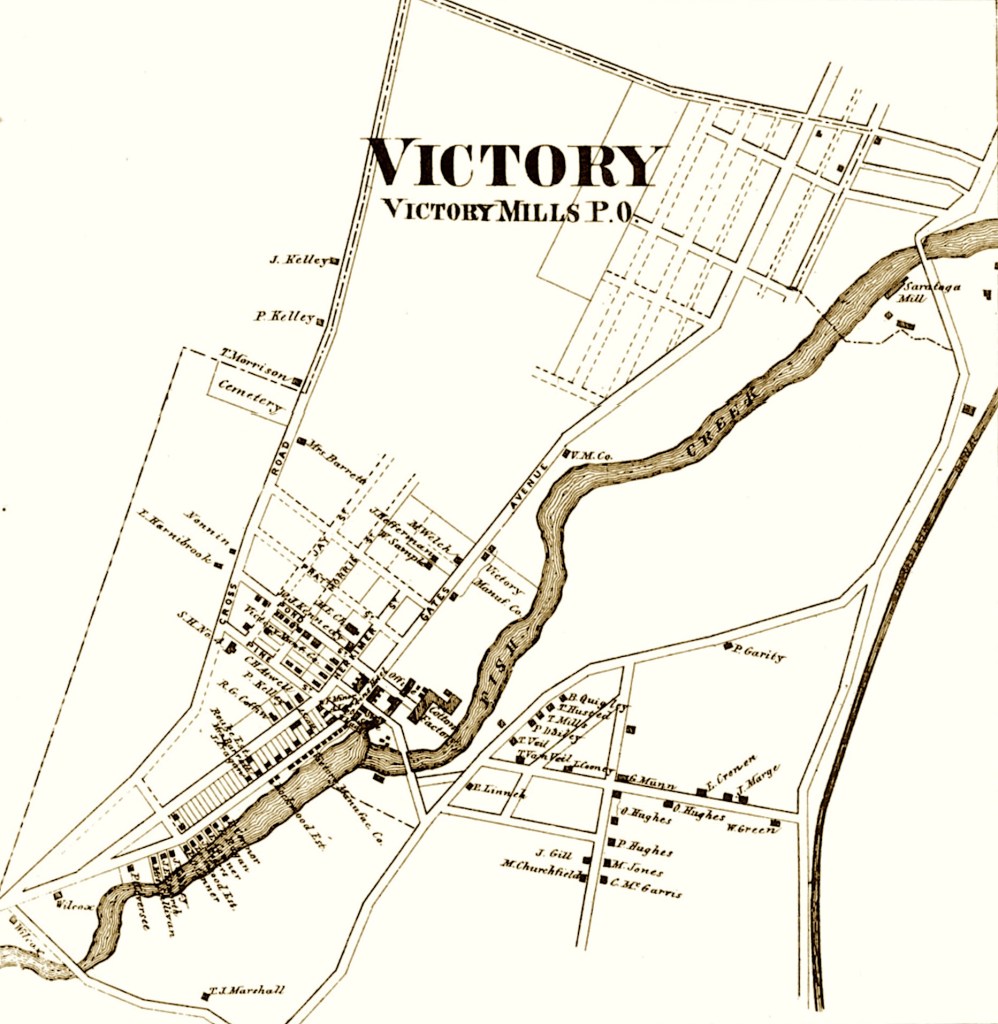

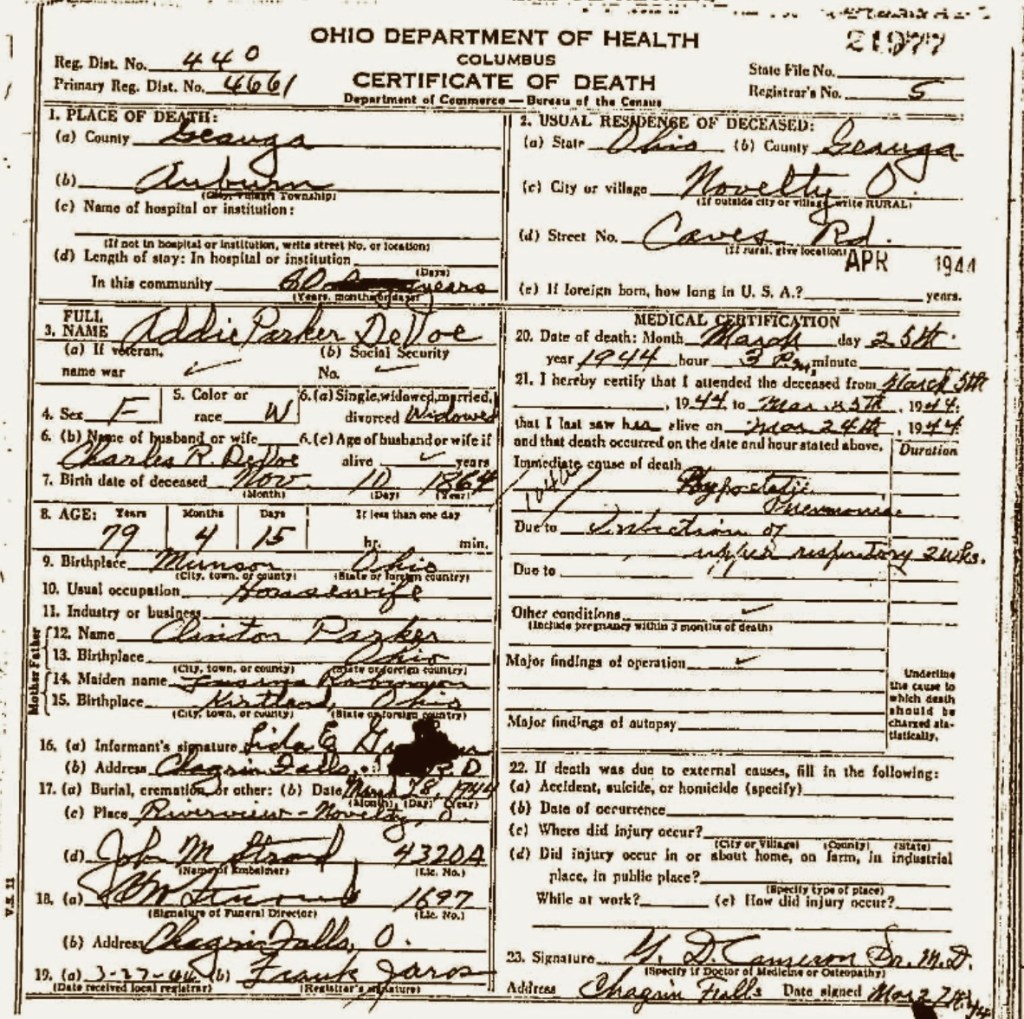


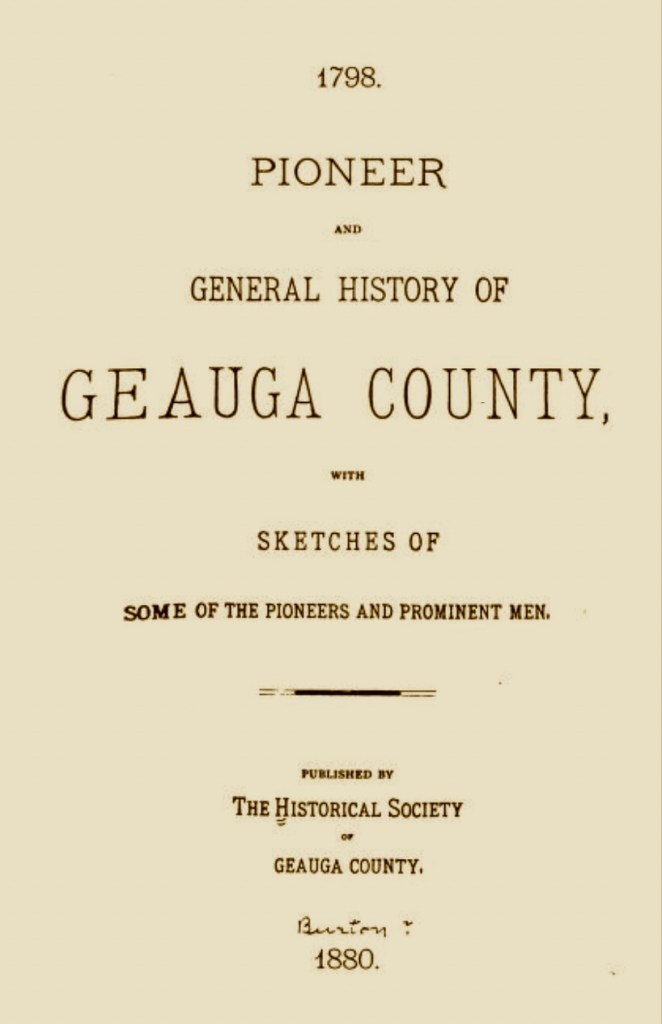


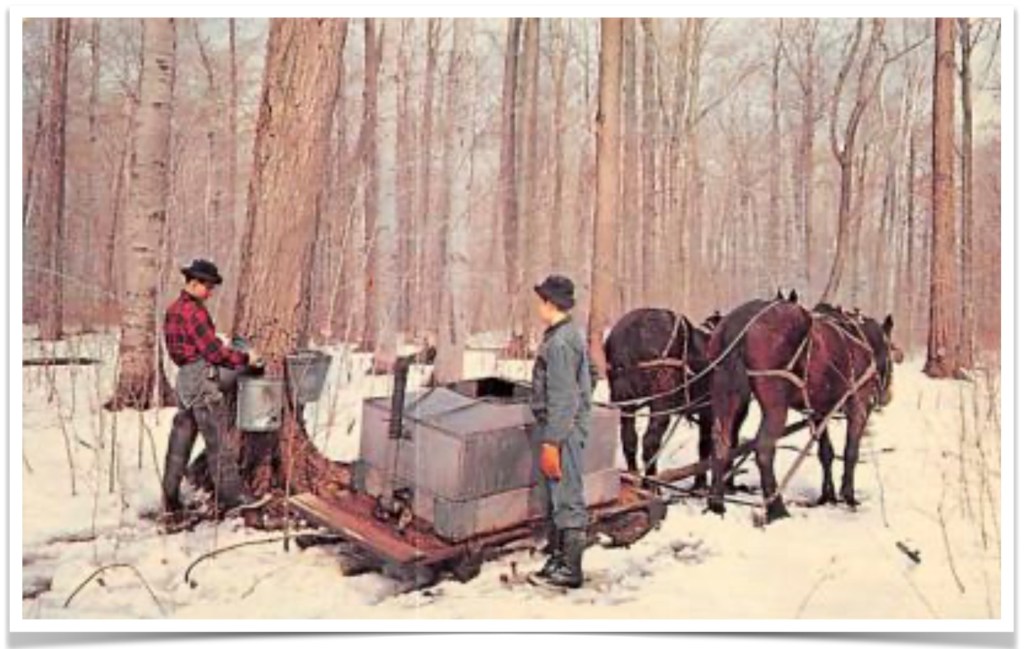

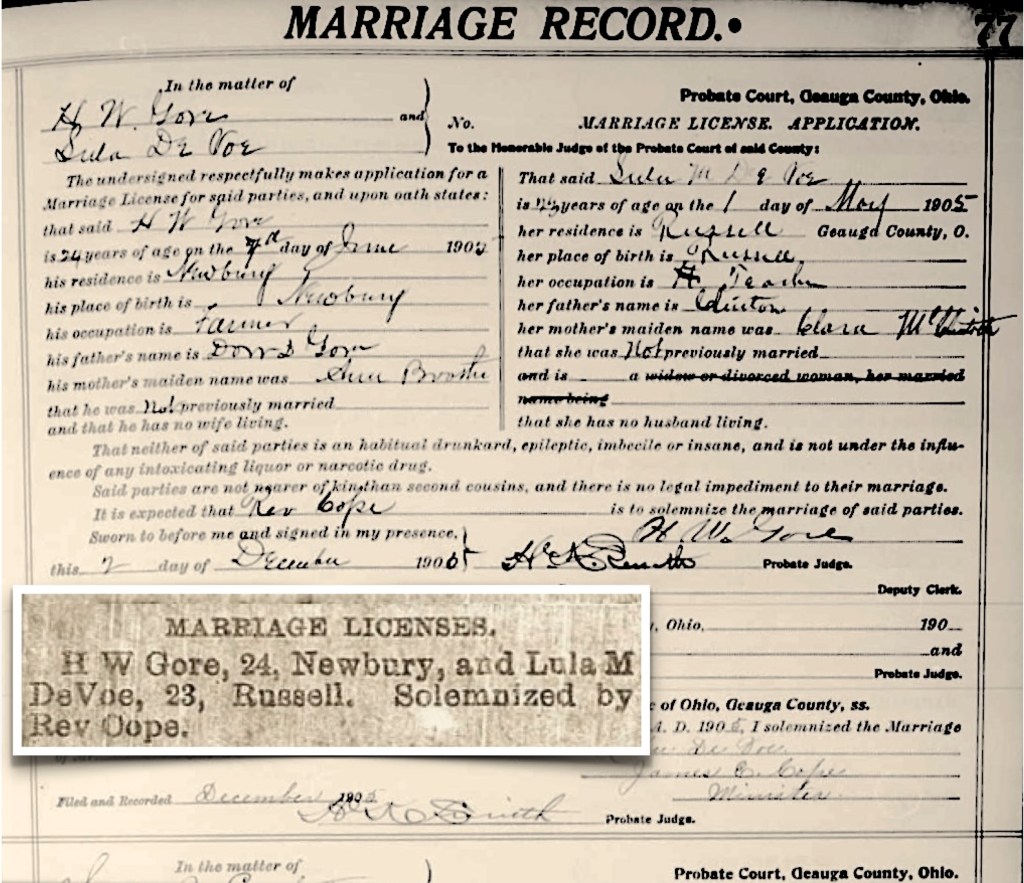

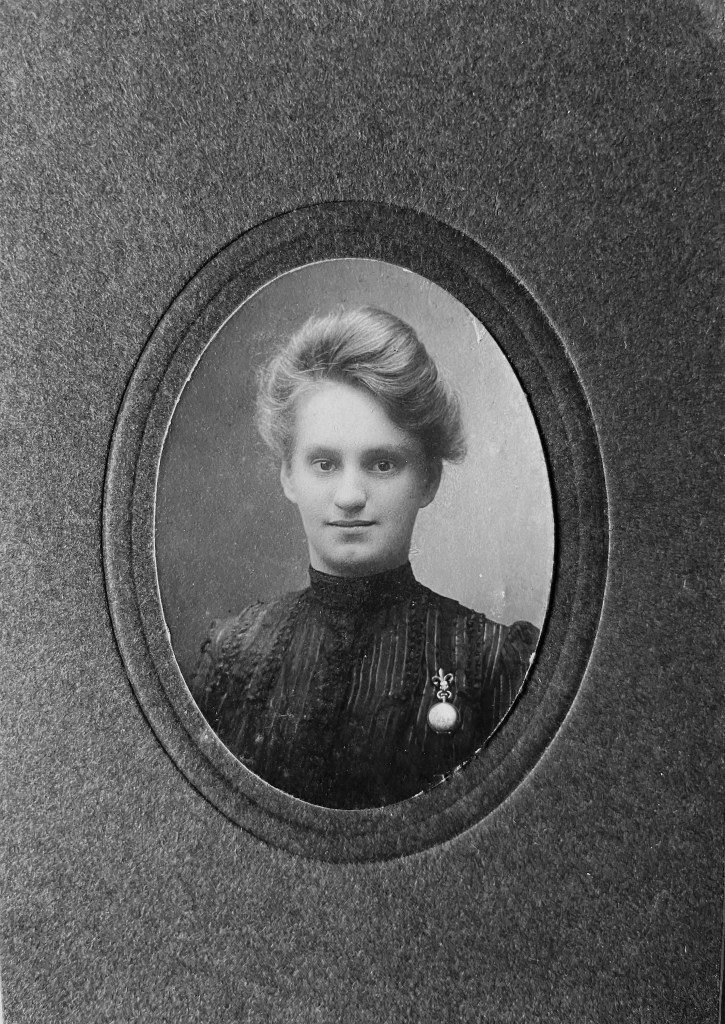
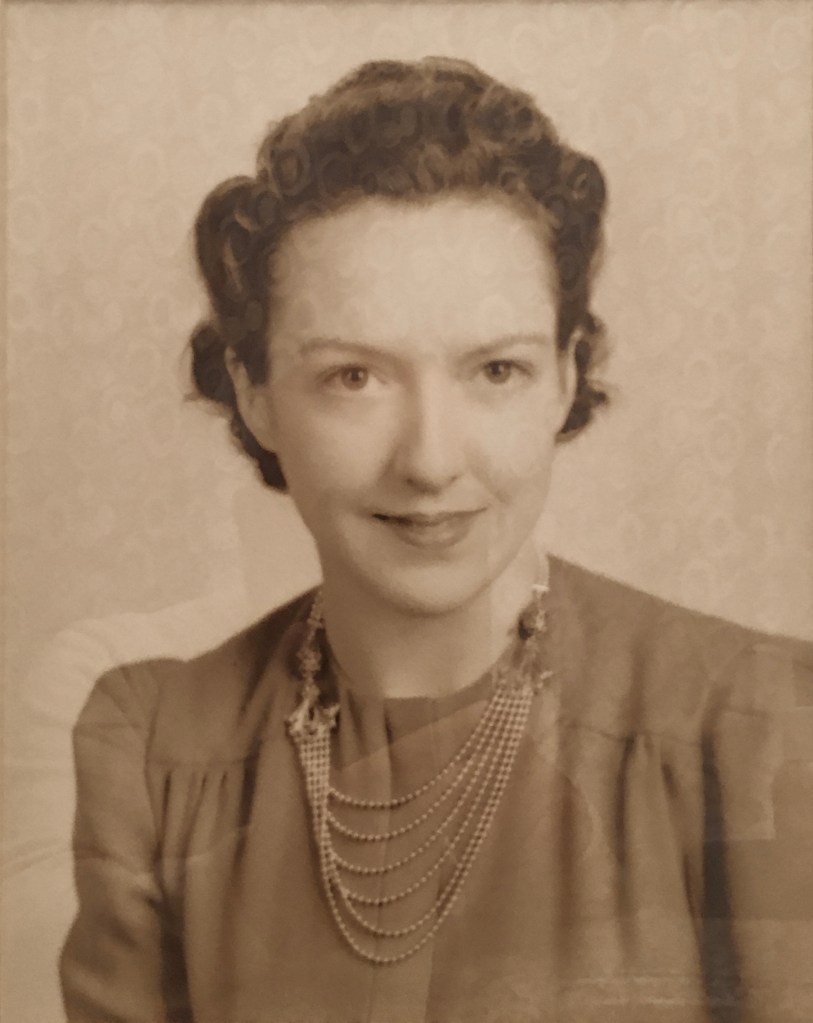
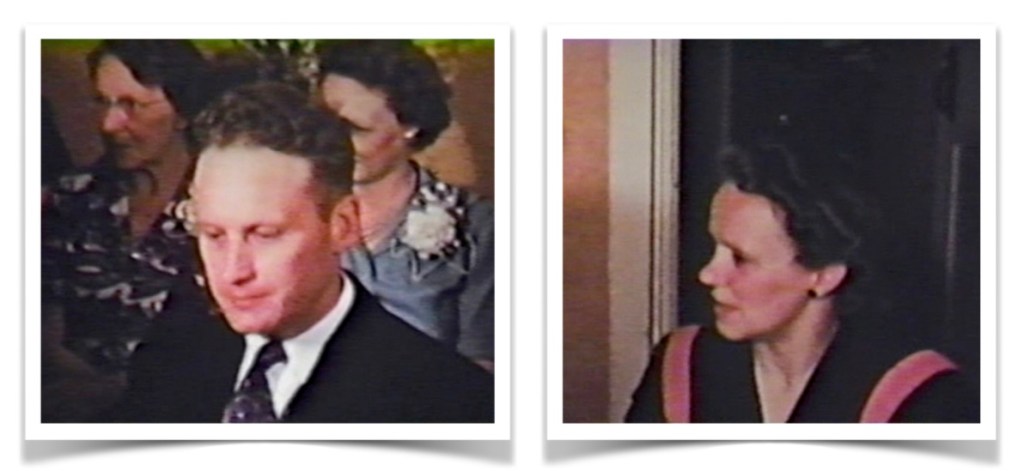

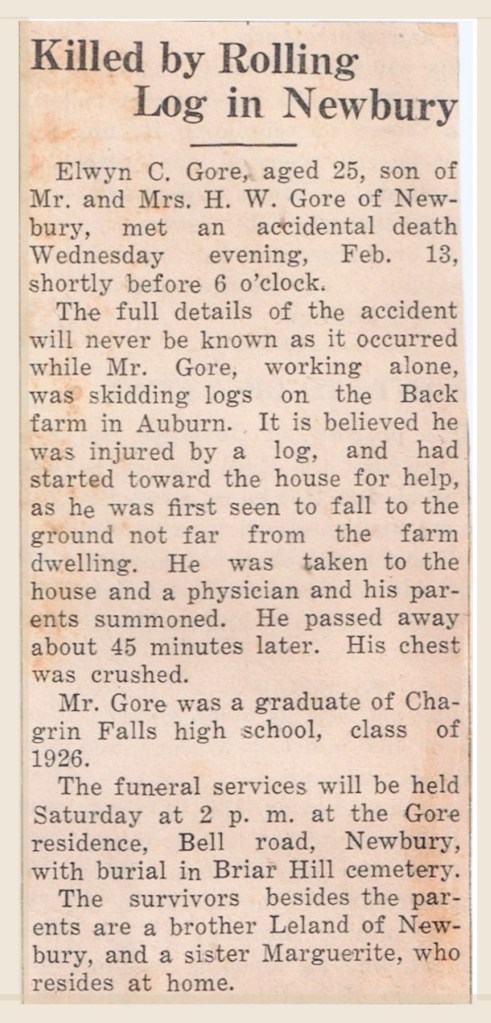
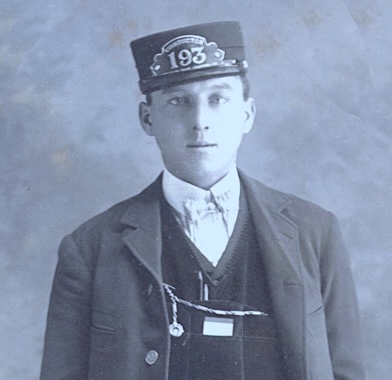
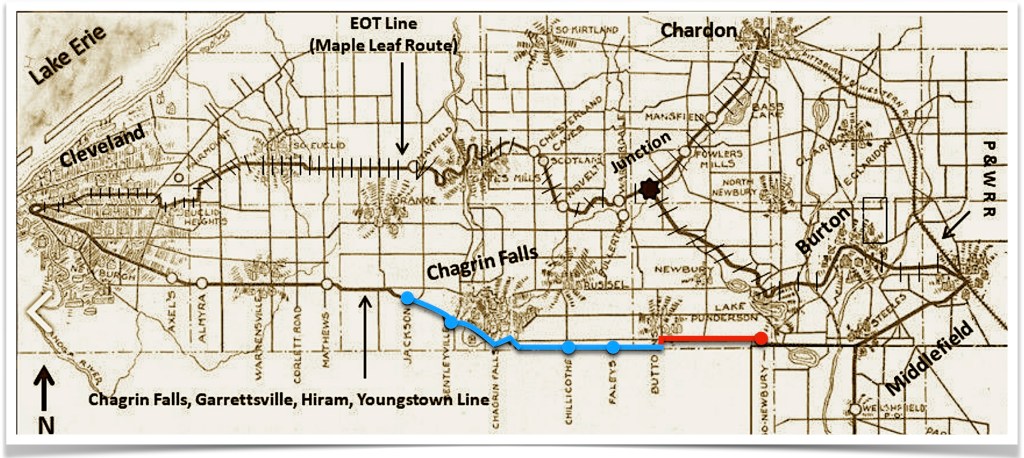
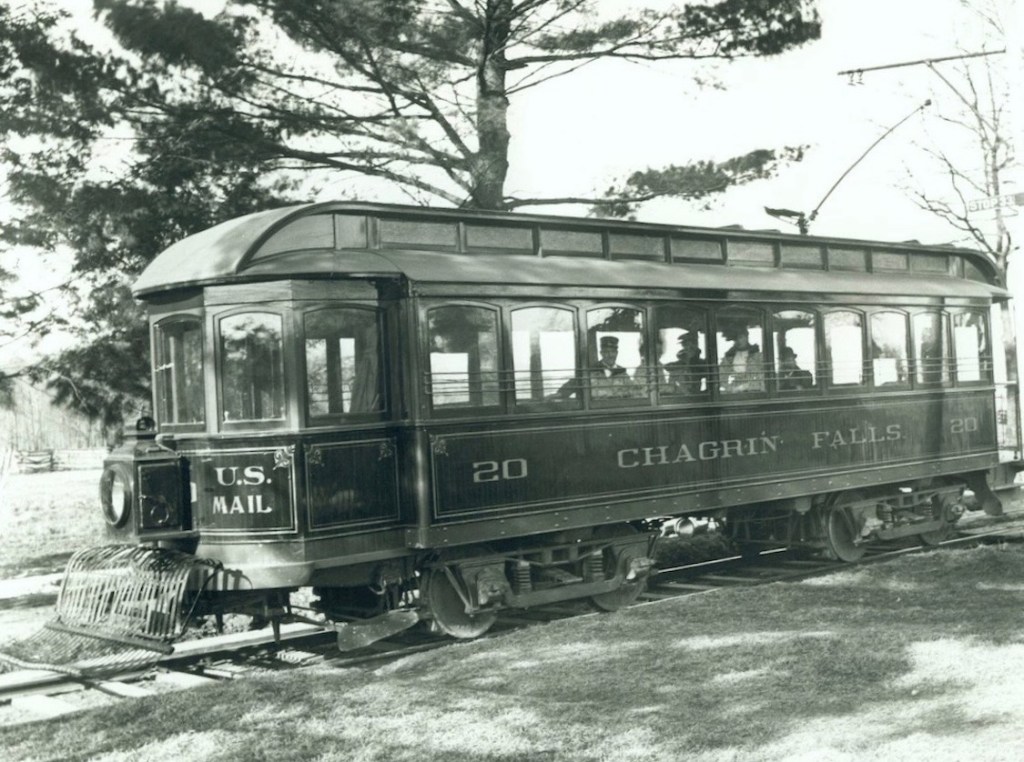


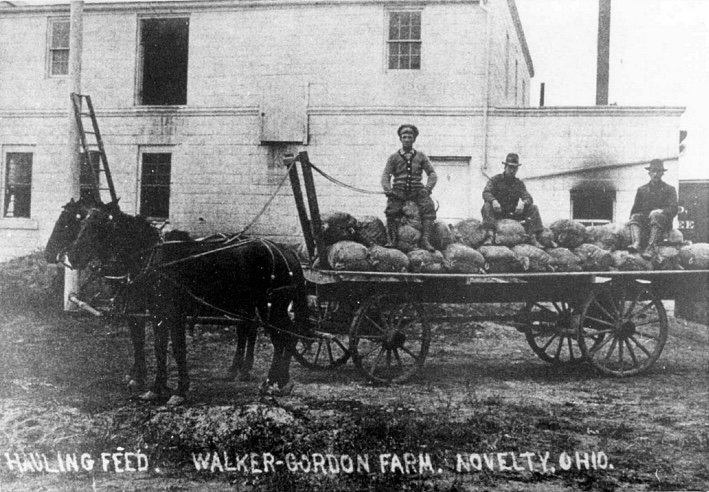


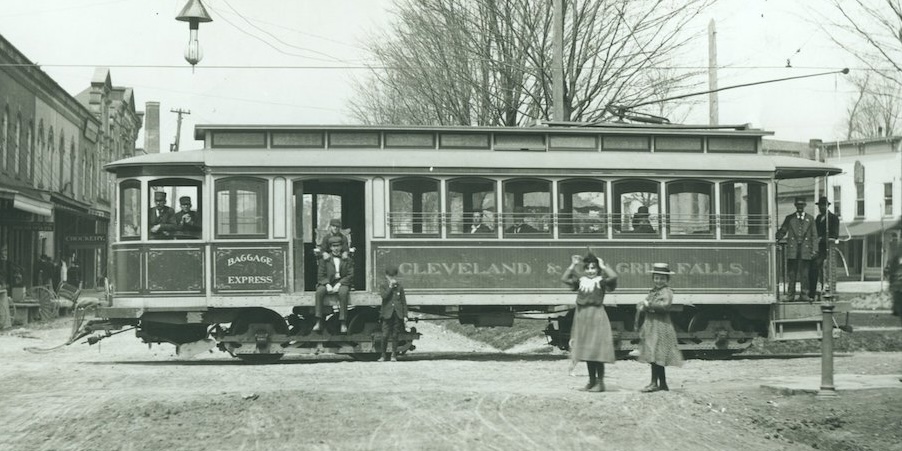
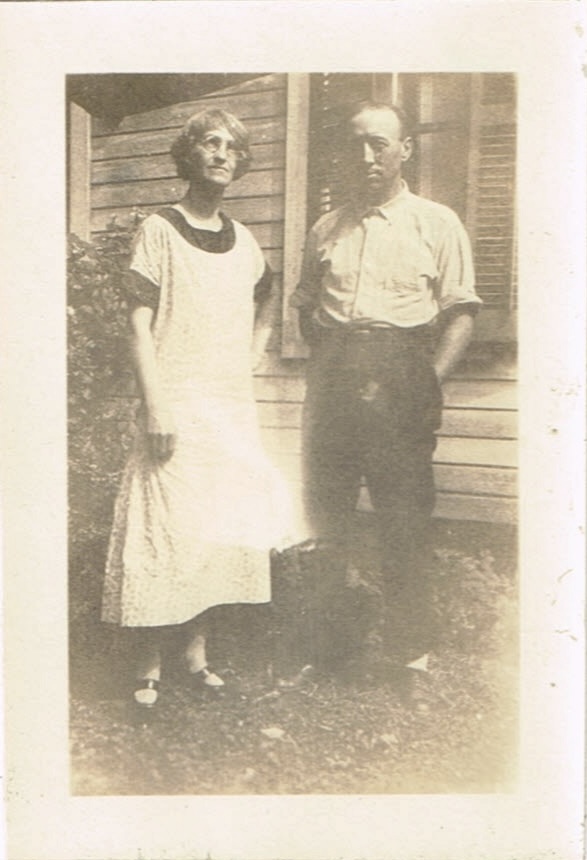


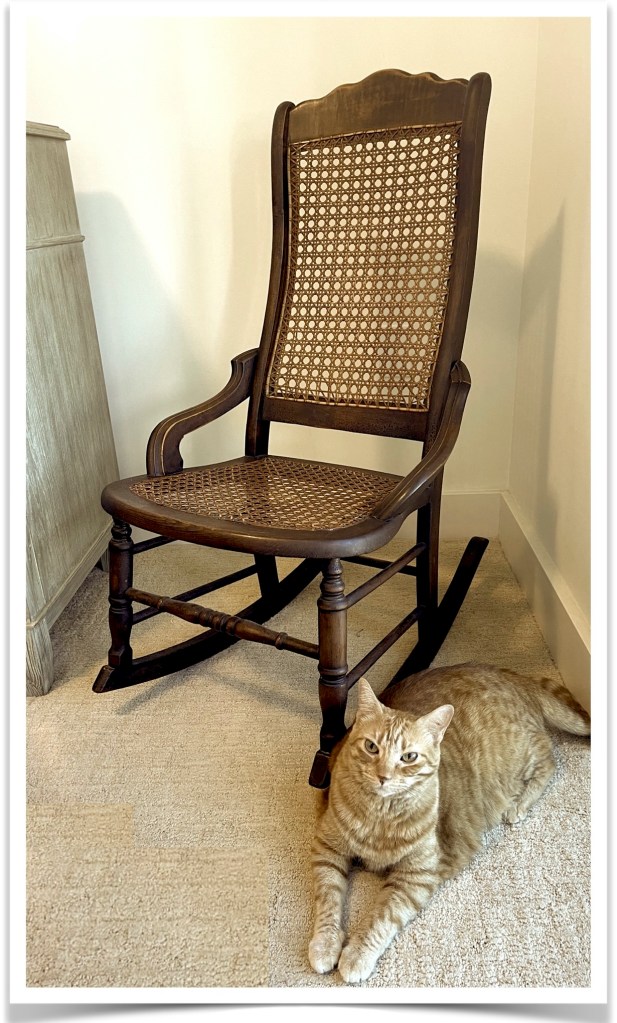

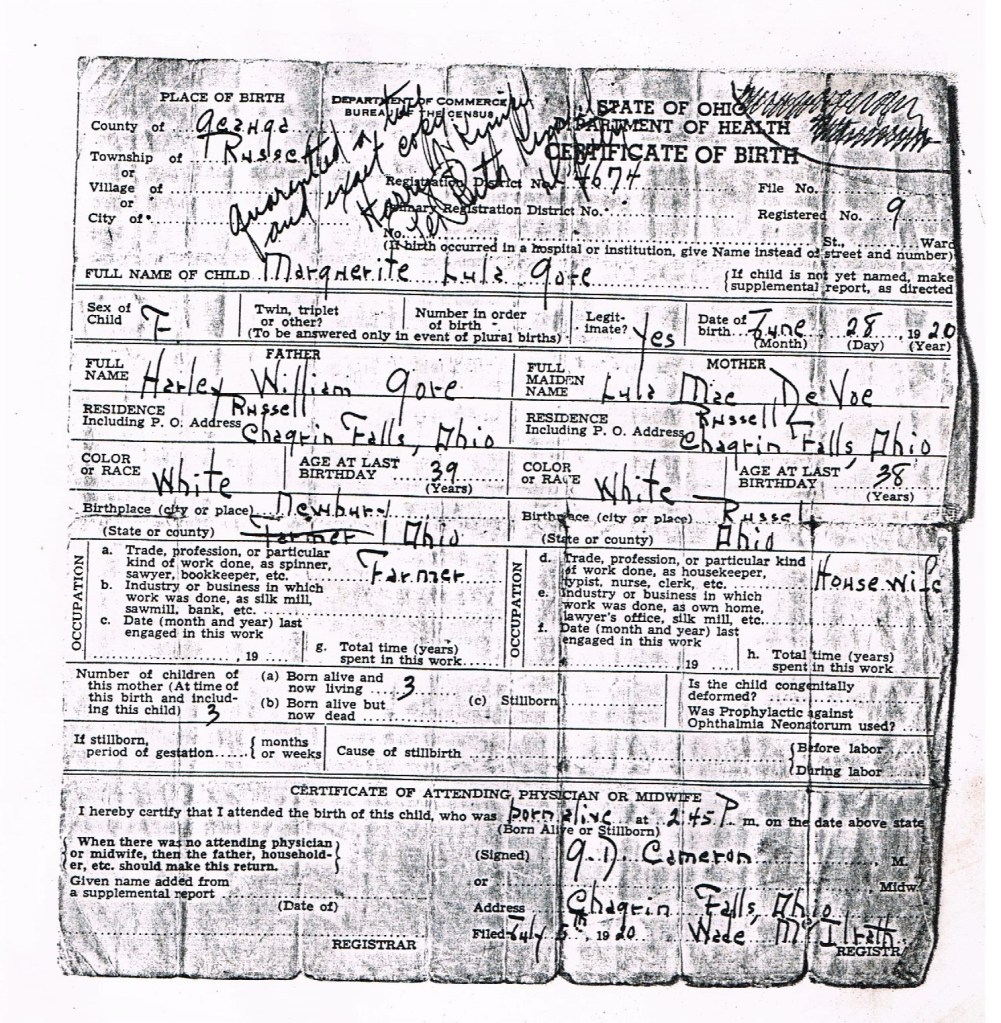

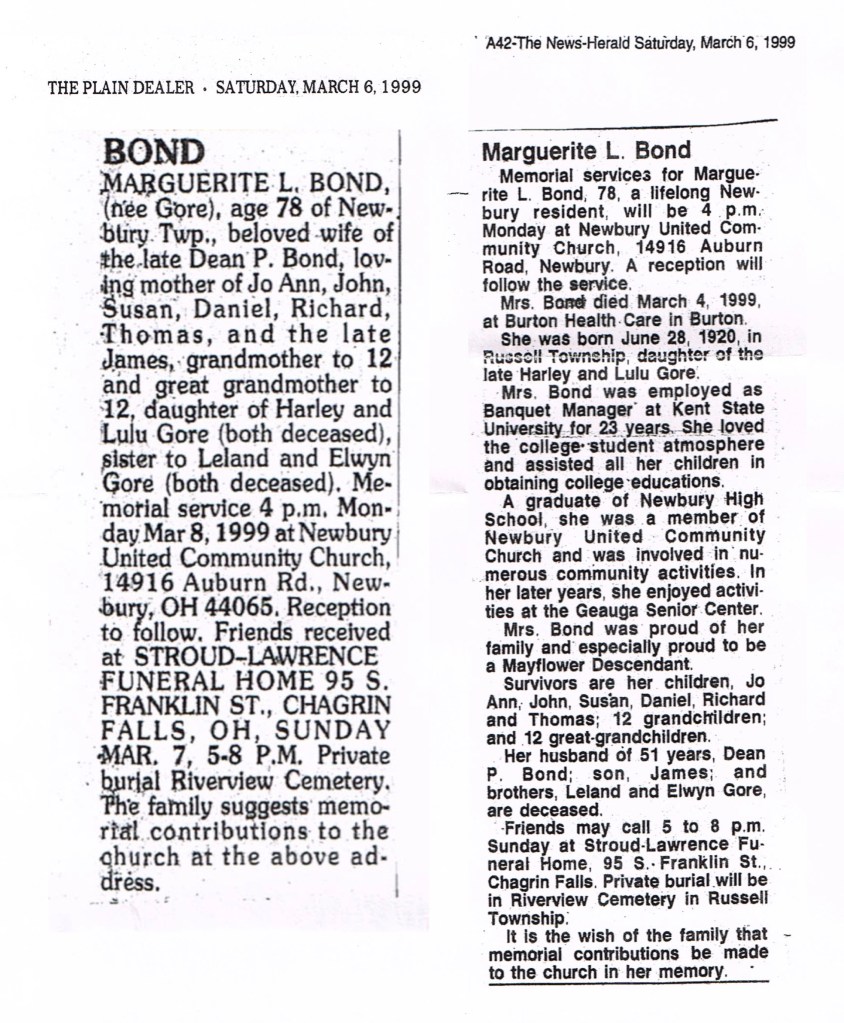





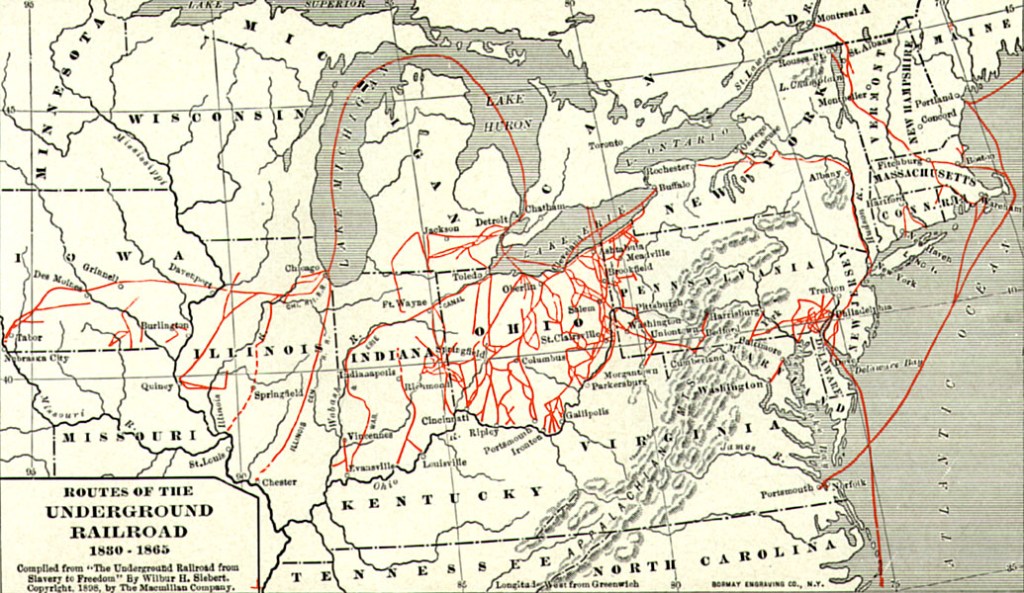

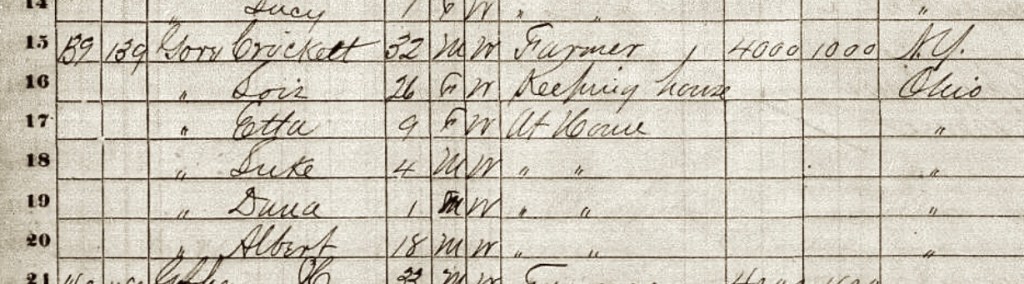


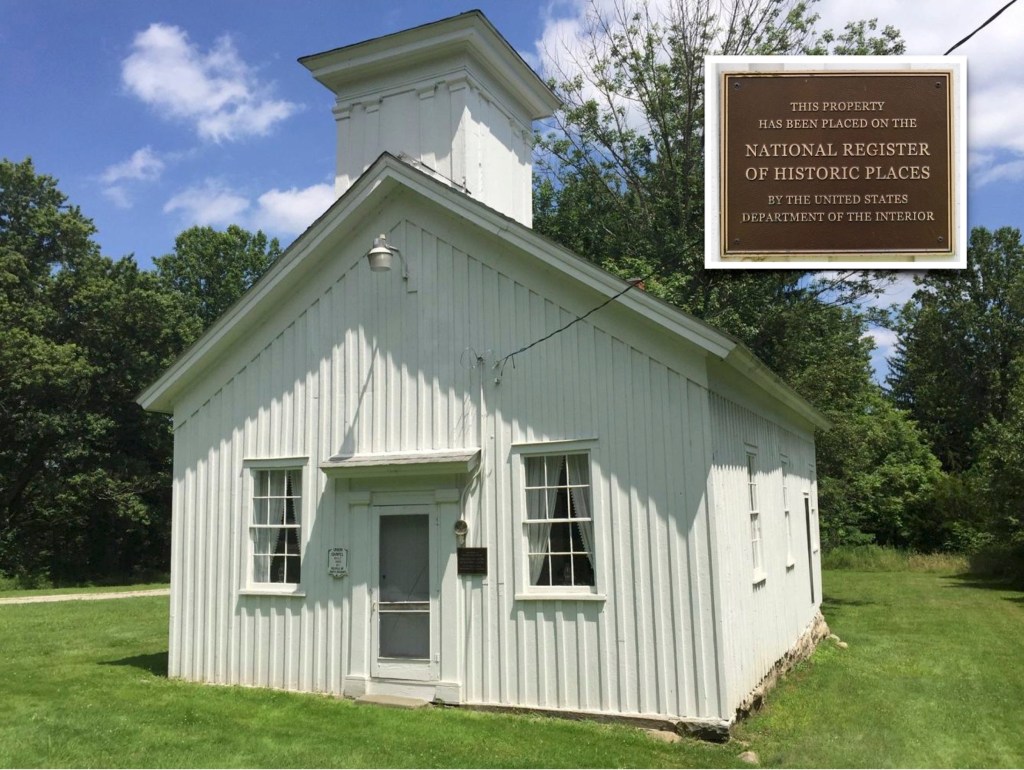
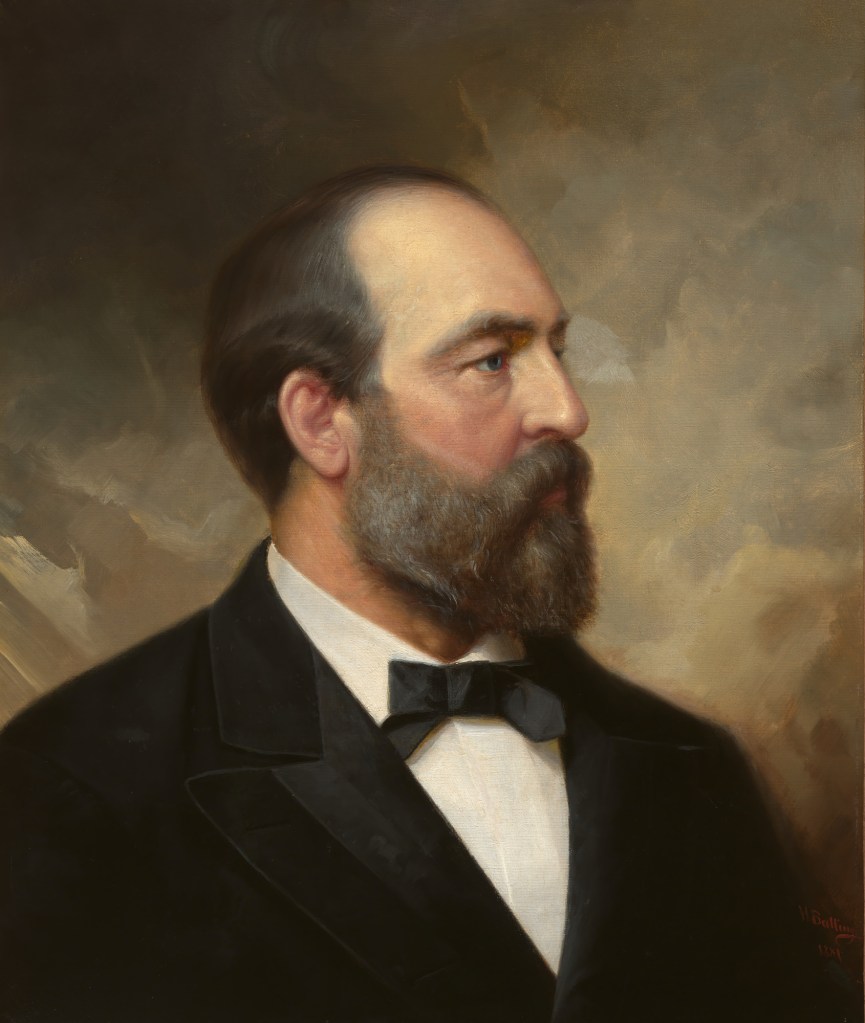
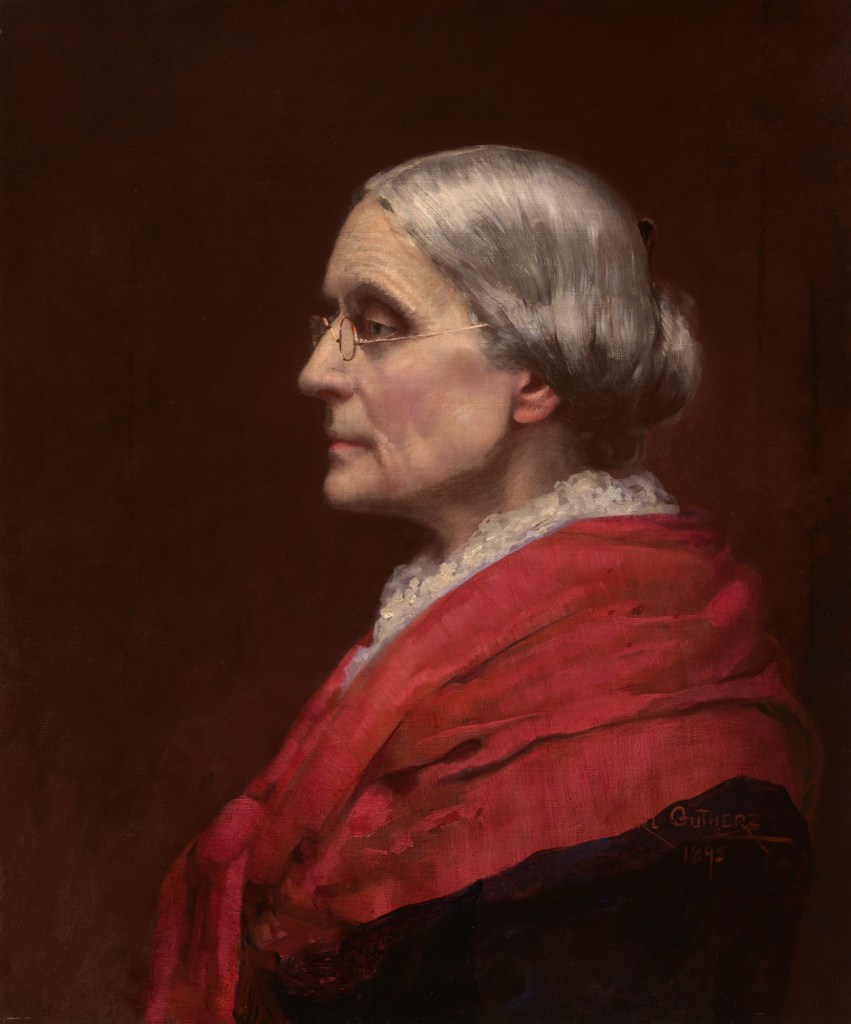

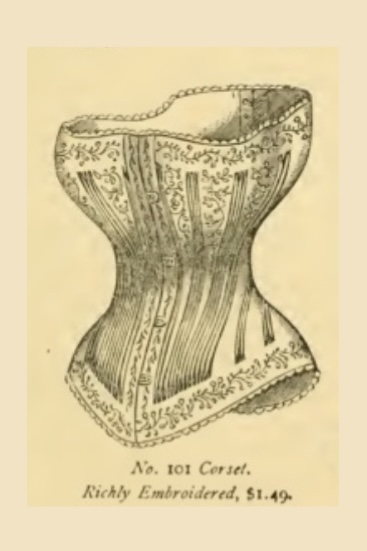
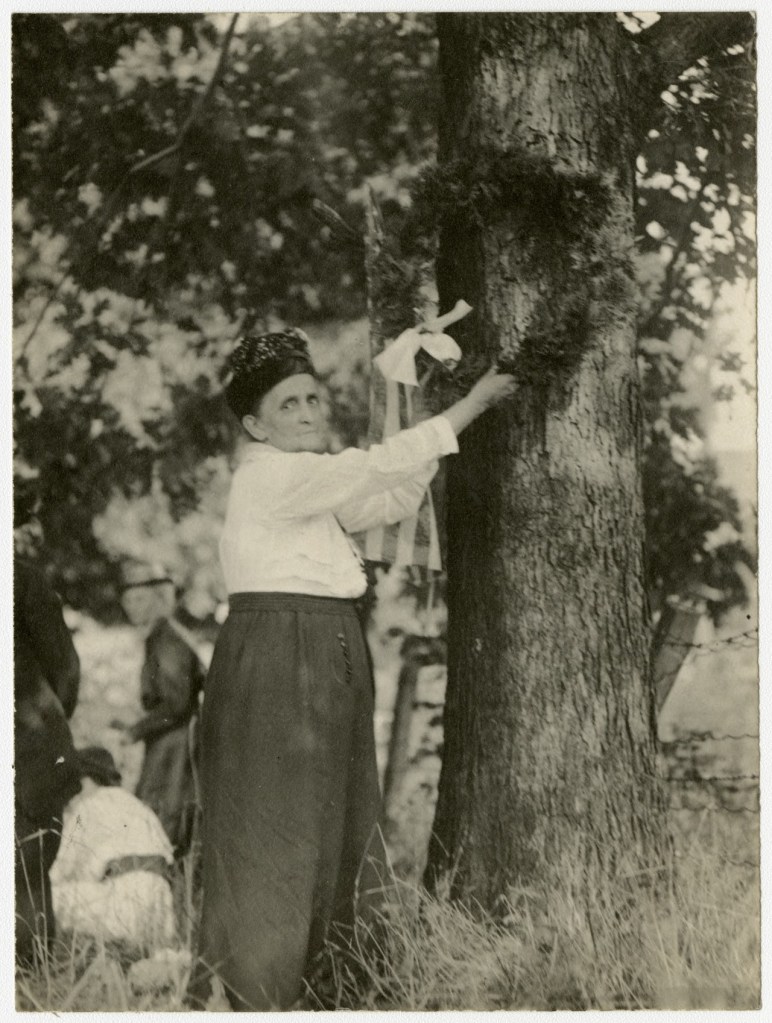
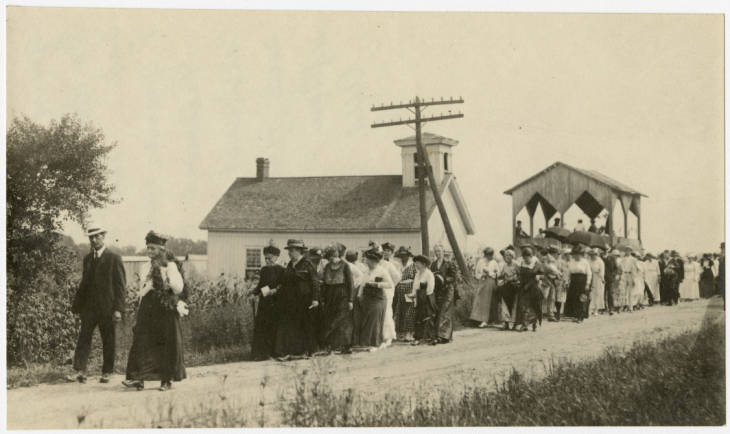
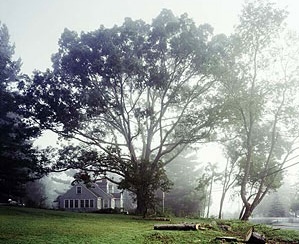


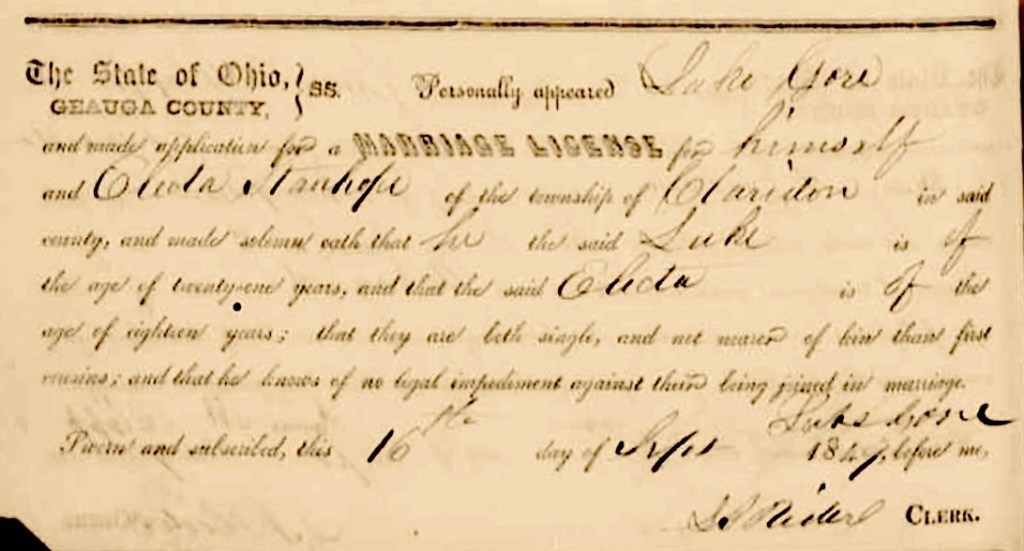
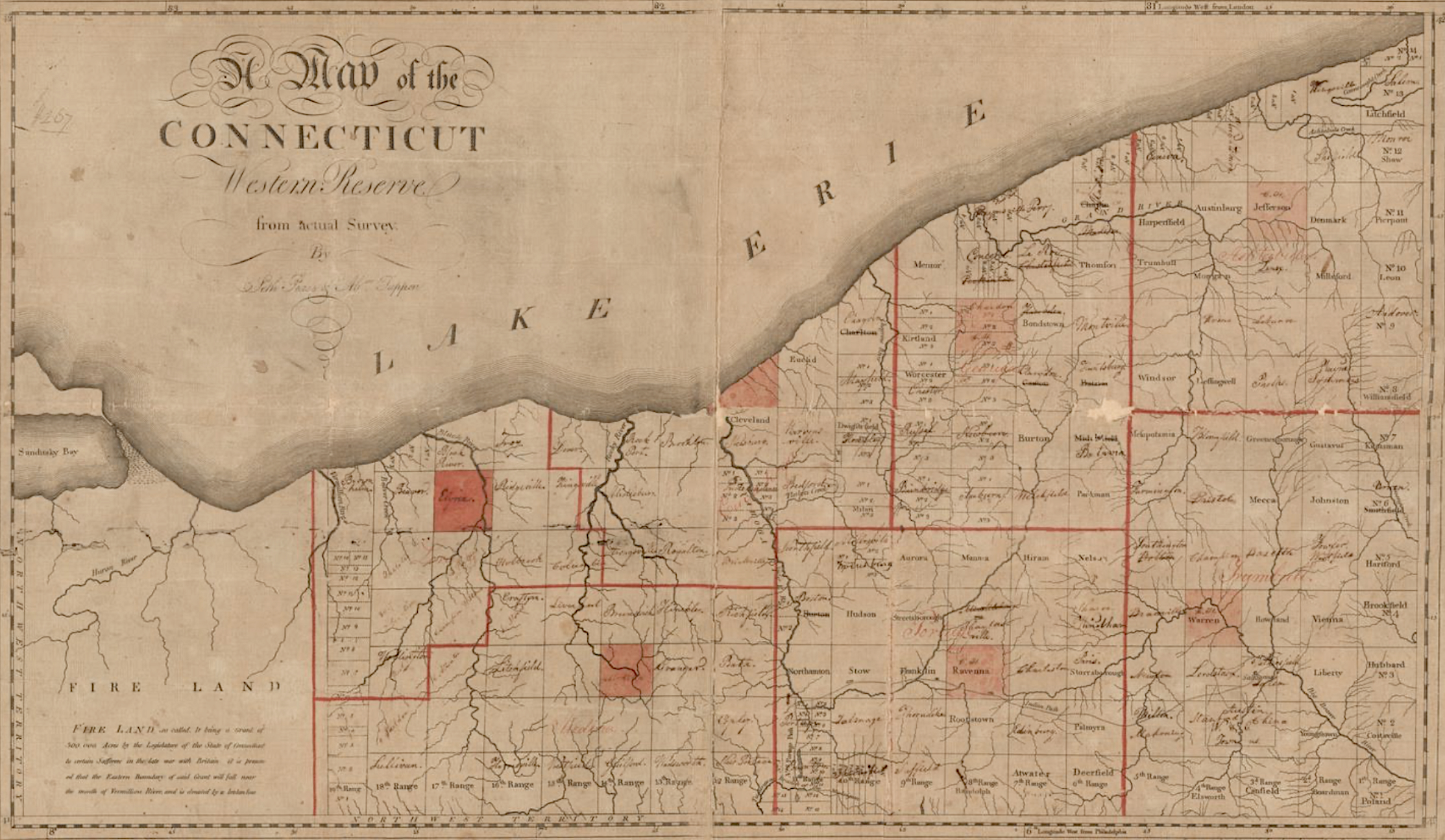


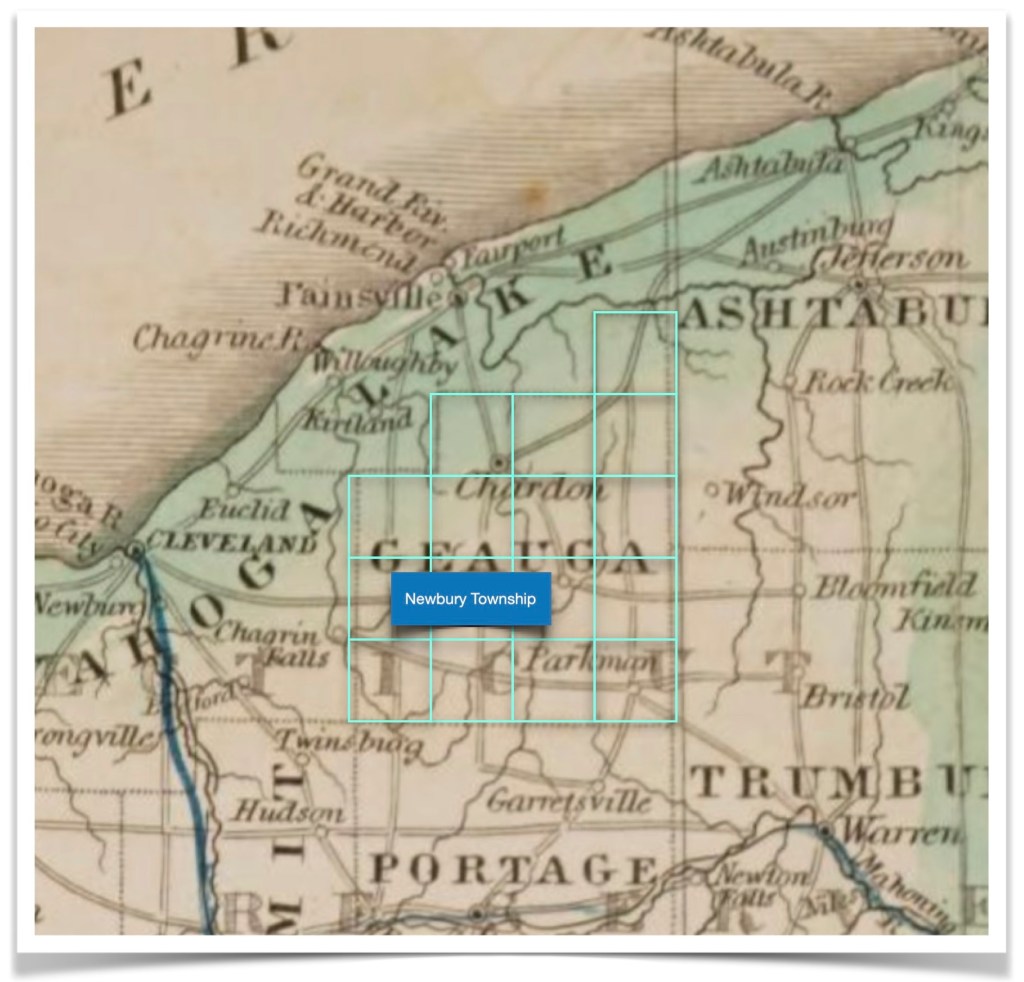

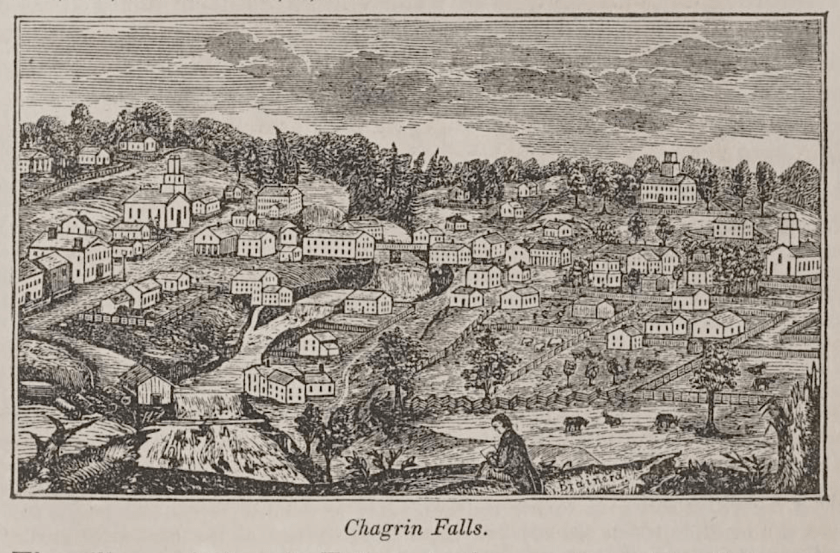



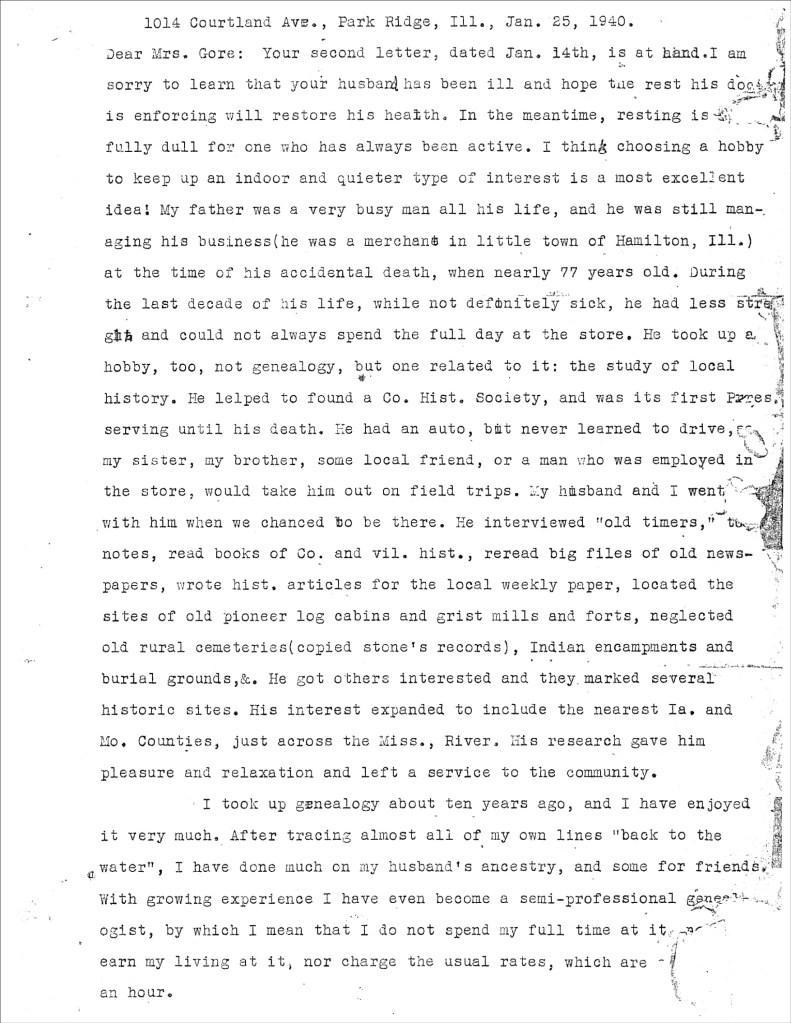

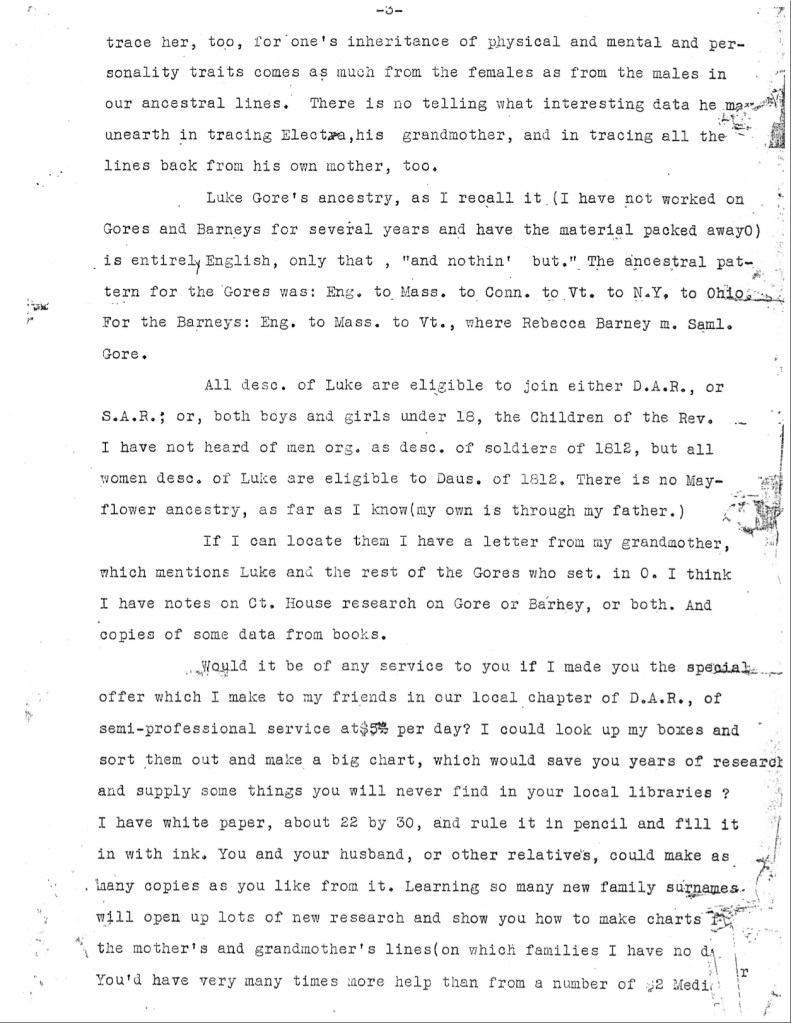



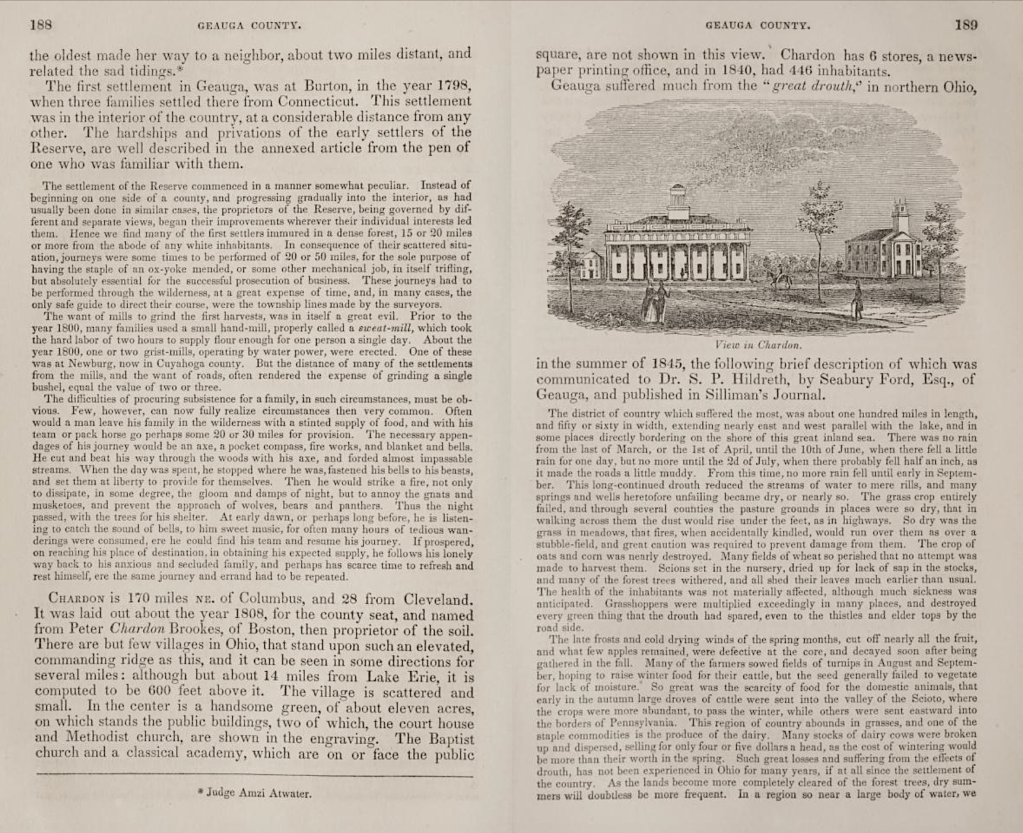



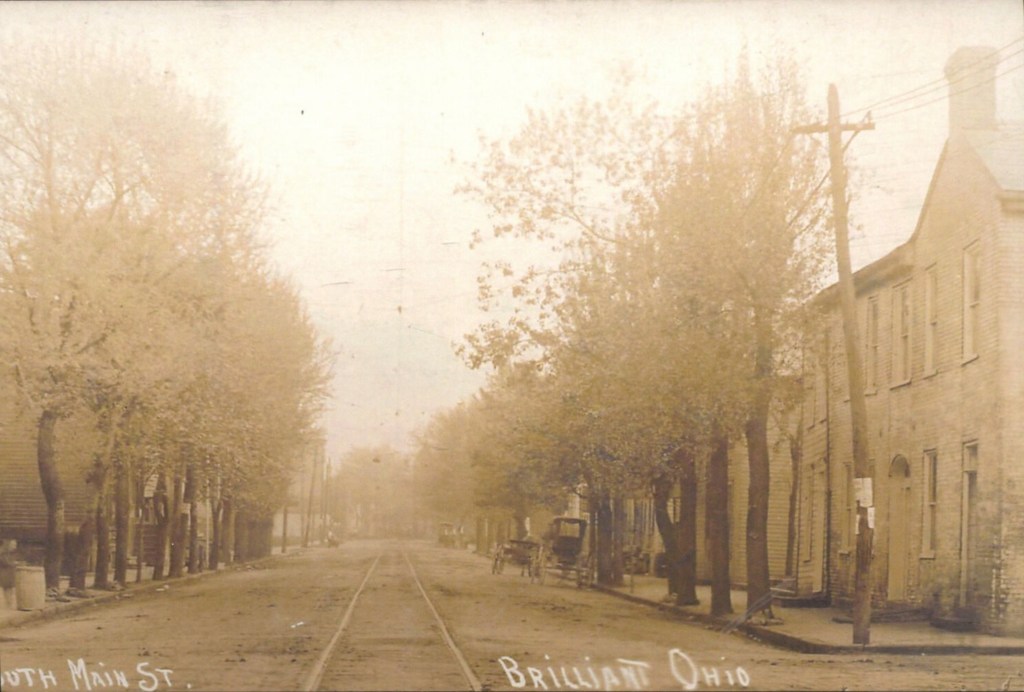

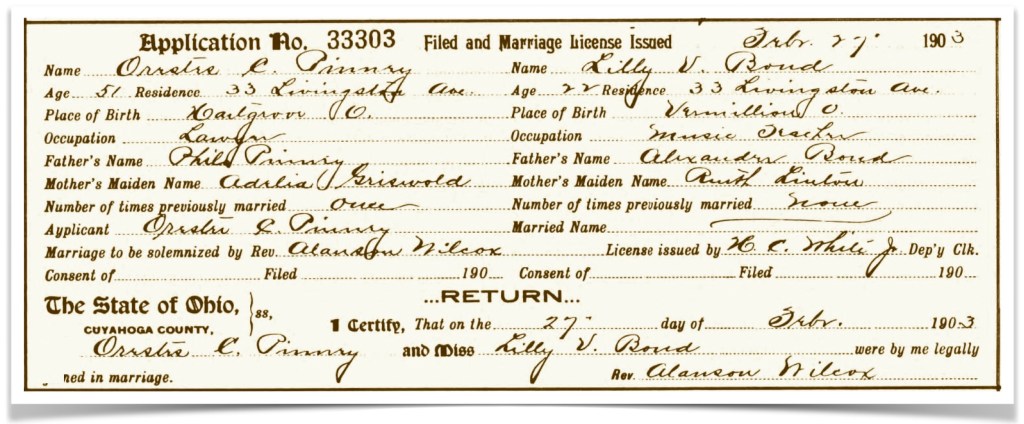

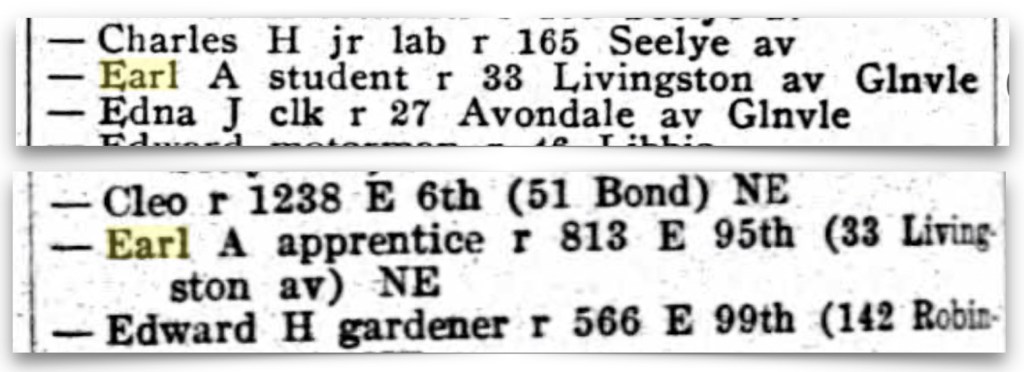


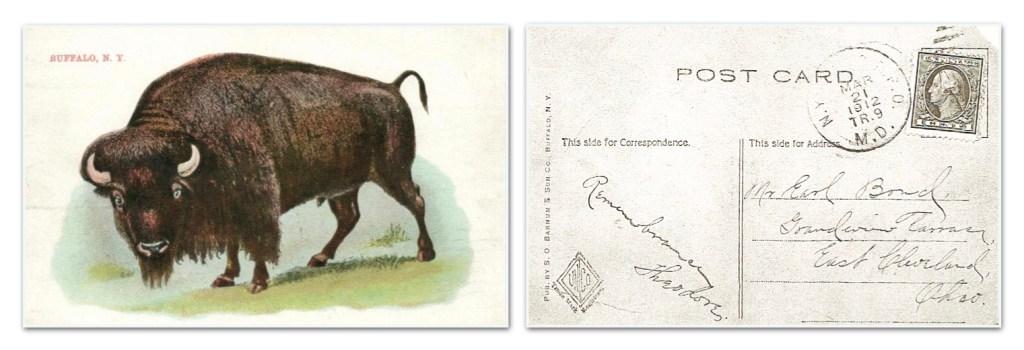


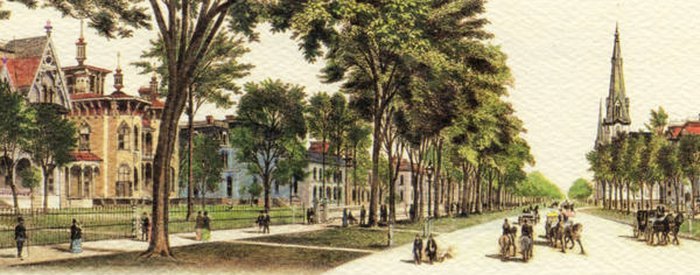
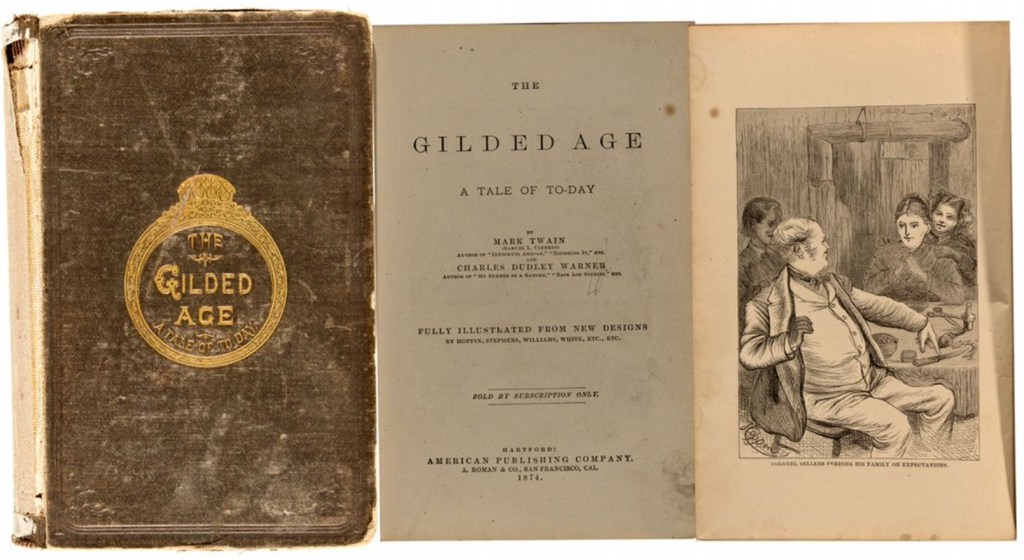


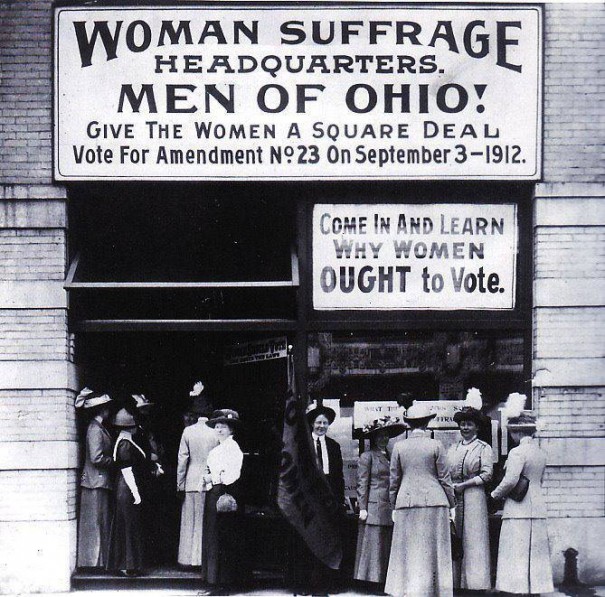

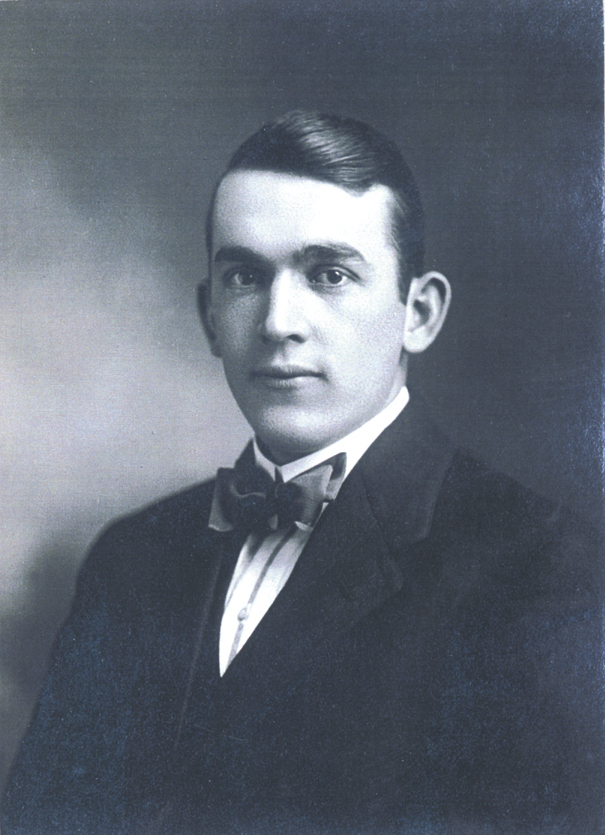
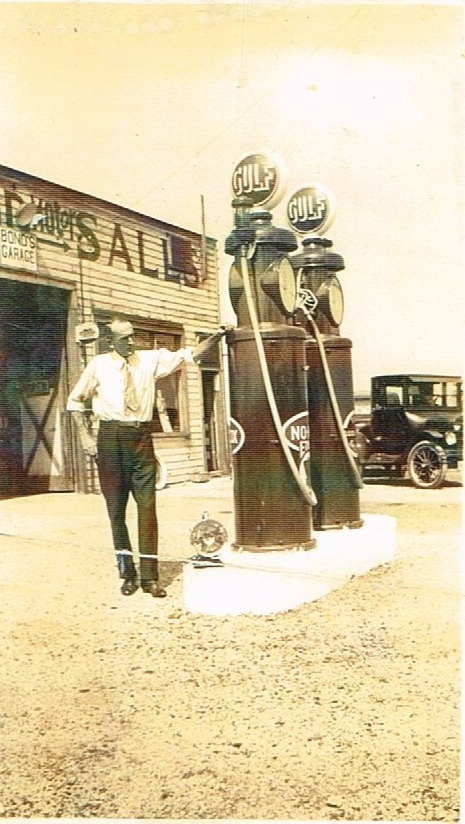




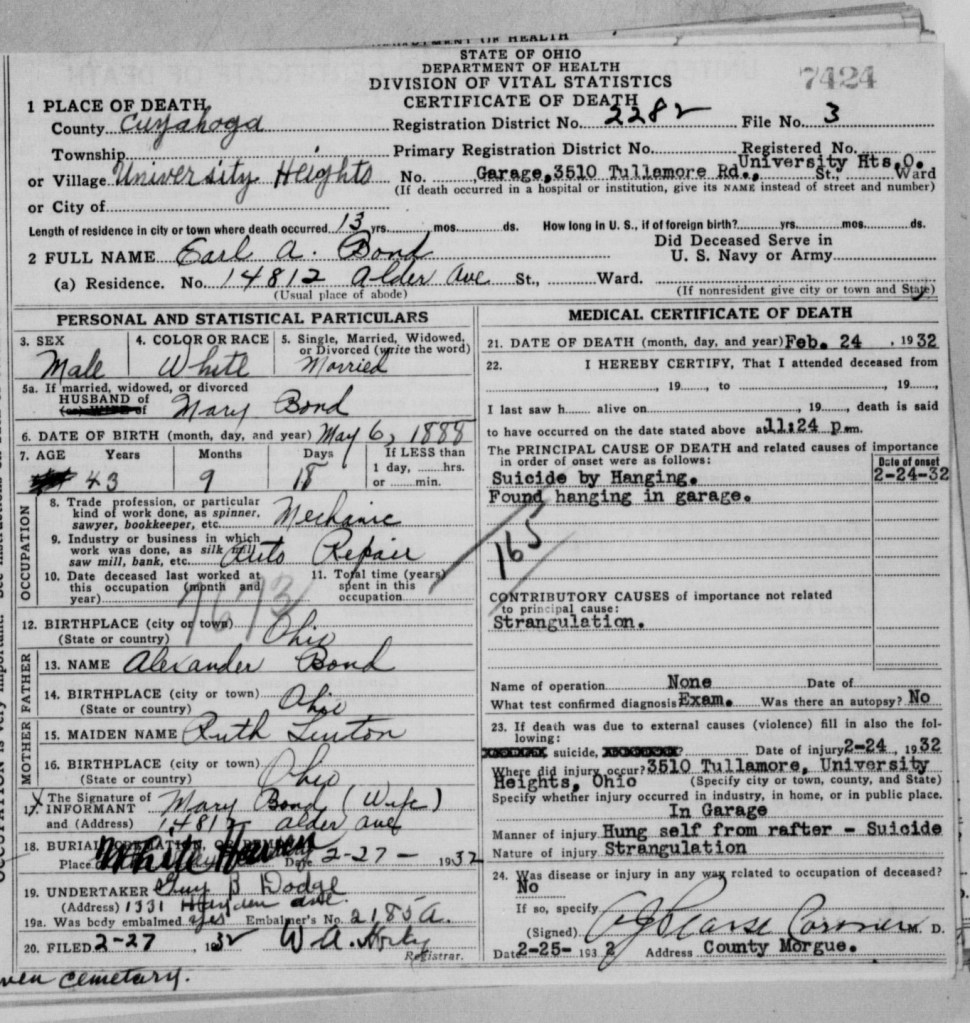
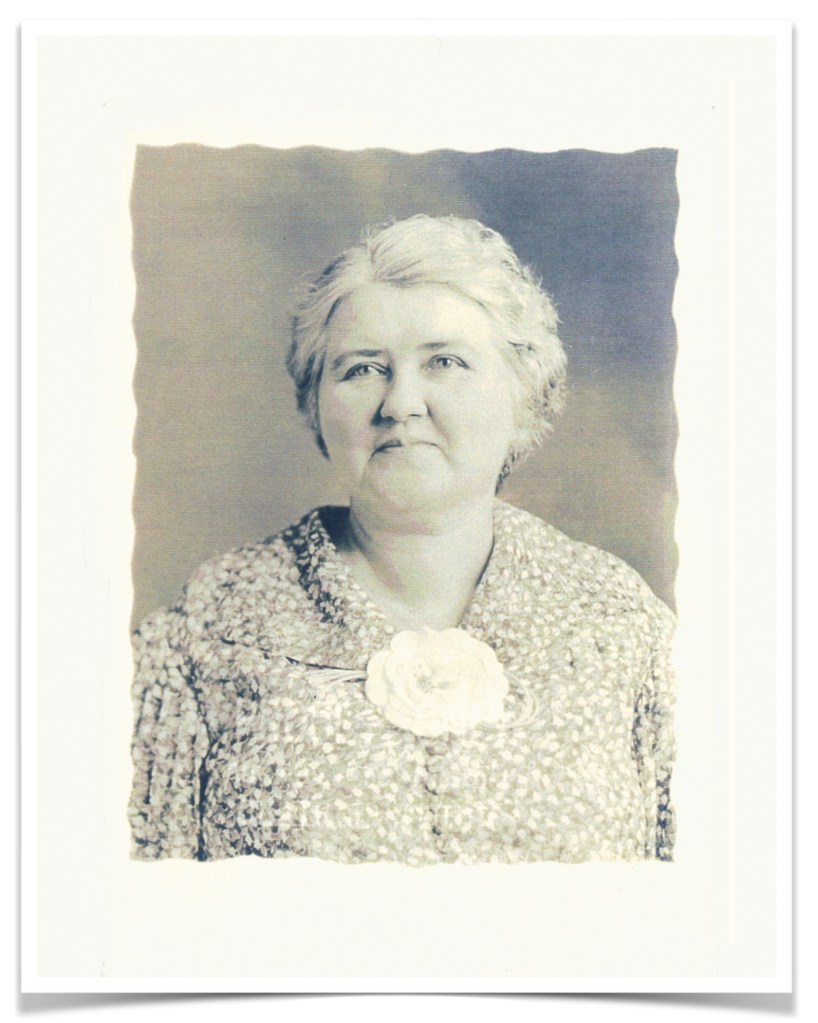

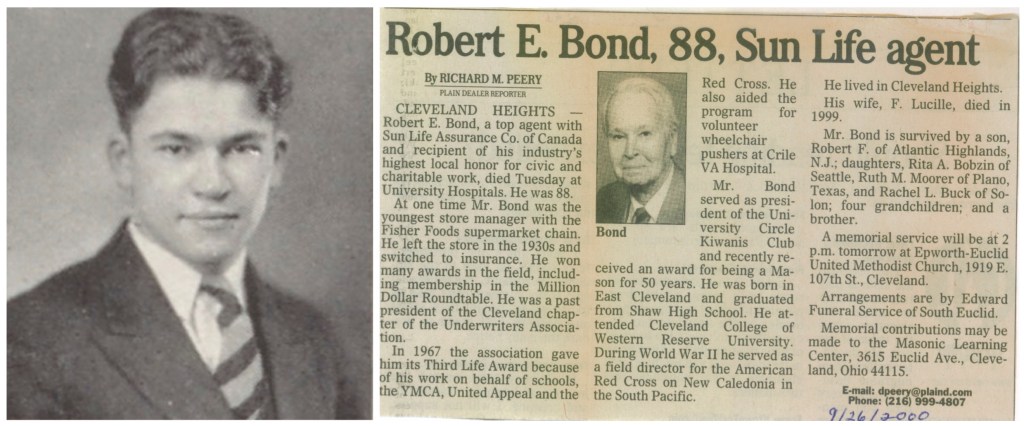

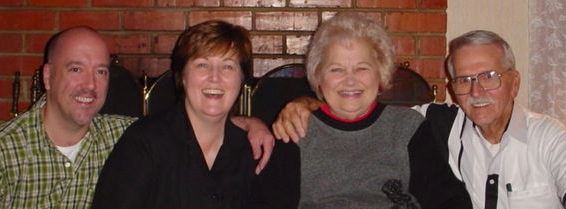


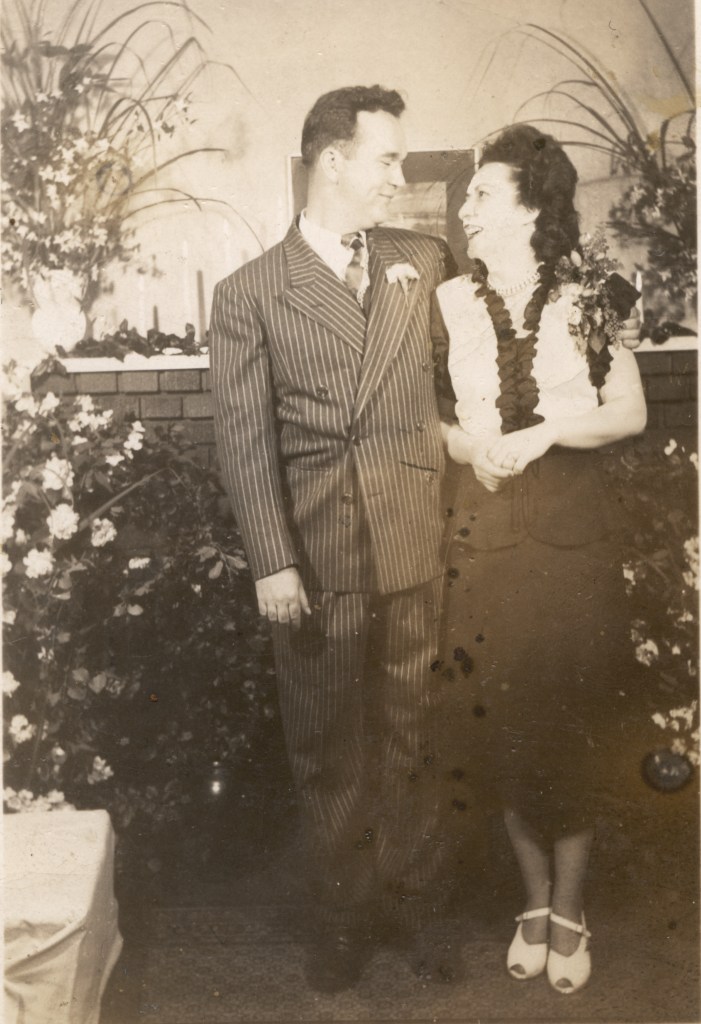


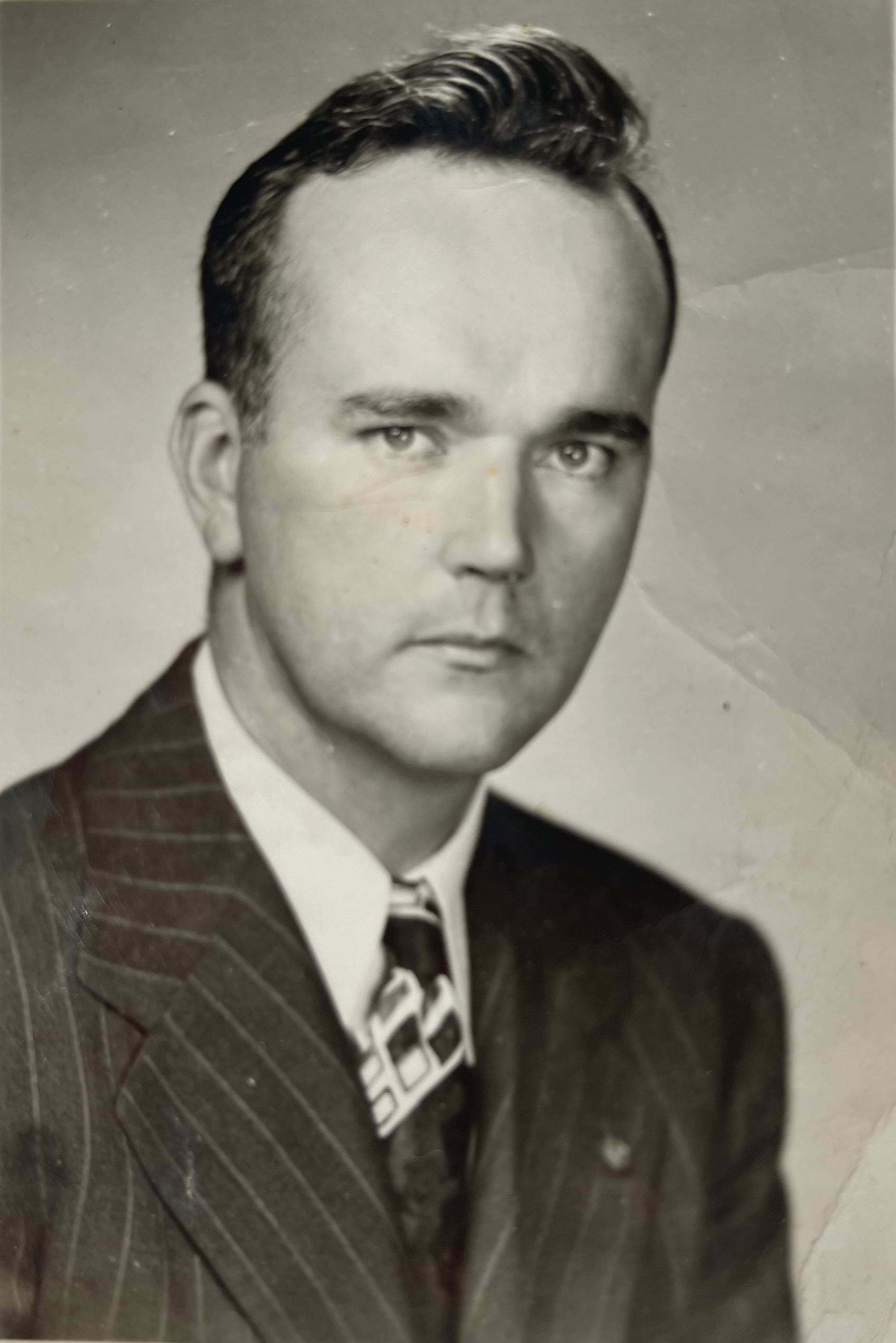
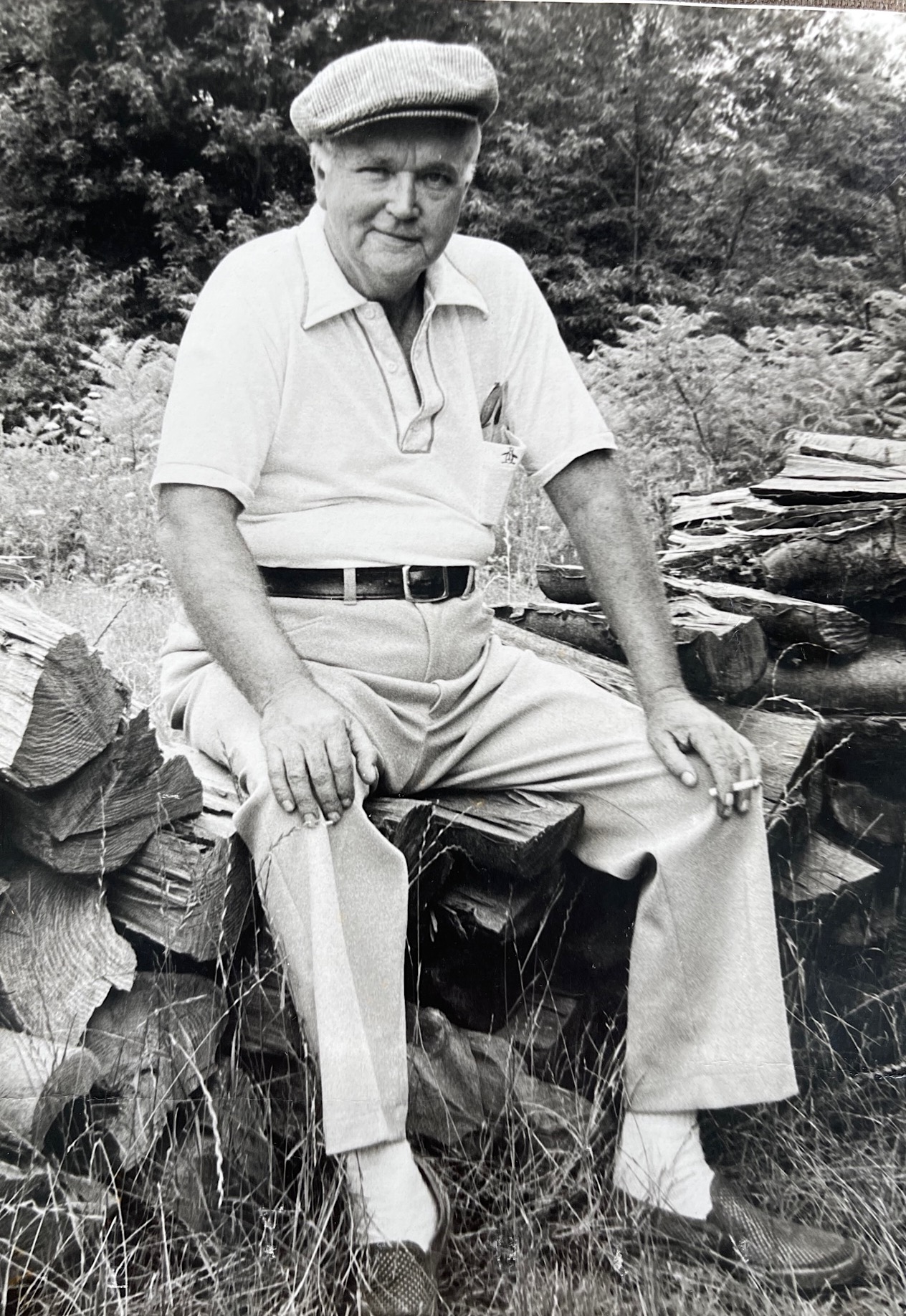






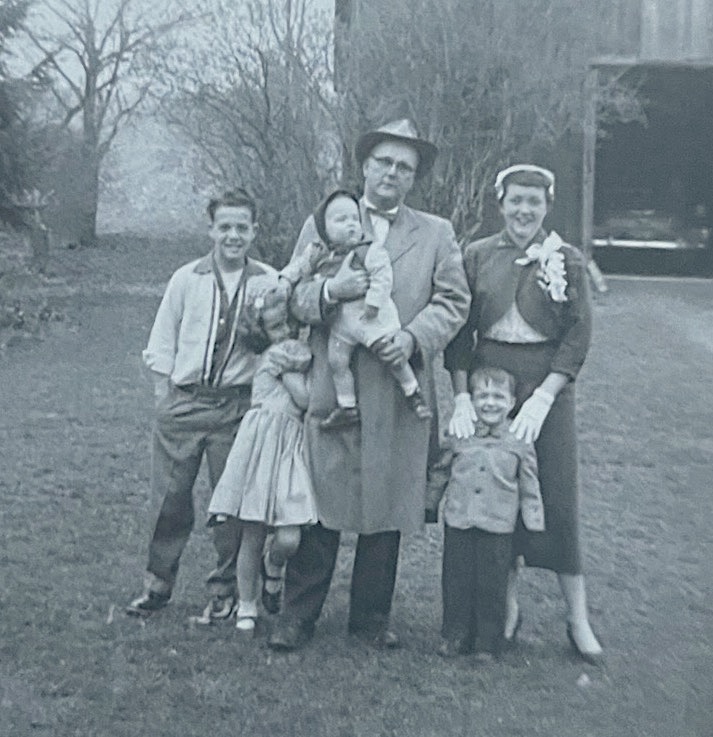

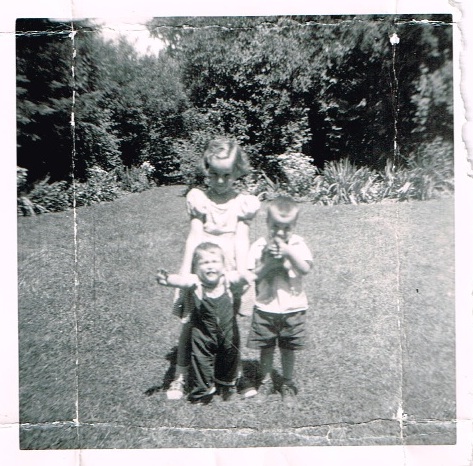
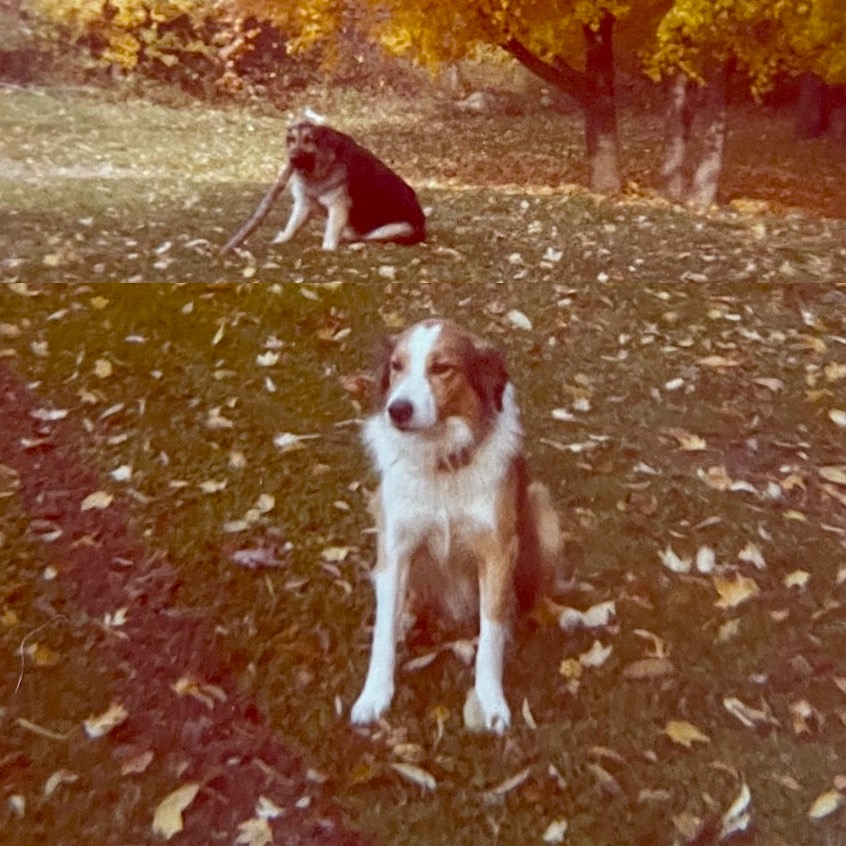
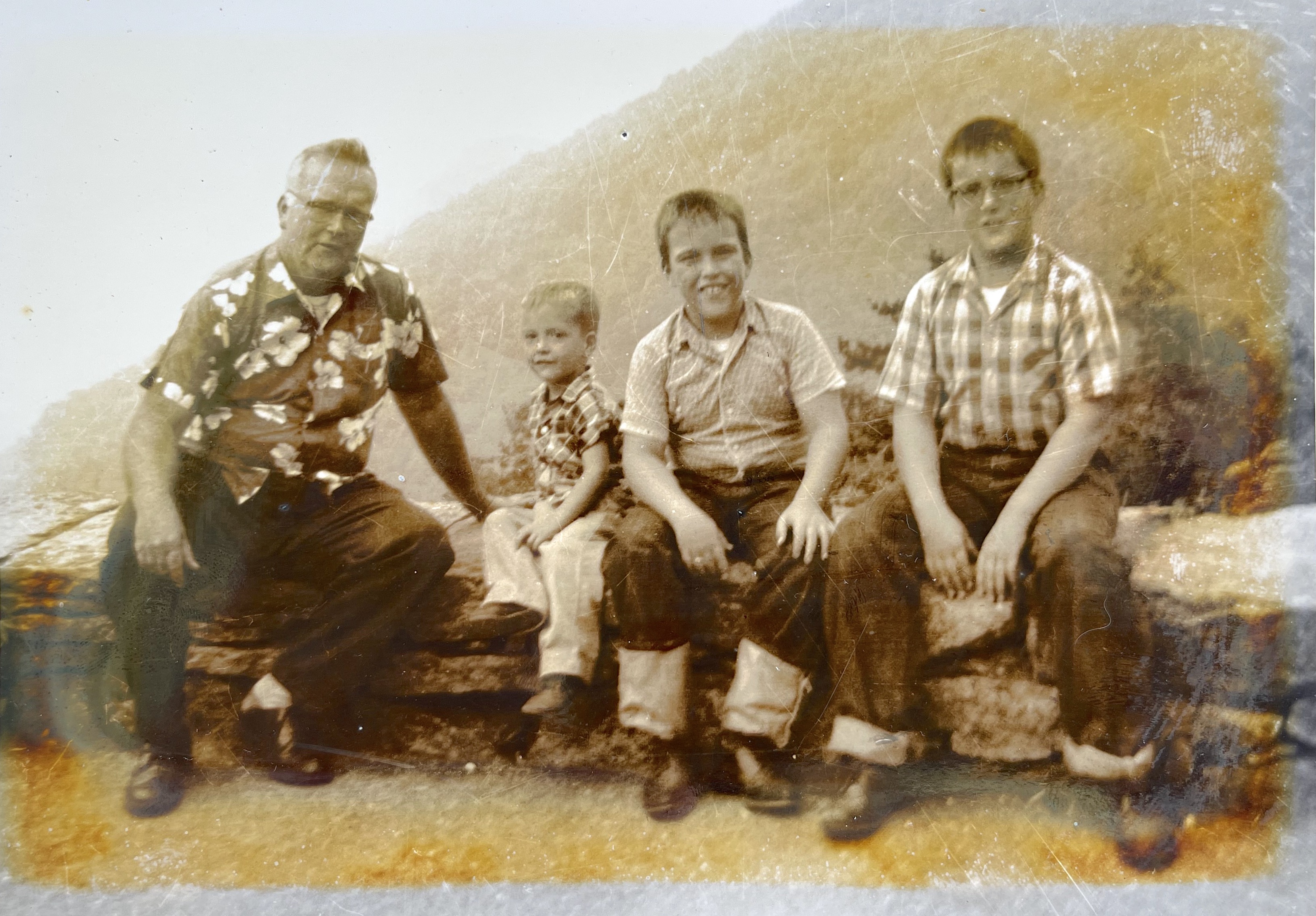

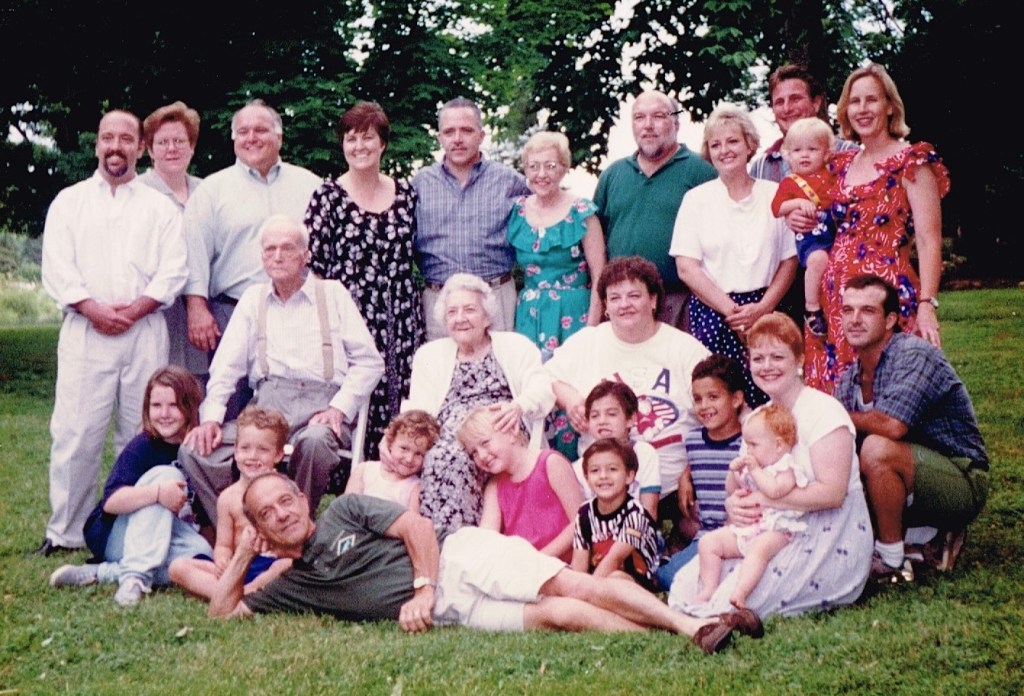
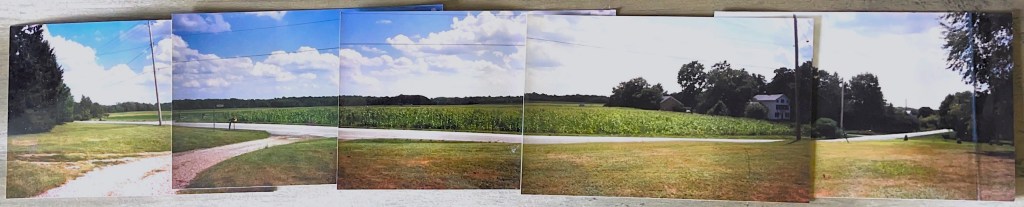


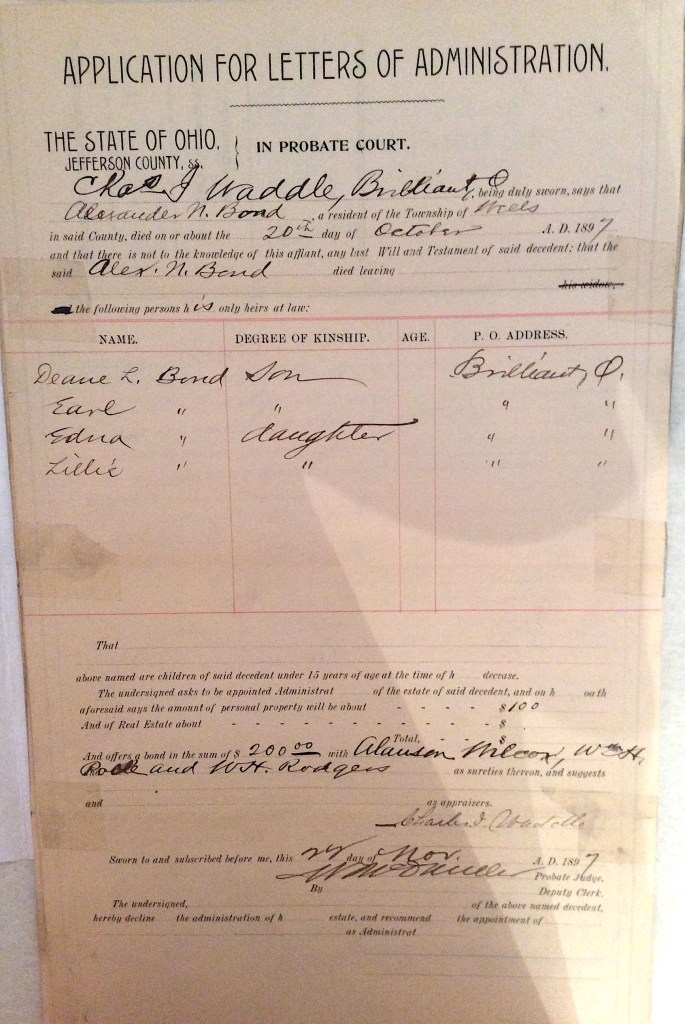
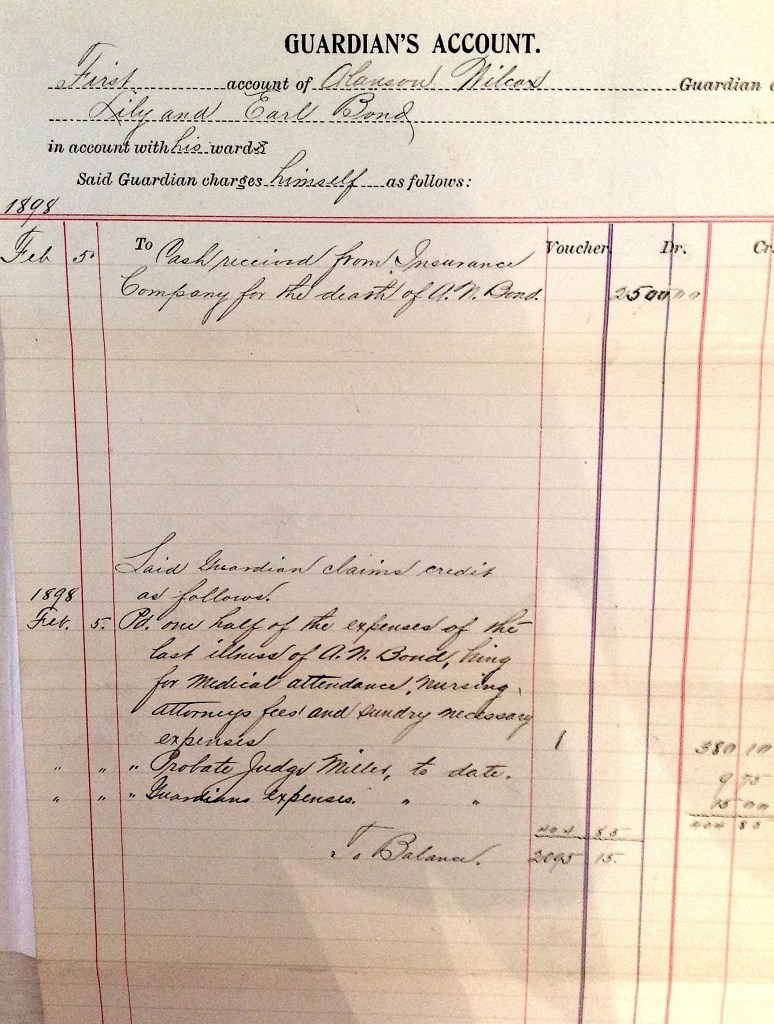


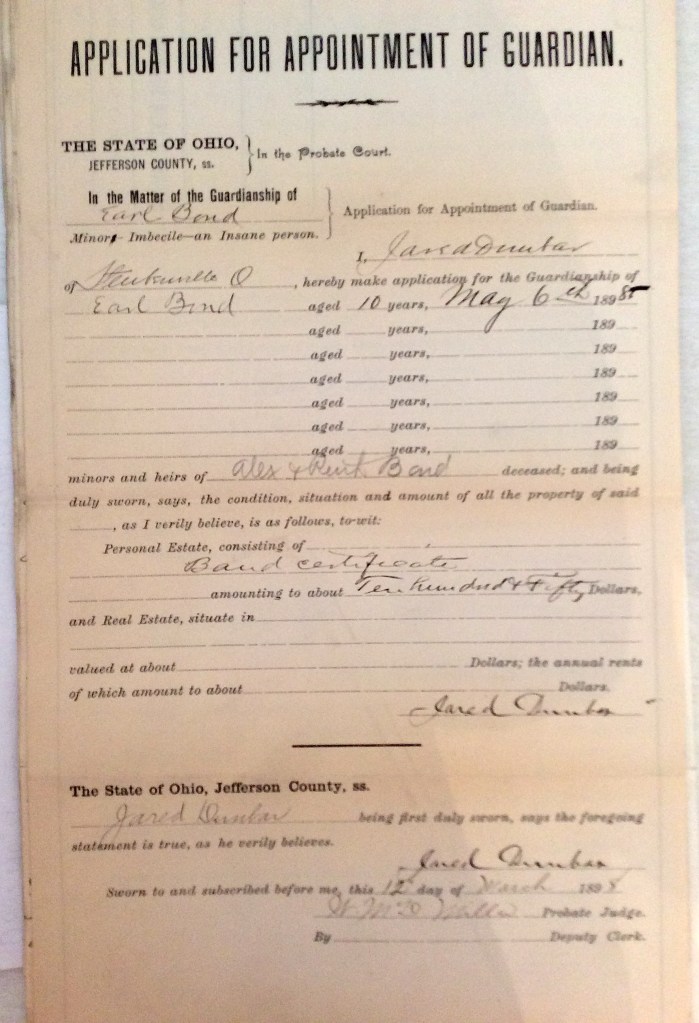
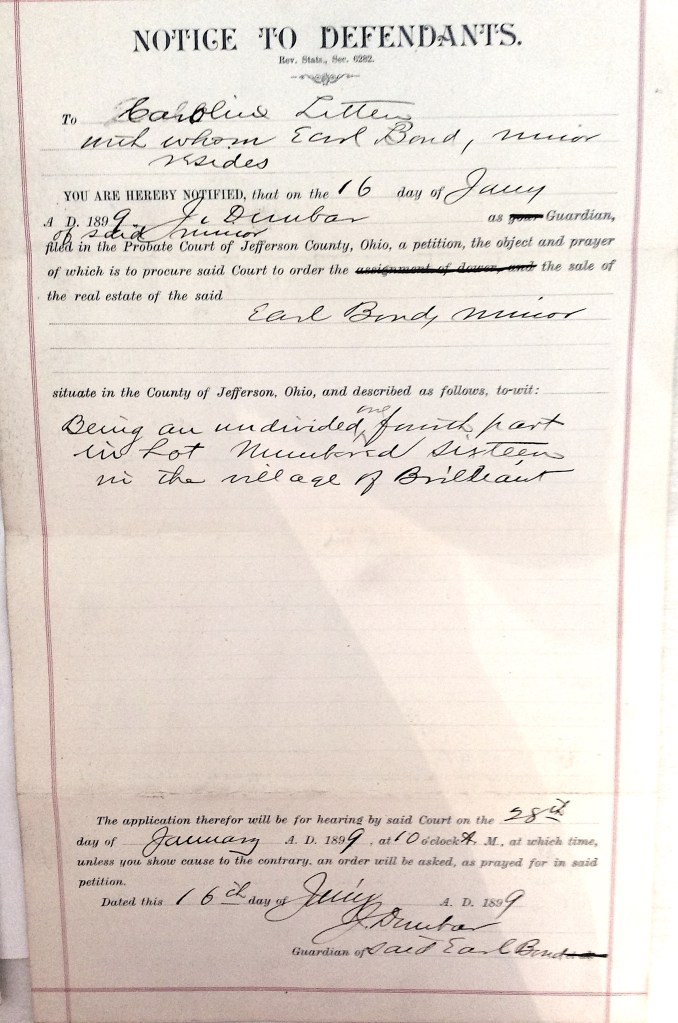




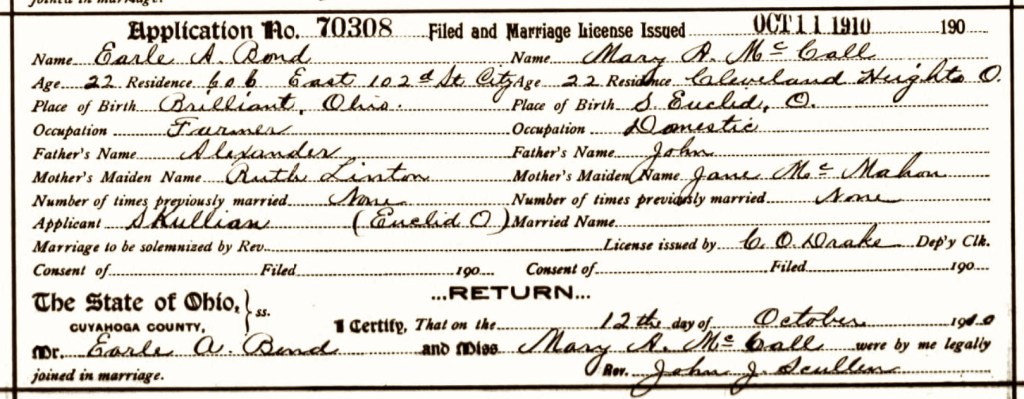
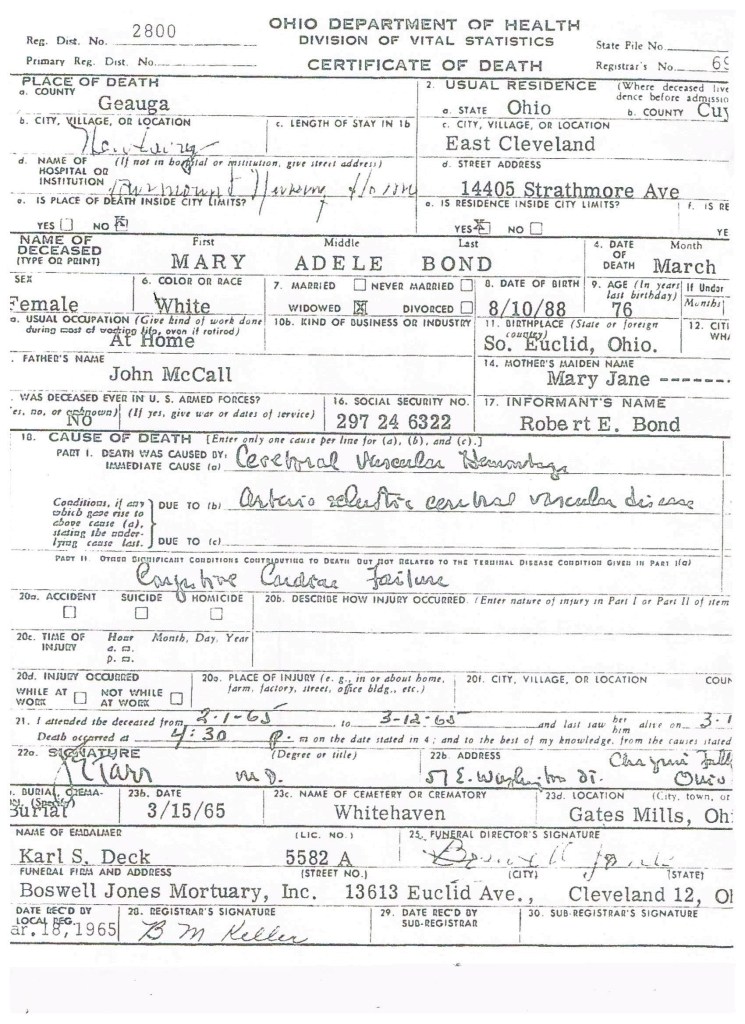





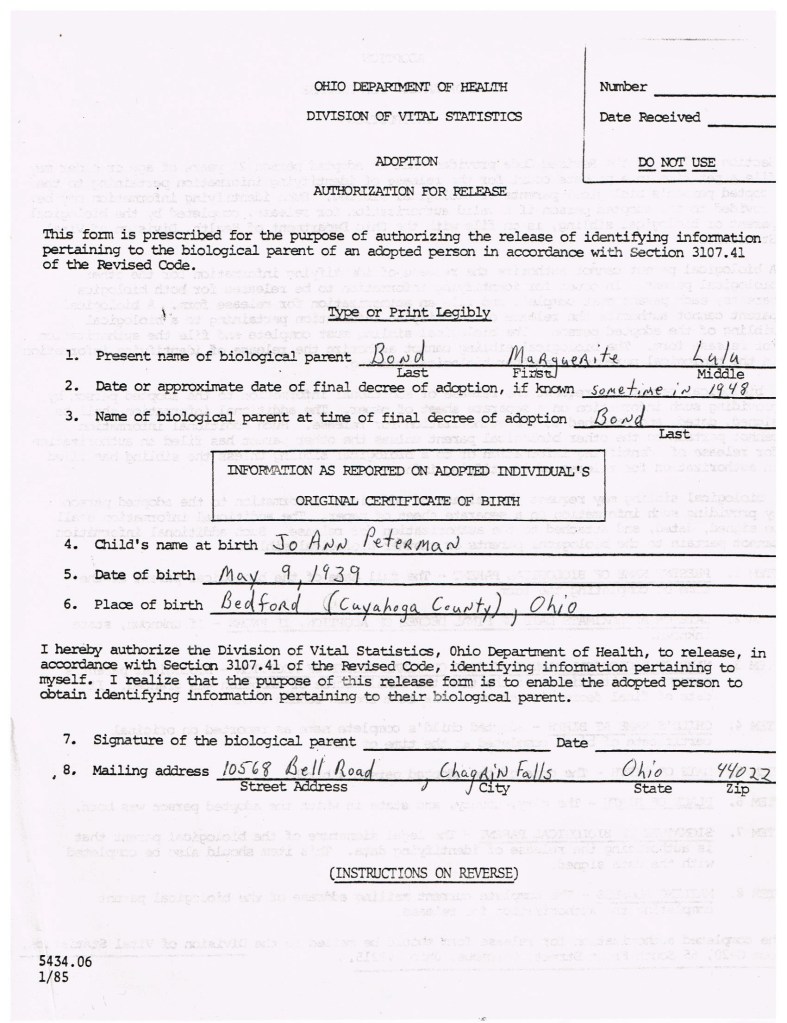


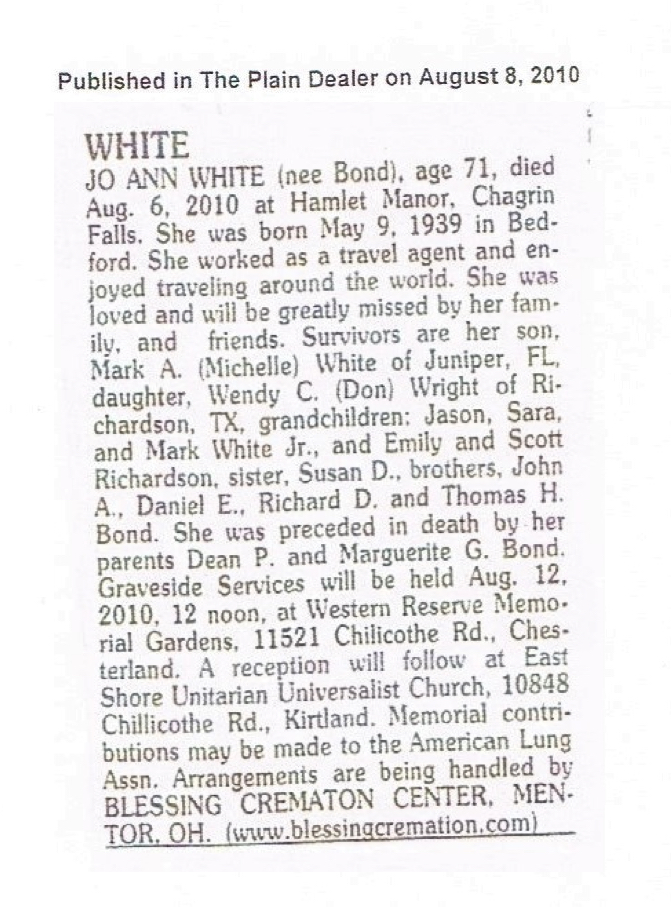



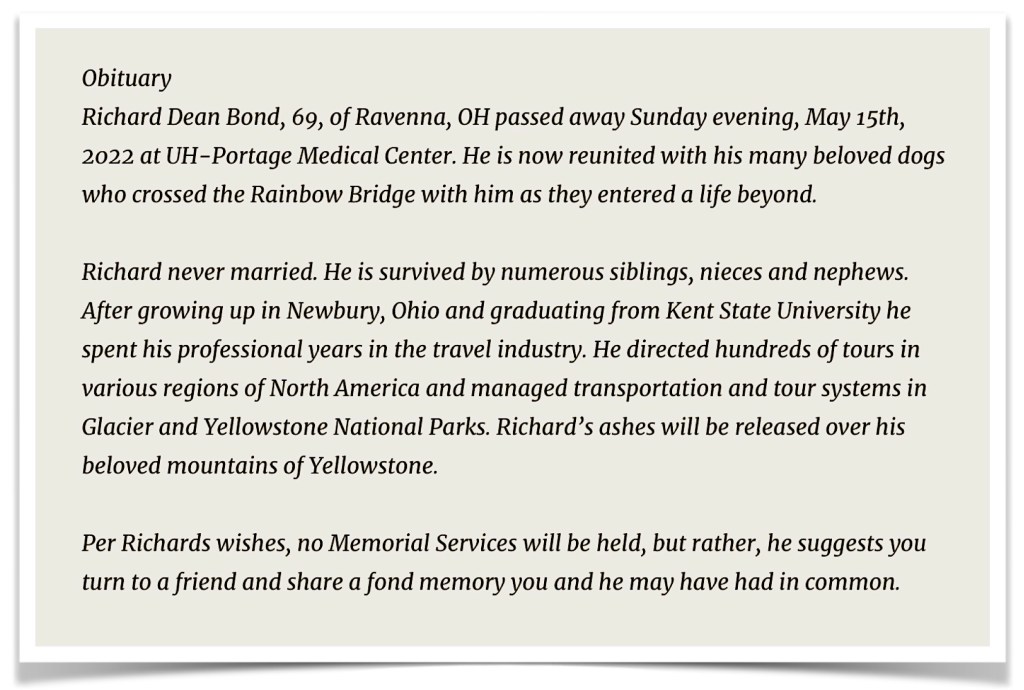


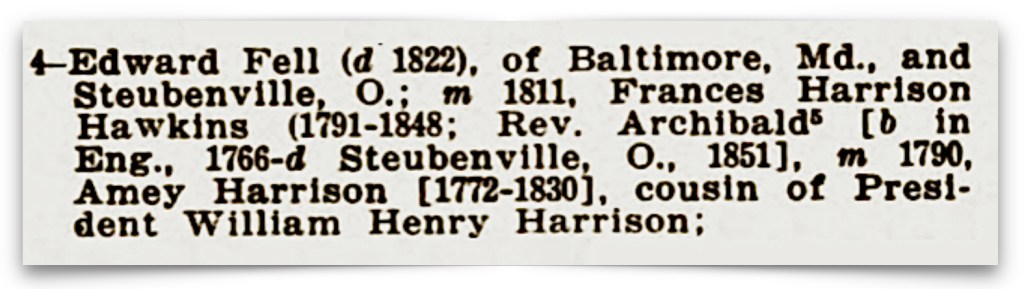
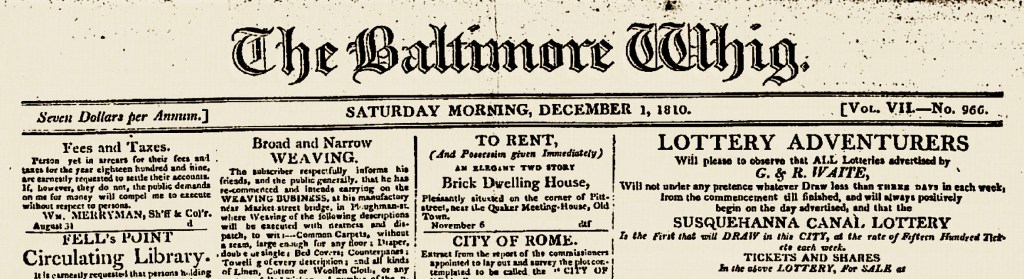
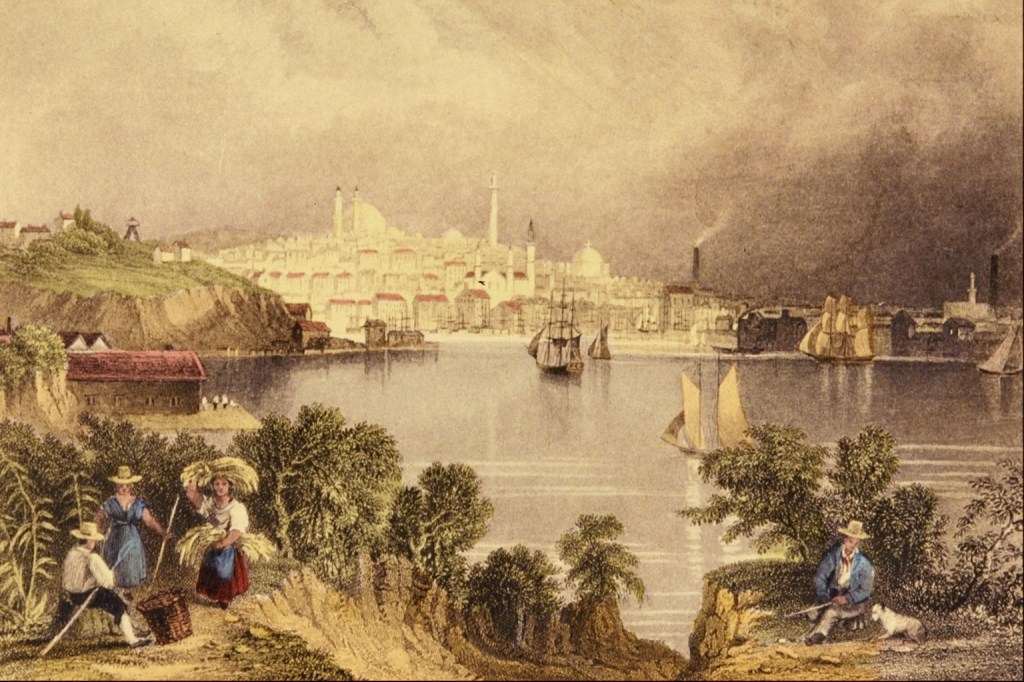


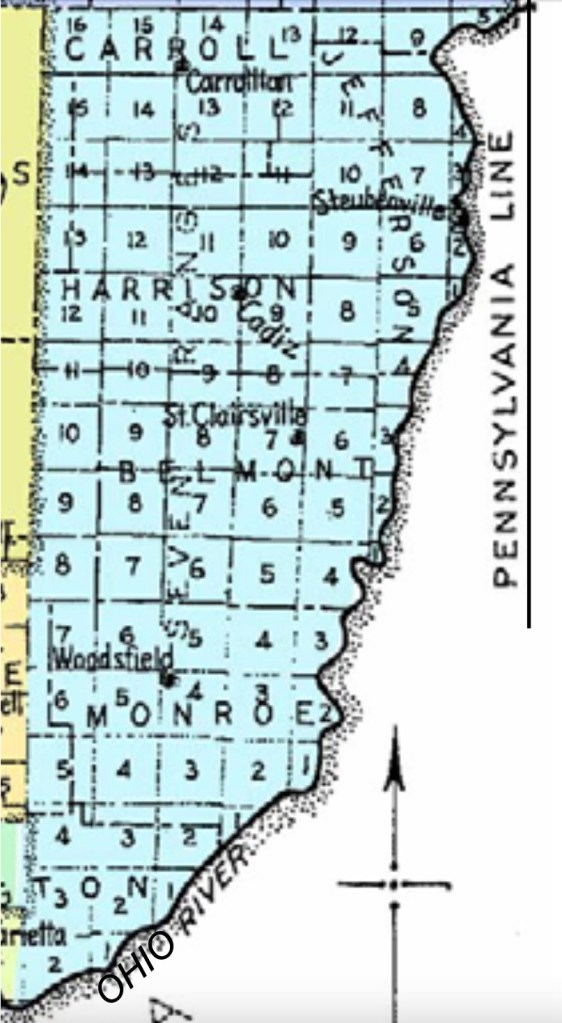
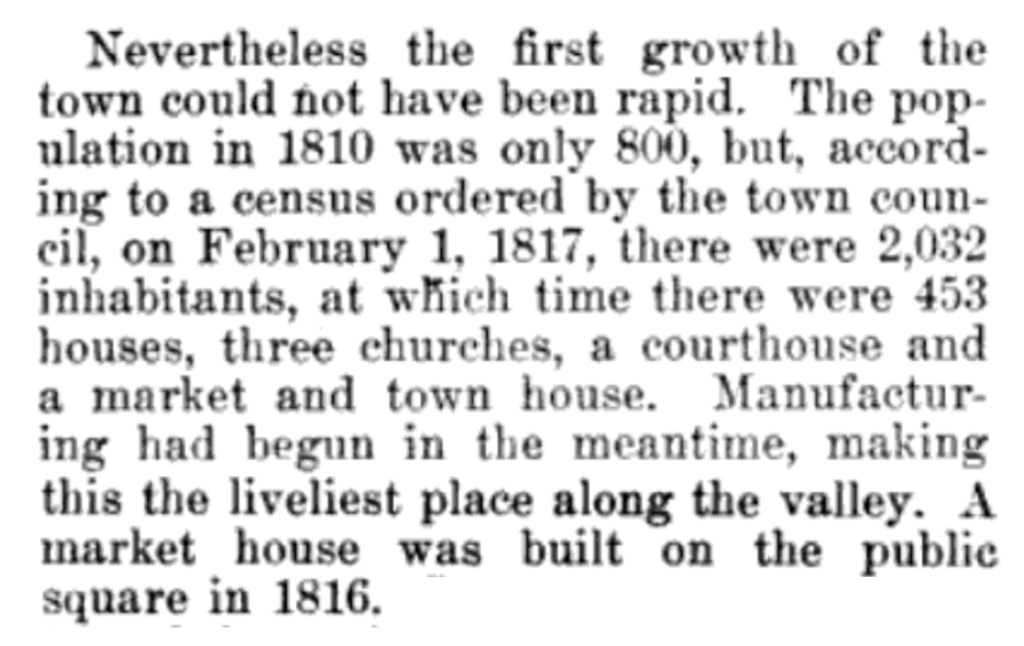
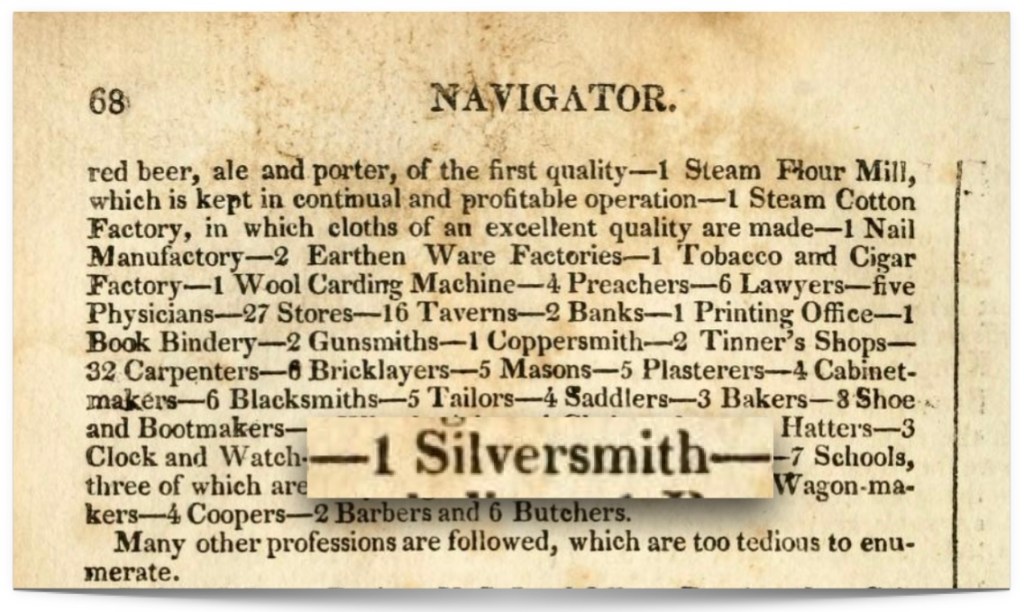
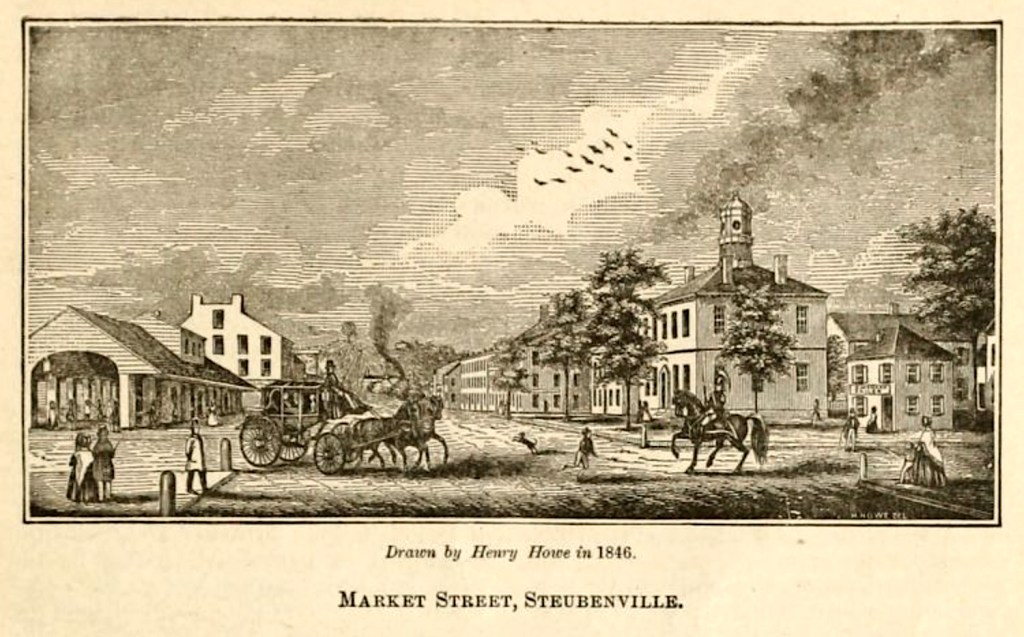
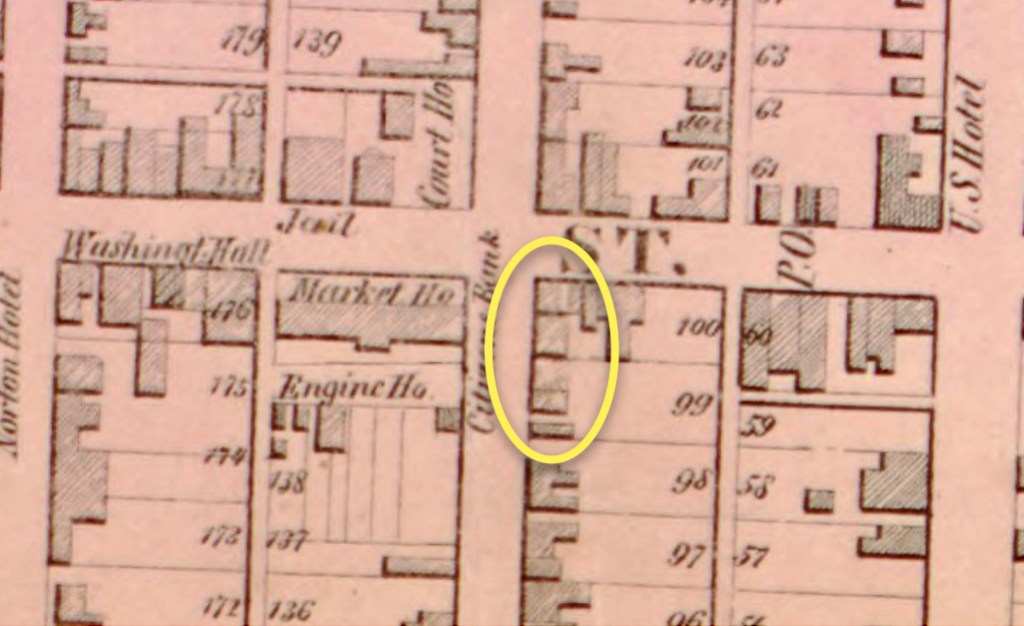
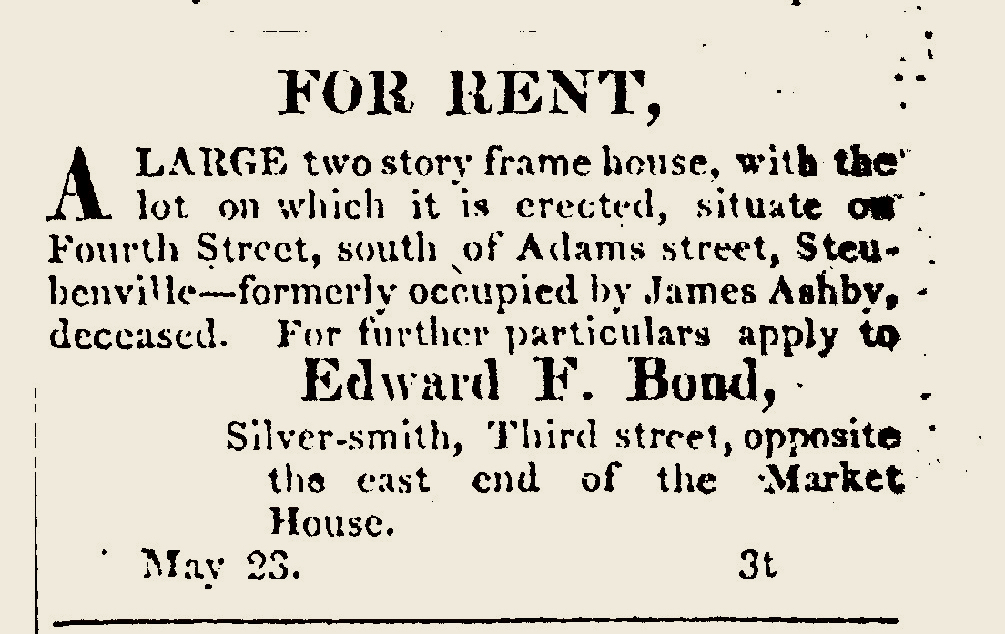
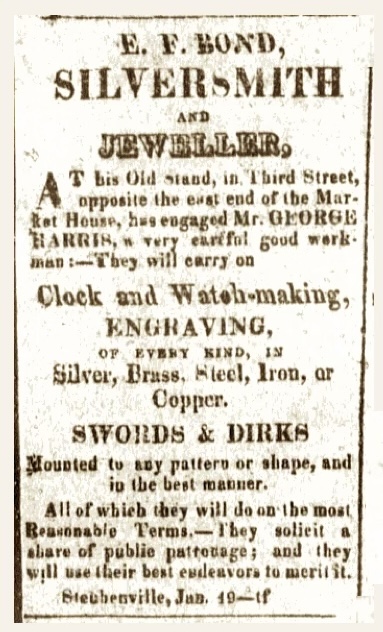
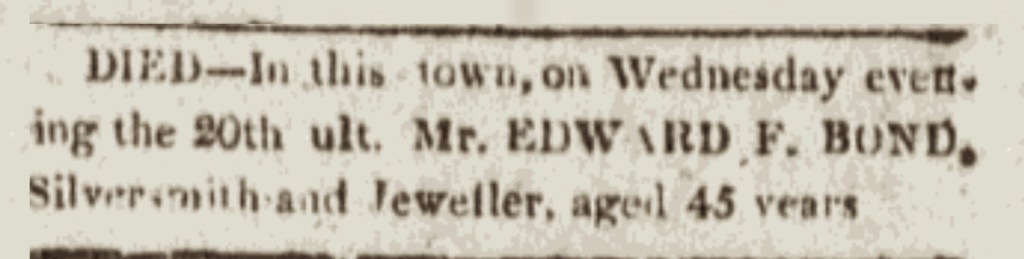

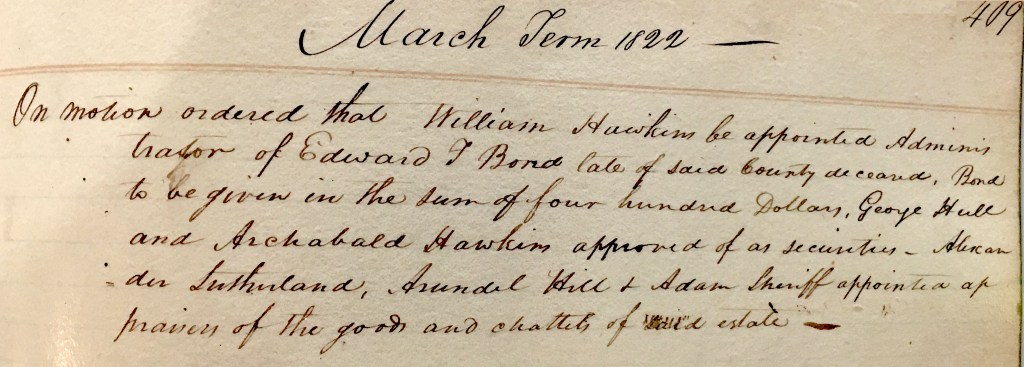

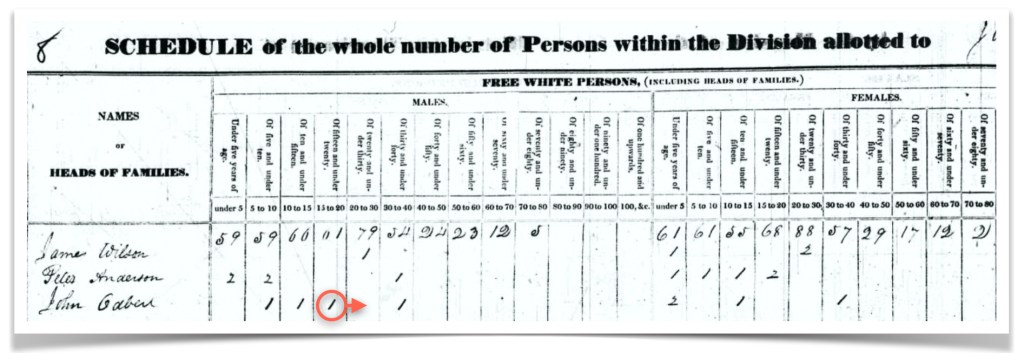
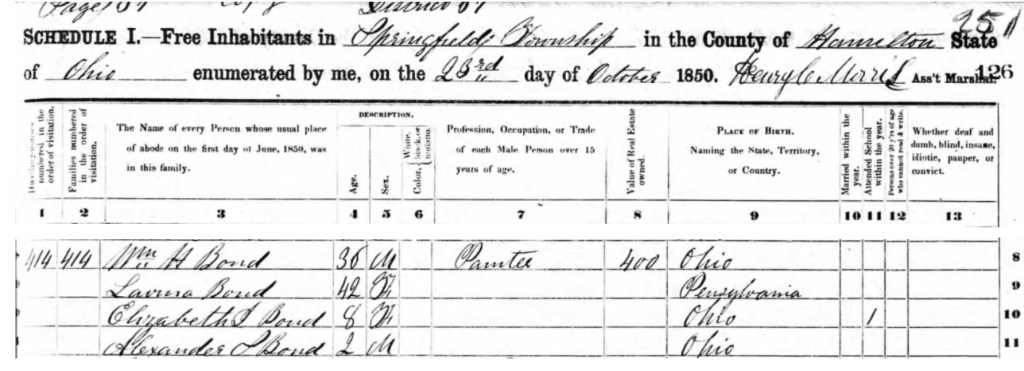
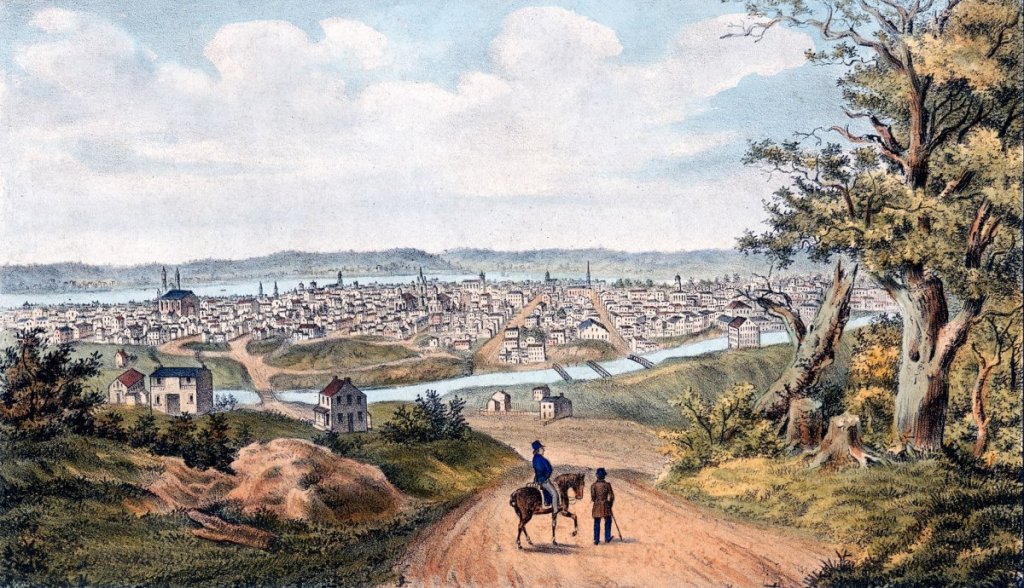


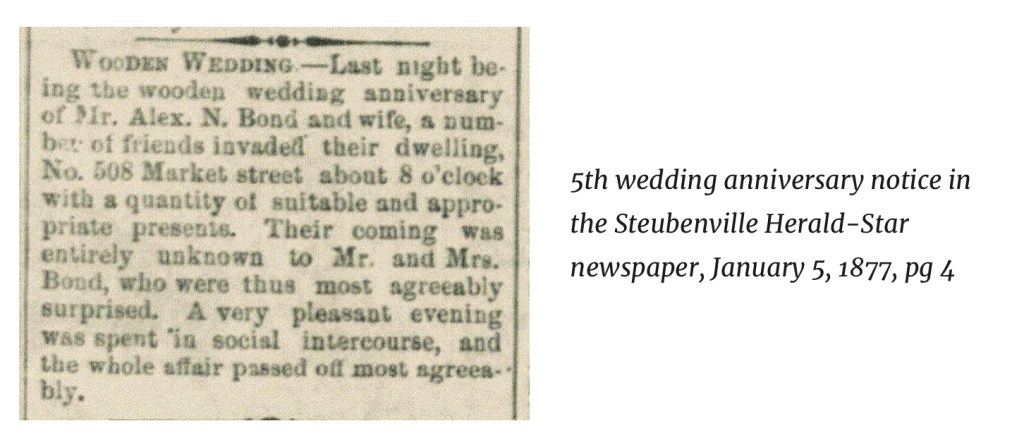


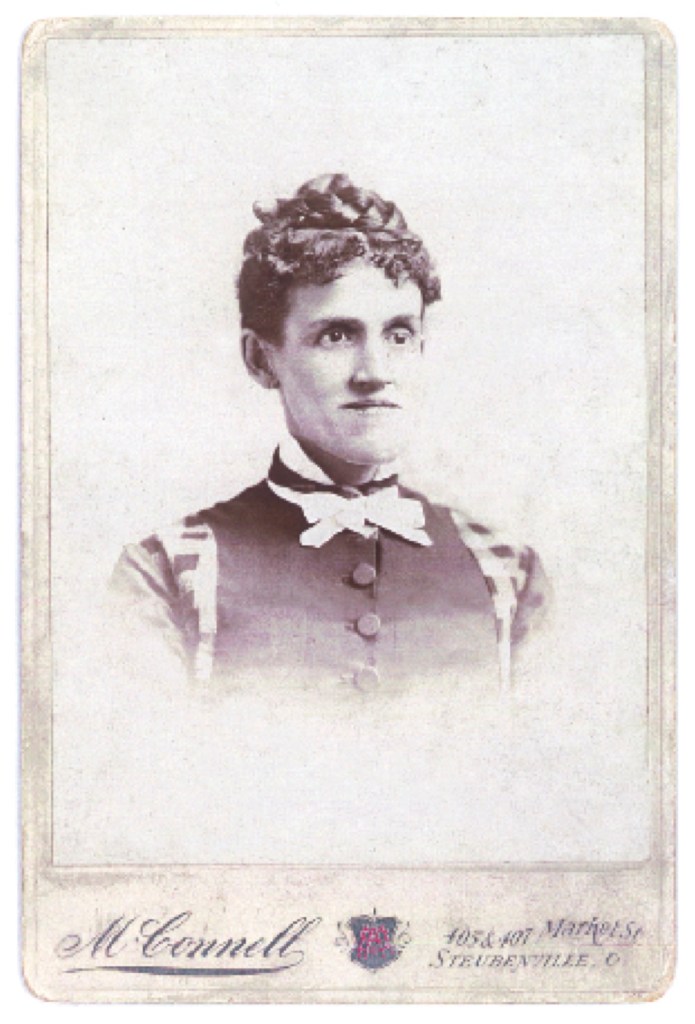


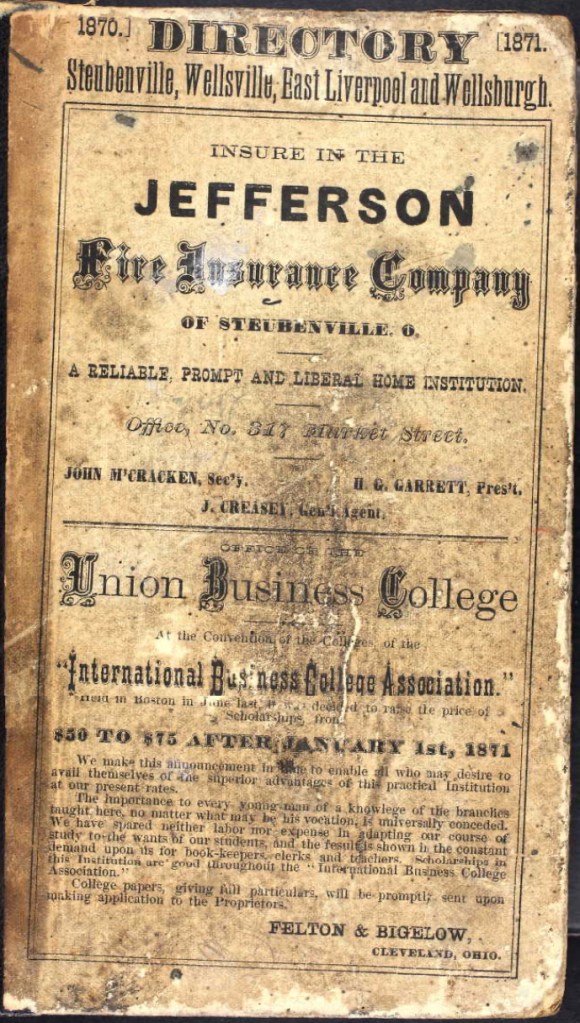




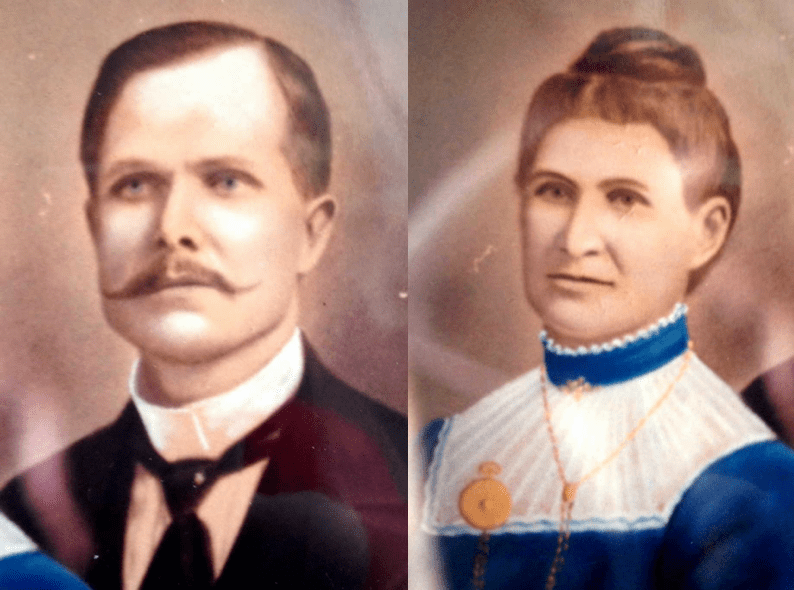



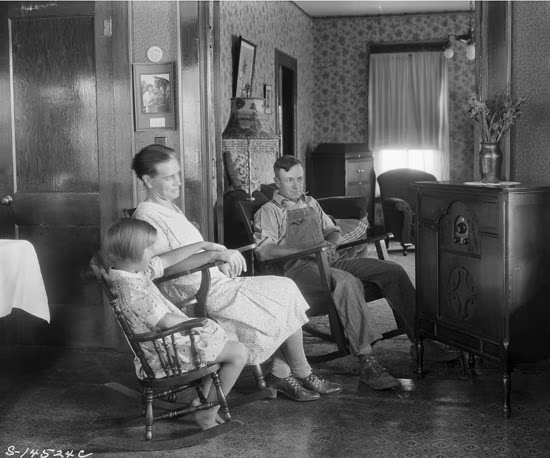
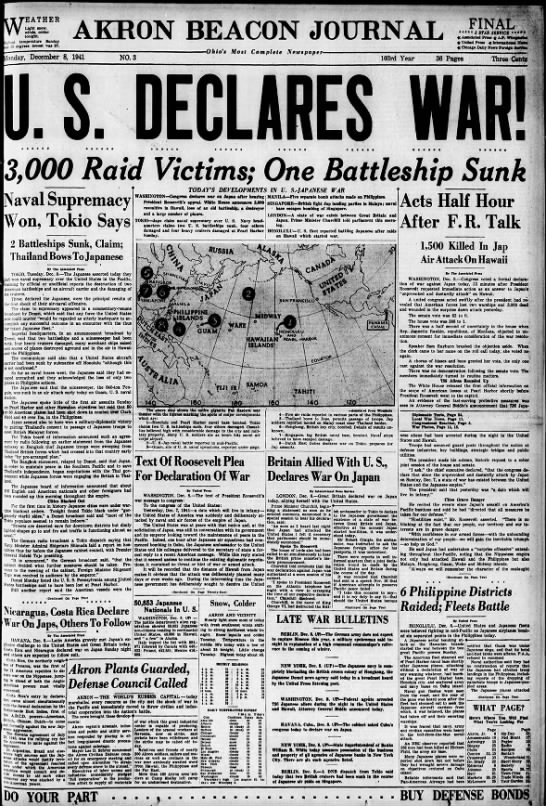
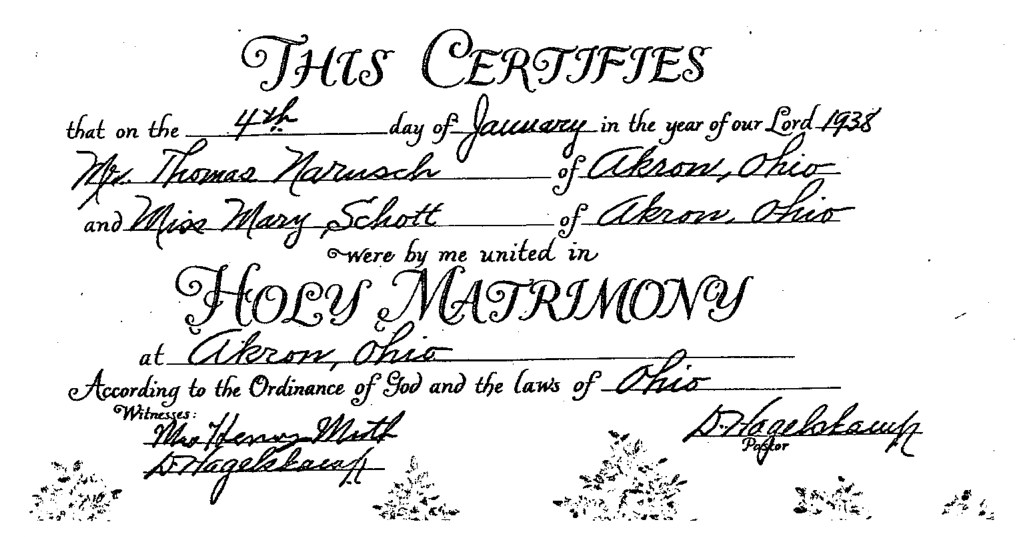

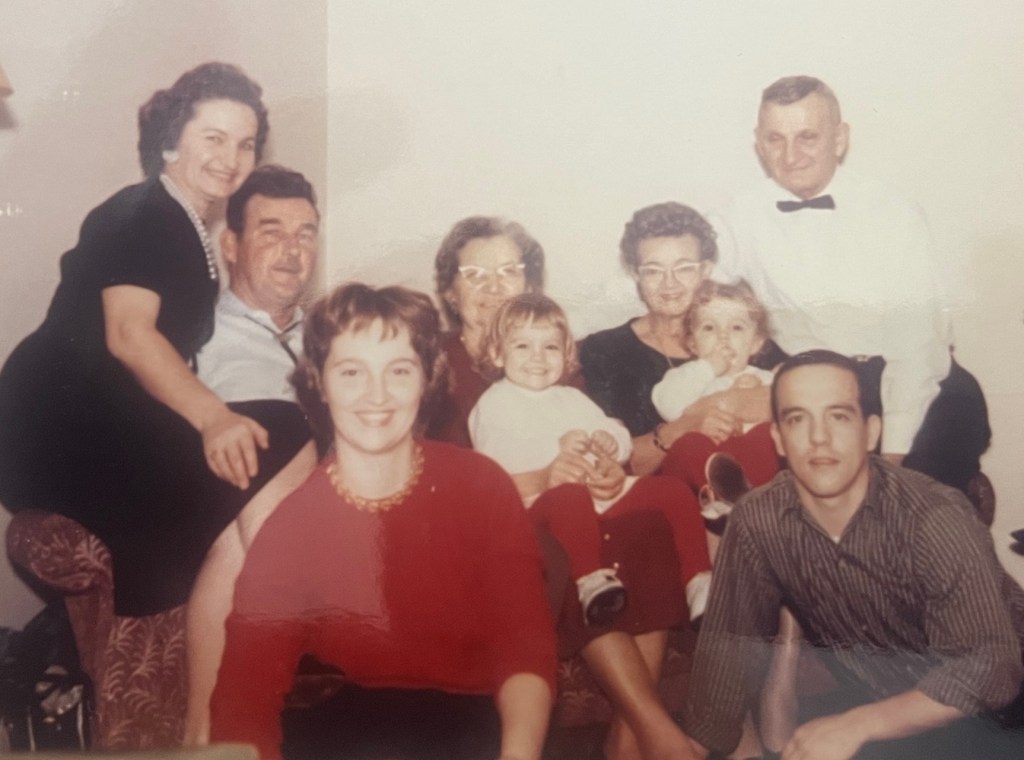



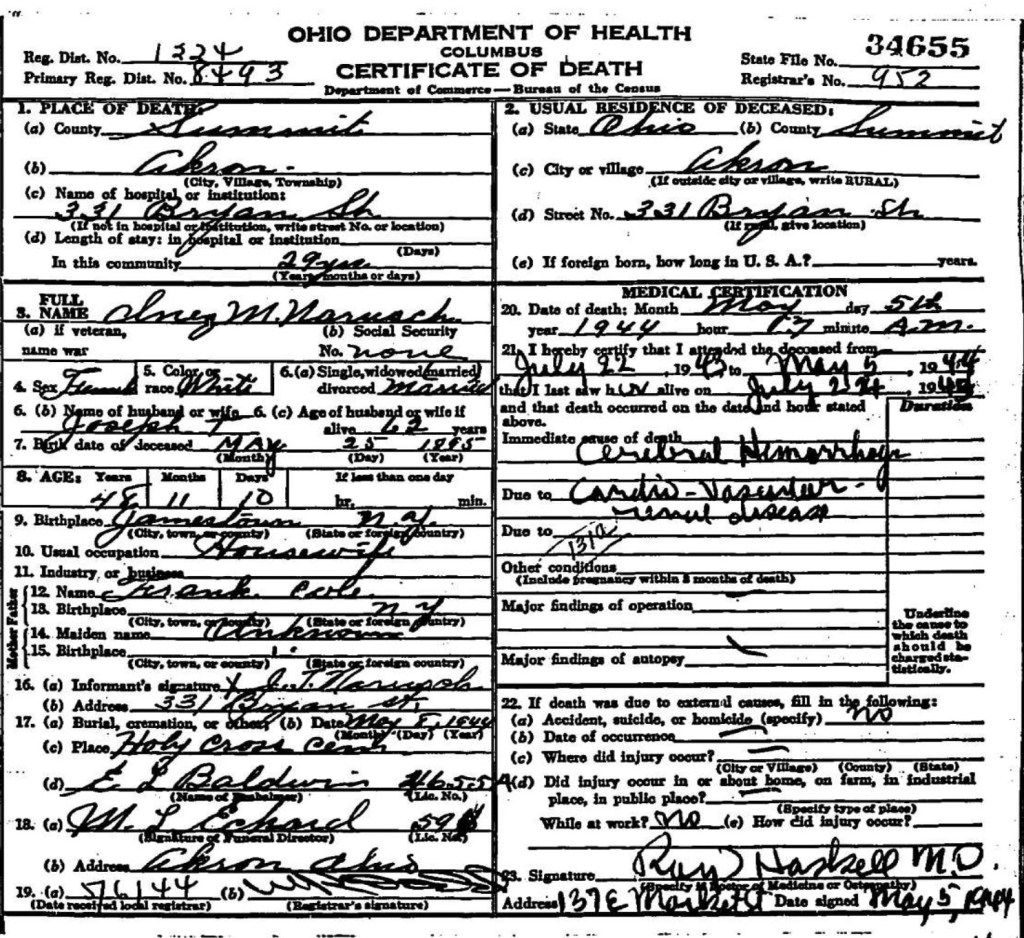
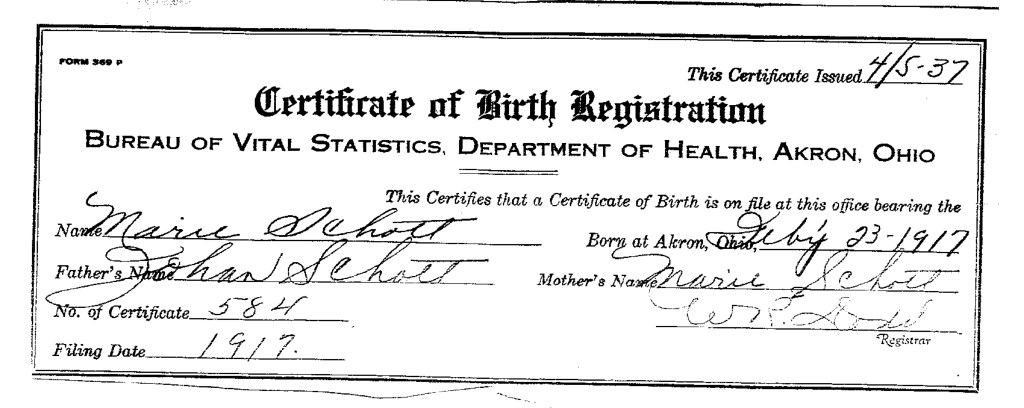


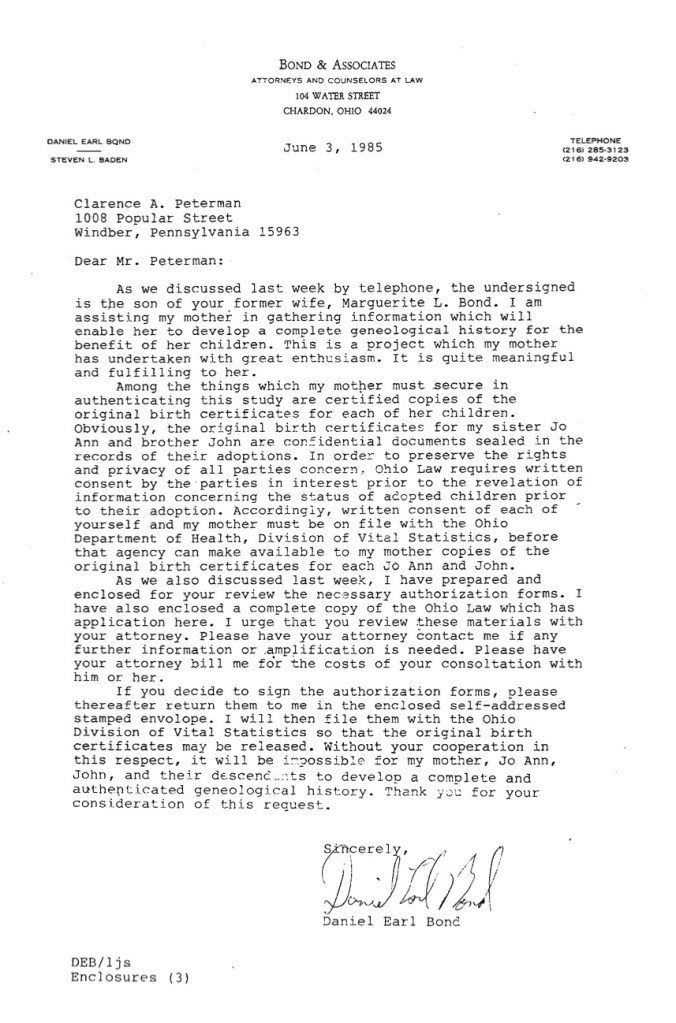
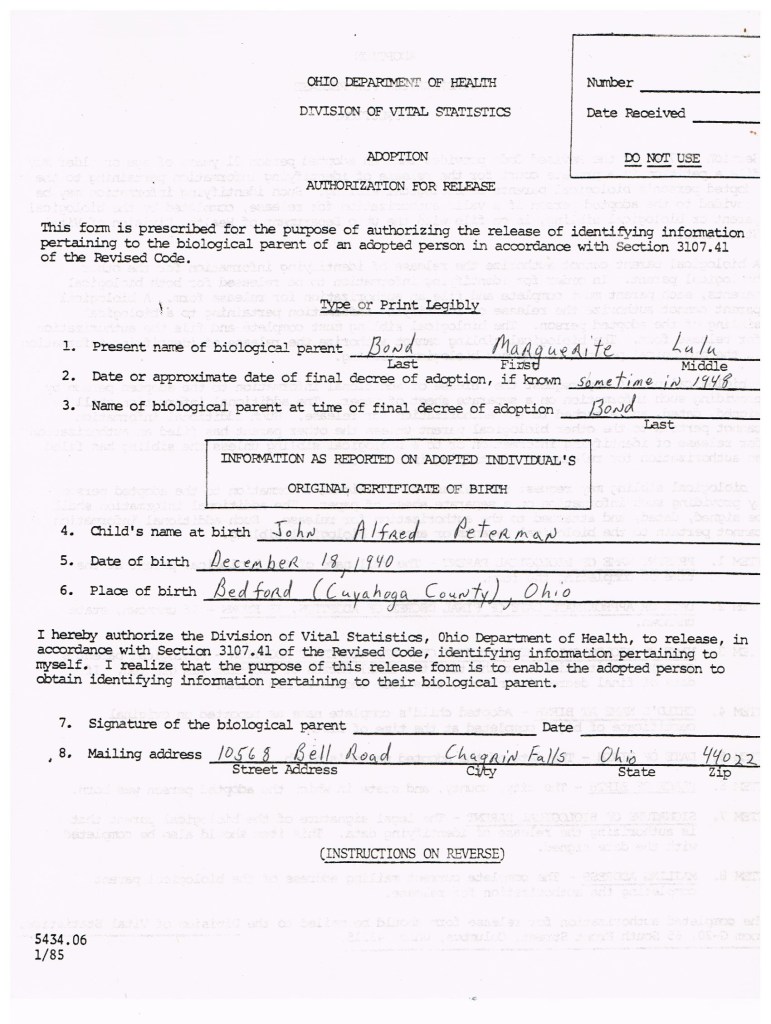
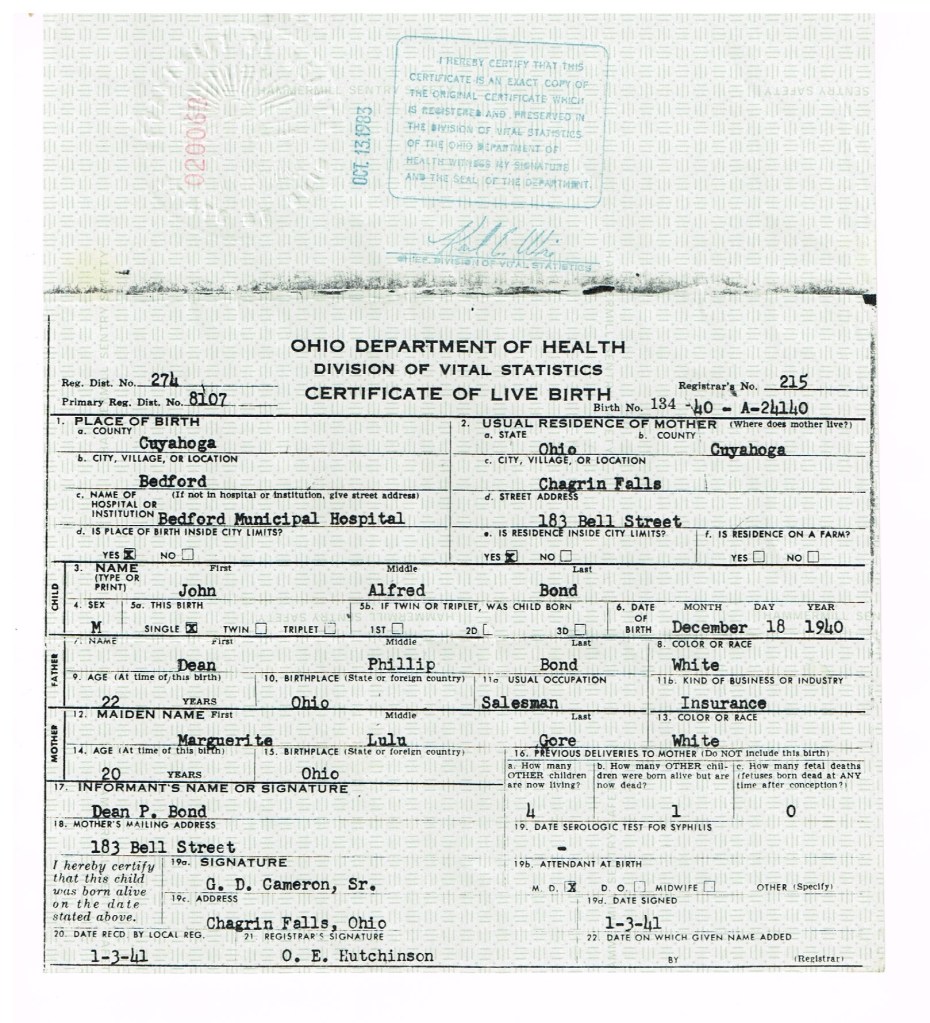



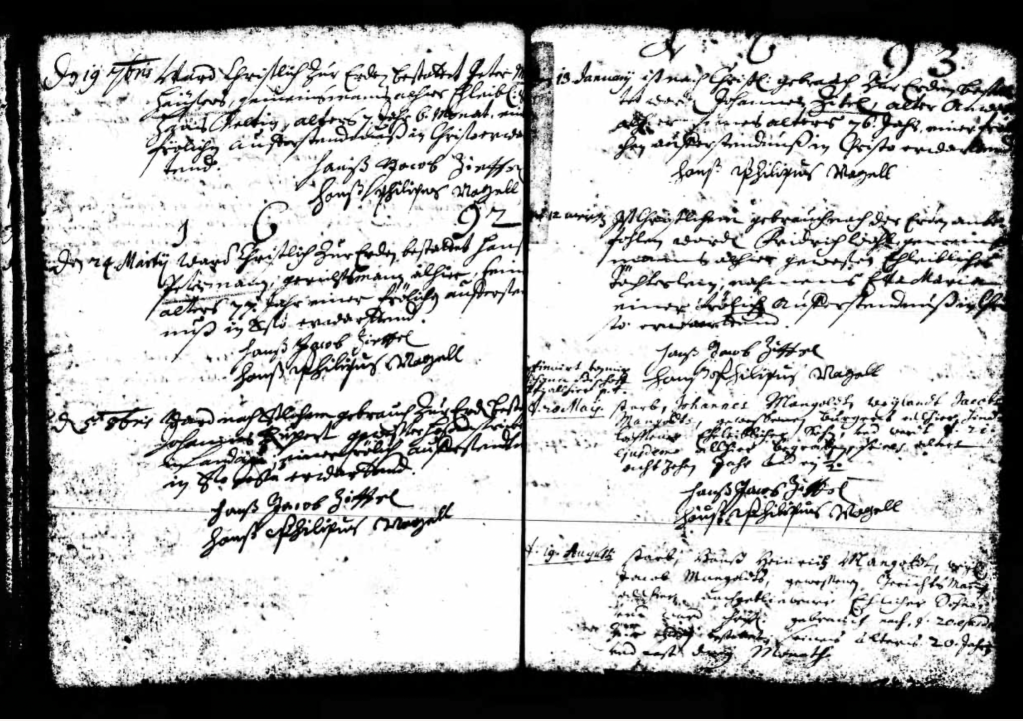




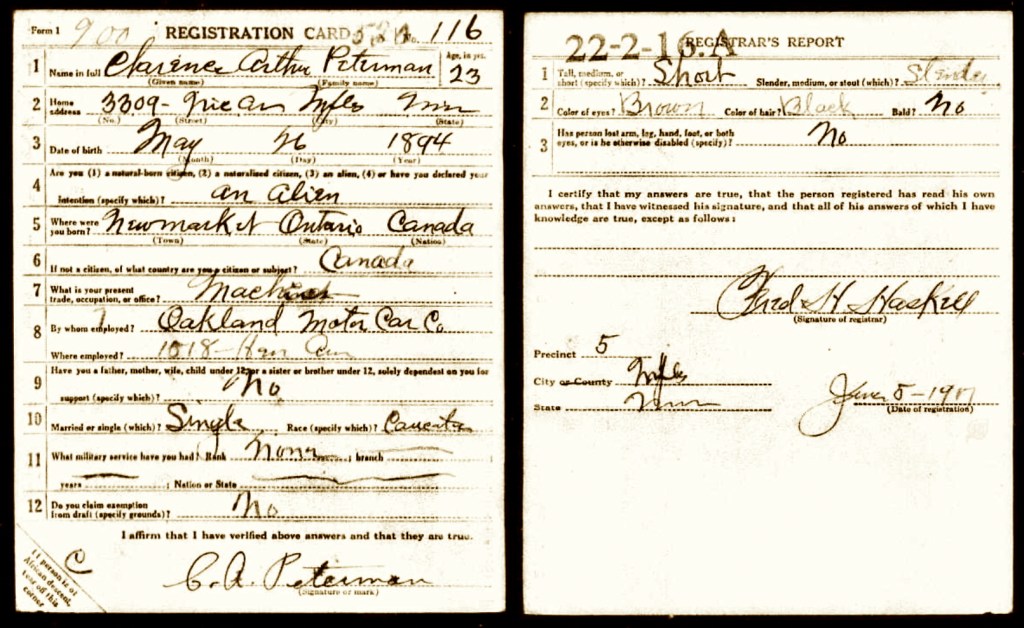
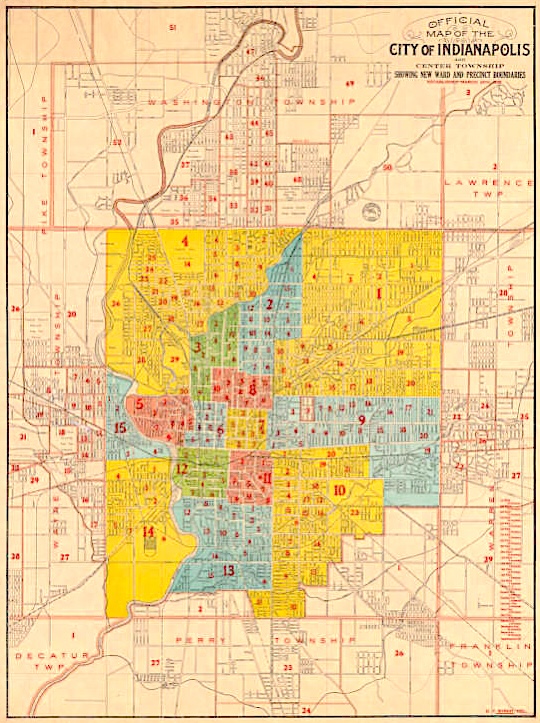
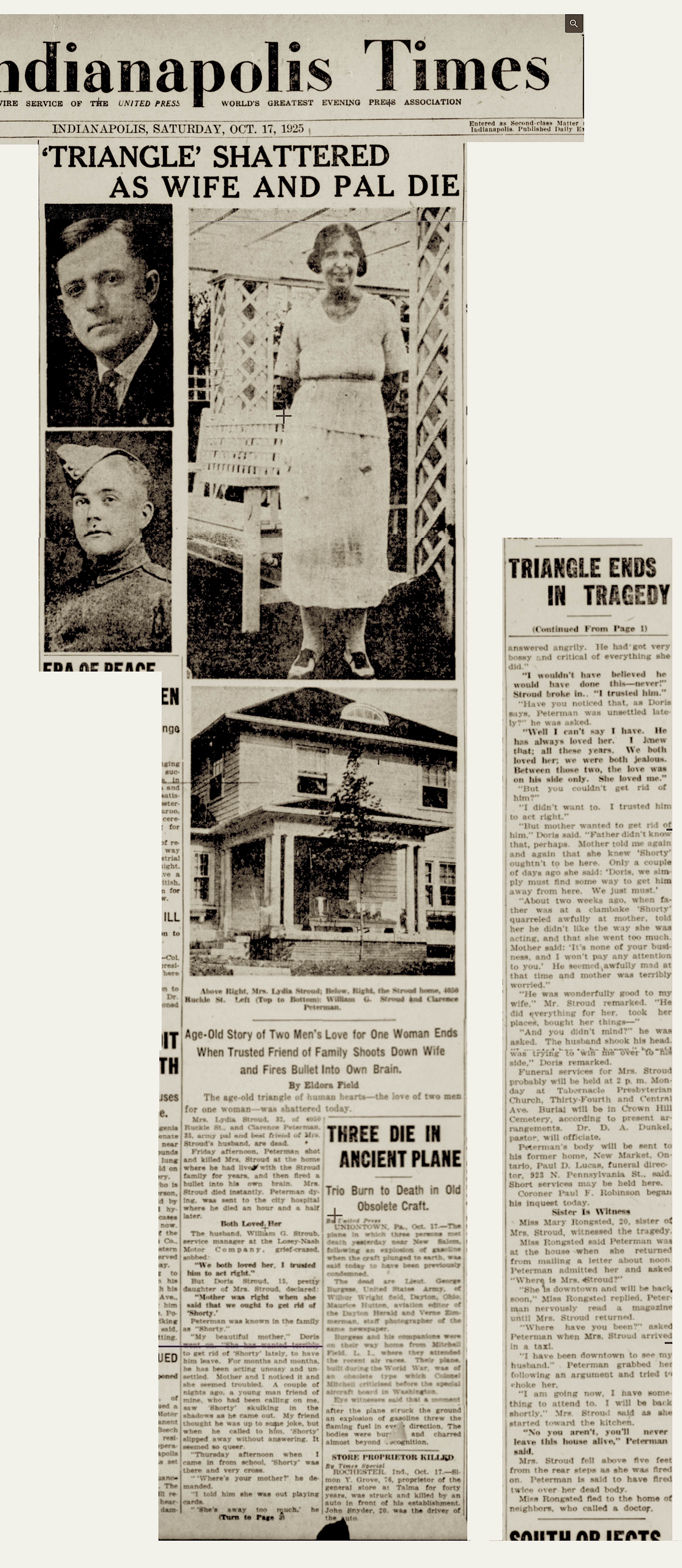


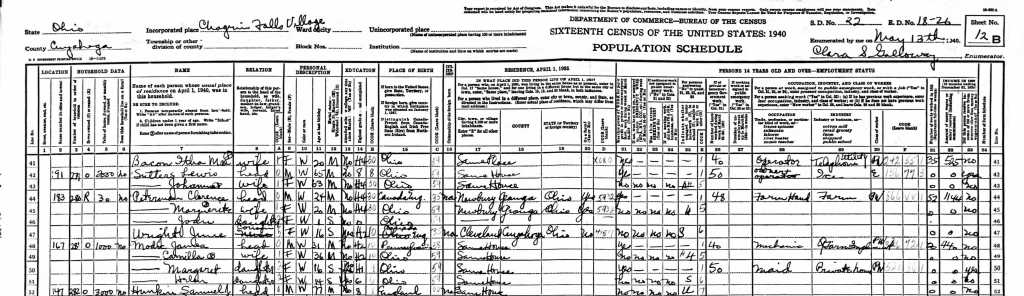


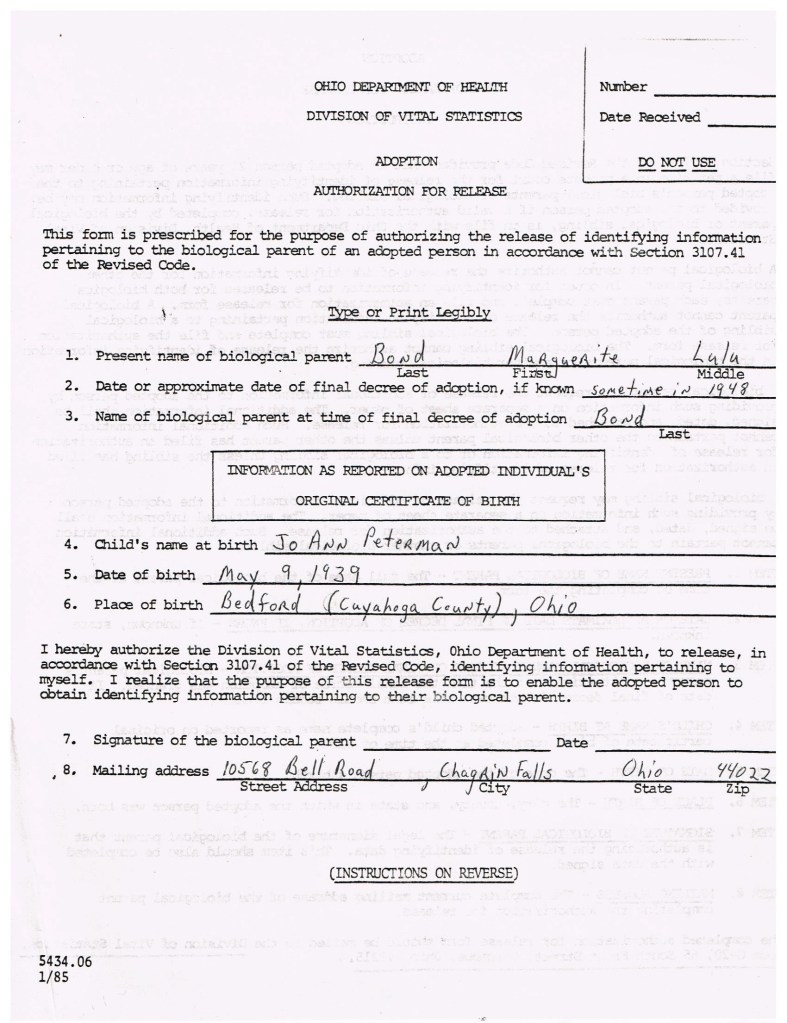

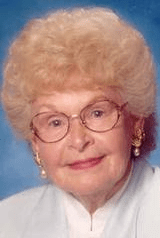
 Our Ancestors, Our Narratives


