This is Chapter One of twelve — these chapters for the Williams / Harris line will take us back into the past centuries of England and Wales, and then eventually they lead us to America, through family migrations. There are three family lines involved: two lines are from Wales, and one family line is from England. A significant adoption between family lines opened up new and compelling avenues of exploration for us to investigate.
(Image courtesy of the Smithsonian National Museum of American History).
Two Different Windows Into The Past
In the past few years there has been a tremendous boom in people’s interest in genetic ancestry. However, there is much more to genealogy than the blueprints of genetics. As explained by the 24 Genetics Academy, “Genealogy connects us with the recent history of our families, gives us names and dates, and allows us to piece together an intimate and direct account, attempting to identify specific people in our family tree. Genetics, on the other hand, offers us a broader, long-term perspective, inviting us to look back not only as individuals, but as part of a collective history… and [our] genetic legacy.”
Without getting too complicated, human genetics are driven through inheritance, based upon on the structure of the DNA molecule. “Cells are the fundamental structural units of all living things; DNA is the information molecule housed within those units.” (Medline Plus)
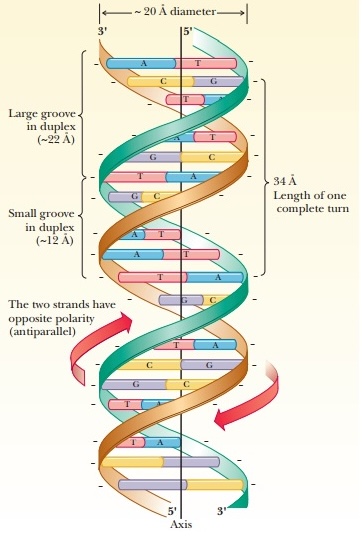
(Image courtesy of BrainKart.com).
DNA’s structure consists of two molecular strands which wrap around each other as a double helix. This provides an apt analogy for this family history. Like an intertwined, golden braid — one strand is genetics; the other, genealogy. In working together, each family bestows a unique contribution. Both histories enlighten, helping us understand not only the families we are born into, but also the families we create.
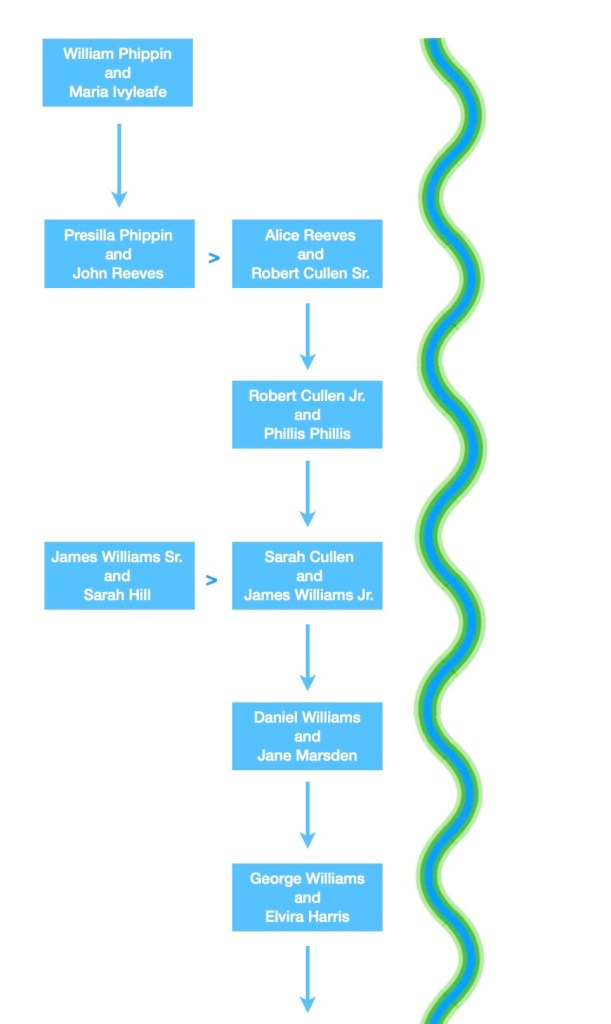
Just as DNA progresses with a spiral stand, this family history eventually unfolds in two parallel time lines near in time, but physically disconnected from each other.
Staring with this chapter, we will be looking at aspects of the Williams family in Somerset, England, and then in America for the next five generations — chapters One through Six. At that point, we will be introducing members of the Harris Line. (1)
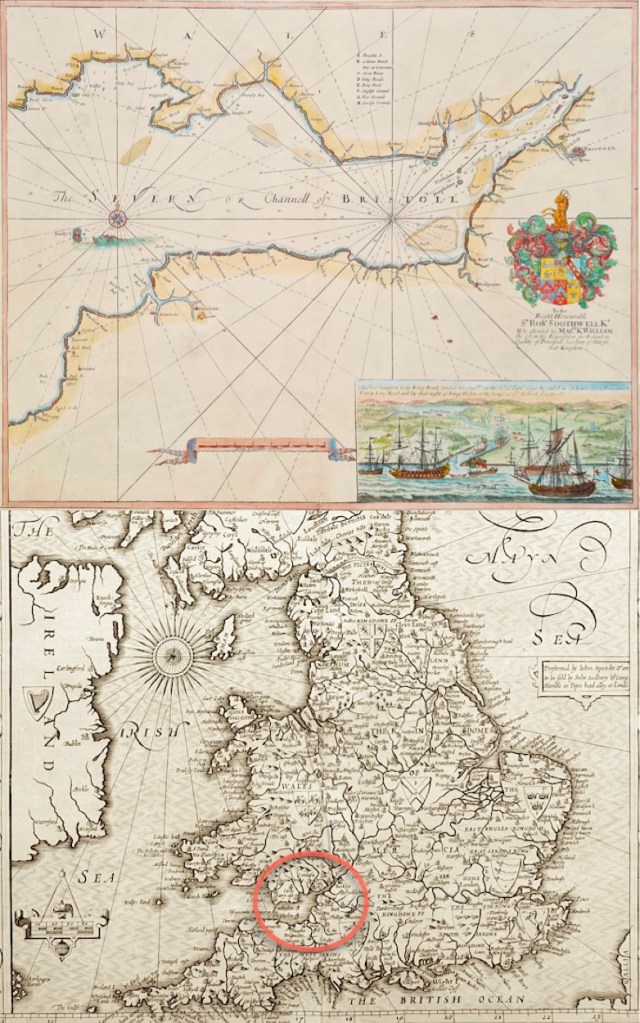
as published in The British Coasting Pilot, c. 1693. The bottom map is Britain, also known as
Britain as it was divided in the tyme of the Englifhe Saxons efpecially during their heptarchy,
by John Speed, 1623-27. (Both images are courtesy of Antique Maps Online).
Along The Severn, or The Channel of Bristol
As the southern edge of Wales comes together with the southwest corner of England, we encounter an area known as The Severn, or The Bristol Channel. This location is where this family history commences. Below the channel is Somerset, or Somersetshire, England where the ancestors of the Williams Line resided. Above the channel is the country of Wales. The district known as Monmouth, or Monmouthshire, Wales is where the ancestors for the Harris Line are found. These two families were located very close to each other in the United Kingdom, yet despite that, they did not come together until nearly 200 years after this narrative begins. (2)
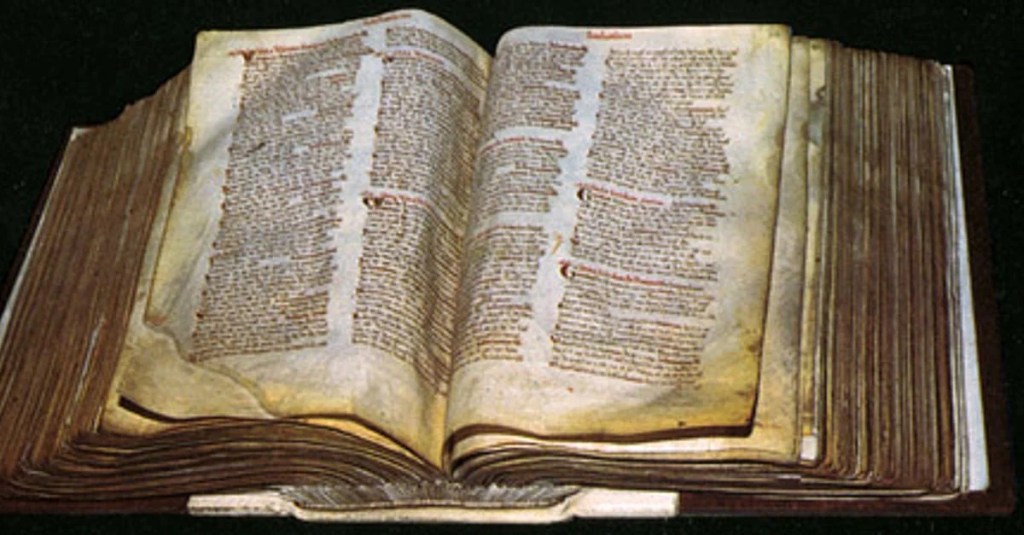
The Domesday Book
There were then, and are still to this day, many ancient parishes, villages and towns in Somerset. Our family has lived there for more generations than there are existing records.
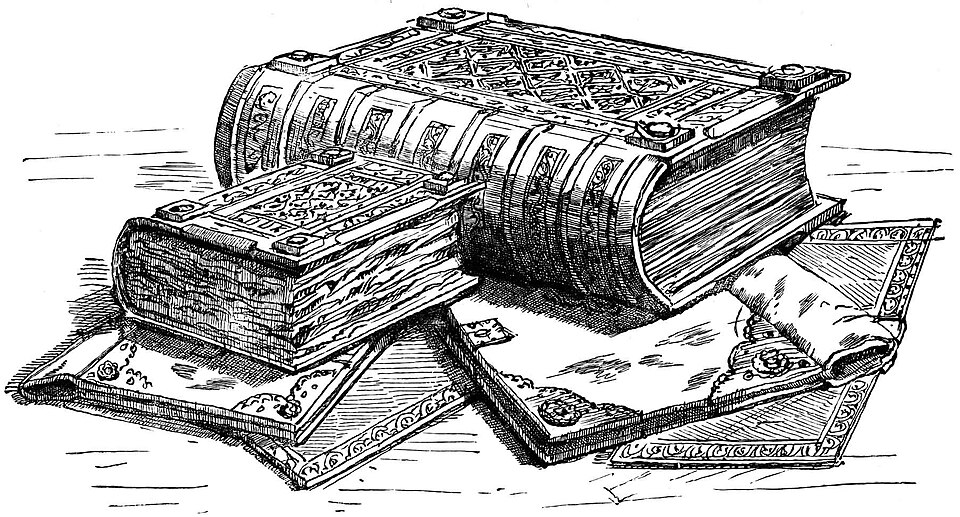
Oxford Reference defines the Domesday Book as “A survey of property in England conducted in 1086. Conceived by William I, but probably to some extent based on pre-Conquest administrative records. It was the most comprehensive assessment of property and land ever undertaken in medieval Europe. Its purpose was to maximize the revenues from the land tax…”
Two locations which have come up in the early surviving records are Doulting and East Pennard. Doulting is so old that it is mentioned in the Domesday Book, in the Folio Somerset X (Ten).
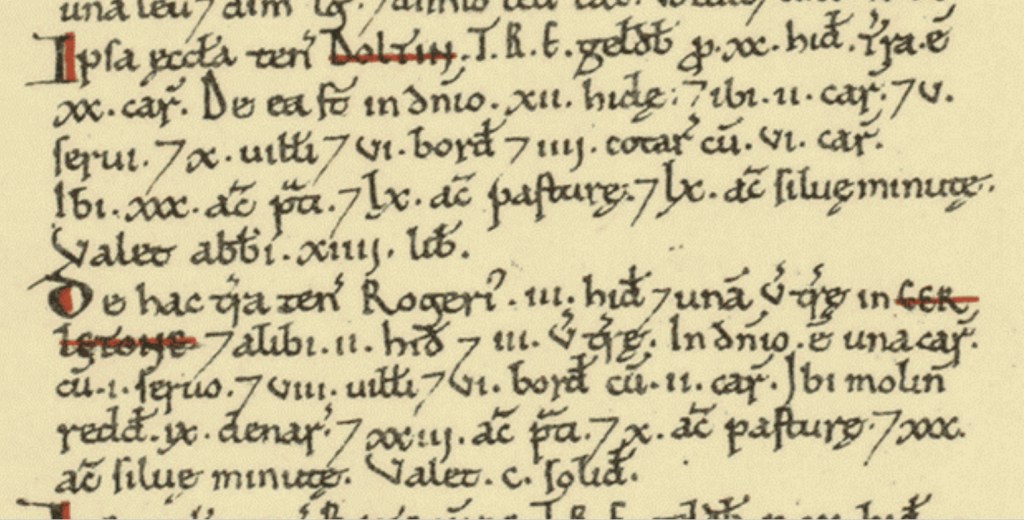
The Open Domesday website notes these statistics from nearly 1,000 years ago: “It had a recorded population of 20 households in 1086: 18 villagers, 12 smallholders, 4 cottagers, 6 slaves. Additionally, there were: 20 ploughlands, 3 lord’s plough teams, 8 men’s plough teams, 12.0 lord’s lands, Meadow — 53 acres, Pasture — 70 acres, Woodland — 90 acres, 1 mill, value 7 pence, 1 cob [a stocky, sturdy riding horse], 4 cattle, 15 pigs, 340 sheep.”
Hundreds of years later, Wikipedia writes, “The parish of Doulting was part of the Whitstone Hundred. Doulting village dates from the 8th century when King Ine of Wessex gave the local estate to Glastonbury Abbey after his nephew St Aldhelm died in the village in 709. In his honor the local spring which is the source of the River Sheppey, is called St Aldhelm’s Well.” (3)
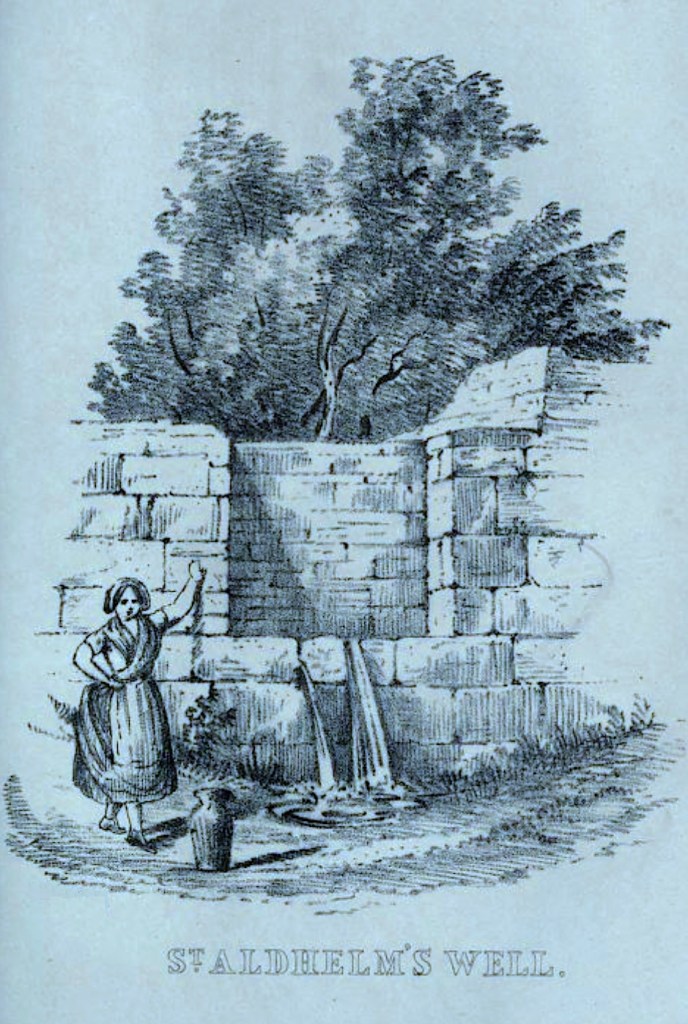
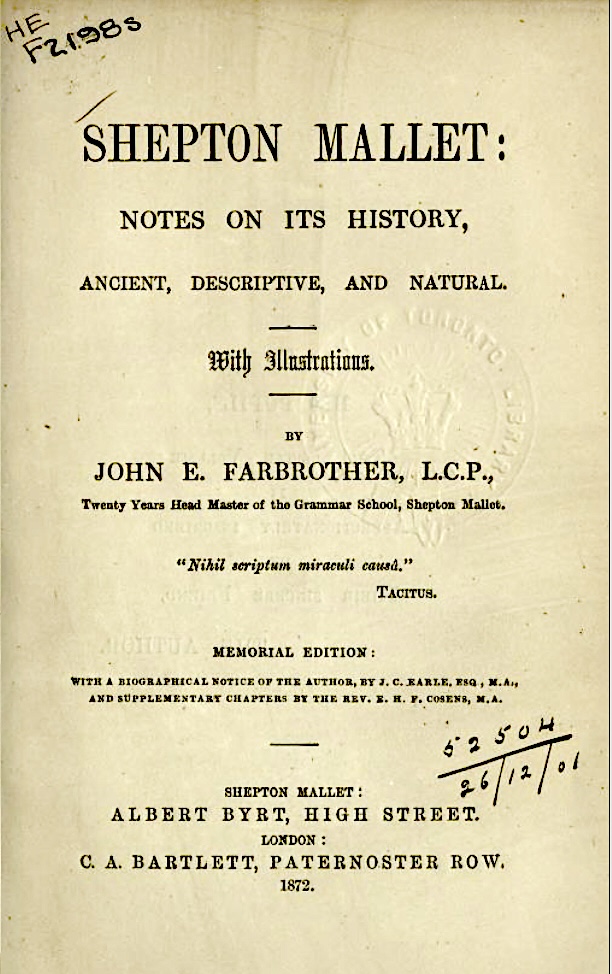
Shepton Mallet: Notes On Its History, by John E. Farbrother.
Let’s Begin in The Hundred of Doulting
In a somewhat young country like the United States, people are very used to understanding that areas are generally organized to function along these lines: town-village / townships / cities / counties / states / country. That is pretty straightforward, but not as easy to understand in a much older country like England.
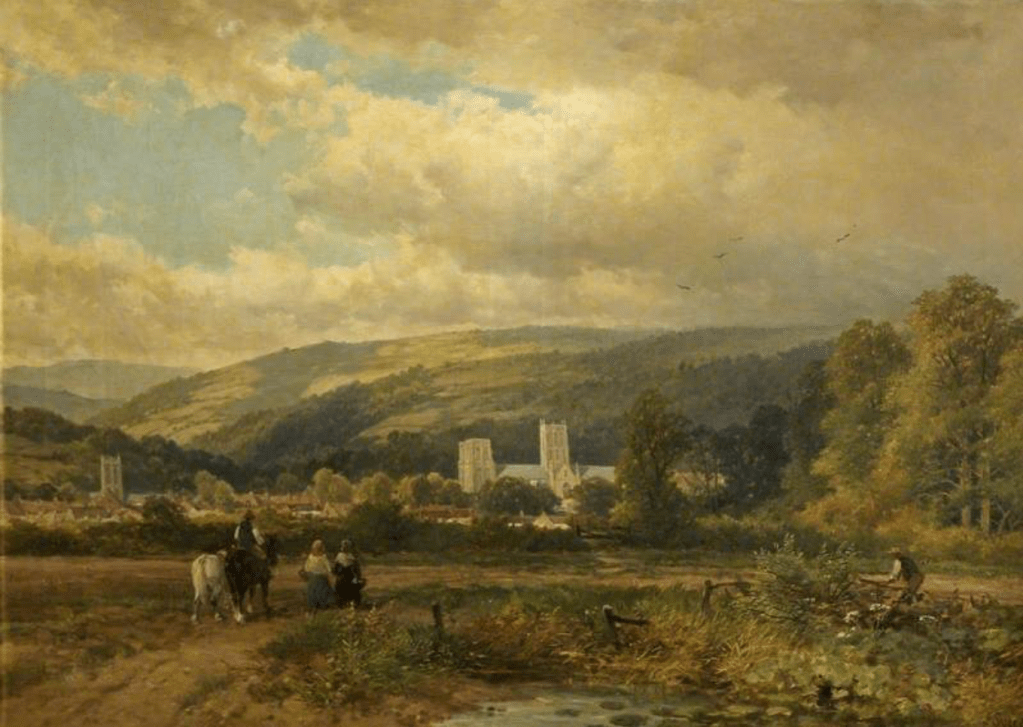
This becomes confusing when trying to ascertain locations for record verification. There is a lot of jurisdictional overlap in the way locations are noted on documents — so the assessment of records must be very carefully vetted. For example, two or three different locations could be noted for the same event, depending upon the record, who was writing things down, and when.
Historically, the English terms are different in both scale and meaning. Roughly, they are: hamlet / parish / village / town-township / hundred / district, or county, or shire / city / region / kingdom, or country. Even though America imported some of this thinking from the United Kingdom, some of the older organizational designations were just eventually phased out. One such designation is called a hundred.
From Wikipedia, “In southern and western England, a hundred was the division of a shire [like a county] for military and judicial purposes under the common law, which could have varying extent of common feudal ownership… Until the introduction of districts by the Local Government Act 1894, hundreds were the only widely used assessment unit intermediate in size between the parish… and the county, with its formal ceremonial functions.” So, a hundred was an amorphous thing — bigger than a parish, but not as big as a county? (4)
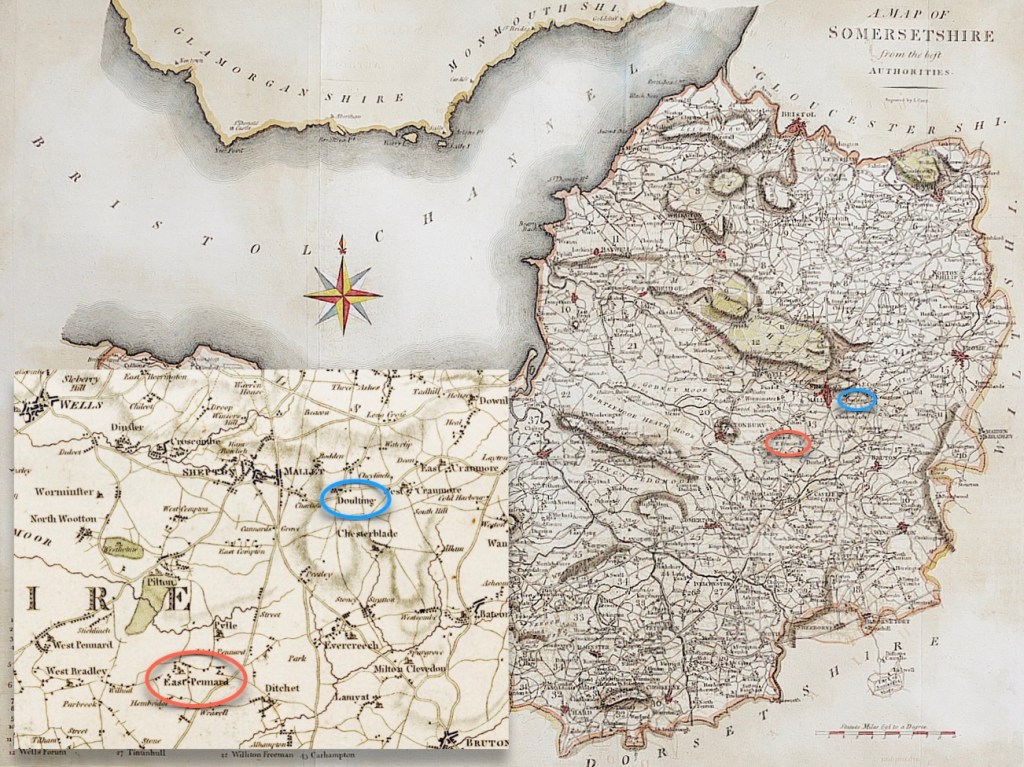
The very small villages are marked with ovals as follows: Doulting – the upper blue oval,
and East Pennard — the lower red oval. (Image courtesy of Antique Maps Online).
Inset detail map: Enlarged from, Map of 24 miles round the City of Bath. Most humbly dedicated …,
by C. H. Masters, circa 1800. (Image courtesy of The National Library of Scotland).
The Phippin and Reeves Families
We begin with a man named William Phippin, who was married to a woman named Maria Ivyleafe. They were from the Doulting, Somerset, England area, and on May 29, 1695, they baptized their daughter Presilla Phippin.
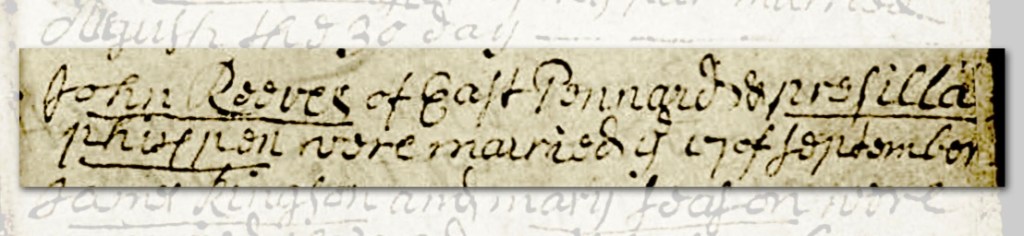
She went on to marry a man named John Reeves, on September 7, 1713, also in Doulting. With this marriage the Phippin surname gave way to the Reeves surname.
As was typical for that era, they likely had many children. We are able to verify six of them through records. Luckily for us, the one we needed to verify is the most important one for this history — their youngest daughter, Alice Reeves.
- Edith Reeves, born June 1721
- William Reeves, born September 27, 1726
- Priscilla Reeves, born December 29, 1729
- Thomas Reeves, born April 8, 1734
- John Reeves, born August 17, 1736
- Alice Reeves, born April 11, 1739, Alice carries the family line forward.
We found the burial record for their mother Presilla (Phippen) Reeves. She lived about 74 years — until June 10, 1769 (which is her burial date).
Observation: We have noted that there are several Reeves family generations (delineated in online family trees) which venture back to circa 1580. The consistent problem with many of them is that specific dates and locations are indicated, yet there is a lack of documentation provided. When this happens, we choose not to include information that we cannot verify.
Alice Reeves and Robert Cullen Sr.
We have been able to learn some things about this family, despite scant records. We do know that Alice Reeves married Robert Cullen Sr. on March 31, 1766, in East Pennard, Somerset. She was about 27 years old. Conversely, we do not know when either of these ancestors passed on, nor exactly how many children they had. With this marriage, the Reeves surname gave way to the Cullen surname.
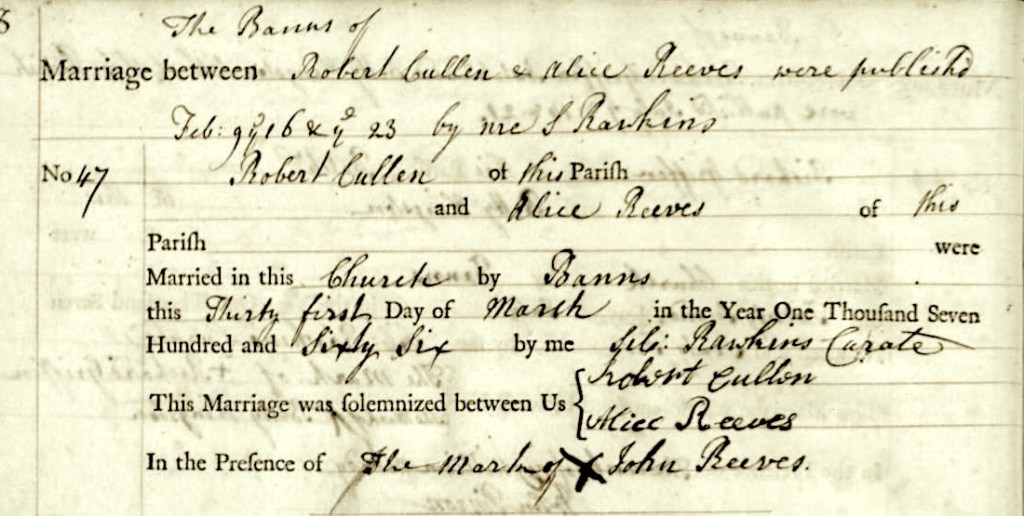
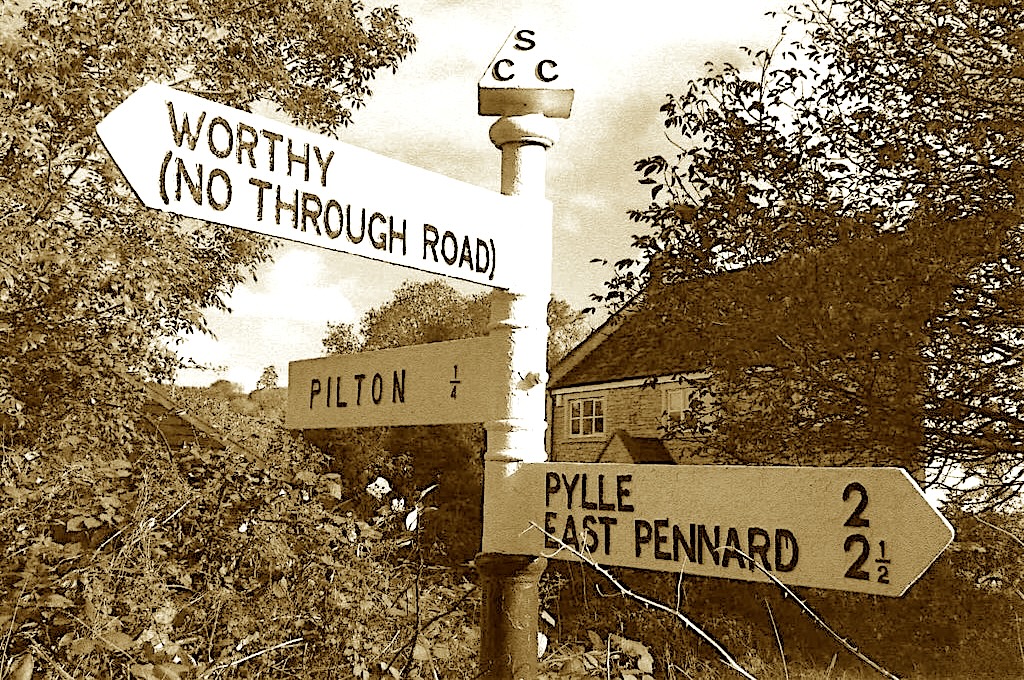
They were living in a nearby village, also located in the Whitstone Hundred, named East Pennard. “The village takes its name from the Brythonic family of Celtic languages: penn-ardd meaning high hill. The estate was granted by King Edred to Aelfgyth, a nun of Wilton and she transferred it to Glastonbury Abbey which retained it until the Dissolution of the monasteries in 1539. It was then given to William Paulet and eventually to his descendants the Napiers of Tintinhull.” (Wikipedia)
Observation: We have observed that this family signed their respective names with their Mark, which was typically an X. This means that they had to rely on the kindness of others to record information for them. Hence, sometimes their family surname is spelled an e (Cullen), or an o (Cullon).

Robert Cullen Sr. (sometimes recorded as Rob), didn’t earn his living as a farmer, as many of his neighbors did. He was a tradesman. Specifically, he was a Master Butcher, as the above records indicates, when he was compensated for mentoring an apprentice named John Hoskins. According to Google, “Being a Master Butcher in Somerset, England, in 1776 was a physically demanding yet highly respected skilled trade that placed a person at the heart of their local community’s economy. It was a period where butchers were valued for their deep knowledge of animal anatomy and food safety, with some even viewed as holding a superior knowledge similar to practitioners in medical fields.”
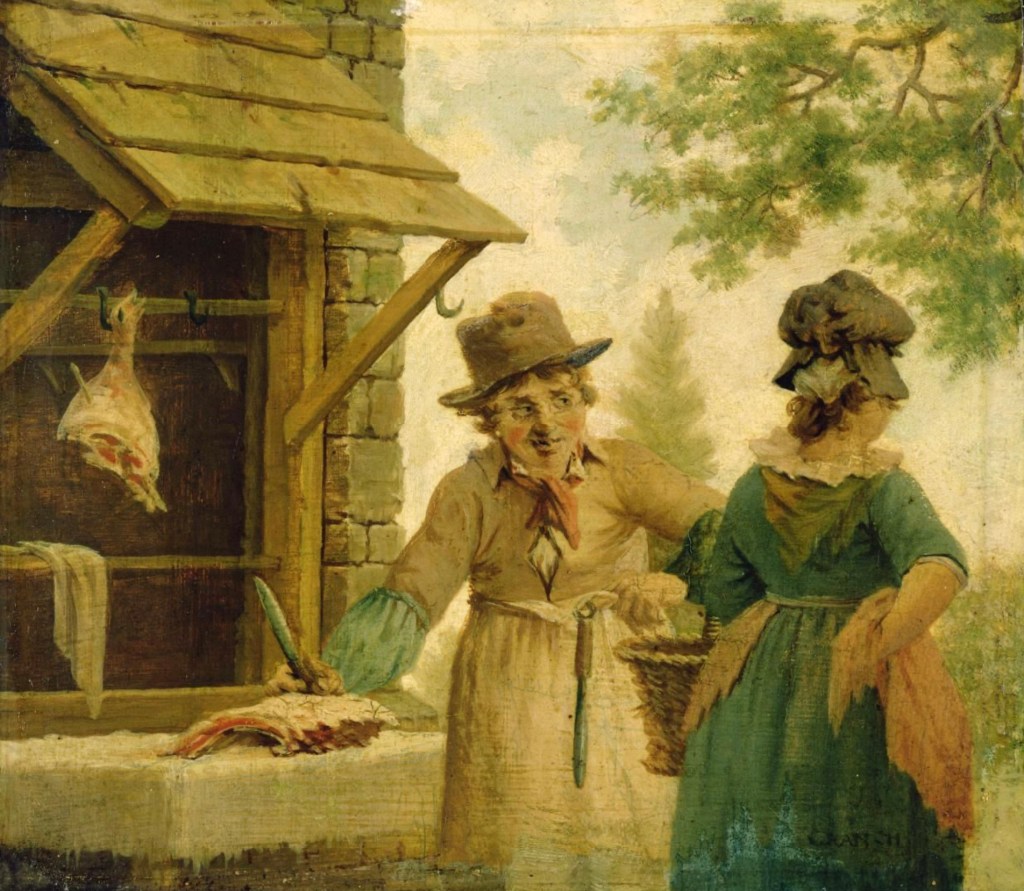
(Image courtesy of the Royal Albert Memorial Museum & Art Gallery Collections).
About five years after their marriage, the family welcomed a baby boy, who they named Robert Jr. in honor of his father. Robert Jr. carries the family line forward into the next chapter. (5)
Following are the footnotes for the Primary Source Materials,
Notes, and Observations
Two Different Windows Into The Past
(1) — five records
Smithsonian National Museum of American History
Western Union Telegraph Company Records
Storkgram telegram blank, c. 1950
https://americanhistory.si.edu/ko/collections/archival-item/sova-nmah-ac-0205-ref11320
Note: For the image.
24 Genetics Academy
Differences Between Genealogy and Genetic Ancestry
https://academy.24genetics.com/topics/differences-between-genealogy-and-genetic-ancestry/
Note: For the text.
Medline Plus
Help Me Understand Genetics
Cells and DNA
https://medlineplus.gov/download/genetics/understanding/basics.pdf
Note: For the data.
What is the nature of the DNA double helix?
BrainKart.com
Note: For the DNA double helix illustration.
Genetic Ancestry Doesn’t Tell Your Whole Story
by Carles Lalueza-Fox
The MIT Press Reader
https://thereader.mitpress.mit.edu/dna-and-its-discontents/
Note: For reference.
Along The Severn, or The Channel of Bristol
(2) — three records
Antique Maps Online
The Severn or Channell of Bristoll
by Capt. Greenville Collins
https://www.antique-maps-online.co.uk/bristol-channel-collins-4191.html
Note: For the map image, as published in The British Coasting Pilot, c. 1693
Antique Maps Online
Britain, also known as Britain as it was divided in the tyme of the Englifhe Saxons efpecially during their heptarchy
by John Speed, 1623-27
https://www.antique-maps-online.co.uk/britain-speed-3646.html
Note: For the Somerset map image, as published by Sudbury and Humble in The Theatre of the Empire of Great Britaine
The National Library of Scotland
Map of 24 miles round the City of Bath. Most humbly dedicated …
by C. H. Masters, circa 1800
https://maps.nls.uk/counties/rec/13617
Note: Inset map for detail to show the Somerset villages of East Pennard and Shepton Mallet.
The Domesday Book
(3) — three records
World History Encyclopedia
Domesday Book
by Mark Cartwright
https://www.worldhistory.org/Domesday_Book/
Note: For the text and image.
Open Domesday
by Anna Powell-Smith
https://opendomesday.org
and
Somerset, page 10, Left column, middle.
https://opendomesday.org/book/somerset/10/
Shepton Mallet: Notes On Its History
by John E. Farbrother
https://archive.org/details/sheptonmalletnot00farbuoft/mode/1up
Note: For the illustration of St. Aldhelm’s Well.
Let’s Begin in The Hundred of Doulting
(4) — three records
Hundred (county division)
https://en.wikipedia.org/wiki/Hundred_(county_division)#:~:text=In%20southern%20and%20western%20England,on%20the%20number%20of%20hides
Wells Cathedral, Somerset
by John Syer
https://artuk.org/discover/artworks/wells-cathedral-somerset-62060
Note: The image is provided via The Cheltenham Trust and Cheltenham Borough Council.
Doulting
https://en.wikipedia.org/wiki/Doulting
Note: For the text.
The Phippin and Reeves Families
(5) — twenty-one records
Antique Maps Online
Somerset
by John Cary
https://www.antique-maps-online.co.uk/somerset-cary-3980.html
Note: For the map image, as published in Britannia by William Camden, c. 1789
Gulielmus Phippin
Somerset, England, Church of England Baptisms, Marriages, and Burials, 1531-1812
Wedmore > 1663-1727
https://www.ancestry.com/search/collections/60856/records/290723
Digital page: 54/109, Right page, 6th entry from the botttom.
Note 1: Their marriage date is recorded as January 10, 1692. In that era, the Church utilized the Julian calendar year, which began on March 25 and ended on March 24 each year. Using the modern standard of the Gregorian calendar, their actual marriage date is January 10, 1693.
Note 2: In 17th-century England, scribes frequently translated the name William into its Latinized equivalent, Gulielmus.
Note 3: His wife’s name is actually Maria Ivyleafe. Her maiden name as Mariam (is from the Latin), and Jueleast (is from modern machine reading of the document).
Note: 4: Maria Ivyleafe’s baptism record follows with the next footnote.

Maria Ivyleafe
https://www.ancestry.com/family-tree/person/tree/58968748/person/422091224949/facts
Note 1: The linked image is located left of the header for this file titled Maria Ivyleafe. It was provided by another researcher in a Gallery —
https://www.ancestry.com/mediaui-viewer/tree/58968748/person/422091224949/media/1374ff04-5eb2-479d-8a30-3fb9a9678eed
Note 2: The actual notation is found on the lower right page as an entry for January 28, 1673. Applying the same rules for dating as described in the above footnote, her actual baptism date is January 28, 1674.

Priscilla Phippin
in the England, Select Births and Christenings, 1538-1975
https://www.ancestry.com/search/collections/9841/records/24912344
Note: Her baptism date is May 29, 1695.
Note: Her father’s name is William Phippin.
Note: The location is Doulting, Somerset, England, which is near Shelton Mallet.
and
William Phippin
in the England, Select Births and Christenings, 1538-1975
https://www.ancestry.com/search/collections/9841/records/24912343
Note: For the record.
John Reeves
in the Somerset, England, Church of England Baptisms, Marriages, and Burials, 1531-1812
Doulting > 1685-1733
https://www.ancestry.com/search/collections/60856/records/1699333
Book page: Digital page: 12/36, Right page, near the bottom.
and
John Reeves
in the England, Select Marriages, 1538-1973
https://www.ancestry.com/search/collections/9852/records/21523531
Notes: The marriage date is September 7, 1713, and his wife is named Presilla Phippen.
We have been able to verify the following Reeves / Phippen children through the Somerset, England Church Records, 1501-1999, found on Family Search:
Edith Reeves, baptism June 1721
https://www.familysearch.org/ark:/61903/1:1:6D9N-XG89?lang=en
William Reeves, baptism September 27, 1726
https://www.familysearch.org/ark:/61903/1:1:6D9N-8KQ1?lang=en
Priscilla Reeves, baptism December 29, 1729
https://www.familysearch.org/ark:/61903/1:1:6D9N-K3HV?lang=en
Thomas Reeves, baptism April 8, 1734
https://www.familysearch.org/ark:/61903/1:1:6D9N-XGCR?lang=en
John Reeves, baptism August 16, 1736
https://www.familysearch.org/ark:/61903/1:1:6D9N-FRDD?lang=en
Alice Reeves, baptism April 11, 1739
https://www.familysearch.org/ark:/61903/1:1:6D9N-NB27?lang=en
Alice Reeves
in the Somerset, England, Church of England Baptisms, Marriages, and Burials, 1531-1812
East Pennard > 1608-1747
https://www.ancestry.com/search/collections/60856/records/1493779
Digital page: 29/45, Left page, the first entry at the top.
Note: Her baptism date is April 11, 1739.
Priscilla Reeves
Vital – England, Somerset, Church Records, 1501-1999
https://www.familysearch.org/ark:/61903/1:1:6D99-31FH?lang=en
Note: Her 1769 burial record.
Alice Reeves
in the Somerset, England, Marriage Registers, Bonds and Allegations, 1754-1914
Marriage Registers > East Pennard > 1755-1800
https://www.ancestry.com/search/collections/60858/records/900764042
Book page: 18, Digital page: 12/43, Left page top.
Note: The marriage date for Robert Cullen and Alice Reeves is March 31, 1766.
(Image courtesy of the National Survey of Wayside Features by The Milestone Society, https://www.geograph.org.uk/photo/6051069).
East Pennard
https://en.wikipedia.org/wiki/East_Pennard
Note: For the text.
Rob Cullen
in the UK, Register of Duties Paid for Apprentices’ Indentures, 1710-1811
Country Registers > 1776 Oct-1779 Feb
https://www.ancestry.com/search/collections/1851/records/316499
Book page: 43, Digital page: 87/449, Upper portion, 16th line, noted as a Butcher.
Note: This file indicates that he worked as a Master Butcher, and that he was compensated for the training an Apprentice named John Hoskins.
Robert Cullen
in the Somerset, England, Church of England Baptisms, Marriages, and Burials, 1531-1812
East Pennard > 1747-1812
https://www.ancestry.com/search/collections/60856/records/1822099
Digital page: 101/171, Second entry after the heading “Christenings in the year 1771”
Note 1: His christening date is February 12, 1771.
Note 2: His parents names are Robert and Alice (Reeves) Cullen. Observe that the recorder originally wrote the name John, and then tried to correct that by overwriting with (what is likely) the name of Robert.


